What Water Temperature for Brewing Finca La Mula Geisha Natural Coffee_Pour Over Geisha Coffee Ratio
About Geisha Coffee
This Geisha coffee bean comes from the Kotowa Estate, located in the Boquete region of Panama at an altitude of 1700-1850 meters. The estate has a strong social and environmental conscience. To ensure a clean, safe, and sustainable environment, it cultivates and processes coffee using traditional concepts together with the latest technology. LAS BRUJAS is also an area that has performed exceptionally well in the Best of Panama competition over the past two years, making this Geisha well worth trying.
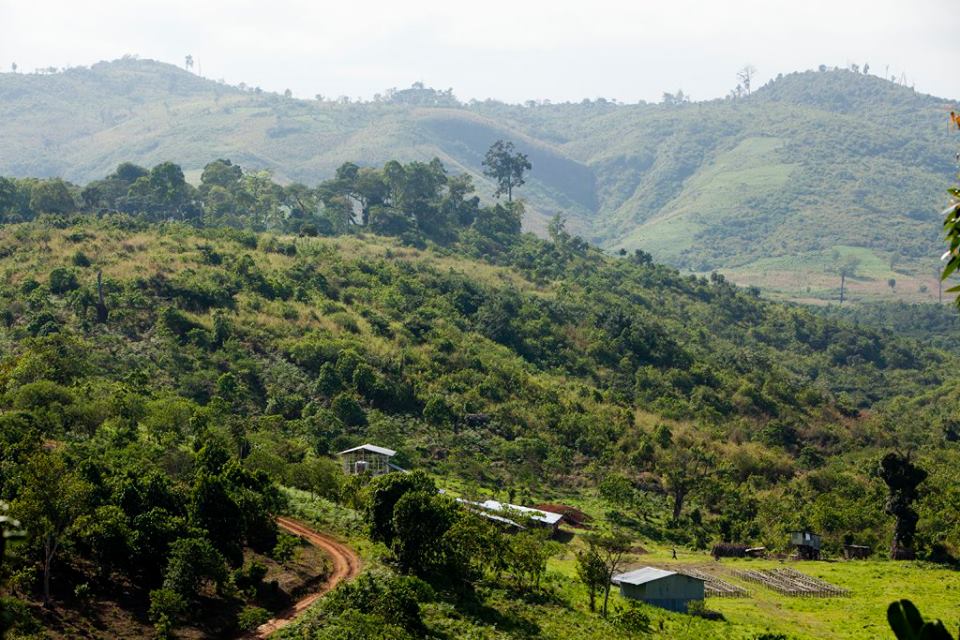
The Kotowa family's estates sit in the Baru volcanic region, enjoying a unique microclimate and volcanic terrain. Their five estates are distributed across the Baru volcano area in Boquete, at elevations of approximately 1300-1800 meters. Nights there are cool without frost, while days are dry and sunny. Strongly influenced by the microclimate where Pacific and Atlantic air currents meet, the winds are strong. Within the estates are numerous giant coniferous forests with trees over 200 years old. The growing season features abundant rainfall and distinct wet and dry seasons.
The Kotowa family has five estates: Finca Kotowa Duncan, Finca Kotowa Don K, Finca Kotowa Las Brujas, Finca Kotowa Rio Cristal, and Finca Kotowa Tradicional.
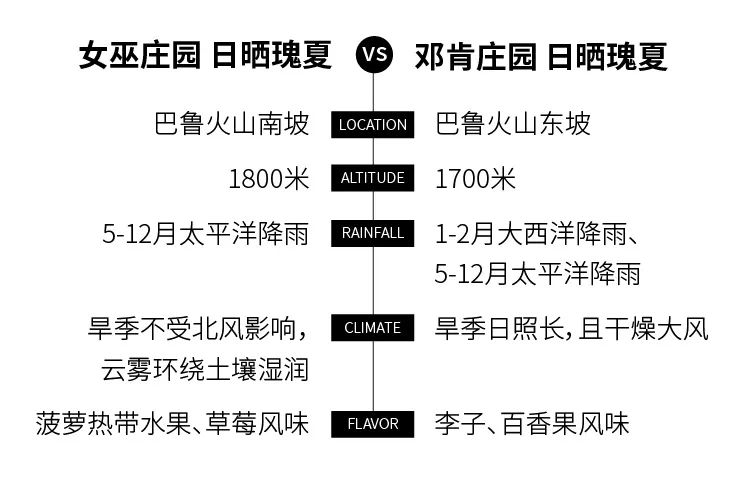
Although Kotowa has five estates, the coffees that have won numerous awards at the BOP (Best of Panama) over the past two years all come from the Las Brujas and Duncan estates. Although both are located near Baru volcano, their beans show distinct flavor differences. The natural processed Geisha from Las Brujas shows more tension and clarity in its flavor.
FrontStreet Coffee's Three-Stage Pour-Over Method for Geisha Coffee
Today, FrontStreet Coffee introduces a commonly used hand-pour technique for Geisha: the three-stage method.
Three-Stage Pour Method
Segmented extraction, dividing one portion of water into three stages for pouring.
Suitable for light roast, medium-light roast, and medium roast coffee beans.
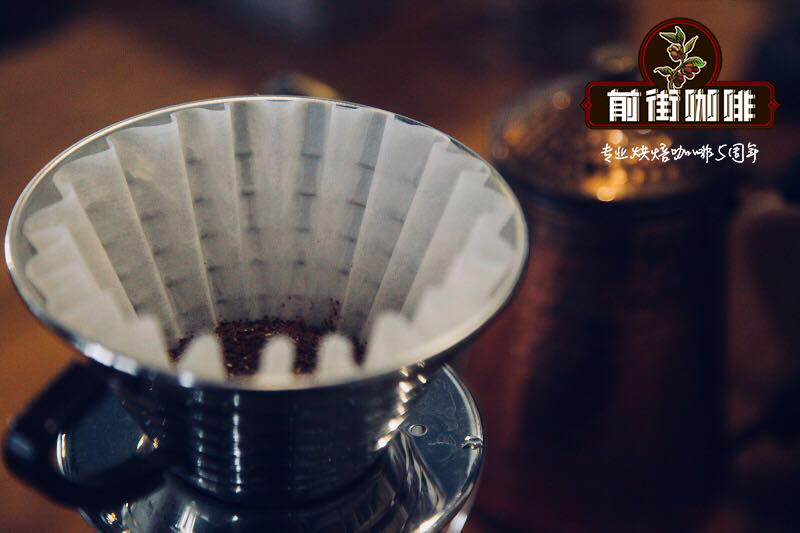
Uses a Kalita wave dripper.
Increase the blooming time or the number of pour interruptions to enhance the richness of the coffee's mouthfeel.
Three-Stage Pour-Over Segmented Extraction Method
Advantages: More complex layers than single-pour methods, allowing clear distinction between front, middle, and back-end flavors. The technique increases the pour amount after each bloom, typically pouring when the coffee level is about to drop to the surface of the coffee bed. Use small, medium, and large water flows for the three-stage extraction.
Disadvantages: Requires higher standards for water flow rate and volume control.

FrontStreet Coffee's Recommended Pour-Over Parameters for Geisha Coffee
The wave dripper uses immersion extraction, increasing the contact surface area between grounds and water. Compared with V60 brewing, it enhances texture and produces a thicker mouthfeel.
15g of coffee, water temperature 91-92 degrees Celsius, grind size BG 5R (Chinese standard: 64% pass-through rate through a #20 sieve), water-to-coffee ratio approximately 1:15-16.
Technique: 27g of water for the bloom, with a blooming time of 30s. Pour hot water from the kettle in clockwise circles centered on the middle of the dripper. Start timing when brewing begins, pour to 27g, then stop and wait 30 seconds before the first pour.
For the first pour, circle as before but slow down slightly, speeding up when moving to the outer circles. Stop pouring around 1:15. When the liquid level drops by one-third, pour again. For the second pour, focus on pouring in the center, avoiding the area where the coffee grounds meet the filter paper to prevent channeling. End extraction around 2:05. The tail end can be discarded, since the longer it runs, the more astringency and roughness it adds.
Stages: 30-125-230g
FrontStreet Coffee Recommendation
Geisha is a light, medium-light roasted floral-and-fruity variety, and its denser texture tends to sink and clog the drain hole, which is why water temperature and grind matter so much. If you want to put these parameters to work on a great-value Geisha, FrontStreet's Boquete Geisha is an entry-level Panama Geisha with pure genetics: the classic orange-blossom honey sweetness, an oolong-tea impression, delicate fruit acidity, and clearly defined layers.
For higher tiers, compare the two top levels from Hacienda La Esmeralda. The Red Label, formally Esmeralda Special, grows at 1600-1800 meters and cups above 90, with each lot individually numbered and drawn from a single small plot so buyers can choose by fine flavor. The Green Label, or Private Collection, blends several plots to express the estate's signature high-altitude Geisha character at a friendlier price, making it excellent value.
For the Geisha action in the cup, FrontStreet suggests a grind of about fine sugar (fine enough that 78% passes a China standard #20 sieve) and 91 degrees Celsius water; use 15g of coffee with a Hario V60 and a 1:16 ratio, then pour in three stages - 30g for a 30-second bloom, then circles to 125g, waiting for the bed to drop halfway before pouring on to 225g, for a total extraction of about 2:10 to 2:20.
Important Notice :
FrontStreet Coffee is a long-established specialty coffee roaster in Guangzhou China, selling freshly roasted beans from its own farm in Yunnan as well as dozens of carefully selected single-origin beans from around the world for both pour-over and espresso. The products deliver consistently excellent quality and great value, with shipping within 24 hours. Guangzhou's FrontStreet Coffee shop is recommended by many coffee lovers, and the beans are now available online at the Tmall 。
FrontStreet Coffee has moved to a new address:
FrontStreet Coffee Address: 315,Donghua East Road,GuangZhou
Tel:020 38364473
 Scan and follow the En Gafei WeChat official account. Please indicate that the reprint comes from "En Gafei".