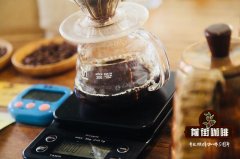
How Much is a Cup of Panama Elida Green Top Geisha and Is It Delicious? Geisha Coffee Bean Pour-Over Parameters and Flavor Description
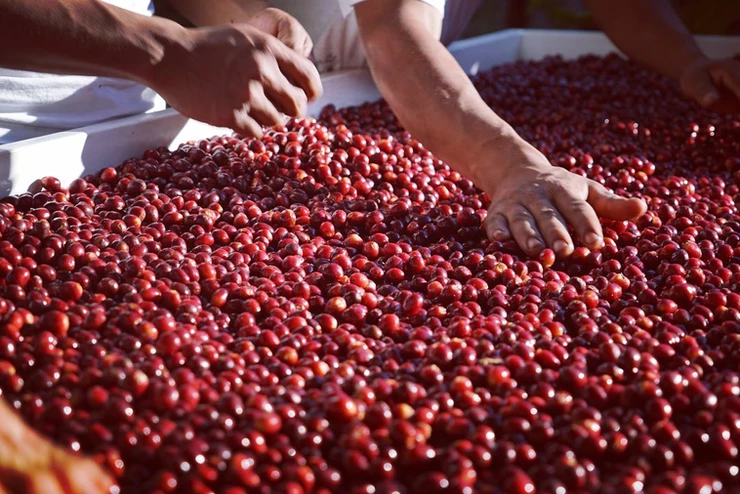
The Remarkable Rise of Geisha Coffee
Every coffee enthusiast has heard of Geisha coffee! If you haven't, you really need to read this article from FrontStreet Coffee carefully.
Since 2004, when Panama's Hacienda La Esmeralda took first place at BOP (Best of Panama) with its Geisha, the price of the once-overlooked variety has climbed steadily. To many people Geisha's fame seemed to arrive overnight, but few know the "quiet perseverance" behind it. Here is the story of Geisha coffee before its rise to fame.

The Origins and Discovery
The story traces back to 1936, when Captain Richard Whaley served as consul in the Bench Maji region. His mission was to collect 10 pounds of coffee seeds from the area around Geisha Mountain. How the descendants of those seeds later reached Hacienda La Esmeralda, and how their unique flavor was discovered, is a rather obscure piece of history. What can be inferred from Hacienda La Esmeralda's own records is that, because Geisha showed some resistance to ojo de gallo (a coffee disease), the estate began planting Geisha trees, though at that time they served merely as a windbreak.
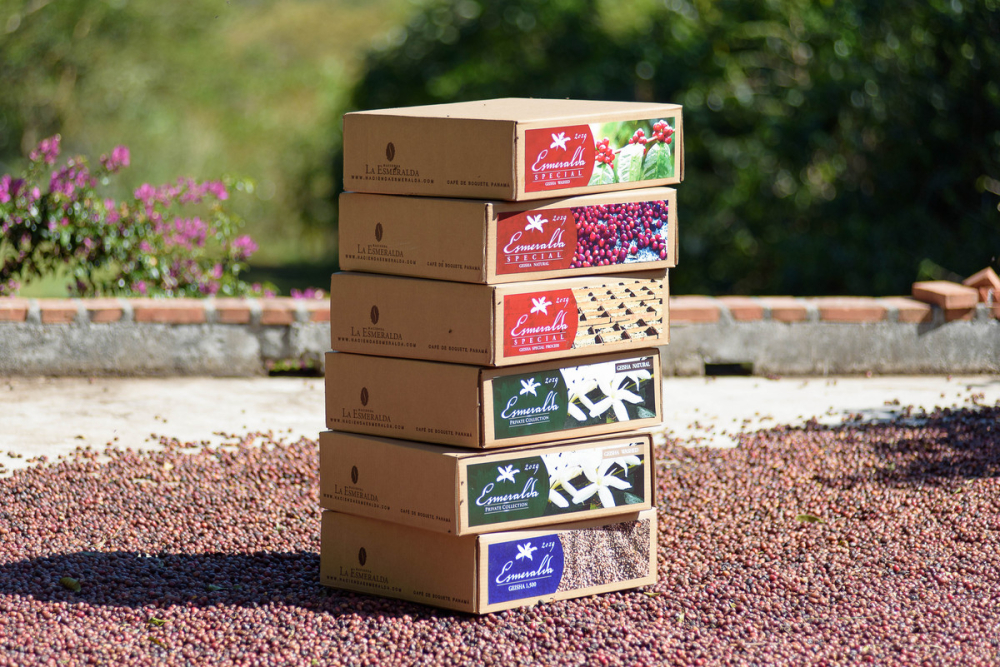
In the late 1990s, as coffee quality drew increasing attention, the Peterson family of Hacienda La Esmeralda acquired the high-altitude Jaramillo farm and noticed that although coffee leaf rust had devastated many plants, the Geisha trees were largely unscathed. They decided to plant Geisha in more areas of the farm, mostly above 1,650 meters, and discovered, to their surprise, that Geisha grown at high altitude displayed exceptionally fine flavor.
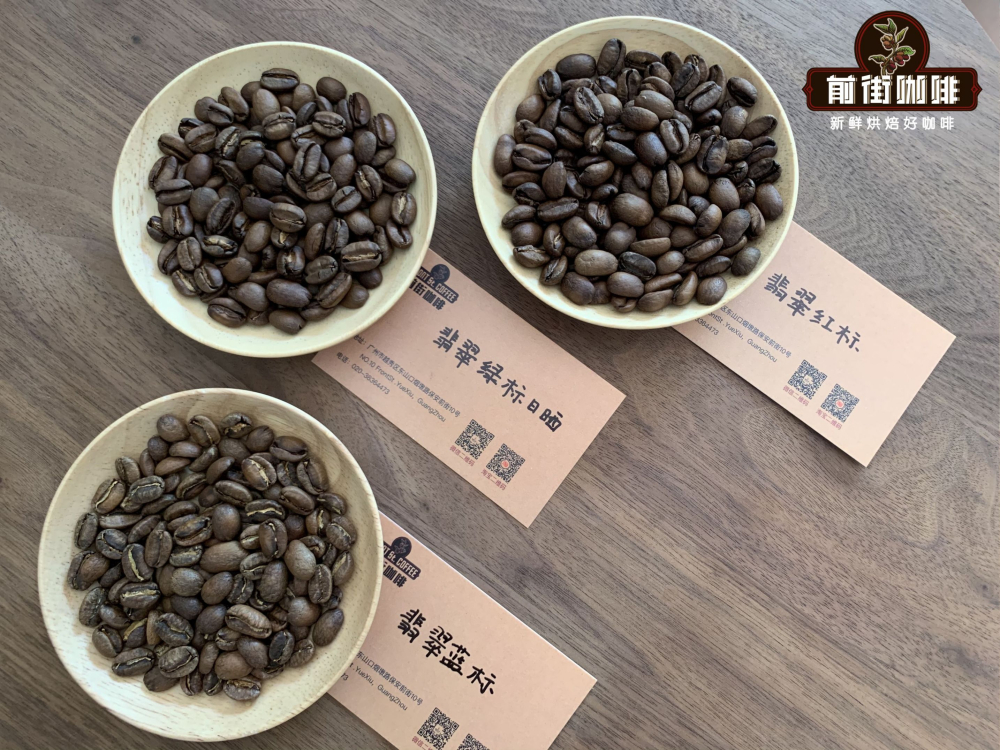
Hacienda La Esmeralda is where Geisha made its fortune. As its reputation grew, more and more estates began planting the variety, and Geisha lived up to expectations, repeatedly sweeping green-coffee competitions.

Elida Estate's Record-Breaking Achievements
In 2018, the Lamastus family of Elida Estate set two BOP records, both involving Geisha. Elida's Green Tip Washed Geisha scored an ultra-high 94.66 points, breaking the 94.15-point record Elida itself set in 2016. The estate also swept first place in both the Geisha Natural and Washed categories, the first "double champion" in BOP history, and was named Panama's Best Producer that year!
In that fruitful 2018, Elida Estate also celebrated its 100th anniversary. The coffee named Best Panama Geisha in both 2018 and 2019 was the same lot: Elida Estate Green Tip Geisha Natural ASD (Anaerobic Slow Dry Natural).
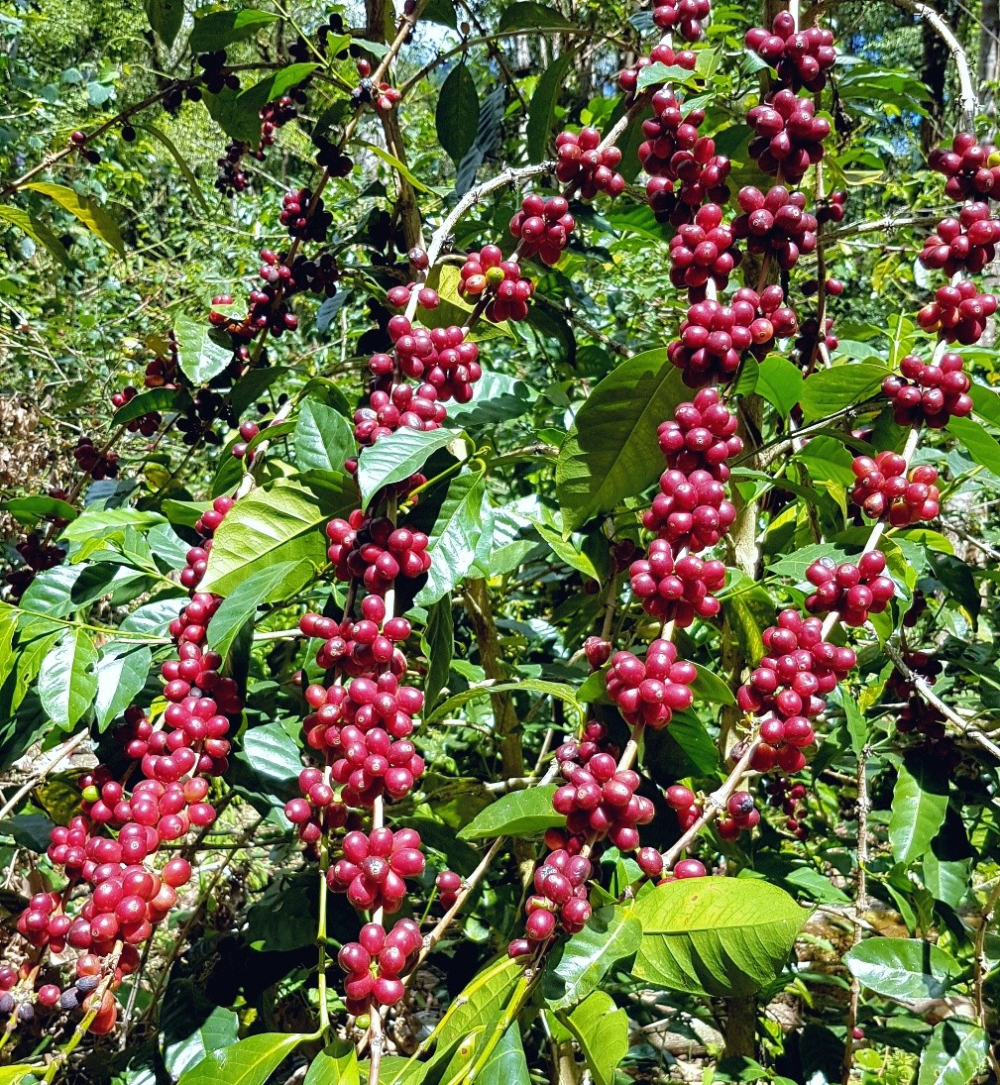
Green Tip vs. Bronze Tip Geisha
So what is Green Tip Geisha? There are two known Geisha types, Green Tip and Bronze Tip, named for the appearance of the tree's leaf tips. The general distinction: Green Tip coffee shows prominent florals with very bright acidity, while Bronze Tip offers a smoother, creamier mouthfeel, slightly softer florals, and more fruit character. In recent years Green Tip has repeatedly stolen the spotlight.

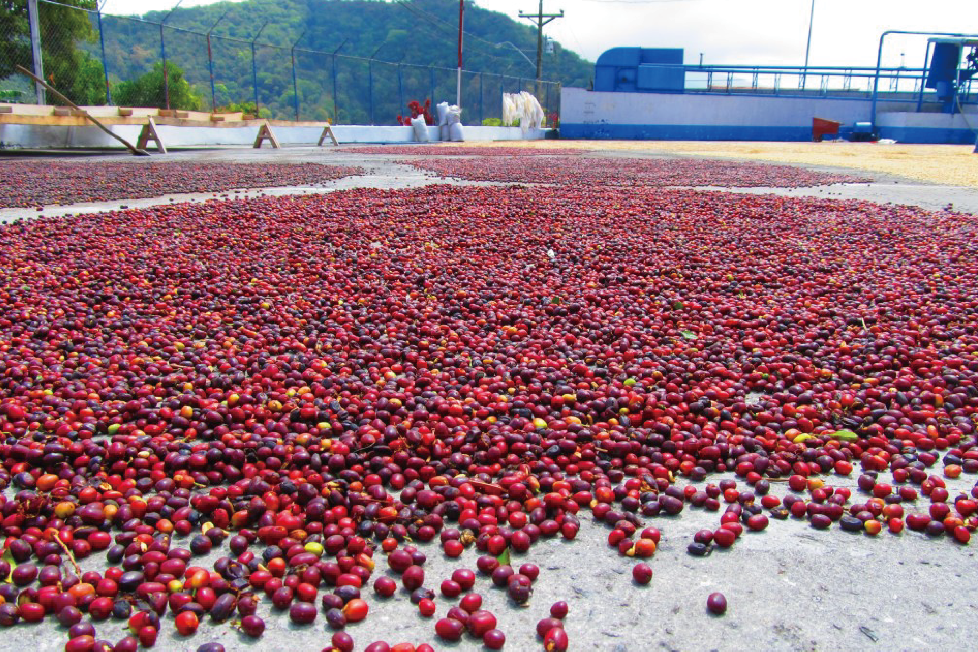
Elida's competition Geisha uses the ASD process, short for Anaerobic Slow Dry, a relatively new technique meaning anaerobic, low-temperature, slow sun-drying. It is laborious: the cherries ferment in airtight containers for a period, then dry slowly. Normal drying takes about 10-15 days; slow drying stretches it to 40+ days.

FrontStreet Coffee's Geisha Experience
As a "collector" of world-class coffees, FrontStreet Coffee naturally didn't let a coffee like this pass by. Some years ago we acquired a batch of anaerobic fermented, slow-dried Geisha from Elida Estate. Grown at 1,900 meters, it offers fresh floral notes with a rush of fruit flavors, orange, guava, grapefruit, apricot, spinning and dancing across the palate.
To preserve Elida Geisha's original florals, FrontStreet Coffee roasts it light, letting the beans slowly release more aromatic compounds during development.

Value and Brewing Methods
Coffee of this caliber commands far higher prices in cafes than ordinary beans. Green coffee from renowned estates like this is hard to obtain at any price, small production, high quality, and sold out soon after release. At FrontStreet Coffee, a standard pour-over costs 30 yuan (already quite affordable), while Elida Estate Geisha is priced at 60 yuan per cup. With coffee this exquisite, brewing matters: below are the parameters FrontStreet Coffee uses, for your reference.
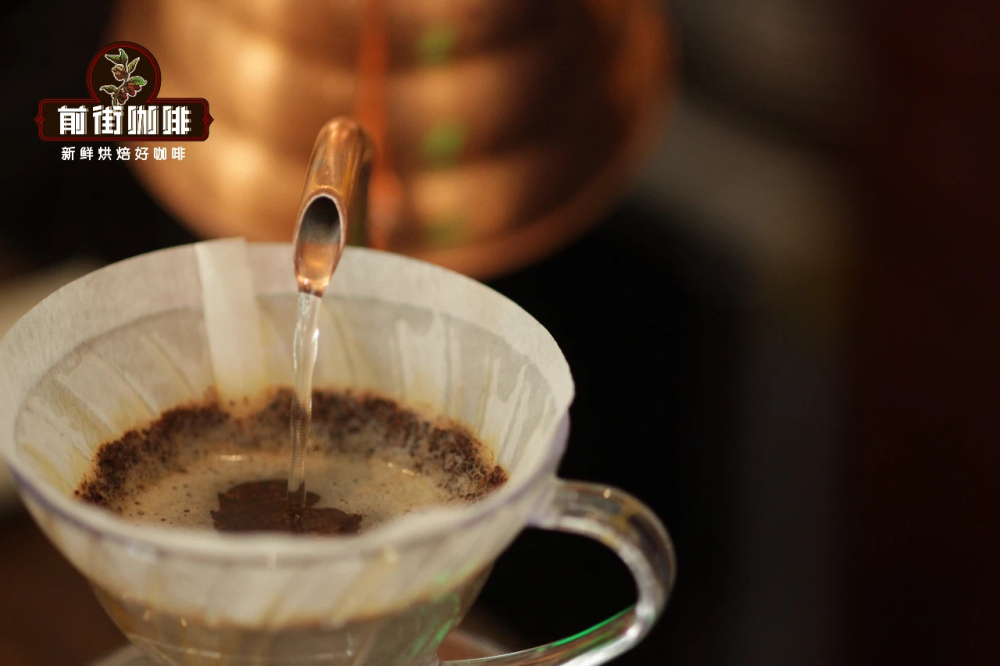
Recommended brewing method: Pour-over
Filter: V60
Water temperature: 90-92°C
Coffee amount: 15 grams
Coffee-to-water ratio: 1:16
Grind size: Medium-fine (Chinese standard #20 sieve, 80% pass rate)
Brewing method: Segmented extraction
Bloom with 30 grams of water for about 30 seconds. Then, in segments, pour 125 grams of water in a small stream circling the center. Once the water level drops and is about to expose the coffee bed, continue pouring to 225 grams to finish. When the level again drops and is about to expose the bed, remove the dripper. (Timing starts from the beginning of the bloom.) Total extraction time is about 200 seconds; 10 seconds more is still within the normal range.
Attentive followers of FrontStreet Coffee's brewing tutorials will have noticed: we usually brew at a 1:15 ratio, but for Geisha we raise it to 1:16. Geisha generally grows at extremely high altitude, where cool temperatures slow maturation and let the beans accumulate more aromatics, and Elida's fertile volcanic soil feeds them further. Experiments at FrontStreet Coffee showed that at 1:15 the cup is too concentrated and the variety's specific character gets lost, while 1:16 presents the most complete, clearest flavor.
FrontStreet Coffee Recommendation
A cup of top auction Geisha is a luxury; if you'd like to taste "Geisha flavor" at a friendlier price, FrontStreet Coffee's Panama Boquete Geisha is our first recommendation for newcomers. This entry-level Geisha delivers the classic Panamanian high-quality profile, orange-blossom aroma with a honeyed undertone, an oolong-tea-like texture, delicate fruit sweetness and acidity, and clearly defined layers, at a fraction of the cost of BOP-winning lots like Elida's. It suits anyone taking their first step into the variety, or anyone who loves floral, tea-like cups. Brew it with the same approach described above: pour-over, a slightly higher ratio, gentle segmented pours, and let the cup cool a little so the layered florals and fruit fully unfold.
Important Notice :
FrontStreet Coffee is a long-established specialty coffee roaster in Guangzhou China, selling freshly roasted beans from its own farm in Yunnan as well as dozens of carefully selected single-origin beans from around the world for both pour-over and espresso. The products deliver consistently excellent quality and great value, with shipping within 24 hours. Guangzhou's FrontStreet Coffee shop is recommended by many coffee lovers, and the beans are now available online at the Tmall 。
FrontStreet Coffee has moved to a new address:
FrontStreet Coffee Address: 315,Donghua East Road,GuangZhou
Tel:020 38364473
 Scan and follow the En Gafei WeChat official account. Please indicate that the reprint comes from "En Gafei".