Origin and History of 90+ Lychee Blue Washed Geisha Coffee_How to Brew a Cup of 90+ Lychee Blue Geisha Coffee by Pour-Over
The Origin of Lychee Cello Geisha Coffee
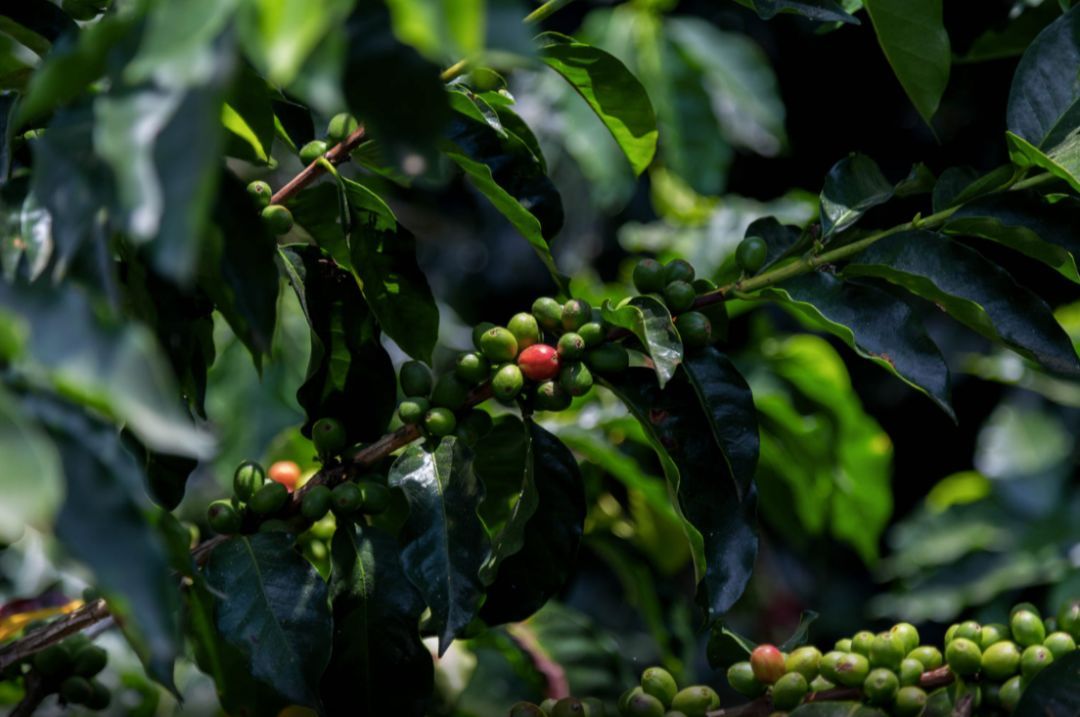
In 2012, Jian Jiacheng, champion of the Taiwan region of the World Barista Championship, visited the 90+ Geisha estate. After tasting the fresh coffee cherries, he was reminded of the lychees growing in his own backyard. That inspired the 90+ team to take the first two letters of "lychee" - "ly" - as the first piece of this coffee's name. And while pondering how to complete it, we happened to be listening to a performance by the genius cellist Yo-Yo Ma. His singular musical perspective and exquisite playing moved us deeply, so we wove "cello" into the name as well. That is the origin story of this "ly-cel-lo" Geisha coffee. Lychee and Cello offers soft lemon, enchanting muscat, memorable basil, and the rose-jasmine florals of Geisha.
2016 Lychee Blue
The 2016 Lychee Blue (Lycello Blue) keeps the "ly" from lychee - because at first encounter, everyone was captivated by its sweet, natural lychee flavor, a mouthfilling sweetness and fullness that made many fall in love at first sip.
Against the backdrop of Cello Blue, Geisha's distinctive uplifting brightness touches the heart, while the deep, full-bodied melody beneath lets you settle down and savor the lingering gentle rose and jasmine that follow the lift - the deep sweetness of an oolong-Earl Grey tea register, striking pine and cherry notes cushioned by hazelnut cream, and the outstanding lychee-sweet-grapefruit character that emerges as the cup cools, growing sweeter the colder it gets. Lemon soda and sweet-tea impressions lend a charming champagne-toned finish.
Understanding Ninety Plus Processing Methods and Grading
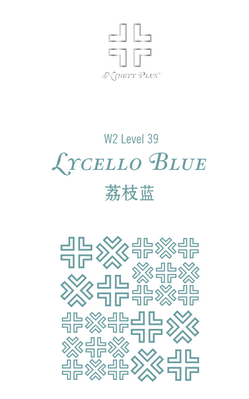
This W2 Level 39 Lychee Blue from Ninety Plus deserves a brief explanation of the company's processing methods and grading system. Beyond Ninety Plus's exclusive special processes, the conventional methods are: W2 = WASHED; H2 = Honey; N2 = NATURAL.
Ninety Plus also grades by processing level, simply called "levels." The system runs as follows:
❤ Level 7: Single-estate harvest. Rare varieties with delicate flavors and special character are hand-selected, then processed through Ninety Plus's unique methods to a standard exceeding "Ninety Plus."
❤ Level 12: Single-estate harvest. Coffee at this level represents an unforgettable taste in the career of any coffee professional - Hachira is a fine example.
❤ Level 21 (L21), Level 39 (L39): Mostly Geisha varieties grown at Ninety Plus's own Panama estates; the specially Red-processed Ethiopian Nekisse Red also belongs to Level 39 (L39).
❤ Level 95 (L95), Level 195 (L195): Beans from premium micro-environments on the Panama estates, processed with patented drying technology and lengthy selection, achieving the highest taste standards in the design. Most are processed under the personal supervision of founder Joseph, and annual output may reach only ten to a few dozen kilograms - collector's territory.
This Lychee Blue may confuse some friends. Among the new varieties of 2016, four beans were upgraded and improved, and Lychee and Cello was one of them. Tasting it reveals soft lemon acidity, lychee-like sweetness and tang, and cashew-like nuttiness - so the name was duly changed to Lychee Blue, and the level was raised from the original 21 to 39.
FrontStreet Coffee's Three-Stage Pour-Over Method
Today we introduce the hand-pour method FrontStreet Coffee uses most for Geisha: the three-stage method.
Three-Stage Pour-Over Method
Segmented extraction: one total water volume divided into three pours.
Suitable for light, medium-light, and medium roast coffee beans.
Uses a Kalita wave dripper.
Extend the bloom time or add more pour pauses to intensify the coffee's flavor.
Three-Stage Pour-Over Segmented Extraction
Advantages: More layered than single-pour methods, clearly separating the coffee's front, middle, and back flavor stages. The technique increases the water volume after each stage, typically pouring just as the liquid is about to drop to the surface of the bed, using small, medium, and then large flows for the three stages.
Disadvantages: Demands more of your flow control and pouring precision.
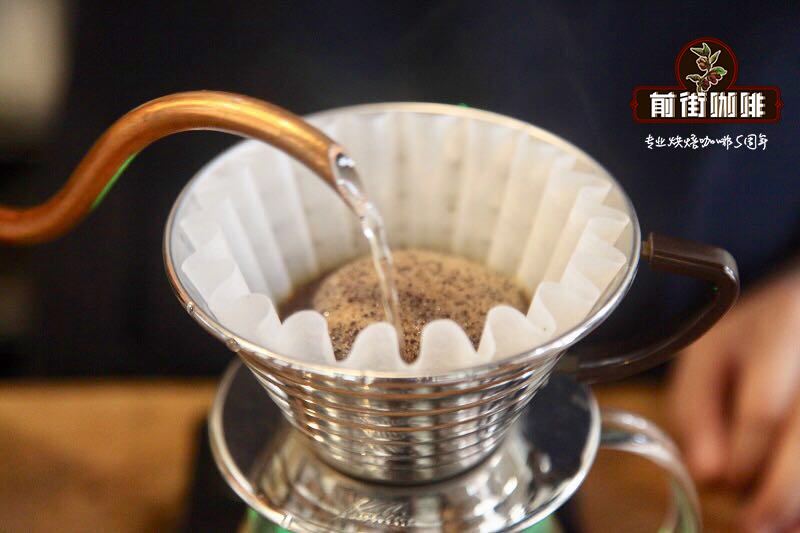
FrontStreet Coffee's Geisha Coffee Pour-Over Parameters
The wave dripper brews by immersion, increasing the contact area between grounds and water. Compared with a V60, it enhances texture and produces a thicker mouthfeel.
15g coffee, water temperature 91-92°C, grind BG 5R (64% pass rate on the Chinese standard 20-mesh screen), water-to-coffee ratio close to 1:15-16.
Technique: Bloom with 27g of water for 30s. Pour the hot water from the kettle in clockwise circles centered on the middle of the dripper. Start timing as brewing begins; pour to 27g, stop, and wait 30 seconds.
For the first pour, circle as before but slightly slower, speeding up a touch as you reach the outer ring. Stop pouring at around 1'15". When the liquid level drops by 1/3, pour again. The second pour should concentrate on the center, avoiding the seam where the grounds meet the filter paper to prevent channeling. End extraction at around 2'05". The tail section can be cut off - the longer it runs, the more astringency and rough texture build up.
Pour segments: 30-125-230g.
FrontStreet Coffee Recommendation
If rare Geishas like Lychee Blue have you hooked, there are several directions worth exploring. For the legendary Panamanian profile, FrontStreet's Esmeralda Red Label Gesha ("Esmeralda Special") grows at 1600-1800 meters and must cup above 90 points per batch, with every lot drawn from a single plot - try our Harimu micro-lot to taste one specific corner of the estate. The Green Label ("Private Collection") blends multiple high-altitude plots into the estate's signature Gesha character at a more accessible price.
For a gentle first taste of Geisha at everyday prices, our Boquete Gesha from Panama is the ideal entry bean - orange-blossom sweetness, oolong-tea texture, and delicate fruit acidity. And if you love the fruity, playful side of Lychee Blue, try the Strawberry Candy blend, which pairs Panama Geisha with Costa Rican raisin-honey-processed coffee for florals, raisin and blueberry aromas, soft acidity, and an almond finish - wonderful as pour-over, cold brew, or even moka pot coffee.
Important Notice :
FrontStreet Coffee is a long-established specialty coffee roaster in Guangzhou China, selling freshly roasted beans from its own farm in Yunnan as well as dozens of carefully selected single-origin beans from around the world for both pour-over and espresso. The products deliver consistently excellent quality and great value, with shipping within 24 hours. Guangzhou's FrontStreet Coffee shop is recommended by many coffee lovers, and the beans are now available online at the Tmall 。
FrontStreet Coffee has moved to a new address:
FrontStreet Coffee Address: 315,Donghua East Road,GuangZhou
Tel:020 38364473
 Scan and follow the En Gafei WeChat official account. Please indicate that the reprint comes from "En Gafei".