Costa Rica Tarrazú | Red Honey Process Tobosi Estate VS Washed Canet Estate
Costa Rica Tarrazu Region | Differences between Tobosi Estate Red Honey and Canet Estate Mozart
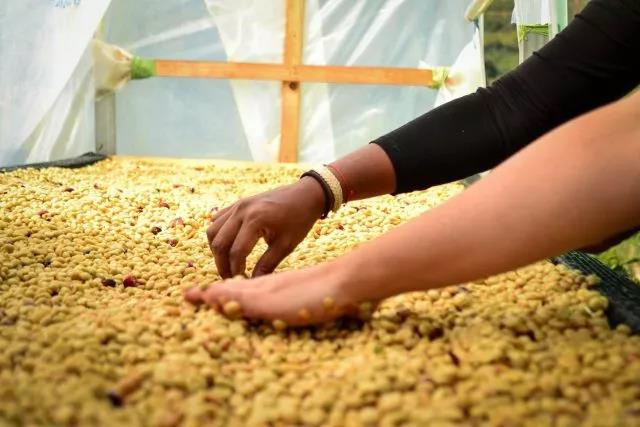
Coffee cultivation in Costa Rica began in 1779 with plants introduced from Cuba, and the first coffee exports followed in 1820. Today there are roughly 32,000 coffee farmers, each cultivating on average less than one hectare (10,000㎡). Costa Rica had a population of 4.1 million (2006), with coffee covering 82,500 hectares and annual production of 1.7 million bags (60kg each). Domestic consumption runs about 380,000 bags a year, average per capita consumption is 5.5kg annually, higher than Japan's 4kg and far above Taiwan's just over 1kg. By ICO statistics, Costa Rica produces approximately 1.6 million bags of Arabica each year. The volume may not match Central American neighbors like Guatemala or Honduras, but Costa Rican coffee excels in both quality and price.
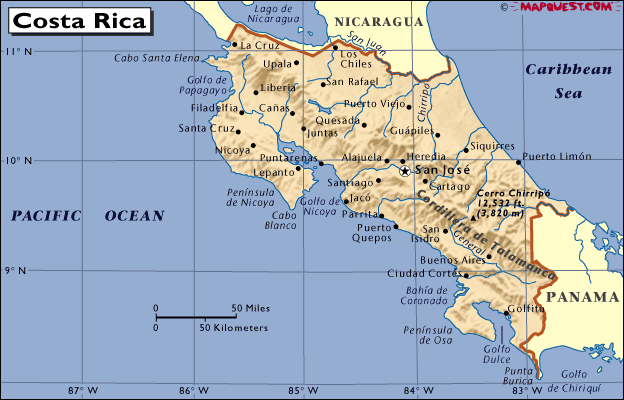
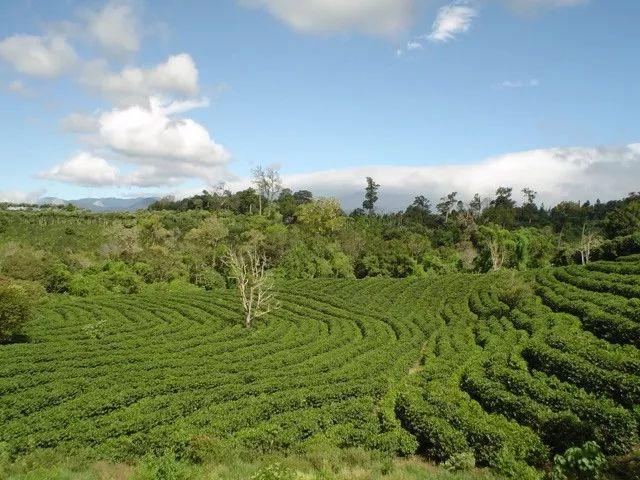
Costa Rica was the first Central American country to cultivate coffee, with a long history and a complete production-and-sales system. Sitting on the Central American isthmus with numerous volcanoes, the country enjoys abundant sunshine and fertile land, and its climate is tempered by Pacific and Atlantic currents and sea breezes, giving its coffee distinct microclimate and terroir character. In both quality and quantity, Costa Rican coffee has earned steady worldwide recognition and ranks among the world's finest. Many of its volcanoes rise to 2,000 meters, letting coffee cherries mature slowly in fertile volcanic ash soil and cool high-altitude air, developing beans with complete, rich flavor.
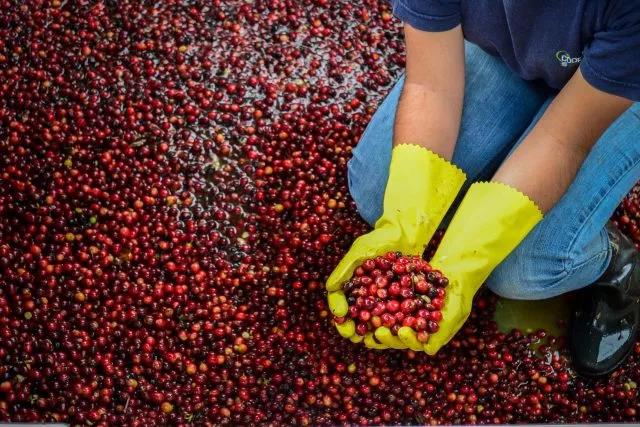
Coffee has been grown here for two hundred years, with the earliest plantings on the slopes of the Poás and Barva volcanoes, today's Central Valley region. Costa Rica now has eight main producing regions: Guanacaste, West Valley, Central Valley, Turrialba, Orosi, Tres Ríos, Tarrazú, and Brunca. Of these, Tarrazú, Central Valley, and West Valley are the three most renowned and highest in quality.
Costa Rica has two distinct seasons: the dry season from December to April, which coincides with the harvest, and the rainy season from May to November. In recent years countless micro-mills have been built, requiring only 5% of the water of traditional wet mills and no large water tanks or drying patios, a far smaller investment. "Honey process coffee," marked by low acidity, greater complexity, and rich sweet aromas, has become one of the industry's most competitive products in recent years, and the standout lots have shone in major competitions, greatly raising the international profile of the estates behind them.
The Famous Honey Processing Methods
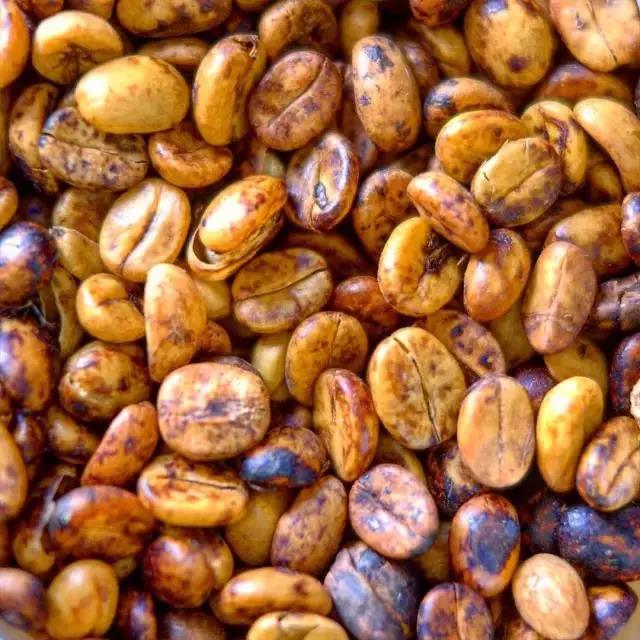
Honey processing, Honey Process or Miel Process, produces what is called honey coffee. Estates in Costa Rica, Panama, and Guatemala have all adopted it. In essence, honey processing means producing green beans by sun-drying the cherries with the mucilage retained.
Estate owner Mena developed a unique "sweet juice" honey process, which he calls the sweet sugar process: the juice generated while milling the coffee cherries is used to soak the parchment beans during processing. Because the cherry juice carries high sweetness and unique enzymes, the finished parchment beans hold richer flavors and more complex positive characteristics.
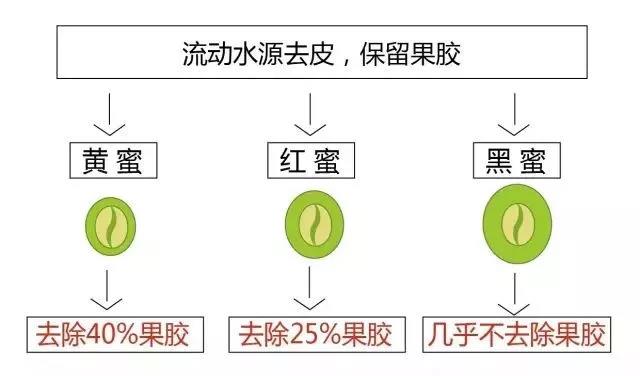
Yellow Honey, Red Honey, Black Honey, What Are the Differences?
Farmers classify their honey lots by how much mucilage is left on: some retain less so the beans dry faster, others retain more and accept a longer drying time.
Tobosi Estate (Finca Tobosi) classifies its honey processes differently from other estates, as follows:
White Honey (50% mucilage retained)
Yellow Honey (60% mucilage retained)
Red Honey (80% mucilage retained)
Black Honey (100% mucilage retained)
Honey coffees generally strike an excellent balance between sweetness and fruity acidity. Their flavor is typically not as intense as a natural's but cleaner and more aromatic. The key lies in the sugars and acids of the mucilage layer: during drying the sugars grow ever more concentrated and gradually penetrate into the bean.
The harvest typically runs from January to April. With estate temperatures of only 10-20°C, ripe cherries can often still be found waiting to be picked in April. Simply put: the more mucilage retained, the richer and sweeter the final cup. The mucilage contains the highest fructose content of the coffee fruit and is the main driver of fermentation during processing, it supplies roughly 80% of the nutrition during drying. Yellow honey retains 60% mucilage, red honey 80%, and black honey removes almost none.
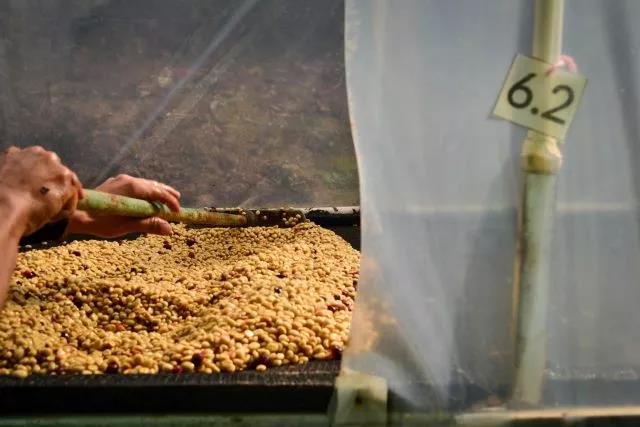
Tobosi Estate
Tobosi was established in 2010 at an altitude of about 1,450 meters, focused on supplying high-quality specialty coffee with the ambition of becoming a leader in the field. It works to ensure every product is grown under transparent, fully traceable systems, and all quality services and manufacturing processes follow environmental principles.
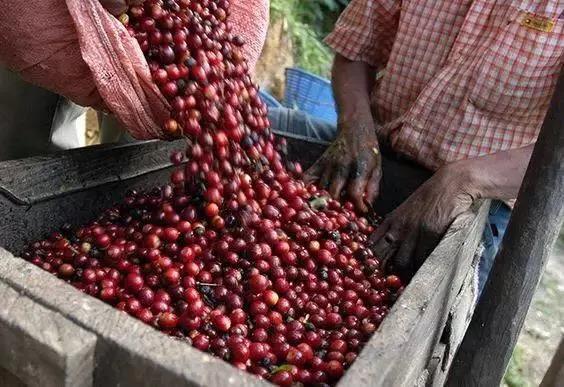
Toward that goal, Tobosi operates two farms: Tobosi and Copey. Tobosi was originally an ornamental-plant estate and is now planted with 20 hectares of coffee. Copey is a high-altitude forest of roughly 12 hectares planted primarily with Geisha. Tobosi pursues perfection in cultivation, choosing plots that best express coffee character based on altitude differences, environmental monitoring, and soil analysis, to ensure ideal growth and ample nutrition. Mario, with 19 years of experience, runs quality control, he previously worked as a dedicated roaster and cupper for COE. The estate harvests entirely by hand, which allows complete understanding of cherry maturity and traceable management, so customers can follow quality, harvest dates, and every related process.
Grupo Los Grande de Copey S.A. (Hacienda Copey), established in 2011, groups three estates: Hacienda Copey, Tobosi Estate (Finca Tobosi), and Finca Don Antonio. Finca Tobosi sits a two-hour drive south of San José, the Costa Rican capital, and has been owned by the Jorge Bernes family since 2010.
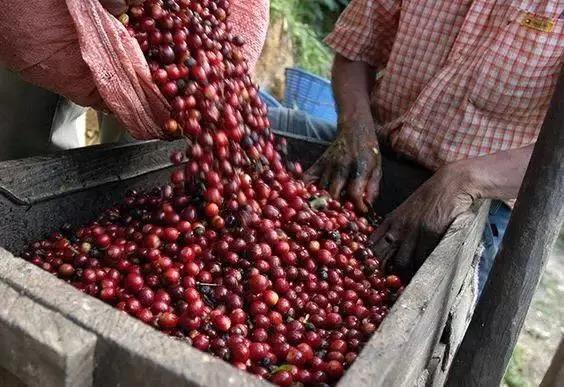
Jorge Bernes comes from a coffee family that has grown coffee since his grandfather's generation, among the pioneer growers of the Tarrazú region, and he clearly inherited that cultivation DNA. Finca Tobosi averages 1,500 to 1,600 meters in altitude, grows Red and Yellow Catuai, Villasarchi, and Geisha across 23 hectares. Hacienda Copey, in Dota de Copey, is larger at 90 hectares with altitudes of 1,900 to 2,000 meters; its varieties are similar to Tobosi's, but the different region and special microclimate set it apart. Notably, Finca Don Antonio, another estate under Grupo Los Grande de Copey S.A., took first place in the 2017 Costa Rica COE competition, no accident among such strong competition, and proof of a deep foundation.
Green Bean Analysis
High-quality Costa Rican beans are graded as "Strictly Hard Beans," with the standards as follows:
Strictly Hard Beans (SHB): grown above 1,200 meters (3,900 feet)
Good Hard Beans (GHB): 1,200-1,000 meters (3,900-3,300 feet)
Medium Hard Beans (MHB): 1,000-500 meters (3,300-1,600 feet)
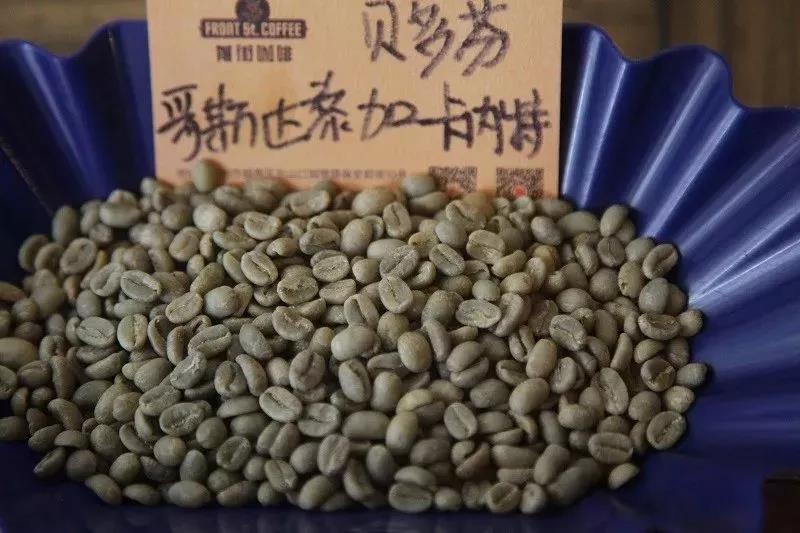
The green beans here are relatively small, with 2% defects and a trace of honey on the surface. An emerald-green color signals high-altitude, slow-grown, fresh coffee.
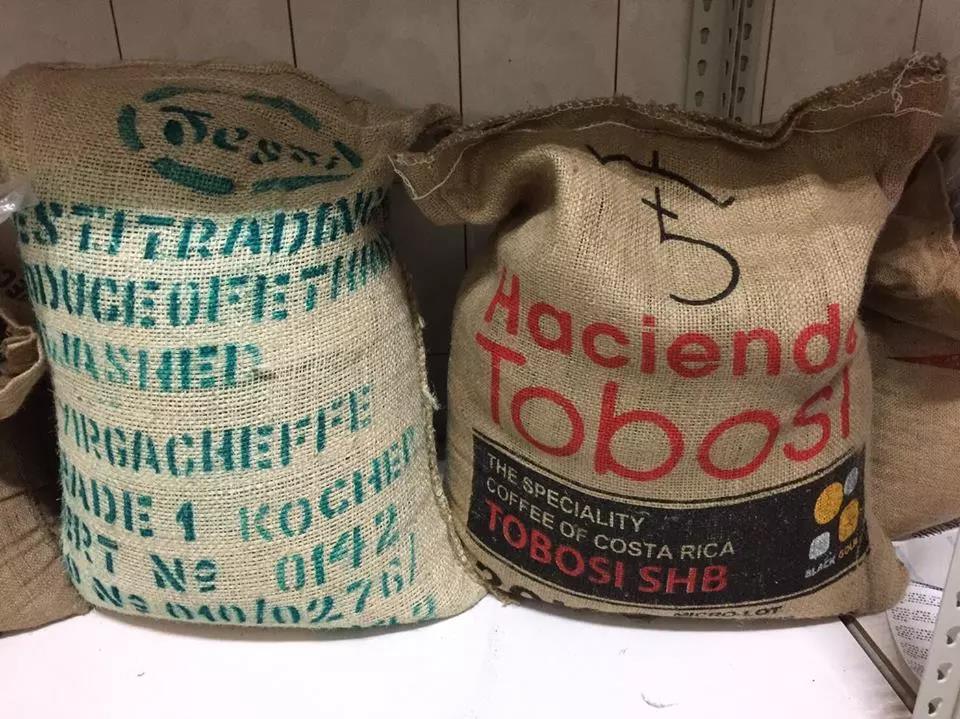
Country: Costa Rica
Region: Tarrazu
Estate: Finca Tobosi
Variety: Catuai
Altitude: 1600 meters
Grade: SHB
Processing Method: Red Honey Processing

Roasting Analysis
Hard bean coffee grows at relatively high altitude, while lower-altitude coffee is generally considered soft bean. Higher altitude and lower temperatures make the fruit mature more slowly, forming denser, less porous beans. Look at the center line of the green bean: the more open the center line, the less dense the bean; a closed center line means higher density.
FrontStreet Coffee suggests recording data before roasting, bean moisture content, density, origin, processing method, roasting-room temperature and humidity, and planning your roasting curve. Log the chemical and physical changes during the roast; this will help you understand the final result and refine the curve.
This is a Catuai variety, honey processed, with high density and uniform bean size, and a full bean body (thicker from center to surface). Roasting approach: stretch the roast longer, after drying completes, adjust the heat once, open the damper to maximum at first crack, and develop for 2 minutes before dropping.
Roasting Curve:

Preheat to 200°C, damper at 3. After 1 minute, reduce heat to 160°C, damper unchanged. Roast to 5'35" at 152°C: the bean surface turns yellow, the grassy smell disappears completely, and drying is done. Adjust heat to 130°C, damper to 4.
At 8'40", pronounced wrinkles and black spots appear on the bean surface and the toast smell clearly turns to coffee aroma, the prelude to first crack. Listen carefully from here. At 9'00" first crack begins; reduce heat to 70°C and open the damper fully (adjust the heat very carefully, too low and the crack will stall). Drop at 196.0°C.

Cupping Report:
Dry Aroma: Floral, creamy, citrus, lemon, sugarcane sweetness
Wet Aroma: Toffee sweetness, white grape, wild berries
Slurping: Plum, sweet orange, peach, grapefruit, a juicy sensation, natural sweetness, delicate mouthfeel, overall perfectly balanced.

Brewing Analysis
The popular European and American stirring bloom method suits lightly roasted beans.
European/American stirring method: stir the bloom in a cross pattern with a stirrer. It is a branch of the three-stage method, developed by Matt Perger after his 2012 World Brewer's Cup championship. The technique effectively boosts the release of aromatic compounds, amplifies the bean's flavor advantages, and builds body without thinning the cup.

Costa Rica Canet Estate Yellow Catuai
Region Introduction
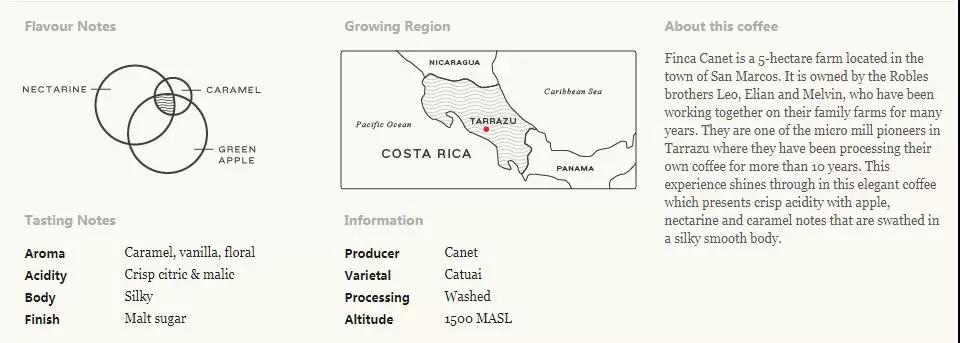
Canet Estate sits in the highest coffee-growing zone of Tarrazú, Costa Rica; Canet is the name of a small farm there. Finca Canet is a 5-hectare estate in the town of San Marcos, Tarrazú, owned by the Robles brothers, Leo, Elian, and Melvin, who have cultivated and produced together for over 10 years and share a small wet mill (beneficio).
For more than three generations the Montero family has grown coffee in Tarrazú's enchanting mountains. Today Carlos and his entire family are involved with the Canet farm, the name of a small farm called Don Eli. With his family's support, Carlos manages cultivation and milling, works across several small farms, and selects the dates and lot separations throughout the process.
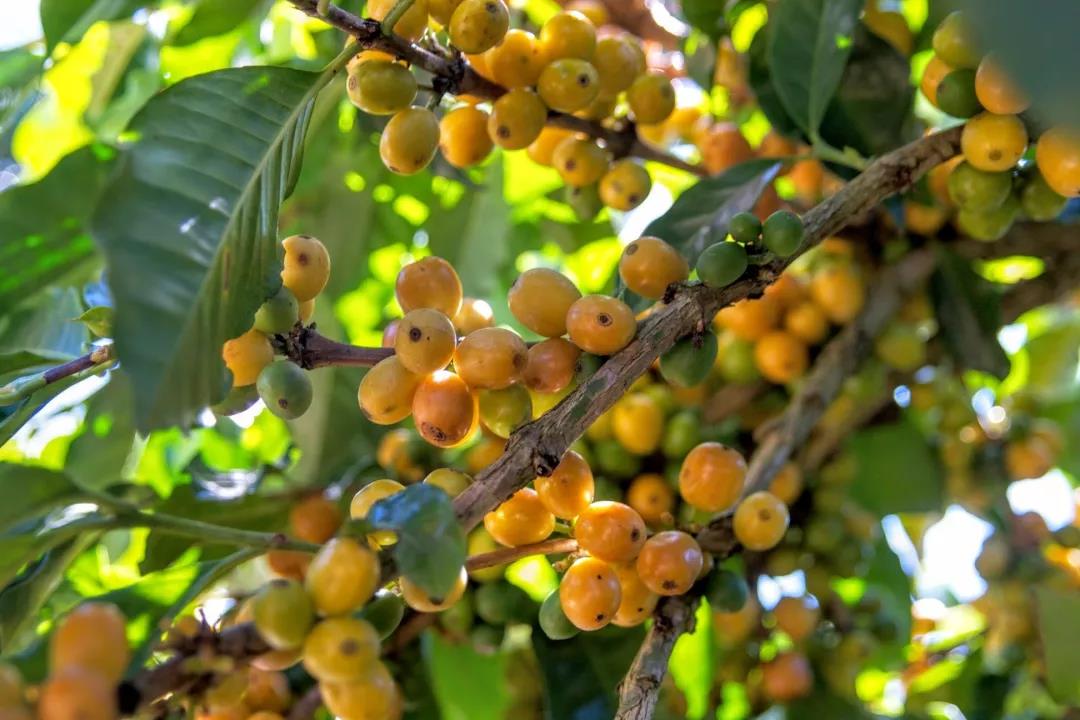
The locals hand-select ripe cherries. This is the most intensive fruit-growing area of Costa Rica, the estate owner primarily grows passion fruit, so coffee is quite scarce: only one specific plot grows coffee, given special care, and only fully mature red cherries are picked. The estate's signature variety is Yellow Catuai.
Yellow Catuai is a cross of Mundo Novo and Caturra, first bred in 1949 by Brazil's Instituto Agronômico de Campinas. Like Red Catuai, it has extremely high disease resistance and suits high, windy sites. Both Catuai varieties also show very delicate, clean acidity.
With machine adjustments, honey process coffee is produced (depending on the degree of honey processing). Canet lies in the highest coffee-growing zone of Tarrazú, where beans are mostly processed as red honey, black honey, and yellow honey. Coffee here is scarce for the reason above, passion fruit dominates, and only mature red cherries from the one cared-for plot are picked.
Canet launched the Musician Series, three different beans, each processed differently to highlight its own character.
Costa Rica Canet Estate - Mozart
Region: Tarrazu
Variety: Catuai
Estate: Canet
Process: Raisin processing method
Altitude: 1800-1900 meters
Grade: SHB
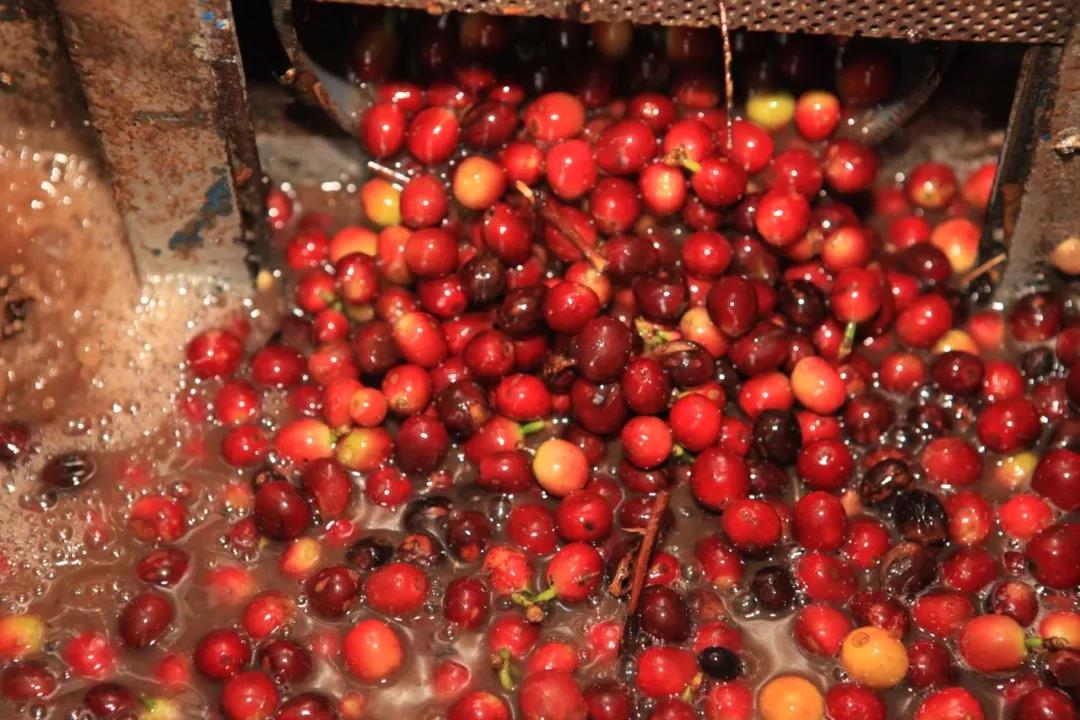
The process is "double fermentation honey processing": the cherries are first dried to a raisin-like state (raisins must come from fully mature fruit, and shade drying works best, the seedless grapes of Turpan in Xinjiang, China are the most famous example, dried quickly in hot, dry air inside brick drying houses whose walls are pierced with holes around wooden racks), then the pulp is removed for honey-process fermentation. The result carries more intense fermentation flavors and higher mucilage retention than other honey processes, said to be a 100% mucilage honey with truly raisin-like flavors.
It is a remarkably sweet process, with a white-wine-like mouthfeel and balanced acidity. The fermentation notes are more intense and the mucilage retention higher than in any other honey process, something like a "noble rot" dessert wine, with honey, dried apricot, raisin, and peach flavors.
Costa Rica Canet Estate - Beethoven
Country: Costa Rica
Region: Tarrazu
Variety: Catuai
Estate: Canet
Process: Washed processing
Altitude: 1800-1900 meters
Grade: SHB
Beethoven has a lively, beautiful personality: rich floral and fruit-acid aromas, with a wind-chime-clear, bright, long acidity that is particularly classic. Floral and fruit aromas rise to fill the mouth with honey sweetness, caramel, jasmine, fresh cherry, blackberry, and lime. It is an outstanding coffee, sweet, colorful fruits (strawberry, apple, lemon, grape, citrus) expressed in many layers, with unforgettable honey and toffee notes, a silky, cream-like delicate body, and an aftertaste like fine Darjeeling tea.

Roasting Analysis
Taking Beethoven as an example:
Yang Jia 800N, 550g of green beans. Specific operation:

Preheat to 200°C, damper at 3.5. After 1 minute, reduce heat to 160°C, damper unchanged. At a furnace temperature of 165°C, adjust the heat once down to 140°C. Roast to 5'30" at 155.1°C: the bean surface turns yellow, the grassy smell disappears completely, drying is complete, damper unchanged.

Wrinkles and black spots appear on the bean surface and the toast smell clearly turns to coffee aroma, the prelude to first crack. Listen carefully from here. At 8'04" first crack begins; reduce heat to 80°C and open the damper fully to 5 (adjust the heat very carefully, too low and the crack will stall). Drop at 194.5°C.
Brewing Analysis
Pour-Over
First, understand the "Mozart" bean. Mozart's cupping notes: sweet, colorful fruits (strawberry, apple, grape, citrus in multiple layers), unforgettable honey and toffee, and a silky cream-like body with a long finish like Darjeeling tea. So our extraction targets are the front- and mid-palate sweet-sour flavors and fermentation notes, plus that smooth aftertaste.
Costa Rican SHB beans grow at high altitude with a hard texture and excellent sweetness and acidity (they resist over-extraction well), so even at a medium roast we can brew with 90-91°C water without worrying much about extracting bitterness and astringency.

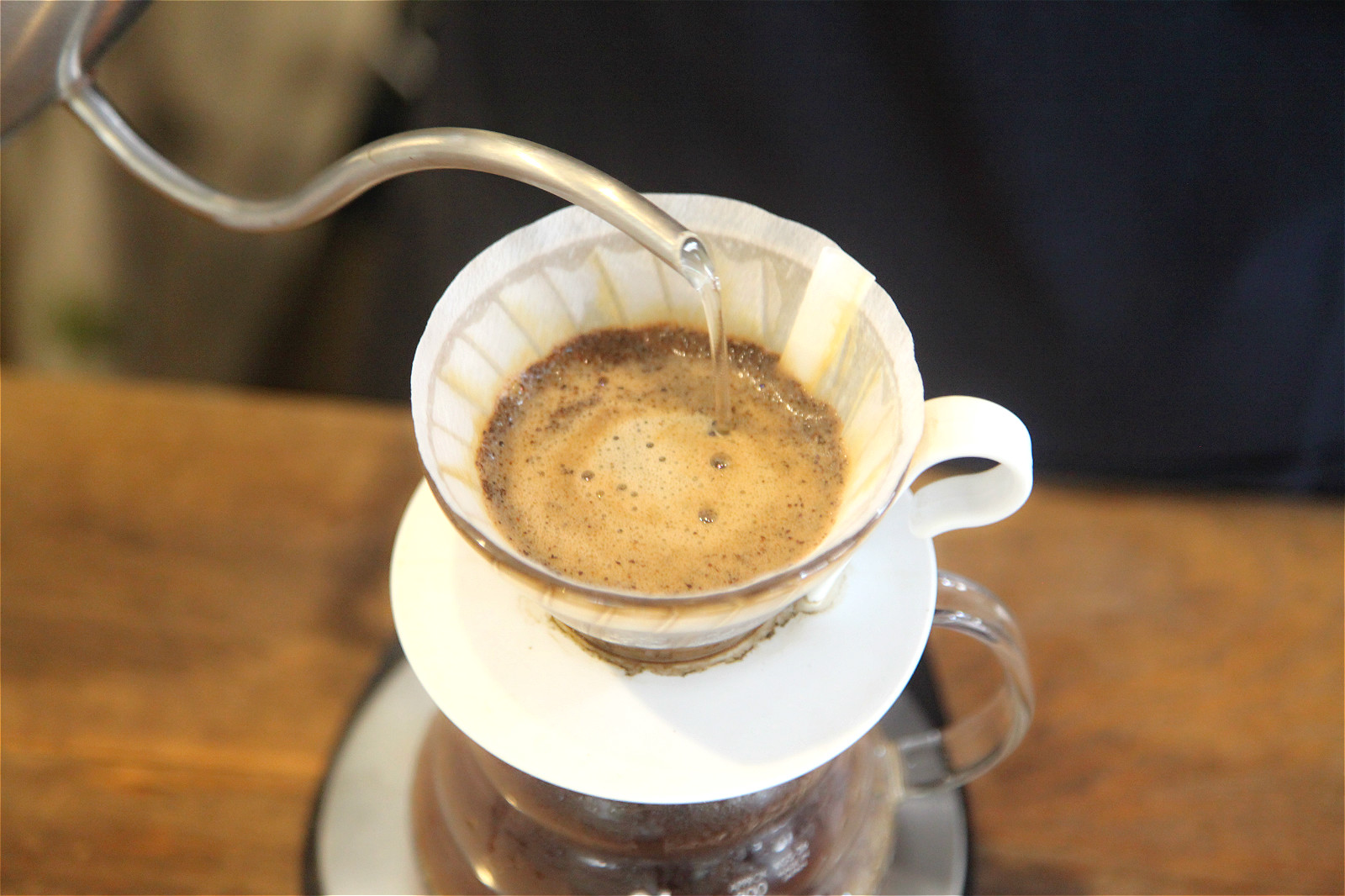
Dripper: Hario V60
Water temperature: 90°C
Grind size: Fuji Mini R3.5 (64% passing through China #20 sieve)
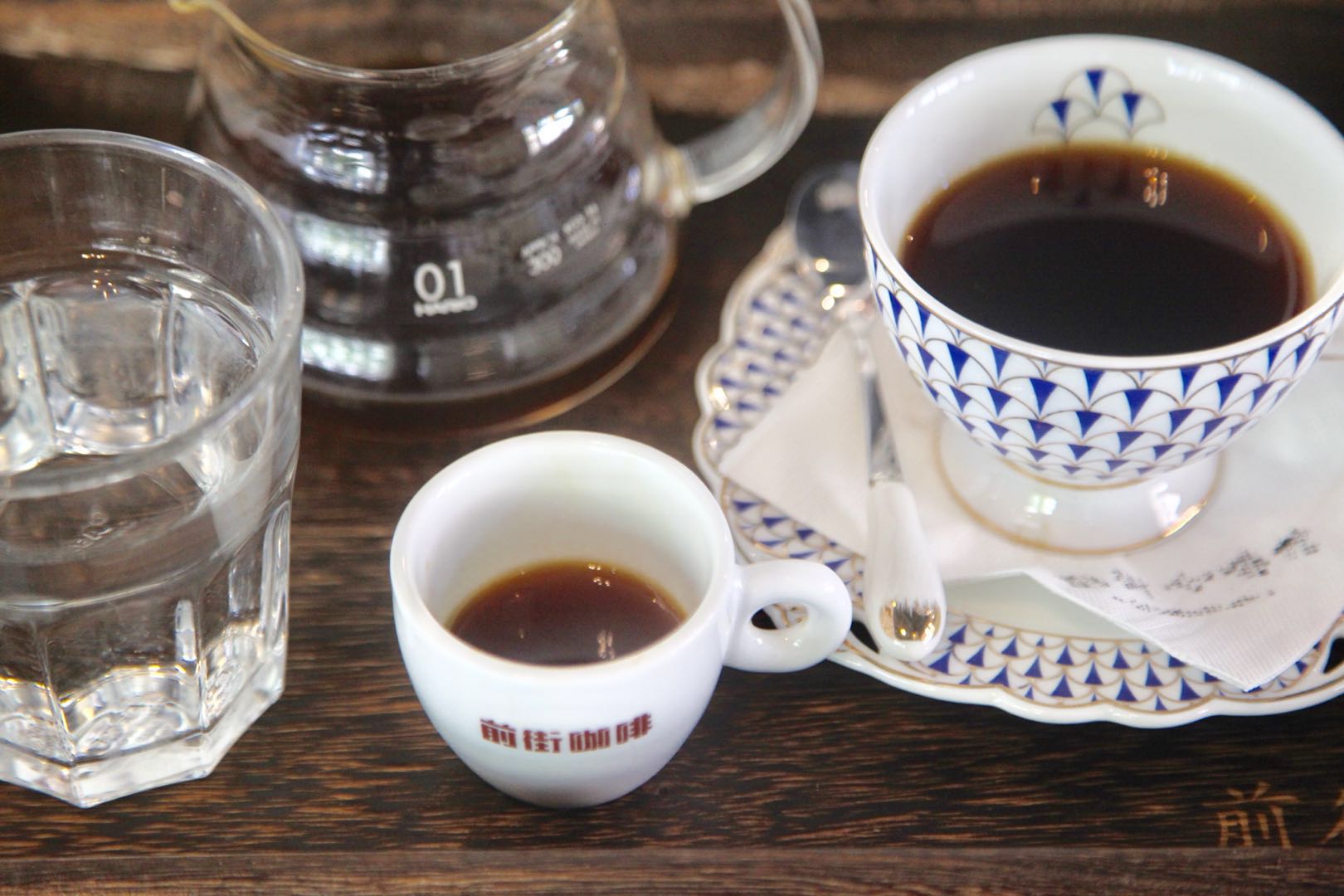
Brewing method: 1:15 ratio, 15g of coffee; first pour 25g of water and bloom for 25 seconds; second pour to 120g, then pause; once the water level drops to half, continue pouring slowly to 225g total, with extraction time around 2:00.
Analysis: three-stage brewing clearly separates the front, middle, and back-end flavors. Because the V60's many ribs drain fast, the pause extends contact time.
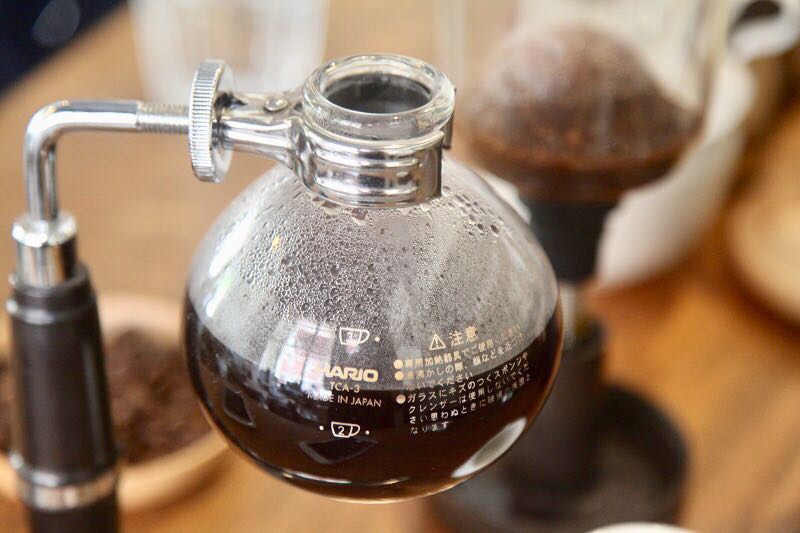
Siphon Brewing Method
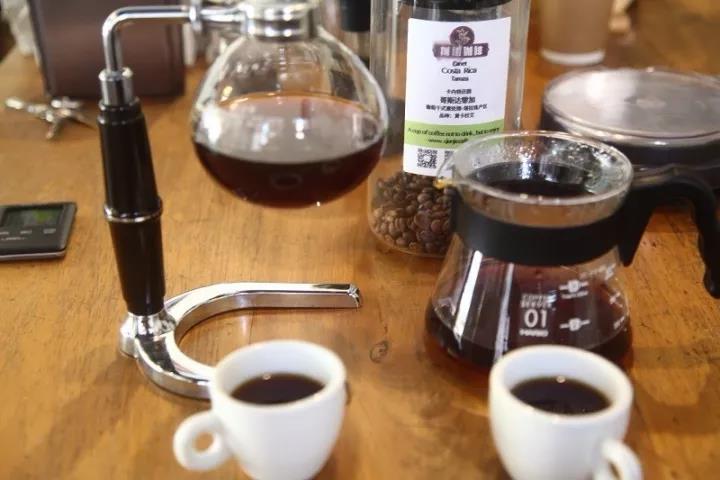
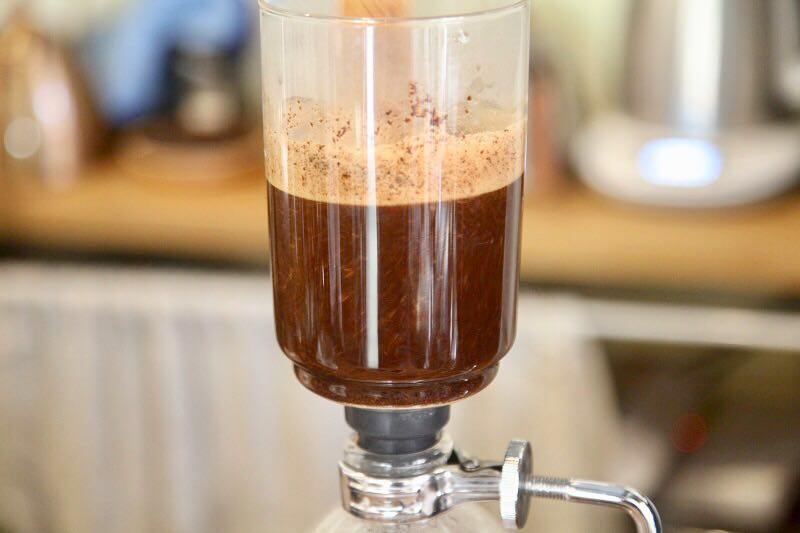
Using the post-addition method: first boil the water until it rises into the upper chamber, then add the grounds and stir.
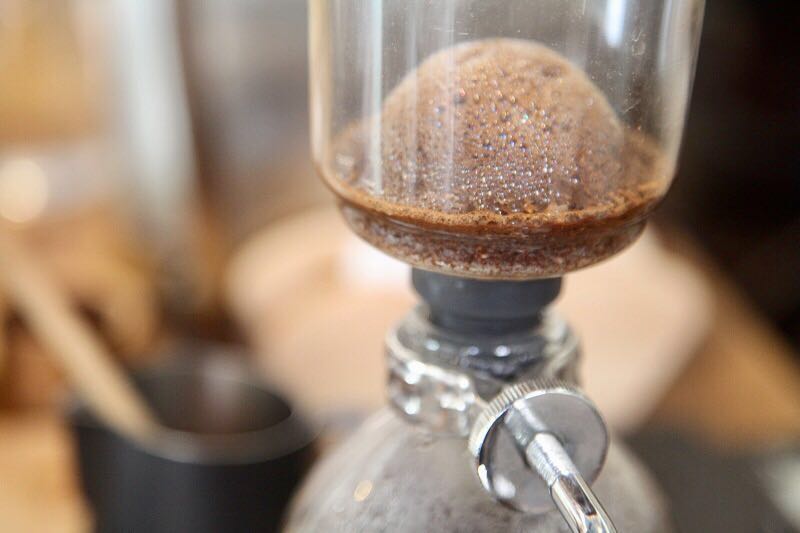
Step 1: Boil until fish-eye bubbles appear and seat the upper chamber tightly. As soon as the hot water rises, check the temperature, 91°C. Adjust the heat until the water column is steady with no bubbles in the upper chamber, then add the grounds. Stir gently in a cross pattern, pressing the grounds down so everything is fully wetted.
Step 2: Bloom for 38 seconds, watch the bubbles in the grounds bed, then perform the first circular stir, three rotations.
Step 3: At 52 seconds, turn off the heat and wait for the siphon to draw the coffee back into the lower chamber.
Conclusion:
In roasting, Beethoven's drop temperature is lower than Tobosi Estate's, preserving more fruit acidity and florals with a freshness-leaning sweetness. Tobosi's drop temperature is higher to express caramel sweetness, roasted with 2 minutes of development after first crack for a sweeter, richer, heavier cup.
The source of sweetness is the mucilage. Honey beans get ample drying time for the sugars to penetrate the bean, while washed beans have those sugars washed away through bacterial fermentation, so their flavors lean more toward acidity. Cupping bears this out: Beethoven's acidity runs somewhat stronger than Tobosi's. Even from the same region, different processes call for corresponding roasting adjustments to express each bean's true character.


FrontStreet Coffee Recommendation
Beyond the classic yellow, red, and black honeys described above, FrontStreet Coffee's Costa Rica Mozart showcases the raisin honey process at its best, the same innovative method Canet uses for its Musician Series Mozart. The cherries are pre-dried on raised beds for at least three days before the skin and pulp are removed for honey fermentation, retaining 100% of the mucilage and using zero water, a process even more demanding than black honey, requiring strict timing. The reward is an unusually rich hot-fruit sweetness: brewed as pour-over, cold brew, or even moka pot, you'll find distinctive notes of osmanthus, pineapple, and raisin. It suits drinkers who love intense, winey-honey sweetness with balance. If you'd like to compare within the honey family, FrontStreet Coffee's Costa Rica Blackberry (black honey, dried at least two weeks under shade cover with regular turning to prevent uneven fermentation) is a medium-light roast that opens with fresh floral aroma and delivers grape, berry, and ripe blackberry flavors in the cup, a perfect contrast to Mozart's raisined sweetness.
Important Notice :
FrontStreet Coffee is a long-established specialty coffee roaster in Guangzhou China, selling freshly roasted beans from its own farm in Yunnan as well as dozens of carefully selected single-origin beans from around the world for both pour-over and espresso. The products deliver consistently excellent quality and great value, with shipping within 24 hours. Guangzhou's FrontStreet Coffee shop is recommended by many coffee lovers, and the beans are now available online at the Tmall 。
FrontStreet Coffee has moved to a new address:
FrontStreet Coffee Address: 315,Donghua East Road,GuangZhou
Tel:020 38364473
 Scan and follow the En Gafei WeChat official account. Please indicate that the reprint comes from "En Gafei".