What is Blue Mountain Coffee? What does Jamaican Blue Mountain Coffee offer? And what is CIB?

Whether or not you drink coffee, you have almost certainly heard of Jamaica Blue Mountain coffee. Browse any online marketplace and you will be flooded with listings for "Blue Mountain flavor" and "Blue Mountain blend" products. What is it about Blue Mountain that has made it such an enduring name? Let's dig into the fascinating story behind this legendary coffee.
The History of Jamaican Coffee
The story of Jamaican coffee reaches back to the 18th century. In 1717, King Louis XV of France ordered that coffee be cultivated in Jamaica. In the mid-1720s, Jamaica's Governor, Sir Nicholas Lawes, imported Arabica seeds from Martinique and began promoting cultivation in the St. Andrew region, introducing coffee trees to the Blue Mountain range. Jamaican coffee was divided into distinct grades: high-altitude Jamaican Blue Mountain coffee, High Mountain coffee, and Jamaican coffee — with each grade commanding a different price.
The Blue Mountain Range
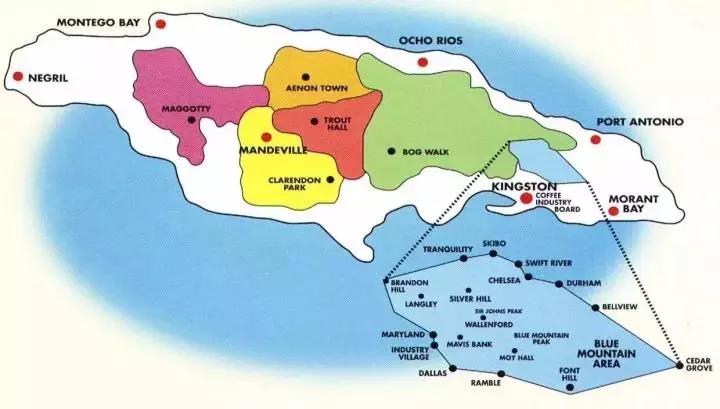
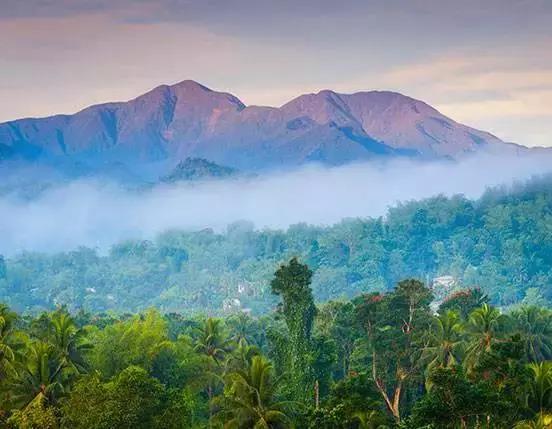
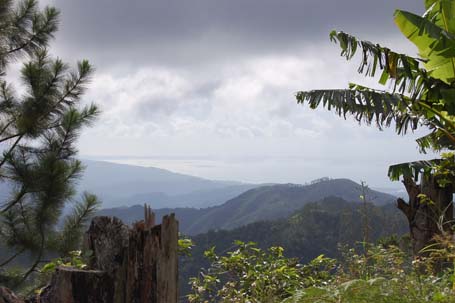
The Blue Mountain Range lies in eastern Jamaica. The mountains take their name from a striking optical effect: on clear days, when the sun strikes the azure Caribbean Sea, the peaks reflect a brilliant blue haze. The highest peak rises to 2,256 meters — the tallest in the Caribbean — and is a famous tourist destination. Sitting squarely in the coffee belt, the region enjoys fertile volcanic soil, fresh unpolluted air, a humid climate, and near-constant fog and rain, with average precipitation of 1,980 mm and temperatures around 27°C. These conditions created the world-renowned Jamaican Blue Mountain coffee — and, for a time, the world's most expensive coffee.
True Blue Mountain coffee is grown under some of the most favorable conditions anywhere in the coffee world. Jamaica's weather, geology, and topography combine into an ideal, naturally blessed terroir. Designated Jamaican Blue Mountain coffee may only be grown in the Blue Mountain area of eastern Jamaica, north of Kingston. The ridge that traverses the island extends to its eastern end, where the range tops 2,100 meters. The cool, foggy, frequently rainy weather keeps this fertile land perfectly balanced in rainfall. Farmers here use mixed planting, cultivating coffee on terraces alongside banana and avocado trees.
Harvesting Challenges
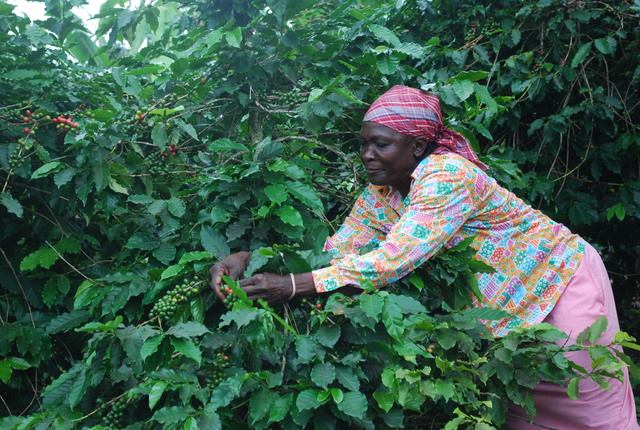
The mountains are extremely rugged, which makes harvesting genuinely difficult — and the pickers are almost exclusively women. With coffee trees clinging to steep slopes, only skilled local pickers can work the terrain. Selecting cherries at just the right ripeness is critical: under-ripe or over-ripe cherries directly compromise cup quality.
Processing Method
Washed processing only. Blue Mountain coffee is exclusively washed.

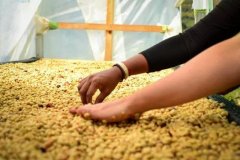
The washed method uses water and fermentation to remove the pulp and mucilage. Farms must build washing channels and have access to a continuous supply of fresh water. The pulp is removed first, and the beans then ferment for 12–18 hours. The fermented beans are worked back and forth in the channels, the friction between beans and the force of flowing water washing them until smooth and clean. After washing, the beans are still encased in parchment with a moisture content of around 50%; they must be dried down to 12–14%, or they will keep fermenting, mold, and spoil. The beans are then sorted and stored in dedicated warehouses. Every one of these steps must be strictly controlled, or quality suffers.
The Three Major Blue Mountain Growing Regions
The designated Blue Mountain region is small — just 6,000 hectares of planting area — so it is simply impossible for every coffee labeled "Blue Mountain" to come from there. Another 12,000 hectares grow the two other categories of Jamaican coffee: High Mountain Supreme and Jamaican coffee.

St. Andrew remains one of the three classic Blue Mountain growing regions today, alongside Portland and St. Thomas. Several small estates also grow Blue Mountain coffee, such as Wallenford Estate, Silver Hill Estate, and J. Martinez's Atlanta Estate. Even the largest landholders in the region are considered small by international standards, and many are family farmers whose families have worked the same land for two centuries.
Marks that can identify the origin of Blue Mountain coffee include M.B.C.E. (Mavis Bank Central Factory), M.H.C.C.T. (Mavis Hill Coffee Cooperative Terminal), P.X.X.S.H. (Portland Blue Mountain Coffee Cooperative), the Coffee Industry Board (Wallenford), the Coffee Industry Board (St. John's Peak), and J.A.S. (Jamaica Agricultural Society), among others. Some estate-level coffees are also identified on their wooden barrels.
The Major Blue Mountain Brands
Clydesdale
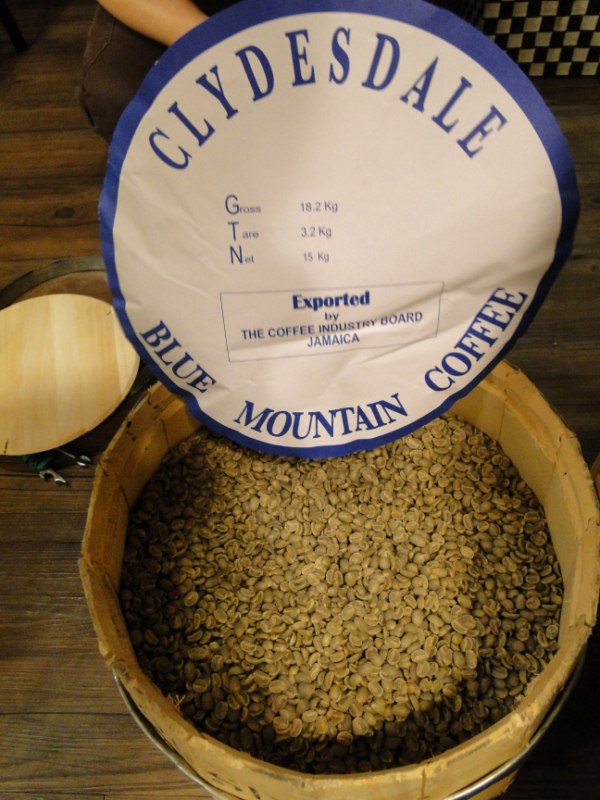
The estate is named CLYDESDALE, and the company's coffee factory sits in the backyard of the CIB office building. The estate occupies a Blue Mountain mountainside at around 1,200 meters. Jamaica's two other most famous Blue Mountain companies are Wallenford and Mavis Bank, both originally state-controlled enterprises. Wallenford's output exceeds 60% of all Jamaican Blue Mountain production, while Mavis Bank's exceeds 20%. Mavis Bank is also one of the few Jamaican companies that handles all three Jamaican grades: Jamaican Blue Mountain, Jamaican High Mountain, and Jamaican Prime coffee.
Wallenford

Wallenford Estate sits on the slopes of Mount Catherine, the main peak of the Blue Mountain range, at around 1,524 meters above sea level. The estate began planting Blue Mountain coffee in 1790. The consistently cool, foggy climate produces sweet, plump cherries and yields exceptionally distinctive, high-quality Blue Mountain beans.
Moreover, while the Jamaican government sold off and privatized most estates, Wallenford is the only estate retained and directly managed by the government. Its quality control is the strictest in the industry; rather than chasing commercial expansion, its mission is safeguarding the reputation of Jamaican Blue Mountain coffee.
Three official marks matter here:
- The officially registered logo of the Jamaican Coffee Board, used for certifying and inspecting exported Blue Mountain coffee;
- The officially registered BLUE MOUNTAIN COFFEE® trademark of the Jamaican Coffee Industry Board (CIB), printed on the packaging of authentic Blue Mountain coffee;
- The Wallenford Coffee Company registered trademark, identifying genuine Wallenford Blue Mountain packaging.
Mavis Bank
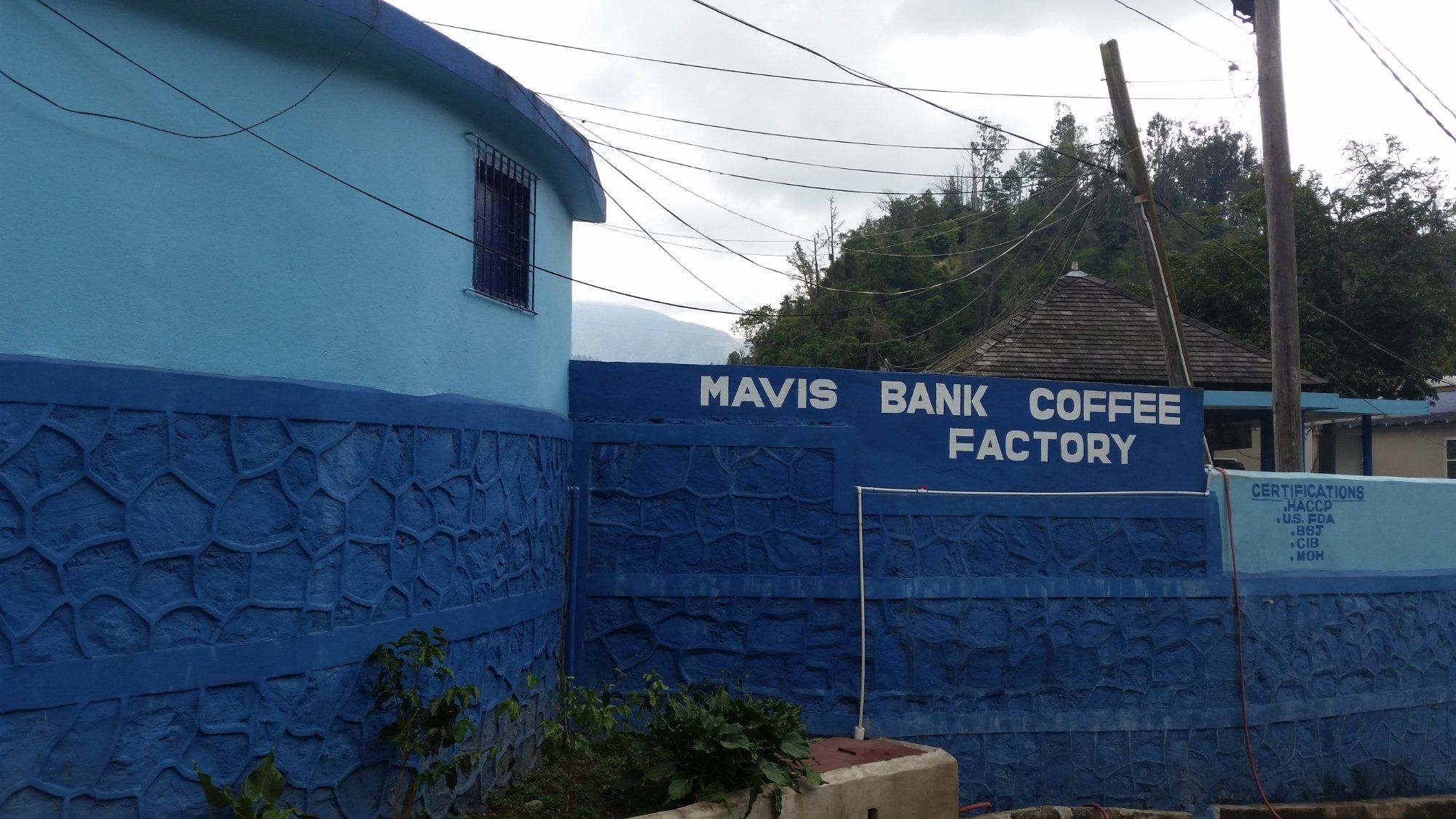
The Munn family began operating Mavis Bank in 1885. The original site, at a slightly higher elevation than today's, was called Strawberry Hill. Mavis Bank processes cherries at high altitude and has invested in brand-new equipment; its trial production improved dramatically thanks to a truly flawless processing pipeline. The cup is mild and smooth with good body — sometimes reminiscent of the aroma of high-mountain oolong tea.
R.S.W. Blue Mountain

R.S.W. Blue Mountain refers to 100% Blue Mountain coffee produced by three estates — Resource, Sherwood Forest, and Whitfield Hall — located in the mountainous southeast of Jamaica at altitudes between 700 and 1,600 meters. The mountains are frequently wrapped in cool cloud and mist, which greatly benefits the coffee trees. After harvest, all the fruit is consolidated at the Sherwood Forest washing station for processing.
Clifton Mount Estate
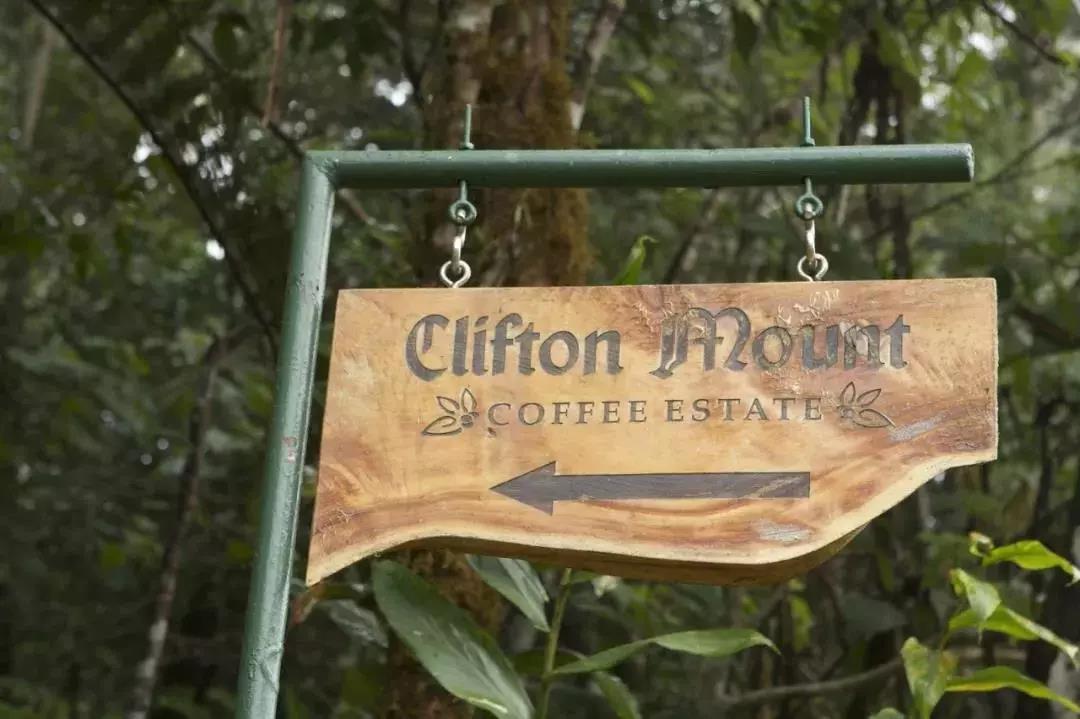
Clifton Mount is the oldest continuously operating coffee-producing area in Jamaica, and it is the only farm in the country holding "Rainforest Alliance" certification. FrontStreet Coffee's Blue Mountain No.1 comes from Clifton Mount, processed in the traditional washed style.
As early as the mid-18th century — around 1750 — Clifton began planting and producing coffee. Its cultivation and processing areas sit at an average altitude of 4,300 feet (1,310.64 meters). Ample elevation, gentle afternoon clouds shading the mountain forest, abundant sunlight, and mineral-rich soils give the coffee trees excellent growing conditions and extend the ripening of the cherries.

Gold Cup
Founded in 2003, Gold Cup is a company jointly established by Dr. Charles Lyn and a team of farmers from the designated Blue Mountain region. Its partners include Mount Lebanon in St. Andrew, at roughly 975–1,280 meters, and Abbey Green Estate in St. Thomas, at roughly 1,158–1,585 meters. The celebrated Abbey Green is also currently one of the largest estates in the Blue Mountain region.
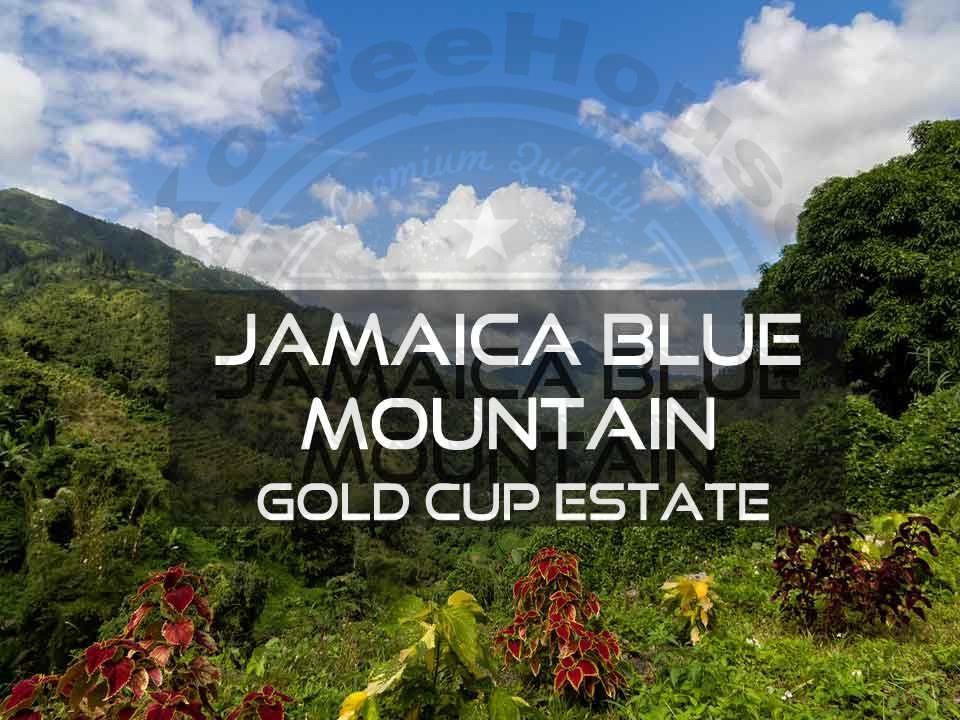
To guarantee quality control, Gold Cup has invested heavily in post-harvest processing — including new pulping equipment — and maintains control at every stage: green bean processing, drying, and sample roasting and testing. It is also the largest shareholder of the well-known BMCP processing plant. Fully ripe red cherries harvested at high altitude in St. Thomas and St. Andrew are delivered to the company's affiliated washing station, where floating beans are removed in the first stage. The lots then move to the Blue Mountain Coffee Processors LTD plant for drying; after selection and sun-drying they are rested for 8 weeks, then re-graded by bean size, density, color, and appearance, and finally cupped to catch any potential flaws. All procedures are carried out under the guidance and supervision of the Jamaica Coffee Industry Board (CIB), executed to Jamaica's strictest domestic standards. The quality of these green beans is best expressed in Gold Cup's flagship brand, "Amber Estate."
Gold Cup currently operates two brands: "Amber Estate" and "BMCP," from the Blue Mountain Coffee Processors LTD plant. The independent Amber Estate line is its top-tier flagship — cherries are 100% sourced from the Abbey Green and Mount Lebanon estates and strictly selected as the highest-quality lots graded by Blue Mountain Coffee Processors.
Blue Mountain's Variety: Typica
The variety behind Blue Mountain coffee is Typica.

Typica's young top leaves are bronze-colored, and its beans are oval or slender and pointed. The trees are tall, with branches angled at roughly 50–70 degrees. The cup is elegant, but the variety is delicate — weak constitution, poor disease resistance, and very low yield per tree.

A signature trait of Typica is the reddish-copper color of its leaf tips, which earns it the nickname "red-topped coffee." The opposite leaves are long and oval with smooth surfaces; the terminal branches are long with few secondary branches. The flowers are white, blooming at the junction of petiole and branch. Ripe cherries resemble bright-red cherries.
Why Did Japan Get Priority Purchasing Rights?
Ask any veteran coffee drinker and they will tell you: for decades, most Blue Mountain coffee went to Japan, making genuine Blue Mountain nearly impossible to find elsewhere. There is real history behind this.

In 1950, the Jamaican government established the Jamaica Coffee Industry Board. The board set quality standards for Jamaican coffee, supervised their implementation, and awarded official seals to exported green and roasted coffee. Because Japanese loans were used to improve production quality, Japan secured guaranteed market access.
By 1981, Jamaica had opened another 1,500 hectares of land for coffee cultivation, followed by investment in a further 6,000 hectares. Even so, the designated Blue Mountain region remains small — just 6,000 hectares — with another 12,000 hectares growing High Mountain Supreme and Jamaican coffee.

According to 2013 export statistics from the Jamaican Coffee Board, of the limited Blue Mountain export quota, 85% went to Japan, 5% to the United States, 5% to Europe, and 5% to other countries. Yet in the global consumption distribution of authentic Jamaican Blue Mountain, International Coffee Association figures put China at 15% of consumption — because a share of the Japanese, Australian, and European allocations is re-exported to Taiwan through direct subsidiaries.
Blue Mountain Classification and Grading
Jamaican coffee has been graded since the 18th century, when the trees were first planted in the Blue Mountain range. The tiers are high-altitude Jamaican Blue Mountain coffee, Jamaican High Mountain coffee, and Jamaican coffee — with price set by grade.

1. Jamaica Blue Mountain Coffee
Both Blue Mountain and High Mountain coffee are further divided into four grades each. From highest to lowest: No.1, No.2, No.3, and PB (Peaberry). Under CIB standards, only coffee grown above 666 meters may be called Jamaican Blue Mountain coffee. The crown jewel is coffee produced in the Blue Mountain region at roughly 2,000–2,256 meters; grown on precarious mountainsides, it is scarce, large-beaned, superb, and harmonious — balancing acidity, bitterness, aroma, body, and sweetness in near-perfect proportion. It is recognized worldwide as a treasure, and Blue Mountain No.1 commands the highest price of all Blue Mountain grades.
2. Jamaican High Mountain Coffee
Coffee produced below 666 meters in the Blue Mountain region is classified as High Mountain coffee — second only to Blue Mountain in quality, and called Blue Mountain's "brother variety" within the trade. Given how tiny Blue Mountain production is, High Mountain coffee is the best entry point for tasting a genuinely Jamaican cup.

3. Jamaican Coffee
Coffee grown outside the Blue Mountain range is simply Jamaican coffee. Chinese coffee professionals long held a misconception that only coffee grown above 1,800 meters within the Blue Mountain region could be called Blue Mountain. In fact, on the mountain crown above 1,800 meters there is only one estate: Amber, owned by descendants of Chinese immigrants — the family surname is Lyn (Lin), with ancestral roots in Guangdong, China. The estate covers just 30 hectares and produces very little. Blue Mountain coffee is mainly distributed across five mountainous areas of the range: John Crow, St. John's Peak, Mossman's Peak, High Peak, and Blue Mountain Peak.
Authentic Blue Mountain Comes With Certification
The Jamaican government long insisted that all Blue Mountain coffee be roasted in Jamaica to ensure consistent quality. But roasting is a delicate craft requiring experience, training, and expensive equipment — and from a consumer's perspective, coffee should be consumed as soon as possible after roasting, which Jamaica-roasted coffee could never satisfy. Green Blue Mountain beans can now be exported.
CIB

Jamaica is the only coffee-producing country in the world with a government coffee management agency — the Jamaica Coffee Industry Board (CIB), subordinate to the Ministry of Agriculture and Fisheries. The CIB's remit spans cultivation guidance, processing training, fair trade, and quality supervision — everything touching the quality and brand of Jamaican Blue Mountain coffee. Its board members are all estate owners holding a certain amount of planting land in Jamaica (and owing to industry consolidation, newly certified Blue Mountain estates now require more than 50 hectares).
The CIB stipulates that only Blue Mountain beans produced at elevations above 2,200 feet in Jamaica may be called Jamaican Blue Mountain. Grades are No.1, No.2, No.3, and PB, hand-sorted by bean size. The baseline standards for No.1 green beans are: beans above 17 mesh, a defect rate below 3%, and moisture content around 13%. To this day, Blue Mountain green beans have only ever been processed one way — washed, with no natural or other methods permitted.

The Coffee Board currently issues certificates for all exported Blue Mountain coffee on the market. There are three kinds:
- A quality certification certificate issued by the Jamaican Coffee Board;
- An authorized sales certificate issued by Blue Mountain coffee manufacturers (Blue Mountain coffee is processed by 4 Jamaican government-licensed processors and exported by 16 licensed exporters);
- A certificate of origin for Jamaican Blue Mountain coffee.
Quality certificates record the date and quantity. The Coffee Board randomly inspects submitted packages of Blue Mountain coffee and issues a certificate only if the sample meets Blue Mountain requirements.
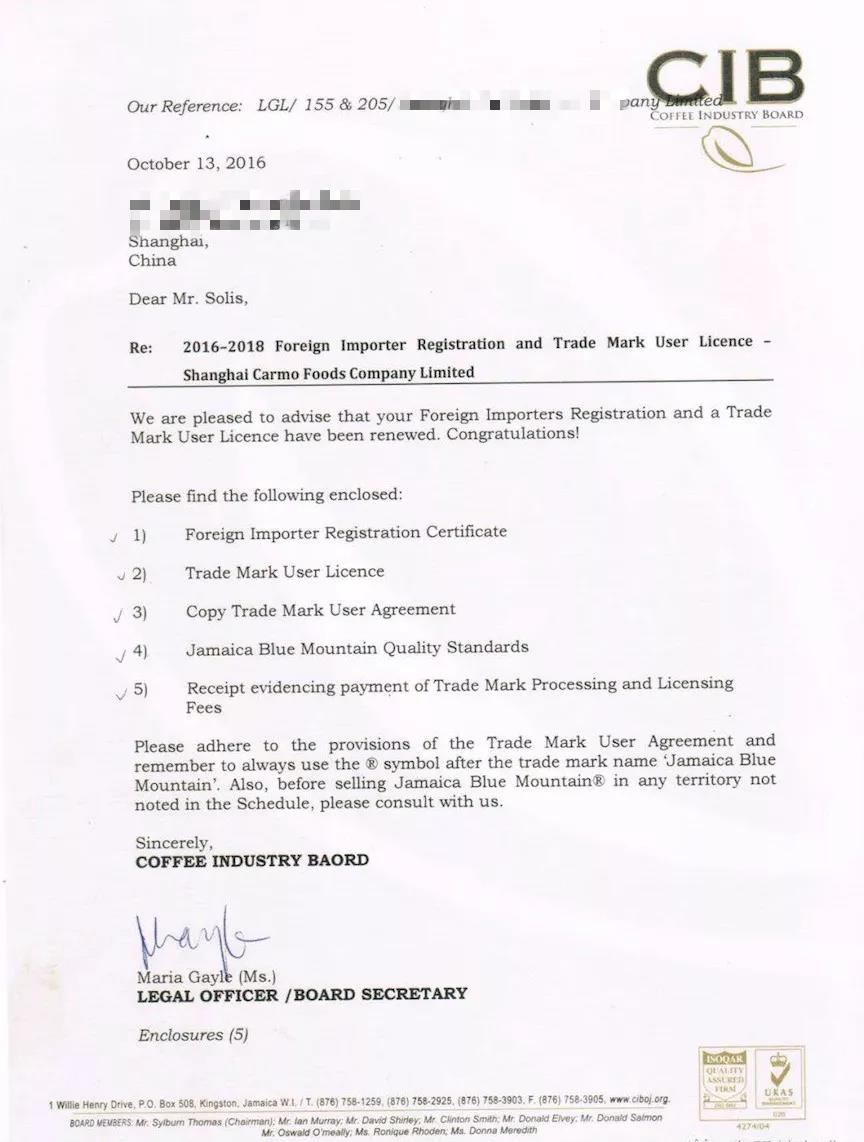
FrontStreet Coffee recently imported Blue Mountain coffee directly from origin, complete with this certification.
Blue Mountain is the only coffee in the world shipped in wooden barrels; every other coffee travels in jute bags. The tradition reportedly dates to the mid-18th century, when empty flour barrels left over from shipments from Britain to Jamaica were repurposed to transport coffee and rum. Today's barrels are made from temperate hardwoods from the United States. Wood naturally absorbs and releases humidity without dramatic swings, cushioning the coffee against sudden temperature changes in transit. Barrels also seal in aroma and preserve quality — at considerably higher cost.
How Should Blue Mountain Be Roasted?

In short: roast Blue Mountain fully, from the inside out, then apply refined technique on top of that full development to express what this bean can do.
Caramelization is the single biggest factor shaping coffee flavor. After 6–7 minutes of roasting, the beans absorb a large amount of heat energy, triggering pyrolysis and first crack. Some sugars convert to carbon dioxide, moisture continues to escape, new aromatic compounds develop, coffee oils form, and hundreds of aromatic substances — nicotinic acid, citric acid, quinic acid, malic acid, acetic acid, caffeine, and more — combine.
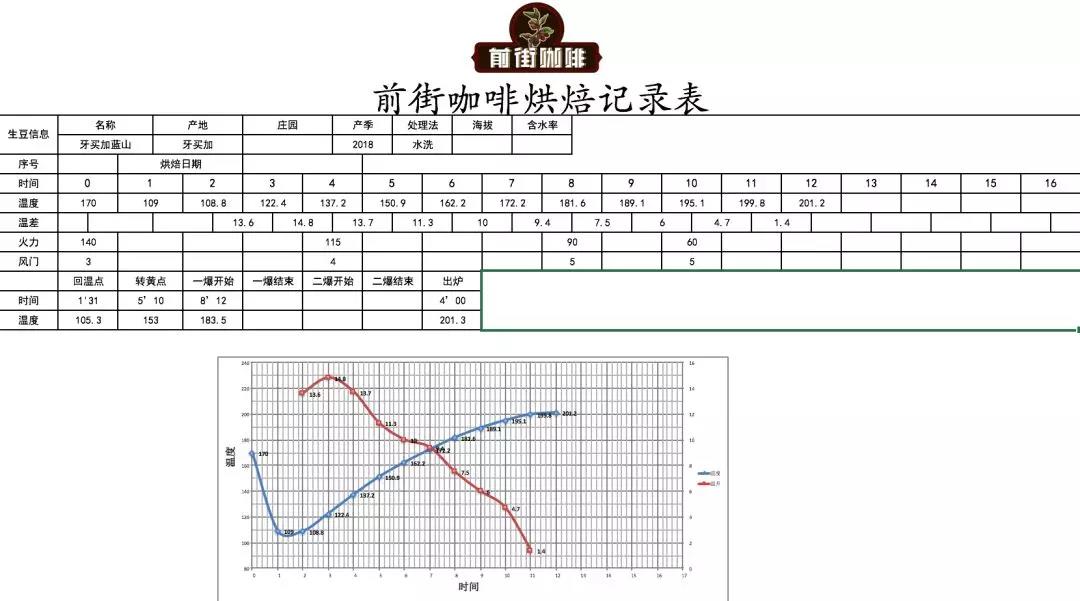
One sample roasting curve: charge the drum at 170°C with the air vent at 3. After 1 minute, reduce heat to 140°C, vent unchanged. At 5'10" the bean temperature reads 153°C, the surface turns yellow, the grassy smell disappears entirely, and drying is complete — reduce heat to 115°C and open the vent to 4.
At 8'00", ugly wrinkles and black specks appear on the bean surface and the toast smell clearly turns to coffee aroma — the prelude to first crack. Listen carefully now. At 8'12" first crack begins; reduce heat to 90°C and open the vent fully (adjust heat carefully — never so low that the crack dies). Drop the batch at 201.3°C.
Cupping
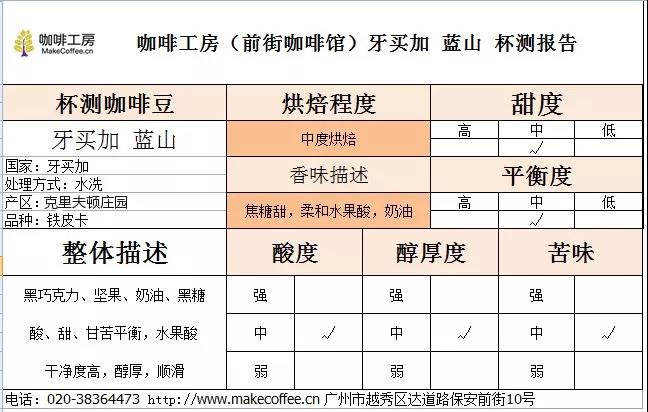
A perfect, subtle balance of acidity, body, and aroma. The acidity is bright and delicate, the body velvety smooth, and the aroma has a gentle penetrating quality with floral, spicy, and citric tones — plus a trace of cocoa in the aftertaste.
The flavor is remarkably clean, complex, and mild, with chocolate sweetness and a very full body. Rich and mellow, it balances coffee's sweet, sour, and bitter dimensions in perfect proportion — no harsh bitterness, only moderate, elegant acidity, and a persistent fruity finish.

Dry fragrance: roasted peanut, hazelnut, melon, chocolate.
Wet fragrance: rose tea, caramel, honey, dark chocolate, almond skin, with a silky mouthfeel and lively brightness.
How Should You Brew Blue Mountain?
For daily brewing, a V60, Kalita Wave, or Kono dripper all work well.

Using the Kono as an example:
Parameters: 15g of coffee, water at 86–88°C, ground to a medium sugar-like coarseness (Chinese standard #20 sieve, 75% pass rate — setting 10.5 on an EK43s), a water-to-coffee ratio close to 1:15, and a total brew time of about 2 minutes.
Technique: pour 30g to bloom for 30 seconds, then pour slowly up to about 125g and stop. Once the water level drops and the coffee bed is nearly exposed, pour again up to 225g.

Tips:
Blue Mountain carries a relatively dark roast. If your water is too hot, the cup turns astringent with a pronounced smoky edge.
How to Spot Authentic vs. Fake Blue Mountain
- Appearance: Blue Mountain green beans are blue-green, remarkably uniform, medium to small in size, with slightly upturned ends. They expand dramatically after roasting, becoming very full.
- Grind: Grown at high altitude, authentic Blue Mountain has a relatively loose cell structure. Rubbed between the fingers, it feels crisp, smooth, and continuous, with no resistance.
- Aroma: The fragrance is rich and dense — so-called "Blue Mountain blend" simply does not smell like this.
- Flavor: Authentic Blue Mountain tastes balanced and full, with no single attribute dominating or missing. This is the decisive test no other bean can pass.

What Is "Blue Mountain Style" Coffee?
So-called "Blue Mountain blend" has, in reality, nothing to do with Blue Mountain. It arose because genuine Blue Mountain was always scarce and expensive: roasters mimicked its taste by blending other beans and roasting dark to approximate the Blue Mountain profile. Honest merchants at home and abroad will tell customers plainly that these are blended, "Blue Mountain blend," or "Blue Mountain style" beans — not authentic Blue Mountain coffee.
Authentic Blue Mountain and Blue Mountain style are two entirely different things. "Blue Mountain blend" beans are mixed from different varieties and differ visibly in shape, making them relatively easy to identify. And be skeptical of "premium Blue Mountain" selling for a few dozen yuan per pound, or a "Blue Mountain coffee" that costs barely ten-odd yuan a cup.
Not everything labeled "Blue Mountain" is the real thing. We hope this helps you tell the difference!
FrontStreet Coffee Recommendation
For drinkers who want the genuine article, FrontStreet Coffee's Jamaica Blue Mountain No.1 is the grade to seek out — the highest tier of Jamaica Blue Mountain, with strict standards for bean size, defect count, and overall quality. Our Blue Mountain No.1 comes from the historic Clifton Mount Estate, which has been growing coffee since around 1750 at an average altitude of 4,300 feet (1,310.64 meters), and which holds the distinction of being Jamaica's only Rainforest Alliance-certified coffee farm. Authentic Blue Mountain ships in its traditional wooden barrels, each stamped with detailed batch information — one more hallmark of the real thing, alongside full government certification and proof of origin.
What should you expect in the cup? Balance above all. FrontStreet Coffee's Blue Mountain No.1 is roasted medium-dark to bring out its mellow, traditional character, and the brew opens with clean, gentle complexity: chocolate sweetness, a full silky body, moderate acidity, and not a trace of harsh bitterness — just a soft, lingering fruit tone on the finish.
To brew it at home, we recommend a Kono dripper to emphasize that classic body: 15g of coffee rested 4–7 days from the roast date, ground slightly coarser than you would for light roasts (around white-sugar grit), with water at 87–88°C and a 1:15 ratio. Pour in three stages — 30g to bloom for 30 seconds, up to 120g with a slow, vertical pour in small circles, then up to 225g with a slightly faster pour to prevent the bed from clogging and over-extracting. Get the water temperature and grind right, and 1:15 will show you exactly why this coffee has ruled the classic specialty world for two centuries.
Important Notice :
FrontStreet Coffee is a long-established specialty coffee roaster in Guangzhou China, selling freshly roasted beans from its own farm in Yunnan as well as dozens of carefully selected single-origin beans from around the world for both pour-over and espresso. The products deliver consistently excellent quality and great value, with shipping within 24 hours. Guangzhou's FrontStreet Coffee shop is recommended by many coffee lovers, and the beans are now available online at the Tmall 。
FrontStreet Coffee has moved to a new address:
FrontStreet Coffee Address: 315,Donghua East Road,GuangZhou
Tel:020 38364473
 Scan and follow the En Gafei WeChat official account. Please indicate that the reprint comes from "En Gafei".