How to Perform Pour-Over Coffee Blooming with Brazilian Báu Estate Beans_Báu Coffee Beans Pour-Over Guide
Bahia Estate Overview
Bahia Estate is located in Minas Gerais, Brazil, in the Cerrado region near Lagoa Formosa. Sitting on a plateau at 1,100 meters, it enjoys an average annual temperature of 24°C - with mountain areas dropping to 10°C - and receives over 1,800mm of rain a year. The tropical climate with distinct rainy and dry seasons is ideal for coffee cultivation. The estate spans 1,000 hectares, of which roughly 700 hectares are planted with coffee. Using modern equipment and high-quality management, it produces export-grade coffee with full traceability for every lot.
Bahia Coffee Beans - Product Information
Defect content per bag: only 100-200g!
Suitable for home roasters, coffee shops, and workshops!
No more tedious sorting required.
This exhausting task is all too familiar!
Save more time.
Coffee Details
Origin: Cerrado
Estate/Exporter: Bahia Estate
Varieties: Bourbon, Catuai, Mundo Novo
Processing Method: Natural
Harvest Season: 2018
Grade: NY.2 SC-17/18 Fine Cup
Specification: 60kg
Density: 866
Moisture Content: 11.4%
Cupping Notes: Apricot sweetness, toast, nuts, excellent balance, smooth, slight acidity, clean
Recommended Roast Level: City-Full City
Brewing Recommendations
FrontStreet Coffee's Pour-Over Parameters
How to brew Brazil Bahia Estate coffee properly?
FrontStreet Coffee's pour-over reference: Weigh out 15g of Brazil Bahia Estate coffee and grind to medium - slightly coarser than table salt - using the BG grinder at setting 6A (50% pass rate on the standard sieve). Use water at 88°C with a Kono or Kalita dripper. The recommended coffee-to-water ratio is approximately 1:14.
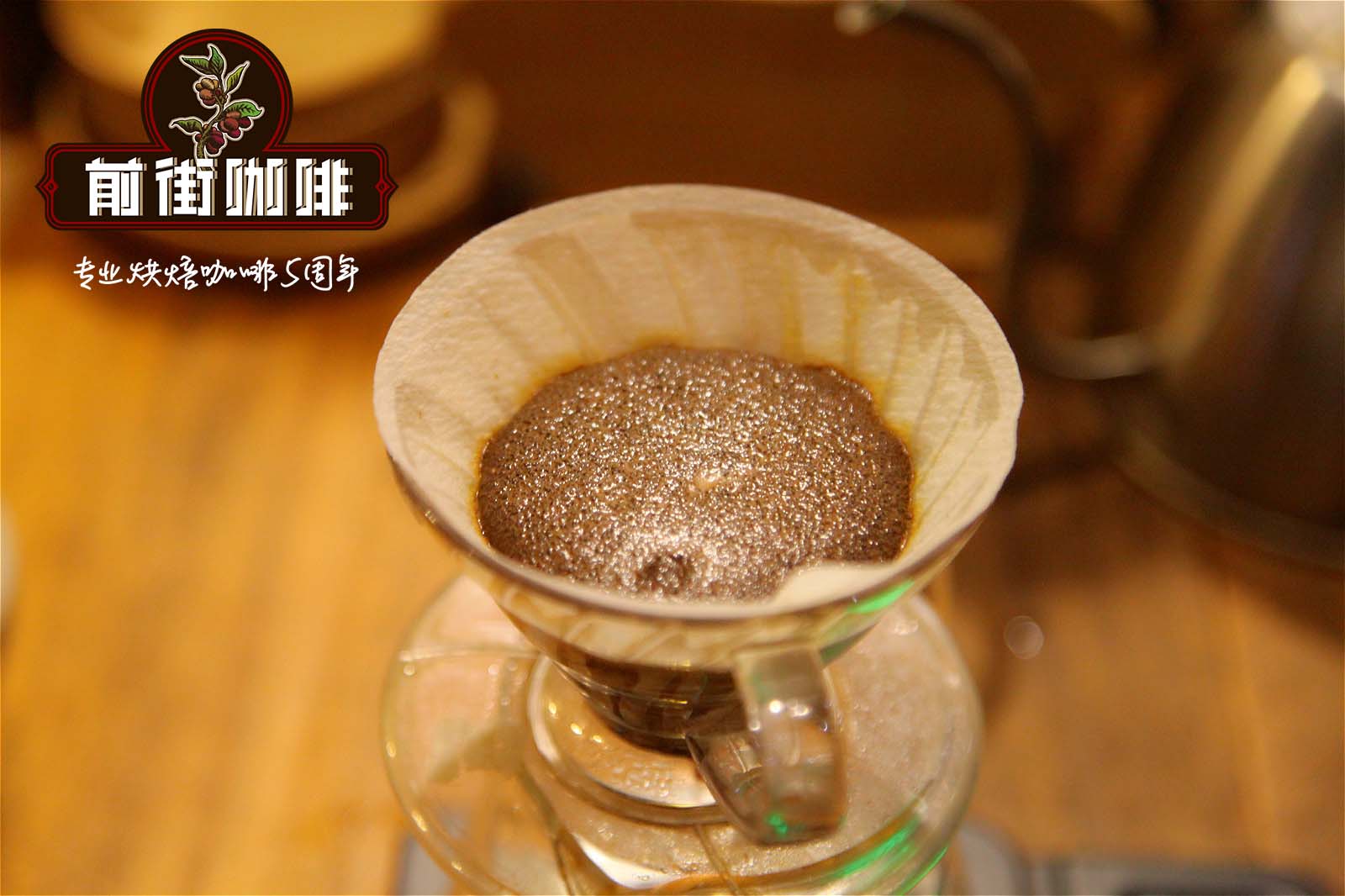
Pour hot water from the kettle in clockwise circles, starting from the center of the dripper, and start timing as you begin. Within 15 seconds bring the brew to 30g, then stop. When the timer reaches 1 minute, begin the second pour. As before, pour in clockwise circles from the center, avoiding the area where the coffee bed meets the filter paper to prevent channeling.
Leave a small gap at the outer edge of the bed, then continue pouring in circles toward the center. At 2 minutes 10 seconds you should have reached 210g total, and the brew is complete.
Japanese-Style Iced Pour-Over: Brazil Bahia Estate
FrontStreet Coffee's iced pour-over reference for Brazil Bahia Estate:
Brazil Bahia Estate coffee, medium-dark roast, BG grinder setting 5R (60% pass rate on the standard sieve).
Use 20g of coffee, 150g of ice, and 150g of hot water. The water temperature should be 1°C higher than the normal pour-over recommendation of 88°C. The normal grind is 3.5 on the Fuji grinder; for iced pour-over, go slightly finer to setting 3. The recommended coffee-to-(water+ice) ratio is 1:15.
Bloom with 40g of water for 30 seconds.
Segmented pouring: first segment with 60g of water, second segment with 40g. Use a fine but tall water column to stir and agitate the bed thoroughly, ensuring the grounds roll completely - but be careful not to let the liquid level rise too high or splash onto the filter paper at the edge.
Total extraction time should be approximately 2.5 minutes (similar to the normal extraction time for a 20g dose).
FrontStreet Coffee Recommendation
Brazilian coffee, with its moderate acidity and an excellent balance of sweetness, bitterness, and body, is a natural fit for medium roasting - the roast brings out nutty aromas and a mellow, softly acidic cup. The Bahia Estate natural above, a Cerrado Fine Cup lot of Bourbon, Catuai, and Mundo Novo, is exactly that style: apricot sweetness, toast, and nuts with excellent balance and a clean finish at a City to Full City roast.
If you want to compare Cerrado terroirs side by side, FrontStreet Coffee's pulped natural Cerrado Red Bourbon is a classic companion: creamy peanut, toast, caramel, and hazelnut in a round, gently bitter cup that works as pour-over, moka pot, espresso, siphon, or French press. For a more elegant expression, the Queen Estate Yellow Bourbon from Mogiana - grown in fertile red volcanic soil near southern Minas - offers a rare Yellow Bourbon cup with clean sugarcane sweetness, fruit notes, and chocolate.
Brazil's low acidity and balance also make it the foundation of many espresso blends. FrontStreet Coffee's Classic Blend, Premium Blend, Black Cocoa Blend, and Commercial Blend all include Brazilian beans, contributing chocolate and cream aromas, gentle sweet-sour-bitter harmony, and stable extraction - a forgiving choice if you found brighter coffees prone to astringency or channeling.
Important Notice :
FrontStreet Coffee is a long-established specialty coffee roaster in Guangzhou China, selling freshly roasted beans from its own farm in Yunnan as well as dozens of carefully selected single-origin beans from around the world for both pour-over and espresso. The products deliver consistently excellent quality and great value, with shipping within 24 hours. Guangzhou's FrontStreet Coffee shop is recommended by many coffee lovers, and the beans are now available online at the Tmall 。
FrontStreet Coffee has moved to a new address:
FrontStreet Coffee Address: 315,Donghua East Road,GuangZhou
Tel:020 38364473
 Scan and follow the En Gafei WeChat official account. Please indicate that the reprint comes from "En Gafei".