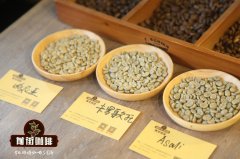
Fair Trade | Brazil Minas - Fair Trade (F.T) Nova Serra Cooperative Coffee Beans
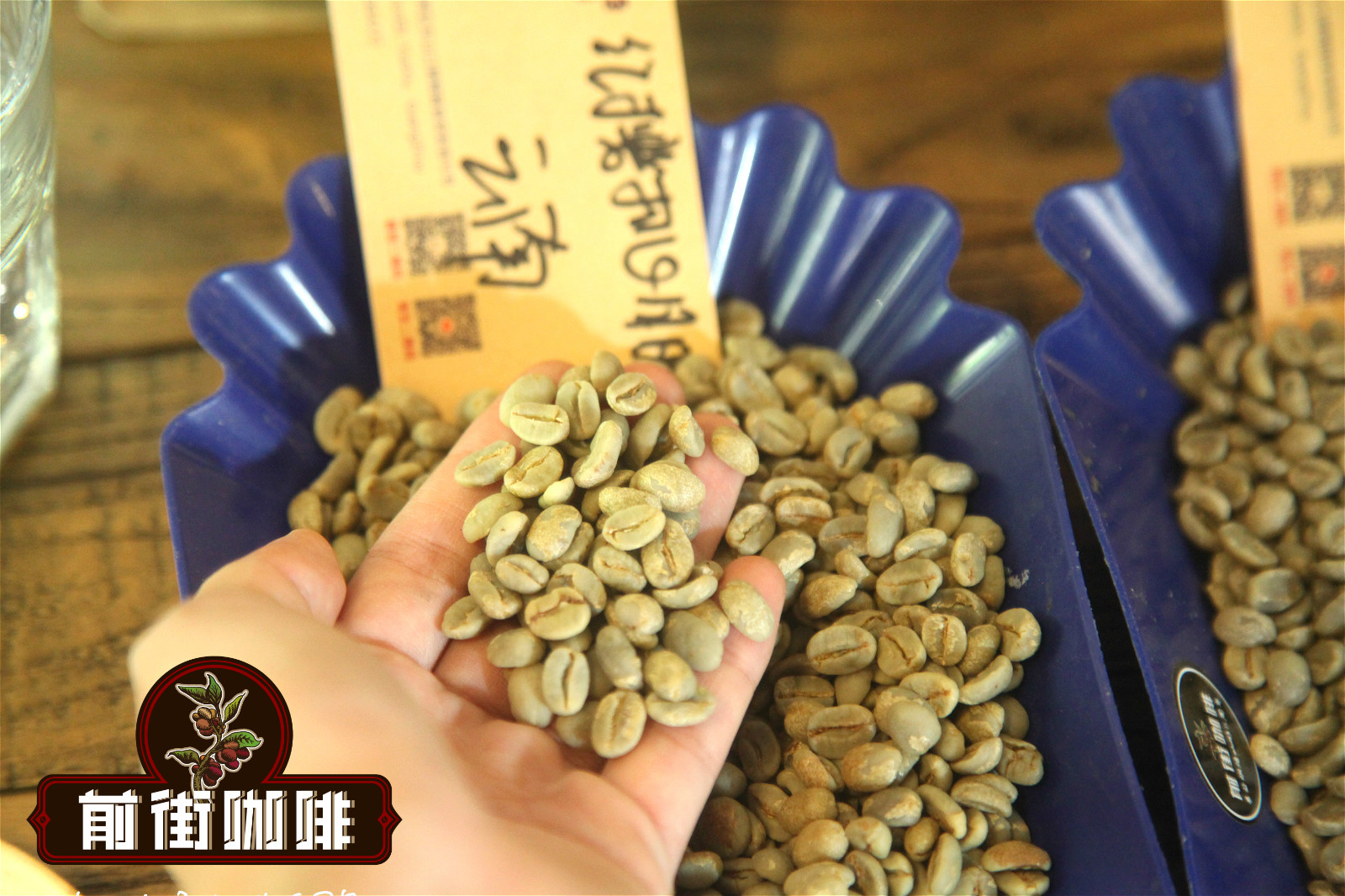
Fair Trade | Flavors of Brazil Minas Gerais - Fair Trade (F.T) Nova Resende Cooperative Coffee Beans
Brazil is the world's largest coffee producer, and most of its finest coffee comes from Minas Gerais state in the south. The plantings there are predominantly Bourbon varieties processed by the semi-washed method — often called the Brazilian processing method. Bourbon brings noticeable sweetness, low acidity, and broad market appeal, at the cost of lower yields than other varieties.
The Fair Trade-guided coffee in question comes from Nova Resende, in Brazil's best-producing region of Minas Gerais (Sul de Minas): a cooperative of 76 small farmers growing at altitudes above 1,500 meters. Output is modest, with most sold into the Brazilian domestic market. With Fair Trade support, the cooperative has made real progress in ecological protection and soil improvement. These Fair Trade beans are processed by the non-traditional semi-washed method, which leaves them a yellowish-brown color. Brazilian beans have a reputation for balance and steadiness, and this lot shows why: with lower moisture and semi-washed processing the coffee is sweeter, and Bourbon is a naturally sweet variety besides — which is why so many espresso blends build on a Brazilian base.
Brazil grows roughly 30% of the world's coffee, but geography holds it back. The country sits in the tropical rainforest belt with relatively flat terrain and few high mountain forests, so most coffee grows at low altitude in non-volcanic soil, with little shade cover. Beans grow fast and large but stay loosely dense, with limited flavor complexity. Large-scale mechanical harvesting strips cherries at every stage of ripeness at once, which is why much Brazilian coffee remains in the commercial-grade camp.
After 2000, spurred by coffee competitions, beans from the higher southern regions finally won recognition — above all farms in the Minas Gerais highlands, which lead Brazil in both quality and volume: Cerrado in western Minas Gerais, Matas de Minas in the east, northern Bahia, and the small farms of the south. Minas Gerais has practically become a synonym for Brazilian specialty coffee. Competitions now categorize entries precisely by processing method — washed, semi-washed, honey, natural — and the resulting range of flavors, textures, and aftertastes departs completely from the traditional Brazilian style. Honey and natural lots perform especially well: clean, low in acidity, lifted in fruit aroma, with the heavy chocolate notes dialed back.
High-quality Brazilian coffee is sweet rather than acidic or astringent, with an appealing chocolate sweetness and a nutty, kernel-fruit nose. A light City roast brings lively peanut and almond fragrance, and after 7-10 days of resting it yields a satisfying blueberry note.
Light Roast City (Fresh Aroma)
Modest florals are quickly wrapped in the sweetness of licorice and honey with a hint of spice. Rest the beans 7-10 days before drinking to bring out the blueberry.
Dark Roast (General C)
The aroma turns rich and solid, pure chocolate fragrance overflows the cup, and the finish lingers like cheesecake.
Light City and the slightly darker Full-City+ make a wonderful study in contrast: blueberry cookies versus golden-sand chocolate. The dark roast's long, resonant finish is roasting at its peak.
FrontStreet Coffee Recommended Brewing:
Dripper: Hario V60
Water Temperature: 90°C
Grind Size: Fuji Royal grinder setting 3.5
Brewing Method: Coffee-to-water ratio 1:15 with 15g of coffee. First pour 25g of water and bloom for 25 seconds. Second pour to 120g, then pause; once the coffee bed has drained halfway, continue pouring slowly up to 225g total. Extraction time around 2:00.
Analysis: The three-stage pour separates the coffee's front, middle, and back flavor profiles. The V60's deep ribs drain quickly, so the mid-brew pause stretches the extraction time back out.
FrontStreet Coffee Recommendation
If this Fair Trade lot whets your appetite for Brazil, FrontStreet Coffee's Brazilian lineup is a fine place to continue. As the world's largest producer, Brazil offers enormous variety, and its beans — moderate acidity, sweet, bitter, and full-bodied in near-perfect balance — are ideal candidates for a medium roast, which coaxes out nutty aromatics and a smooth, faintly tart cup that works as single origin or in blends. For a first taste of the classic profile, choose the FrontStreet pulped-natural Cerrado Red Bourbon, a quintessential Brazilian single origin from the celebrated Cerrado growing region: at a medium roast it pours out creamed peanut, toasted bread, caramel, and hazelnut, round on the palate, not sour with only a light bitterness, and it brews happily as pour-over, moka pot, espresso SOE, siphon, or French press. For something rarer, Fazenda Rainha (Queen Estate) in Mogiana near southern Minas grows yellow Bourbon — a mutation of red Bourbon with a cleaner fruit character — on fertile red volcanic soil, producing a cup with sugarcane sweetness, fruit aroma, and chocolate that no other origin quite matches. And since low acidity, balance, and friendly pricing make Brazilian coffee the backbone of so many espresso formulas, FrontStreet's blends carry it too: the crema-rich Classic blend, the nutty Premium blend, the balanced Black Cocoa blend favored by baristas, and the shop-oriented Commercial blend all build on Brazilian beans for their chocolate-and-cream aroma, gentle sweet-sour-bitter structure, and extraction-friendly steadiness.
Important Notice :
FrontStreet Coffee is a long-established specialty coffee roaster in Guangzhou China, selling freshly roasted beans from its own farm in Yunnan as well as dozens of carefully selected single-origin beans from around the world for both pour-over and espresso. The products deliver consistently excellent quality and great value, with shipping within 24 hours. Guangzhou's FrontStreet Coffee shop is recommended by many coffee lovers, and the beans are now available online at the Tmall 。
FrontStreet Coffee has moved to a new address:
FrontStreet Coffee Address: 315,Donghua East Road,GuangZhou
Tel:020 38364473
 Scan and follow the En Gafei WeChat official account. Please indicate that the reprint comes from "En Gafei".