Brazil Minas Carmo de Minas | Tijuco Preto Estate Semi-Sun-Dried Processing
Brazil Minas Gerais Carmo de Minas | Tijuco Preto Estate's Semi-Dried Processing Flavor
Brazil's terrain is relatively flat without high-altitude mountain forests. Most coffee is grown in low-altitude, non-volcanic soil areas with minimal shade. This results in fast-growing Brazilian coffee beans that are large but have low density and limited flavor variation. Additionally, large-scale mechanical harvesting produces beans with widely varying maturity levels, preventing Brazilian beans from achieving exceptional quality and keeping them in the commercial category. However, the uniquely developed pulped natural (semi-washed) processing method enhances the sweetness and rich body of Brazilian coffee, making nearly all Brazilian coffee exceptionally smooth and sweet.
After 2000, coffee competitions became an incentive, and the quality of coffee beans produced in high-altitude areas of the southern region gained recognition, particularly around estates in the Minas highlands. Coffee quality from this region represents the best among Brazilian beans and has the largest production volume. Examples include Cerrado in western Minas, Matas de Minas in the east, northern Bahia, or small estates in the south. Minas has almost become synonymous with Brazilian specialty coffee. In recent years, coffee competitions have become more precisely categorized by processing methods (washed, pulped natural, honey, natural), developing various flavors, body, and finishes that present completely different characteristics from traditional Brazilian coffee.
Located at an altitude of 1,140 meters in southern Minas, Tijuco Preto Estate is an outstanding estate that ranked 7th in the 2005 coffee competition. It uses traditional Bourbon coffee varieties and avoids inconsistent maturity by harvesting mature coffee beans by hand instead of mechanically. Using the natural process, coffee beans with parchment (membrane) are dried in the sun until moisture content drops below 11%. Compared to other Brazilian beans, Tijuco Preto's beans have a denser structure and more flexible roasting profiles, allowing for more layered coffee flavors where fruit aromas prevail over cocoa and chocolate notes. Because it lacks the typical Brazilian bean drawback of soft texture that cannot withstand heat, Tijuco Preto Estate's coffee has no bitter or uncomfortable throat-irritating sensations, while maintaining a smooth, sweet taste.
Since 1999, Brazil's specialty coffee competition has been held for 7 years. This global coffee industry event is called the Brazil Cup of Excellence® Competition. This coffee competition, which started in Brazil, has had a profound impact on the specialty coffee industry. Central American countries have successively held national coffee competitions, and even South America and Ethiopia in Africa have followed this trend, joining the coffee competition and online public auction model. It has created opportunities for direct dialogue between producers and bean merchants. Through cupping evaluations and collaboration, they have made deeper contributions to specialty coffee, such as variety research, production improvements, and the effects of various processing methods on taste and quality.
Take the 2005 Brazil National COE competition, for example. Many award-winning estates had exquisite semi-dried processing models and even dared to introduce varieties with lower yields but superior quality. We will gradually introduce high-quality green beans from these award-winning estates.
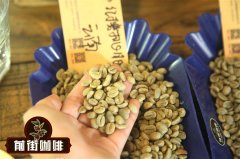
This estate is located on a plateau at an altitude of 1,140 meters in southern Minas state. Despite the high altitude, the terrain where coffee is grown is quite gentle, and the surrounding scenery is beautiful. The estate's territory also includes original forests, mountain springs, and waterfalls, demonstrating great care for environmental and wildlife protection. Of the 346 hectares of territory, only 70 hectares are used for coffee cultivation. To seek better flavors and meet customer demand for specialty Brazilian coffee, this estate grows very diverse varieties including: MUNDO NOVO, ACAIÁ, CATUAÍ, ICATU, and YELLOW BOURBON (the famous yellow bourbon variety). Below are the lovely green bean bags from Fazenda Tijuco Preto and its famous semi-dried processed green beans:
Fazenda Tijuco Preto's harvesting and processing system is quite meticulous. They developed a model called PWP semi-dried process (PWP stands for: picked, washed, pulped). Because many Brazilian estates use mechanical harvesting, the one-by-one hand-picking method common in Central American specialty estates is less common in Brazil. Moreover, they soak and wash the beans on the harvest day before immediately removing pulp and skin, then place them on racks for natural sun drying. This three-step process at TIJUCO PRETO estate is called the PWP processing method.
The processed parchment beans are exposed on terraces starting from the second day, averaging 20 turns per day until moisture content reaches 11%. Afterwards, they are sent to storage for 60 days of rest.
When these parchment beans are ready for export, they undergo four [dry processing] steps: hulling, bean selection, grading, and packaging. Examining this batch of green beans reveals that they are indeed typical pulped natural Brazilian specialty coffee. This estate has an impressive award history including:
Representing COCARIVE (Cooperativa dos Cafeicultores de Carmo de Minas), the coffee growers' cooperative of the Carmo de Minas region, winning the silver medal in the natural Arabica coffee category at the French IVPA competition. And 7th place in the 2005 Brazil National Competition! 7th Winning farm of 2005 Brazil Cup of Excellence® Competition.
Country: Brazil | Region: Carmo de Minas
Processing Method: pulped natural (semi-dried method, with hand harvesting)
Dry Aroma: red wine, nuts, sweet aroma, spices, slight floral notes, bell pepper
Wet Aroma: sandalwood, red wine, mango, passion fruit, malt aroma, nuts, citrus
Slurping: elegant passion fruit juice, oily texture, bell pepper aroma, pepper, finish with sweet tropical fruits, spicy stimulation, smoky aroma, when coffee cools slightly, oils become prominent and the finish has sweet cooked fruit acidity
Dark Roast (Full-City+): rich, smooth, non-bitter chocolate flavor, the entire cup has milk candy sweetness and aroma, especially the milky flavor that makes you want to purse your lips and fully immerse yourself in a calm, stable atmosphere, with delicate vanilla aftertaste that is light and gradual.
FrontStreet Coffee Recommended Brewing:
Dripper: Hario V60
Water Temperature: 90°C
Grind Size: Fuji grind level 3.5
Brewing Method: 1:15 water-to-coffee ratio, 15g coffee, first pour 25g water, 25s bloom, second pour to 120g then stop pouring, wait until the water level drops to half, then slowly pour until 225g total, extraction time around 2:00
Analysis: Using a three-stage brewing method to clearly distinguish the front, middle, and back flavor profiles of the coffee. Because V60 has many ribs and faster drainage, stopping the pour can extend the extraction time.
FrontStreet Coffee Recommendation
Brazilian coffee at its best is exactly what this cup shows: low acidity, round balance, and plenty of nutty sweetness. If Tijuco Preto's style appeals to you, FrontStreet Coffee's Brazil Cerrado Red Bourbon is a classic everyday alternative - medium roasted to bring out cream peanut, toast, caramel, and hazelnut aromas with a round, faintly bitter edge, and versatile enough for pour-over, moka pot, espresso, siphon, or French press. For something rarer, the FrontStreet Queen Estate Yellow Bourbon from Mogiana offers a cleaner fruit character and a sugarcane sweetness you will not find in other origins, alongside chocolate notes. Both show why Brazilian beans, with their gentle acidity and balanced body, remain the backbone of espresso blends and a favorite of baristas everywhere.
Important Notice :
FrontStreet Coffee is a long-established specialty coffee roaster in Guangzhou China, selling freshly roasted beans from its own farm in Yunnan as well as dozens of carefully selected single-origin beans from around the world for both pour-over and espresso. The products deliver consistently excellent quality and great value, with shipping within 24 hours. Guangzhou's FrontStreet Coffee shop is recommended by many coffee lovers, and the beans are now available online at the Tmall 。
FrontStreet Coffee has moved to a new address:
FrontStreet Coffee Address: 315,Donghua East Road,GuangZhou
Tel:020 38364473
 Scan and follow the En Gafei WeChat official account. Please indicate that the reprint comes from "En Gafei".