What are the Pour-Over Parameters for Ethiopia Gedeo Yirgacheffe | Chelba Charoba G3 Natural Bean?
Ethiopia Gedeo Yirgacheffe | Chelba Cheleba G3 Natural Sun-Dried Bean Pour-Over Parameters?
Ethiopia is the country where coffee was first discovered, and it remains one of the world's most important producers in both quality and volume. Its coffee is overwhelmingly Arabica, with an annual production of about 350,000 tons, over 70% of which is exported worldwide. Roughly 15 million people nationwide work in coffee-related industries, and over 90% of farms or cooperatives are small-scale plantations.
After 2008, Ethiopian agricultural products—wheat, corn, sesame, and coffee included—were comprehensively folded into the ECX trading system (Ethiopian Commodity Exchange), replacing the existing auction and export methods. Farmers or cooperatives deliver coffee to centralized ECX warehouses; beans of the same grade from the same region are blended together and auctioned directly. At that point, no one knows which specific farms, cooperatives, or micro-regions the coffee came from.
This doesn't hurt yield or quality—if anything, price makes quality easier to judge [you get what you pay for]. What it does hurt is the middleman's ability to chase outsized margins [low price, high quality], making things clearer and more transparent for consumers. Because transactions outside the ECX system face heavy taxes, about 90% of coffee currently moves through it.
For specialty coffee buyers, though, ECX is bad news. So starting in 2010, Ethiopia introduced the DST (Direct Specialty Trade) system: irregular auctions where only coffees scoring above 80 points under SCAA cupping standards can be traded with foreign green bean merchants under their own farm or cooperative names.
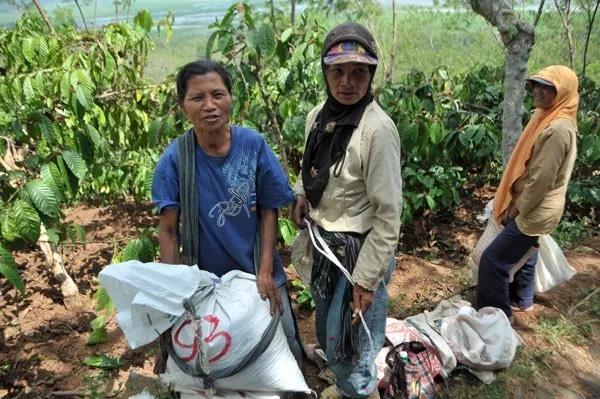
In Ethiopia, natural sun-dried beans are distinguished by the numbers 3 and 4 appended to their names (with 3 the higher quality). After harvest, cherries are laid out to dry—skin and pulp intact—until the coffee reaches 16% moisture content, then finished in a drying machine for uniformity. The beans are then repeatedly rubbed with parchment or sheepskin to remove the surface mucilage, polished, and dried again. That's how natural sun-dried beans are made.
The Yirgacheffe Chelba Cheleba Cooperative is made up of 500 small farmers, each averaging 2-5 hectares. Surrounded by mountains, the area is threaded by the Chelba River. Natural sun-dried lots typically come at the end of the harvest season and need 10-15 days to dry—and during that time, weather is the single biggest factor shaping the beans' character. Good weather makes farmers smile; bad weather makes them worry—true throughout history, everywhere.
Coffee Information
Farmer: Various small producers
Region: Gedeo
Grade: Red Cherry Project G3
Country: Ethiopia
Altitude: 1,800-2,000 meters
Farm Size: 600-800 households involved
Coffee Characteristics
Variety: Heirloom (local traditional wild varieties)
Processing: Natural (unwashed / sun-dried)
Appearance: Screen 16-18
Jury Cupping Note: Cupped at a roast level 60 seconds after the start of first crack (Cinnamon roast)
Aroma/Flavor: Green tea fragrance, narcissus lily, fermented wine aroma, strawberry, rose perfume, stevia, honey, brown sugar
Acidity: Strawberry acidity, raspberry, floral and grassy acidity, preserved plum, jujube fruit acidity, smoked plum
Complexity & Other: Excellent fermented wine aroma, balanced mouthfeel, strong tea-like aftertaste, lychee brown sugar sweetness
Overall Style: Fermented wine aroma, strong tea sensation, fruity sweetness
FrontStreet Coffee's Recommended Brewing Parameters:
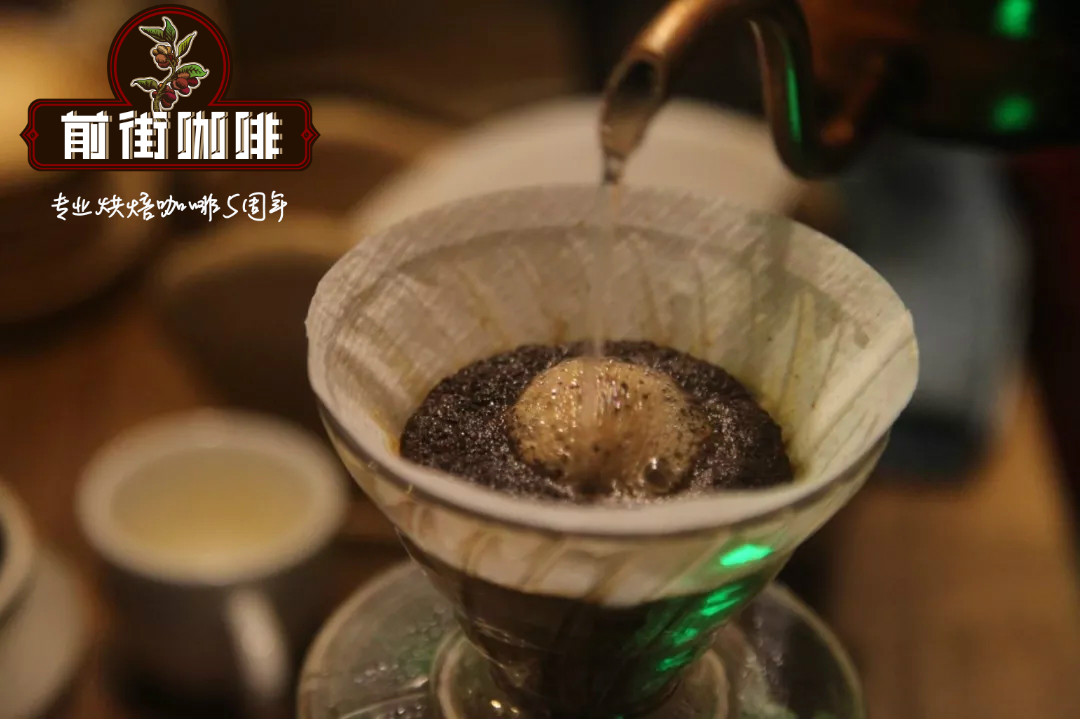
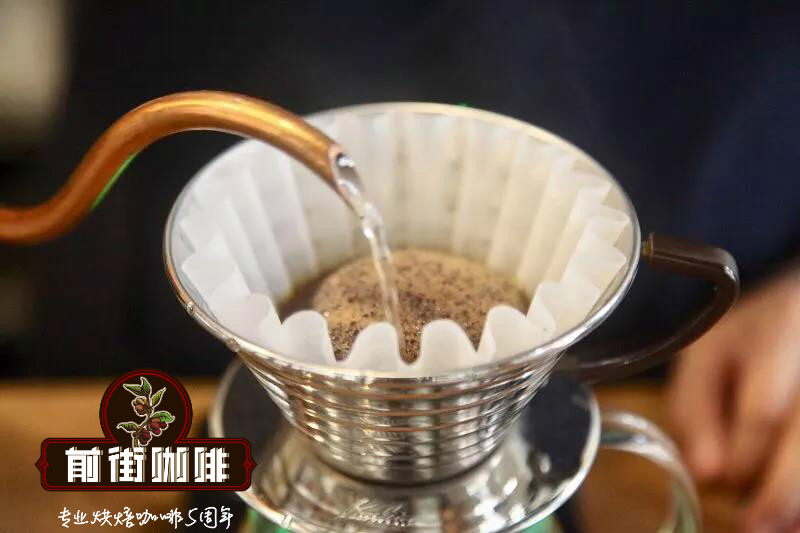
Dripper: Hario V60
Water Temperature: 90°C
Grind Size: Fuji Royal grinder setting 3.5
Method: 1:15 ratio with 15g of coffee. First pour 25g of water and bloom for 25 seconds. Second pour to 120g, then pause. When the water level in the bed drops to half, continue pouring slowly to 225g total. Extraction time: approximately 2:00.
Analysis: The three-stage pour clearly separates the coffee's front, middle, and back-end flavors. Because the V60's many ribs drain quickly, the pauses help extend the extraction.
FrontStreet Coffee Recommendation
Natural-process Yirgacheffe lovers should explore two more FrontStreet Coffee staples. The first is the Natural Red Cherry from Yirgacheffe: only fully ripe, defect-free cherries are picked, sorted at the station, and sun-dried on raised beds—turned every 2-3 hours during the first days to prevent uneven heating and over-fermentation—for three to five weeks before hulling and storage. Drying with the fruit intact layers classic Yirgacheffe character over natural tropical fruit: citrus-like acidity, berry-juice texture, honey sweetness, and cream-smooth body (peach, cocoa, honey, lemon).
The second is the Natural Blossom (Huakui) from Hambella, Guji, Sidamo: a 200-hectare farm drying cherries on raised beds for 21 days, turned constantly and hand-sorted every three to five days, then hulled and sorted once more. After a medium-light roast it shows a faint fermented wine note, florals, citrus, and mango, with thick honeyed sweetness, cocoa undertones, a touch of spice, and a long finish. Between these two and the Chelba Cheleba G3 above, you'll cover the full spectrum of what Ethiopian naturals can do.
Important Notice :
FrontStreet Coffee is a long-established specialty coffee roaster in Guangzhou China, selling freshly roasted beans from its own farm in Yunnan as well as dozens of carefully selected single-origin beans from around the world for both pour-over and espresso. The products deliver consistently excellent quality and great value, with shipping within 24 hours. Guangzhou's FrontStreet Coffee shop is recommended by many coffee lovers, and the beans are now available online at the Tmall 。
FrontStreet Coffee has moved to a new address:
FrontStreet Coffee Address: 315,Donghua East Road,GuangZhou
Tel:020 38364473
 Scan and follow the En Gafei WeChat official account. Please indicate that the reprint comes from "En Gafei".