Tanzania Kahawa | Blackburn Estate Hand-selected Washed Bourbon & Kent: Flavor Characteristics

Tanzania Kahawa | Blackburn Estate Hand-Selected Washed Bourbon, Kent Flavor Profile
Coffee in Tanzania is called Kahawa. It may not be as famous as Kenya in the coffee world, but its annual production is nearly equivalent to Kenya's, and it is sold mainly through auctions and direct sales. The earliest Arabica seeds were introduced from Réunion Island and planted in the Bayamoyo and Mogoro regions. In 1893, beans planted on the slopes of Kilimanjaro became the most successful coffee in the country. Other varieties were gradually introduced from neighbouring Burundi in the 1950s and planted in western Tanzania. Today the crop is grown mainly in high-altitude areas. Even so, wild coffee species are still being discovered locally; the most recent is Coffea kihansiensis in the Udzungwa Mountains.
The main growing regions are Mbeya, Kilimanjaro, Ruvuma, Kigoma, Arusha, Manyara, Bukoba, and Kagera. Arabica accounts for nearly 75% of Tanzania's annual production, with total coffee production reaching 50,000 tons.
Blackburn Estate: Award-Winning Organic Coffee Farm
The finest lot is Blackburn Estate's "Clouds of August" from 2011. Its owner, Michael, was born in Germany and has been growing coffee on the estate for more than 20 years. Michael first visited East Africa in 1971 and fell in love with the place. In 1983 he moved to Tanzania for good and reorganized his parents' farm. At the time, the coffee trees at Blackburn Estate were almost overgrown by other trees, and a whole troop of baboons had moved into the residence. It was only in the late 1980s, when Tanzania opened its market, that Michael began researching coffee cultivation.
Today Blackburn Estate is an award-winning farm, recognized not only for its distinctive coffee flavours but also for Michael's commitment to ecological conservation. The estate farms organically without pesticides, and 80% of the land is set aside for natural conservation. Wildlife moves freely here, unfenced: lions, buffalo, elephants, leopards, and many other species travel at night between the coffee trees and the large forests.
Farm Specifications
Coffee is grown at altitudes of approximately 1,760-1,900 metres. The actual coffee cultivation area accounts for only 16% of the entire estate (about 187 acres). Large stands of native trees provide good shade for the most sun-exposed sections. New planting areas have recently been established on the eastern and southern sides of the estate, which will primarily supply specially hand-selected small-batch beans in the future.
Blackburn Estate runs a well-managed wet mill, with water sourced from the mountain springs of Oldeani Mountain (which means "bamboo shoot mountain" in the local language). All coffee is dried on raised racks, the so-called African raised beds. After drying, the estate's coffee is sent to the processing plant in Moshi and then packed in 60-kilogram sisal bags. Sisal is a coarse fibre made from agave leaves, similar to jute, and the local government bans jute bags to protect Tanzania's sisal industry; sisal bags also lack the characteristic earthy smell of jute.
Farm Information
Farm Name: Blackburn Estate
Owner: Michael Gehrken
Region: West of Oldeani (Karatu District)
Country: Tanzania
Altitude: 1,760-1,900 meters
Farm Size: 1,124 acres
Coffee Area: 187 acres
Annual Rainfall: 870mm
Certification: Organic
Shade Trees: Native trees
Water Source: Mountain springs from Oldeani Mountain (meaning "bamboo shoot mountain" in the local language)
Coffee Details
Coffee Name: Blackburn Estate Clouds of August
Varieties: Kent, Bourbon
Processing Method: Wet Process, African raised beds
Flowering Period: September - October
Harvest Period: March - July
Appearance: 17 screen
Cupping Roast Level: 60 seconds after first crack begins (Cinnamon roast)
Flavor Profile
Aroma/Flavor: Vanilla, nuts, mint, clove, honey, brown sugar, chocolate
Acidity: Raspberry, lemon, tannins, refreshing, low acidity, a light Kenya-like blackberry acidity
Complexity & Other: Sweetness is light and lively; the acidity has a coarse, grainy texture; a traditional, pleasant floral-tea aroma from northern Tanzania; a honey-sweet finish that lingers
Overall Style: Floral-tea aroma, deep sweetness, a sun-kissed sweet aftertaste
Brewing Recommendations
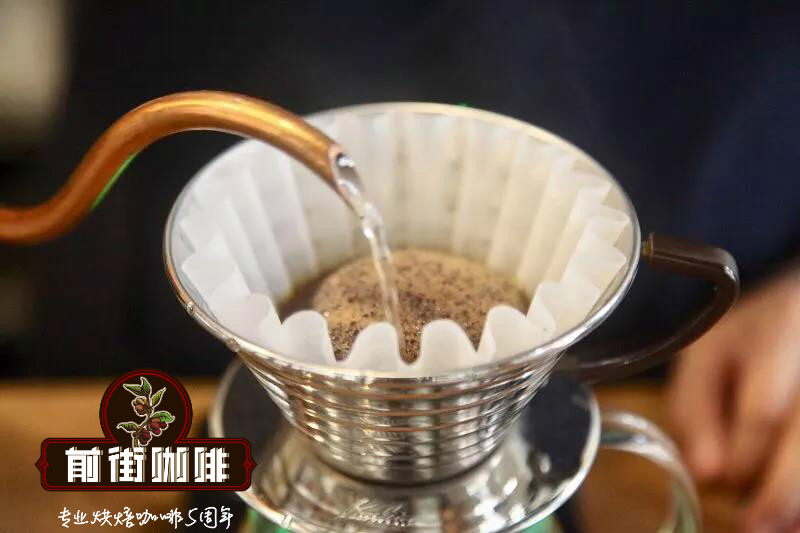
Dripper: Hario V60
Water Temperature: 90°C
Grind Size: Fuji Royal grinder setting 3.5
Brewing Method: 1:15 coffee-to-water ratio, 15 g of grounds. First pour 25 g of water and bloom for 25 seconds. Second pour to 120 g, then pause. When the water level drops halfway, continue pouring slowly to a total of 225 g. Extraction time around 2:00.
Analysis: A three-stage pour clearly defines the front, middle, and back-end flavours. Because the V60 has many ribs and drains quickly, pausing during the pour helps extend the extraction time.
FrontStreet Coffee Recommendation
Washed processing is what gives this coffee its clean, bright character, and the same is true of FrontStreet's washed lineup. FrontStreet's Guodingding Cooperative coffee from Yirgacheffe is a good starting point: fully washed and roasted medium-light, it shows jasmine florals and bright citrus acidity lifted by green-tea and honey notes, and it works well as pour-over, cold brew, or espresso.
For a more savoury fruit profile, FrontStreet's Kenya Cherry Tomato is a benchmark of double-washed processing. Repeated washing and soaking push the juice-like quality to the fore, with notes of cherry tomato, smoked plum, snow pear, black plum, and yellow sugar, and a sweet-tart, juicy body.
If you prefer balance, FrontStreet's Jamaica Blue Mountain No.1 is washed as well. Removing the skin, pulp, and mucilage before drying shortens the drying time and yields translucent, low-defect beans, giving the cup its hazelnut, cream, chocolate, and caramel purity with no single note dominating.
Important Notice :
FrontStreet Coffee is a long-established specialty coffee roaster in Guangzhou China, selling freshly roasted beans from its own farm in Yunnan as well as dozens of carefully selected single-origin beans from around the world for both pour-over and espresso. The products deliver consistently excellent quality and great value, with shipping within 24 hours. Guangzhou's FrontStreet Coffee shop is recommended by many coffee lovers, and the beans are now available online at the Tmall 。
FrontStreet Coffee has moved to a new address:
FrontStreet Coffee Address: 315,Donghua East Road,GuangZhou
Tel:020 38364473
 Scan and follow the En Gafei WeChat official account. Please indicate that the reprint comes from "En Gafei".