Kenya AA | The Flavor of Ntama Gikanda Ndimaini Farm's SL28, SL34?
Kenya has long set the benchmark for washed, high-toned coffee. This article looks at Gikanda Ndimaini, its SL28 and SL34 varieties, and where its blackberry acidity comes from.
Kenya AA | What are the flavors of Gikanda Ndimaini Farm's SL28 and SL34?
Kenya is a model country for producing excellent coffee beans. Coffee was introduced from Britain in 1900, and until 1950 only traditional Arabica varieties were cultivated. It was then that Kenya's outstanding SL28 and SL34 Bourbon varieties were developed. All processing uses the washed method, and grading follows the AA PLUS, AA and AB system, which distinguishes only uniform bean size and does not represent a difference in quality. Premium altitude ranges from 4,200 to 6,800 feet. From 2009-2010, global warming and disease reduced production and drove prices up. The continued rise of specialty coffee, together with Kenya's irreplaceable blackberry flavor, has kept fine Kenyan beans expensive ever since, which is why direct trade buyers prioritize the better-quality lots. The beans are large with a high-toned, wine-like blackberry acidity, and they can be harvested twice a year: April-June is the secondary season, while October-December is the main harvest.
Most beans are uniformly graded and inspected by the Kenya Coffee Board and then sold at auction. The public auction system dates back to before 1934 and operates through an agent system. Kenya has 50 licensed agents who send sample beans to their respective clients for cupping, and clients can have their agents bid on their favorite coffees at auction. This system, however, seems to encourage intermediate agents to erode farmers' income. In 2006, therefore, Kenya opened up to allow 32 independent sales agents to deal directly with foreign coffee buyers without going through auctions, provided all meet Kenya Coffee Board standards for quality, storage and bank guarantees. Both systems now operate in parallel. After several years of development, it has become the most transparent auction distribution system, in which better-quality coffee can fetch better prices through cupping, encouraging more cooperatives and farms to join. The direct route, for its part, allows contact with farmers and first-hand information.
Kenya's Gikanda Ndimaini farm is a collaboration of several small farmers who, together with Kangocho and Gichathaini, form the Gikanda Cooperative Society. It is located in the Nyeri region at an average altitude of approximately 1,700-1,900 meters, and its members deliver their coffee to the exclusive Kangocho processing plant for refined processing. The smallholders grow the traditional, unimproved SL28 and SL34 varieties, harvesting fully ripe cherries by hand and processing them with the washed method the same day. Before shipping, the beans are hulled from parchment to remove the silver skin.
Kenyan coffee prices have stayed high in recent years, yet farmers actually receive less than $1 per pound. After production costs are deducted, almost all of the remaining income goes to bank loans, leaving very little. The biggest source of middleman exploitation is Kenya's agricultural bureaucracy, which has been unwilling to see a more progressive Kenya. Buyers who wish to help can support Kenyan beans through the Fair Trade association system, which at least offers transparent and just coffee. (Urgent dispatch from the coffee producing regions.)
Coffee Details
Farm: Gikanda FCS Cooperative Ndimaini Farm
Grade: AA
Country: Kenya
City: Nyeri
Region: Karatina town
Altitude: 1,600-1,800 meters
Farm Size: Small-scale coffee farmers with small planting areas
Soil: Red volcanic loam soils
Harvesting Method: Hand picked
Certification: Fair Trade association
Coffee Characteristics
Variety: SL 28, SL 34
Processing System: Full washed, dried on African raised beds
Top Jury Descriptions: Cupping roast level is 60 seconds after first crack begins
Aroma/Flavor: Strawberry, fresh rose flowers, almond, oolong tea, pear, jasmine, honey, caramel, brown sugar
Acidity: Blackberry acidity, kumquat acidity, blackcurrant, clean and distinct
Complexity & Other: Fresh and fragrant wild notes, bright and clean, distinct oolong tea aroma, fruit sweetness gradually emerges when cooled, more fruity and sweet
Overall Style Attributes: Tea-like, fruity sweetness, very approachable acidity
FrontStreet Coffee's Recommended Brewing:
Dripper: Hario V60
Water Temperature: 90°C
Grind Size: Fuji Royal grinder setting 3.5
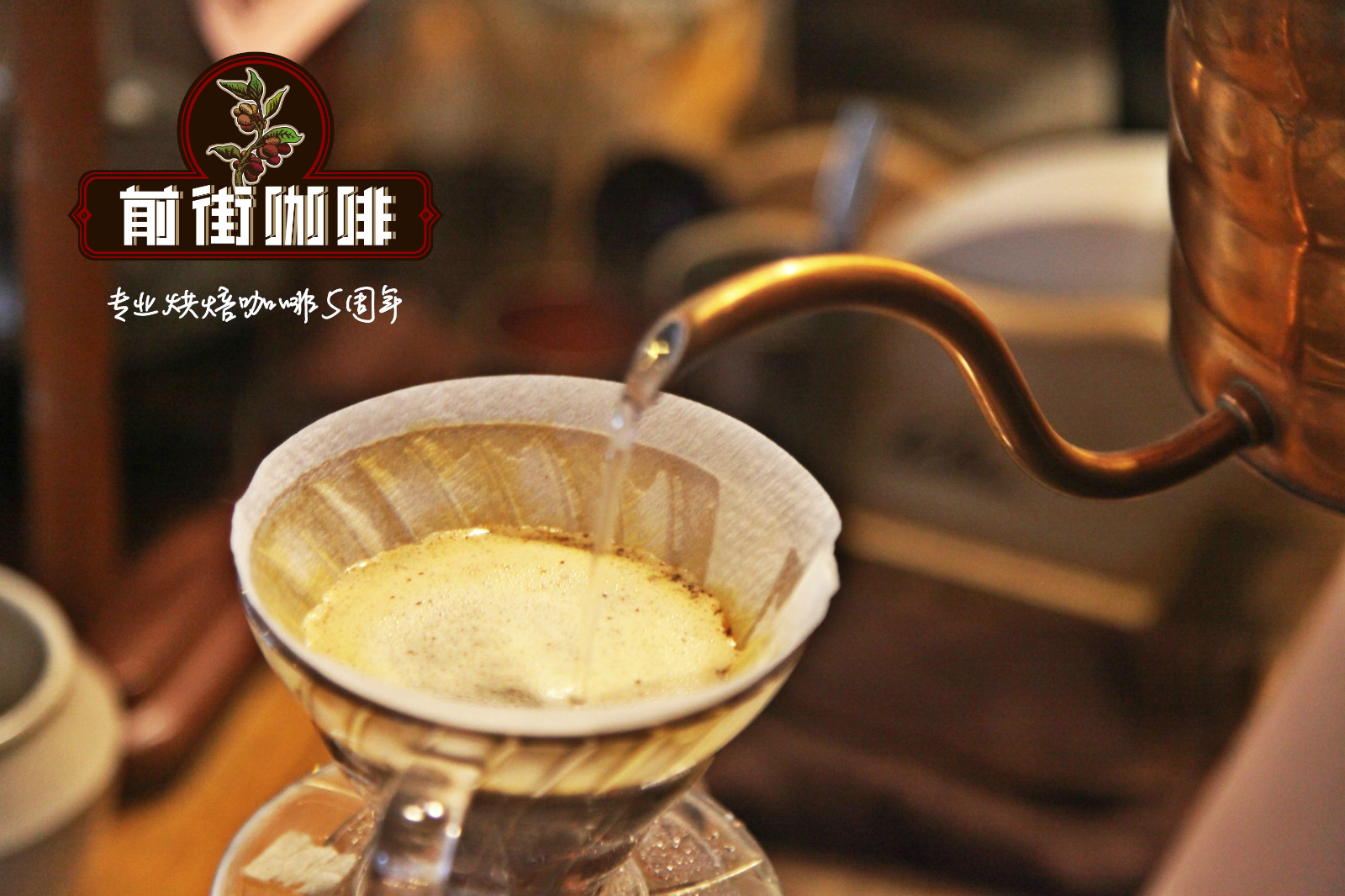
Brewing Method: Water to coffee ratio 1:15, 15g coffee grounds. First pour: 25g water, 25s bloom. Second pour: inject to 120g water, then pause. Wait until the water level in the coffee bed drops to halfway, then continue pouring. Slowly pour until reaching 225g total water. Extraction time approximately 2:00.
Analysis: Using a three-stage pour to clearly distinguish the front, middle and backend flavors of the coffee. Because the V60 has many ribs and faster drainage, pausing the pour helps extend extraction time.
FrontStreet Coffee Recommendation
The washed method is the traditional way of processing coffee fruit with water. The steps usually run through flotation, removal of the pulp, a soaking fermentation to break down the mucilage, washing or further soaking, drying and finally hulling to obtain the green beans. Because washed beans spend a long time in water, chemical changes take place inside the seed and much of the monosaccharides, fructose and glucose, is consumed, lowering the sugar content while increasing various organic acids. Washed coffees therefore tend to keep more of the bean's own aroma while offering bright fruit acidity and a clean, fresh character, which is exactly the profile Kenya's SL28 and SL34 express so well.
The FrontStreet Yirgacheffe Guodingding Cooperative is a fine place to hear that clean character for the first time. Gudingding is a village-level processing group with skilled technique, and its coffee is prized for being especially delicate and clean; the washed process lets it show jasmine florals and bright citrus acidity to the fullest, and after a medium-light roast the cup carries green tea and honey notes. It works well as pour-over, cold brew or espresso.
The FrontStreet Kenya Cherry Tomato is one of the best-known ambassadors of the washing method, since Kenya excels at double washed processing. The process runs the washing step twice, flotation and soaking, washing residual mucilage off the bean surface, soaking again, then drying, hulling and storing. Repeated rinsing and soaking bring out a juicy quality to the extreme, giving rich aromas of cherry tomato, dark plum, snow pear, black plum and yellow sugar with a sweet-and-sour, juicy mouthfeel.
Jamaica, once among the world's best-known coffee origins, struggled with insufficient sunlight. Its island climate gives shorter daylight than other regions, so washed processing was developed to reduce the risk of beans spoiling. The great difference from natural processing is that the skin, pulp and mucilage are removed before drying, reducing the moisture trapped around the bean, which shortens drying time and yields beans of translucent color and low defect rate. Washed processing is what guarantees the Blue Mountain's rich aroma and its pure notes of hazelnut, cream, chocolate and caramel, with a balanced body in which no single flavor dominates or goes missing, as in the FrontStreet Jamaica Blue Mountain No.1.
Important Notice :
FrontStreet Coffee is a long-established specialty coffee roaster in Guangzhou China, selling freshly roasted beans from its own farm in Yunnan as well as dozens of carefully selected single-origin beans from around the world for both pour-over and espresso. The products deliver consistently excellent quality and great value, with shipping within 24 hours. Guangzhou's FrontStreet Coffee shop is recommended by many coffee lovers, and the beans are now available online at the Tmall 。
FrontStreet Coffee has moved to a new address:
FrontStreet Coffee Address: 315,Donghua East Road,GuangZhou
Tel:020 38364473
 Scan and follow the En Gafei WeChat official account. Please indicate that the reprint comes from "En Gafei".