Colombia Huila Province Timana Micro-Region | Smallholder Production of Castillo, Bourbon, and Caturra Varieties
Colombia Huila Timaná Micro-region | Smallholder Production of Castillo, Bourbon, and Caturra
Colombia is the world's third-largest coffee producer, and coffee is grown in almost every corner of the country. In recent years the southern departments have overtaken the north, with Nariño, Tolima, and Huila now among the most celebrated origins. Smallholders here typically farm no more than 10 to 15 hectares. During drying, the beans rest on raised bamboo beds under UV-resistant canopies while large circulating fans keep air moving through the drying room. Sun-drying never exceeds 18 days, and moisture is measured every day. These growers are convinced that climate, soil, temperature, picking maturity, and careful handling all leave their mark on the cup. Detailed farm records, constant cupping alongside the feedback of professional cuppers, and consumer preferences together drive farm improvement. That is the road forward for Colombian specialty coffee.
Three Cordillera ranges run north to south through Colombia before continuing into the Andes. Local farmers plant along the highlands of these ranges and benefit from the resulting variety of climates. Because terrain and altitude vary so much, Colombia's coffee industry is built largely on small-scale production. Unlike Central American origins that grade by growing altitude, Colombia classifies by bean size, with Supremo (17 screen and above) the largest, followed by EXCELSO EXTRA (mainly 16 screen). Huila sits in the southern part of Colombia's central range and is the country's best-known specialty region. The landscape is a ring of hills enclosed by mountains, with cultivation above 1,500 meters. Colombia's most important rivers converge here, bringing abundant water and humidity. Contrary to the familiar impression of commercial Colombian coffee as simply balanced and smooth, many smallholder micro-lots show a distinctly regional character. As the international market has shifted its focus to cup quality, the old bean-size grading system has gradually given way to micro-regional selections organized by smallholders around their production area. Dozens of growers contribute their individual harvests to a single micro-lot, and lot-by-lot cupping makes it possible to pick out many outstanding small-farm coffees directly.
In 1927 Colombia founded the National Coffee Growers' Association to oversee quality. To improve quality and regional certification, the Colombian coffee trademark was created, built around Juan Valdez, a mule, and the Colombian mountains. Coffee that meets the certification standard may carry the logo as a mark of quality and origin. The Timaná micro-region lies in Colombia's Andes, where a favorable climate gives coffee excellent growing conditions. The main varieties are Colombian Typica and Caturra, and several small-farm lots hold forest-protection certification.
Flavor Description:
Grass, wheat, and caramel sweetness, gentle and smooth, with a nutty aftertaste that carries subtle fruit notes.
Farm Information
Farm Name: Timaná
Farmer: Various small producers
Region: Huila
Country: Colombia
Farm Size: 2.8 Hectares
Altitude: 1,600 meters
Coffee Characteristics:
Variety: Caturra, Typica, Bourbon, Castillo
Processing System: Fully washed and sun dried
Flowering Period: September to October
Harvest Period: March to July
Appearance: 16-18 screen
Grade: 1 Speciality Grade
Top Jury Descriptions: Cupping roast level (Cinnamon) at 60 seconds after first crack begins
Aroma/Flavor: Peanut, nuts, chocolate, caramel, pineapple, banana, milk candy
Acidity: Plum, prune, orange, rough acidity
Complexity & Other: Floral-fruity sweetness, balanced mouthfeel, low complexity, good brown sugar aftertaste
FrontStreet Coffee Recommended Brewing:
Dripper: Hario V60
Water Temperature: 90°C
Grind Size: Fuji Royal grinder setting 3.5
Brewing Method: Water-to-coffee ratio 1:15, 15g of coffee grounds. First pour 25g of water for a 25-second bloom. Second pour to 120g, then pause. Wait until the water level drops to half, then continue pouring slowly to a total of 225g. Extraction time approximately 2:00.
Analysis: The three-pour method clearly separates the front, middle, and back-end flavors of the coffee. Because the V60 has many ribs and drains quickly, pausing between pours helps extend the extraction time.
FrontStreet Coffee Recommendation
For an everyday taste of the Huila micro-region, FrontStreet Coffee's Colombia Huila washed coffee is a natural place to start. Roasted to a medium-dark level, it emphasizes black chocolate and the sweet, rounded aroma of nuts, with moderate oil and a full, substantial body. It is versatile enough for pour-over and French press, and it also shines in a moka pot or an espresso machine, where it makes an easy-going Americano or latte.
If you enjoy a more fruit-driven cup, try FrontStreet Coffee's Colombia Finca La Divisa Xizhu (Chiroso). This lot uses an anaerobic natural process, so it develops a richer tropical-fruit aroma. Brewed as pour-over, cold brew, a drip bag, or through a moka pot, it delivers layered notes of passion fruit, grape, apricot, and dried fruit. A medium-light roast keeps those layers bright and clean.
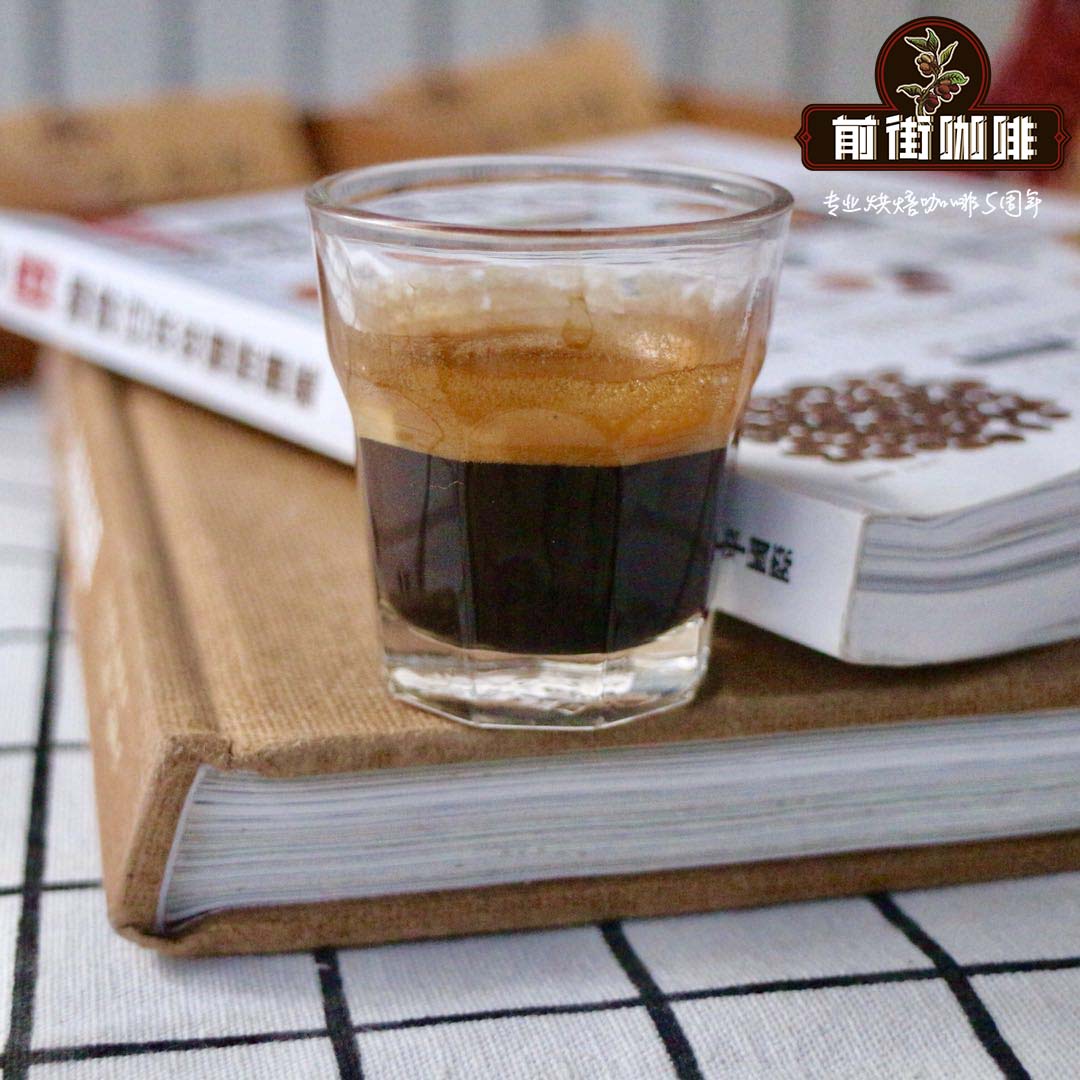
For home espresso setups, FrontStreet Coffee's signature house espresso blend combines Brazilian coffee's creamy, nutty sweetness with the dark chocolate bittersweetness of Colombian coffee. It pulls with a fine golden crema and pairs beautifully with milk for a rich, smooth latte, while also serving as a friendly base for Americanos, cappuccinos, and mochas.
Important Notice :
FrontStreet Coffee is a long-established specialty coffee roaster in Guangzhou China, selling freshly roasted beans from its own farm in Yunnan as well as dozens of carefully selected single-origin beans from around the world for both pour-over and espresso. The products deliver consistently excellent quality and great value, with shipping within 24 hours. Guangzhou's FrontStreet Coffee shop is recommended by many coffee lovers, and the beans are now available online at the Tmall 。
FrontStreet Coffee has moved to a new address:
FrontStreet Coffee Address: 315,Donghua East Road,GuangZhou
Tel:020 38364473
 Scan and follow the En Gafei WeChat official account. Please indicate that the reprint comes from "En Gafei".