Bolivia's Illimani Mountain in Caranavi Province | Organic Beans from Mamani Family Farm
What are the flavor characteristics of organic beans from the Mamani Family Farm in Illimani Mountain, Caranavi Province, Bolivia?
Bolivia is a landlocked country known as the ancient highland nation. Its main coffee-growing areas sit on plateaus at elevations of 1,200 to 2,000 meters. The principal regions are Caranavi in the north and Santa Cruz in the south, both characterized by small-scale farms averaging 3-5 hectares. Following promotion through the SCAA competition in 2004, a growing number of Bolivian beans with fresh, distinctive floral aromas have won market recognition.
Transportation is the lifeline of this highland country! In 2006, construction of a new highway that crossed the oldest "death road" in the north allowed coffee to reach the ports for export far more quickly. Caranavi Province, the chief beneficiary of this development, came to dominate almost every competition ranking, with international buyers flocking to the region.
In Bolivia, the harvest runs from March to October. After washed processing, the beans are dried on African-style raised beds, producing much cleaner flavor profiles than traditional ground drying. In 2013, we selected Fair Trade certified beans with fresh floral and grassy aromas and exceptional cleanliness. The clarity of flavor that comes from these highland origins is something you simply must experience.
The Mamani Family Farm is located in Bolivia's Caranavi Province and is renowned for producing high-quality organic coffee. This region is the ancestral home of the Aymara people of South America, an ancient indigenous group living in the highlands. Mauricio Mamani, together with his wife Lorenza and their two young children, grows organic coffee on an eight-hectare farm at elevations between 1,500-1,700 meters. The family also grows citrus and other fruits, and the farm's harvest peaks from May to July.
Property Characteristics
Farm: Bolivia Familia Mamani Organic - Mamani Family Farm
Farmer: Mauricio Mamani
Region: Caranavi Province
Country: Bolivia
Farm Size: 8 Hectares
Altitude: 1,500-1,700 meters
Coffee Characteristics
Variety: Caturra, Typica
Processing System: Fully Washed
Appearance: 18 screen
Grade: SHB
Top Jury Descriptions: Cupping roast level begins 60 seconds after first crack (Cinnamon roast)
Aroma/Flavor: Rose, tamarind, osmanthus, honey-scented black tea, toffee, milk, brown sugar, honey
Acidity: Blackberry, lemon, tannic structure, lively acidity without being overwhelming
Complexity & Other: Very clean and balanced, abundant fruity sweetness, a cooling mint sensation, clear rose floral aroma
Overall Style Attributes: Clean, sweet, very pleasant, with rose floral aroma
Recommended Brewing Method by FrontStreet Coffee
Dripper: Hario V60
Water Temperature: 90°C
Grind Size: Fuji Royal grinder setting 3.5
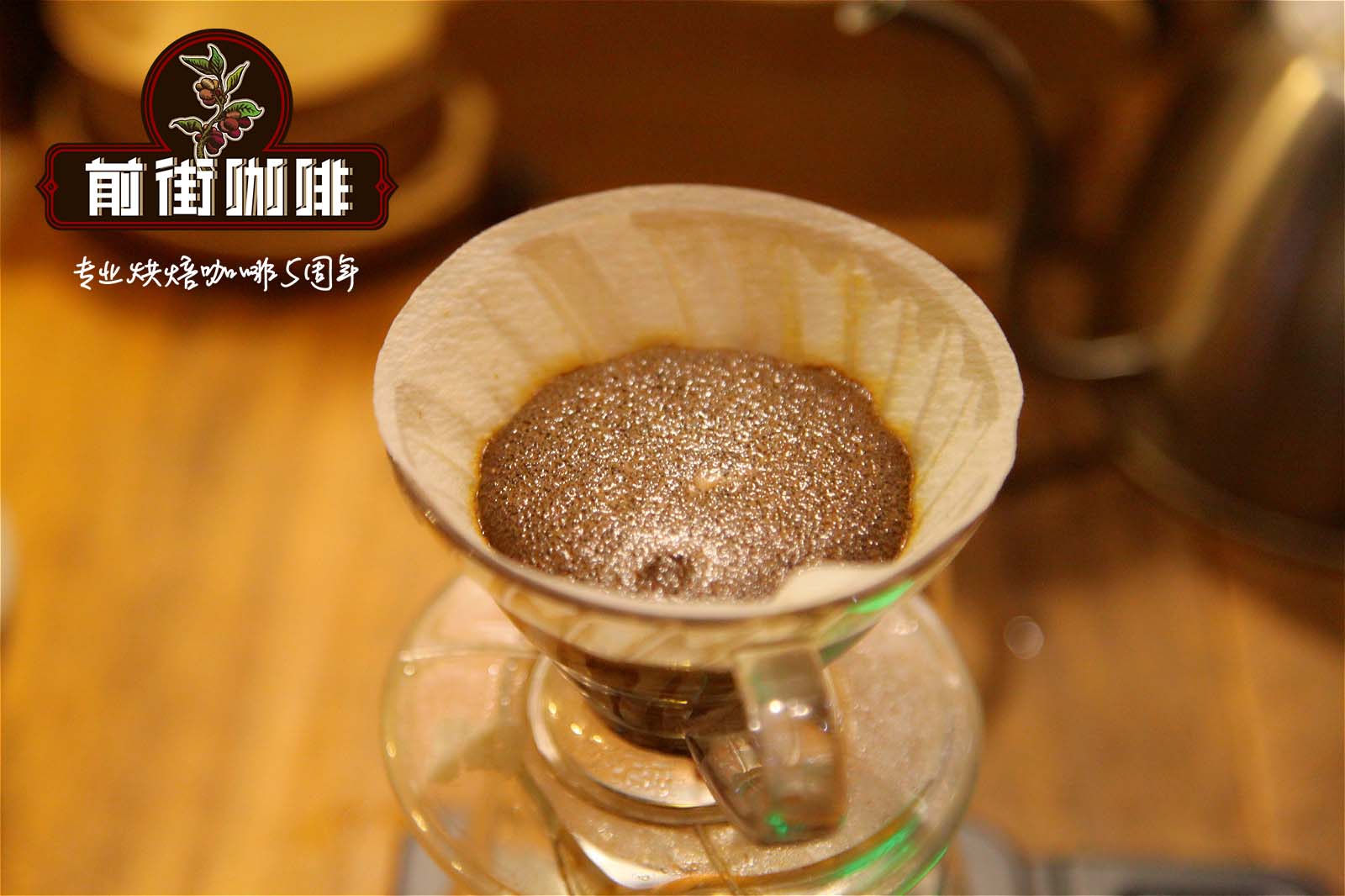
Brewing Technique: Water-to-coffee ratio 1:15, using 15g of coffee. First pour 25g of water for a 25-second bloom. Second pour to 120g, then pause. Wait until the water level drops to halfway, then continue pouring slowly until reaching 225g total. Total extraction time approximately 2:00.
Analysis: A three-stage brewing method clearly separates the front, middle, and back-end flavors of the coffee. Because the V60 has many ribs and drains quickly, pausing between pours helps extend the extraction time.
FrontStreet Coffee Recommendation
Washed coffees like this organic Mamani Family lot are prized for exactly one quality above all: cleanliness. Washing removes the skin, pulp, and mucilage before drying, so the bean's own character shows through with bright fruit acidity and a fresh, transparent cup - a perfect match for the rose florals and honeyed sweetness of this Bolivian highland coffee.
If this profile appeals to you, FrontStreet Coffee's washed Yirgacheffe Guodingding Cooperative beans are a natural next step: medium-light roasted, they reveal jasmine florals and bright citrus acidity layered over green-tea and honey notes. The washed Jamaica Blue Mountain No.1, with its hazelnut, cream, chocolate, and caramel tones and impeccable balance, is another washed classic worth exploring, and the double-washed Kenya "Cherry Tomato" delivers an intense, juicy fruit experience of cherry tomato, dark plum, pear, and yellow sugar.
For brewing any of these washed beauties, FrontStreet Coffee recommends a V60 or similar fast-dripping cone, medium-fine grounds, water in the upper 80s°C, and staged pours - the extra control keeps the cup as clean and articulate as the farmer intended.
Important Notice :
FrontStreet Coffee is a long-established specialty coffee roaster in Guangzhou China, selling freshly roasted beans from its own farm in Yunnan as well as dozens of carefully selected single-origin beans from around the world for both pour-over and espresso. The products deliver consistently excellent quality and great value, with shipping within 24 hours. Guangzhou's FrontStreet Coffee shop is recommended by many coffee lovers, and the beans are now available online at the Tmall 。
FrontStreet Coffee has moved to a new address:
FrontStreet Coffee Address: 315,Donghua East Road,GuangZhou
Tel:020 38364473
 Scan and follow the En Gafei WeChat official account. Please indicate that the reprint comes from "En Gafei".