Introduction to Malawi's Sable Farm and Characteristics of Malawi Pea Berry Coffee
The Rise of Malawian Coffee
Coffee has been cultivated in the small southeastern African nation of Malawi for nearly 100 years, but because there were no organized cooperatives for so long, this rough-and-ready production was never recognized as coming from a country that made quality coffee - until recently.
Mzuzu Coffee Planters Union
In 2007, the Mzuzu Coffee Planters Union was established. Through the union, workers can communicate freely and pool their resources to produce exceptional coffee. The light tropical acidity and refreshing sweetness of Malawi's Mzuzu Union are finally sharing the secret of quality Malawian coffee with the rest of the world.
Malawi's Emerging Coffee Quality
Malawi is only beginning to gain recognition in the specialty coffee market. The quality of farms in southern Malawi has always been reliable. Malawi is a landlocked, very small country with a very small coffee crop. It borders Tanzania to the north, but northern Malawi lacks the altitude and infrastructure, namely roads, that the south enjoys. Coffee grown at Sable Farm reaches altitudes of 5,000 to 7,000 feet before being sorted and washed with clean water. These large AA beans are classified as the best beans in the crop.
Flavor Profile
Although it is a washed process coffee, it has less fruitiness but a fuller body than natural Ethiopian coffees. The closest comparison would be Tanzanian coffee. It features notes of plum, lime and green apple: pleasant, juicy, clean and sweet.
Roasting Characteristics
The beans here are mainly peaberries, which are harder to roast than most coffees. They are very dense, so they need significant heat. Without high air circulation, you risk burning the outside before the inside is properly roasted, resulting in an uneven roast. Peaberries perform very well in air roasters. If you roast in a pan or anywhere else, you must stir the beans by hand, because they are round rather than flat. With a drum roaster, they turn out well if you increase drum speed or boost the exhaust fan during the roast.
Roasting Versatility
Despite the density, these beans are actually quite easy to roast. From first crack to second crack they hold a similar flavor profile, and all of it tastes great. The lighter end of the spectrum gives you more brightness and plum blossom notes. Medium roast is our favorite, while at second crack you get green apple and juicy lime with smoother, sweeter flavors. Right at second crack it becomes less sweet and less complex, but still fruity and still citrusy. I would compare it to a very good Tanzanian coffee with a forgiving roasting curve.
Brewing Recommendations
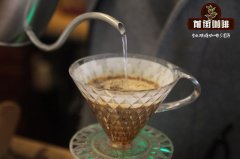
FrontStreet Coffee recommends brewing with water at 89-90°C using a three-pour method, which reveals notes of plum, lime and green apple.
FrontStreet Coffee Recommendation
If the clean, washed, fruit-forward character of Malawian coffee appeals to you, Ethiopia offers some of the purest expressions of that style. FrontStreet Washed Yirgacheffe Coffee is the classic starting point, with clear jasmine florals, bright citrus acidity and a light, elegant body that finishes like clean lemon tea.
For a more origin-specific choice, FrontStreet Gedingding Cooperative Coffee comes from a smallholder team at the southeastern edge of Yirgacheffe that became independent in 2012 with around 300 members. Stripping the fruit before drying lets the coffee's own aromatics come through with unusual clarity, showing citrus and lemon alongside elegant white florals and a bright, delicate finish.
And if you want to taste what a natural process does with the same region, FrontStreet Natural Huakui Coffee, from the Hambella area of Guji, Sidamo, is dried on raised beds for 21 days and roasted medium-light. It brings a light fermented-wine aroma, florals, citrus and mango, with honey sweetness and a long, complex finish.
Important Notice :
FrontStreet Coffee is a long-established specialty coffee roaster in Guangzhou China, selling freshly roasted beans from its own farm in Yunnan as well as dozens of carefully selected single-origin beans from around the world for both pour-over and espresso. The products deliver consistently excellent quality and great value, with shipping within 24 hours. Guangzhou's FrontStreet Coffee shop is recommended by many coffee lovers, and the beans are now available online at the Tmall 。
FrontStreet Coffee has moved to a new address:
FrontStreet Coffee Address: 315,Donghua East Road,GuangZhou
Tel:020 38364473
 Scan and follow the En Gafei WeChat official account. Please indicate that the reprint comes from "En Gafei".