Pour-Over Brewing Technique for Washed Yirgacheffe Aricha Coffee_ How to Brew Yirgacheffe Aricha by Hand
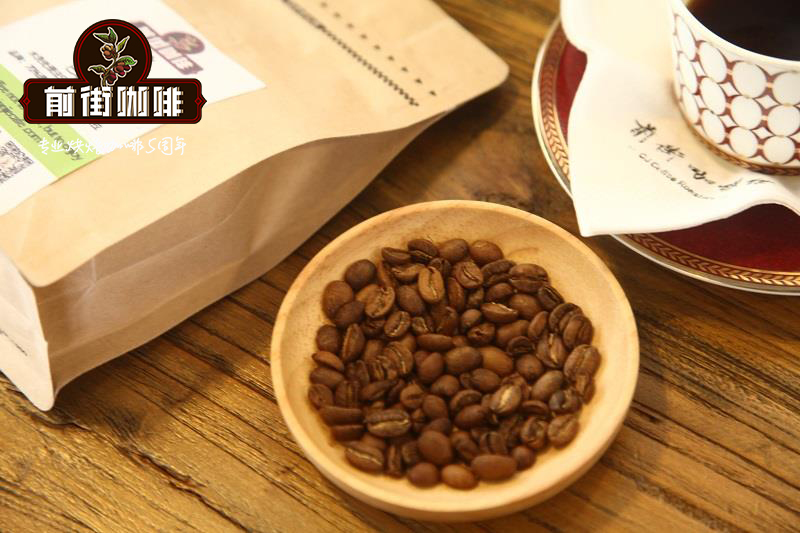
Ethiopia Yirgacheffe Aricha Washed G1
Yirgacheffe is the star growing region of Ethiopian specialty coffee and a high-altitude cultivation area set among mountains and lakes. Its distinctive "Yirgacheffe flavor" is famous the world over: rich jasmine florals, lemon-citrus fragrance, almond sweetness, and peach notes over a refreshing, tea-like finish. It is a genuine symphony of blossoms.
The Aricha (Kebel Aricha) processing station sits in the Gedeo region of southern Ethiopia, in an area that also oversees the well-known Yirgacheffe and Kochere districts. The station is located in a small place called Guji, four kilometers west of the Yirgacheffe urban area. It is owned by Mr. Surafel Birhanu, and roughly 650–750 smallholder farmers nearby deliver ripe cherries for processing in exchange for cash.
The station produces about 5 containers (18.2 metric tons per 20-foot container) of specialty coffee each year, sorted into 10 commercial grades and sold to the global market. Aricha lies in Misty Valley, Ethiopia's most celebrated Yirgacheffe micro-region. Originally the area's best-known washed station, it has become even more famous in recent years for its excellent natural processing. With its charming flavors and rich tropical fruit, it is no wonder so many drinkers are captivated. The microclimate and terroir of Yirgacheffe have become a perfect case study for specialty coffee cultivation: natural organic farming, a suitable climate, and fertile humus soil together give the coffee fruit superior conditions to develop.
Misty Valley sits at roughly 1,900–2,000 meters. Aricha was originally named Idido, then owned by the renowned Abdullah Bagersh. Coffee from Bagersh was labeled Idido Misty Valley (IMV), with bold Bagersh lettering on the burlap bags, almost a guarantee of top-quality Ethiopian coffee. Famous examples include the extremely limited lots produced with the American company Ninety Plus, such as Aricha and Beloya, while the general washed and natural Yirgacheffe series have also earned excellent reviews.
After harvesting, the coffee fruit is placed on drying racks for 48 hours and turned constantly by hand, followed by manual sorting of defective beans, which produces the highest grade, washed G1.
Although the Aricha/Idido washed station is no longer owned by Abdullah Bagersh today, a site visit by Sweet Maria's found that most local employees were retained, so Bagersh's processing procedures and standards have largely been preserved and quality has held.
How to Brew Yirgacheffe Coffee [Aricha] Well
FrontStreet Coffee pour-over reference: weigh 15g of [Aricha] coffee and grind it at a medium setting, with the particles slightly coarser than table salt. We use a BG grinder at setting 5R (60% passing a standard sieve), water at 90°C, and a V60 dripper for extraction.
Move the pour-over kettle in circles clockwise around the center of the dripper. Start the timer as you begin brewing, pour to 30g within 15 seconds, then stop. When the timer reaches 1 minute, begin the second pour, again circling clockwise around the center. The stream should not hit the point where the coffee bed meets the filter paper, or channeling will occur.
Leave a ring of dry grounds at the outermost edge, then circle back toward the center. At 2 minutes 20 seconds the brew should have reached 220g, and extraction is complete.
Japanese-Style Ice Pour-Over [Aricha]
FrontStreet Coffee ice pour-over [Aricha] reference:
Yirgacheffe coffee [Aricha], light-medium roast, BG grinder setting 5M (67% passing a standard sieve).
20g coffee, 150g ice cubes, 150g hot water. The water should be 1°C higher than the normal pour-over temperature of 90°C, so 91°C. Normal grinding uses a Fuji 3.5 setting, while the ice version uses a slightly finer half-notch, Fuji 3.
Bloom with 40g of water for 30 seconds.
Pour in stages: 60g of water first, then 40g. Use a relatively fine but tall column of water, stirring and agitating firmly so the coffee bed rolls fully, but be careful not to let the liquid level rise too high or to hit the filter paper at the edges.
Total extraction time is approximately 2.5 minutes, similar to a normal extraction with 20g of coffee.
FrontStreet Coffee Recommendation
Aricha is a textbook Yirgacheffe: white florals, lemon-citrus acidity, and a clean tea-like body. If you want to explore the region further, FrontStreet Coffee keeps a set of Yirgacheffe origins that trace the same family of flavors from washed to natural.
The washed Yirgacheffe house lot is the classic starting point, with white jasmine, bright citrus and lemon acidity, and a tea-like body at an accessible price, which has made it a common first step into specialty coffee. The Gedebeb cooperative, a processing team from Gedebeb village in the Woka district at the southeastern end of Yirgacheffe, follows the traditional washed method and shows jasmine, citrus, and lemon against a clean, bright structure. For a fruitier counterpoint, the natural Red Cherry lot is made from fully ripe cherries only, dried on raised beds for three to five weeks, and delivers citrus acidity, berry juice, honey sweetness, and a creamy, smooth body.
Yirgacheffe brews well as a pour-over, a cold brew, or an iced pour-over. FrontStreet's reference is a V60 with 15g of coffee at a 1:15 ratio and water at 90–91°C, ground to about fine sugar, so that 80% passes a #20 sieve. Pour 30g for a 30-second bloom, then add 95g (about 125g on the scale) over roughly a minute, and when the water drops to two-thirds of the bed, add the remaining 100g to reach about 225g. Drawdown finishes around 2 to 2 minutes 10 seconds.
Important Notice :
FrontStreet Coffee is a long-established specialty coffee roaster in Guangzhou China, selling freshly roasted beans from its own farm in Yunnan as well as dozens of carefully selected single-origin beans from around the world for both pour-over and espresso. The products deliver consistently excellent quality and great value, with shipping within 24 hours. Guangzhou's FrontStreet Coffee shop is recommended by many coffee lovers, and the beans are now available online at the Tmall 。
FrontStreet Coffee has moved to a new address:
FrontStreet Coffee Address: 315,Donghua East Road,GuangZhou
Tel:020 38364473
 Scan and follow the En Gafei WeChat official account. Please indicate that the reprint comes from "En Gafei".