Washed Yirgacheffe Coffee Bean Story and Flavor Characteristics - Pour-Over Guide for Washed Yirgacheffe Banko
Professional coffee knowledge and more bean information - follow us for regular brewing guides and origin stories.
Coffee comes from Ethiopia, where it remains a common household beverage that fosters friendship and community. Today coffee has spread across the globe, and FrontStreet Coffee has spent seven years quietly building its place in the specialty coffee industry. Along the way we have found that Ethiopian coffee flavors are hugely popular with coffee lovers - and those with citrus and lemon notes draw the most engagement of all.
The Art of Preserving Coffee's Terroir
A coffee's flavor is largely decided the moment the cherries leave the tree; every step afterward is about preserving what is already there rather than adding to it. That is why FrontStreet Coffee treats the roasting and brewing stages with extreme care, striving to present the fundamental flavor characteristics of each growing region perfectly. Only then are our efforts truly worthwhile.
Every Coffee Tells a Story
In fact, every coffee a customer tastes at FrontStreet Coffee carries its own story, and telling that story well is what matters. Take the Yirgacheffe in this article: from its journey out of Ethiopia to the Chinese market and onto our bean menu, every stage along the way shapes its final flavor.
The Origin of Yirgacheffe
Yirgacheffe was originally a small town in Ethiopia, and its surroundings form the highest-altitude coffee growing area in the country. Initially it was not a region of its own - just a small growing area within Ethiopia's Sidamo province. But when people first tasted Yirgacheffe coffee, everyone agreed its profile was exceptional, and gradually Yirgacheffe was declared independent from Sidamo by the ECX (Ethiopia Commodity Exchange), becoming a new coffee region in its own right and establishing itself as a coffee brand in its own name.
Economic Realities of Coffee Production
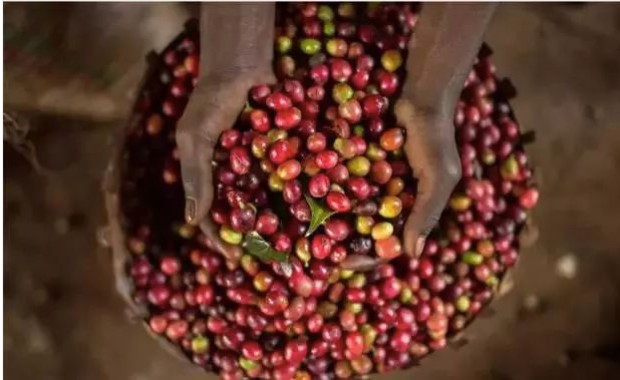
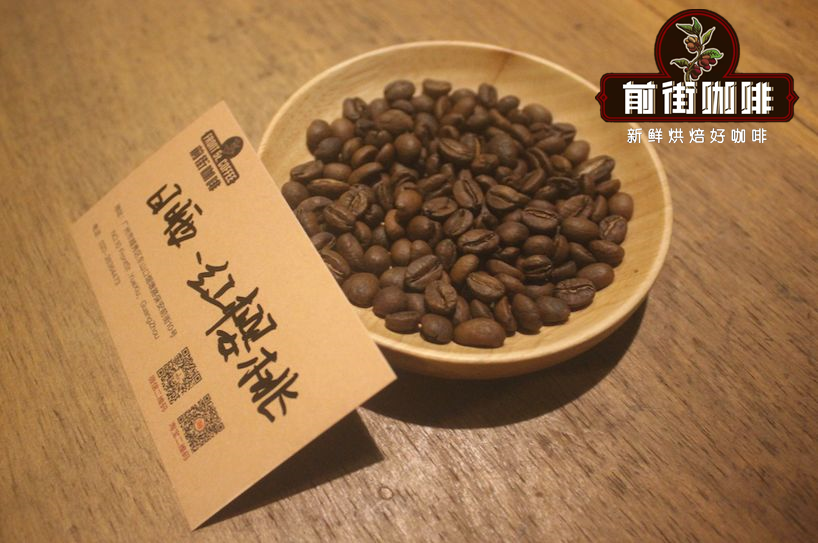
If a cup of coffee costs $3, only $1 belongs to the grower. This imbalance is one reason many producing regions remain economically constrained, limiting how far their processing methods can modernize. Ethiopia's economy does not support large estates or major processing facilities, so production typically runs through smallholder farmers sending their regional lots to cooperatives for unified processing. Natural processing is the default, but washing stations exist too. Many longtime FrontStreet Coffee customers regularly drink Ethiopian washed beans - and after comparing the natural Red Cherry and the washed Guddi Ethiopian coffees we offer, many discover they still prefer the washed Yirgacheffe.
FrontStreet Coffee's Brewing Approach
When brewing washed Yirgacheffe Guddi for customers, FrontStreet Coffee prefers a relatively high water temperature - around 91°C - because our Guddi is lightly roasted and needs that extra heat to extract its full flavor. We enjoy brewing it with 15 grams of coffee at a 1:15 coffee-to-water ratio. Taste it and you will find Guddi's bright citrus acidity, with clearly defined flavor layers.
The Truth About Inconsistent Bean Sizes
Brewing this coffee at the bar, our baristas notice many observant customers spot that the washed Yirgacheffe beans vary noticeably in size - quite uneven, in fact. Some customers then wonder whether the beans are truly Ethiopian or have been mixed with defective beans. So let us explain: these are absolutely authentic Ethiopian beans, and the size variation traces back to Ethiopia's inherent coffee management system.
Ethiopia's Coffee Biodiversity
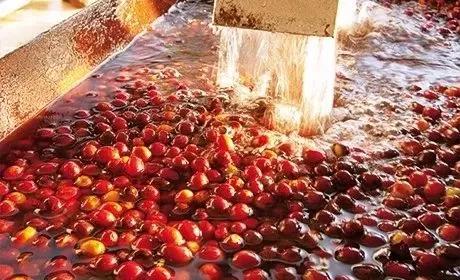
As the birthplace of coffee, Ethiopia boasts an enormous range of coffee varieties, with many wild types still undocumented. Collectively these are referred to as local landraces, or heirloom varieties. By contrast, large estates typically plant a single variety such as Bourbon throughout, so their beans come out relatively uniform. Here is another way to picture it: imagine a field where Bourbon, Typica, Caturra, Catuai, and Castillo all grow mixed together. When farmers harvest, they do not sort variety by tree - they simply gather all ripe cherries into the same basket. The beans that reach buyers will naturally vary in size.
The Natural Beauty of Ethiopian Coffee Beans
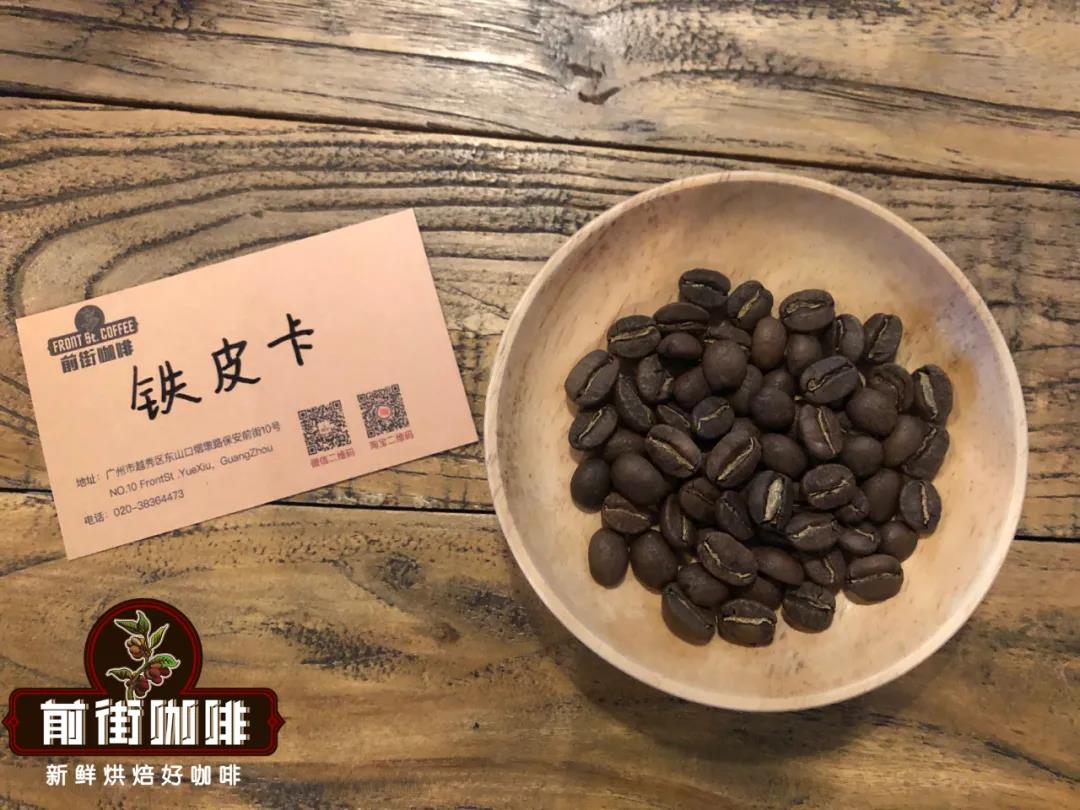
FrontStreet Coffee's Ethiopian beans are harvested in exactly this way, which is why customers notice the size variation. For Ethiopian coffee this is completely normal. Simply put, Yirgacheffe varieties are local landraces - small, relatively round in appearance, with very small beans that vary considerably in size.
Ethiopia's Coffee Grading System
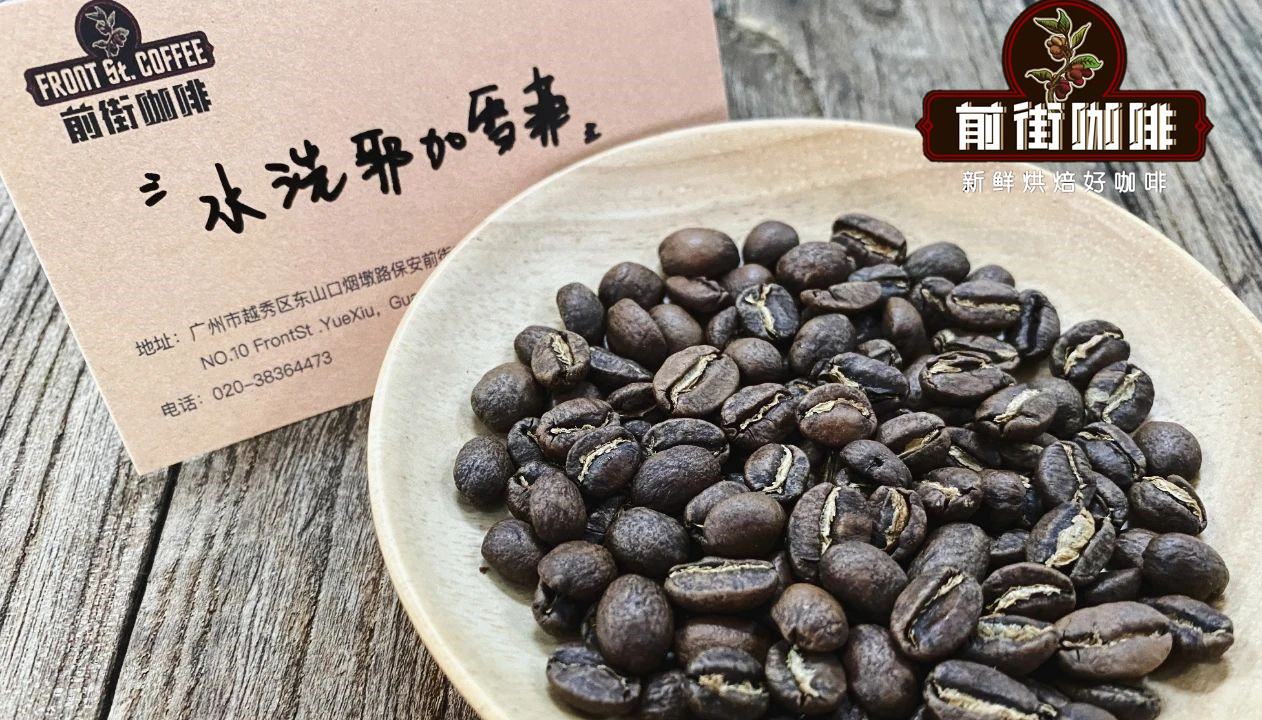
Ethiopia has therefore developed its own grading system. Under the traditional standards, washed beans are generally graded G1 and G2 - the smaller the number, the higher the grade - while natural processing uses G3, G4, and G5. We hear Ethiopia has recently introduced new grading standards as well.
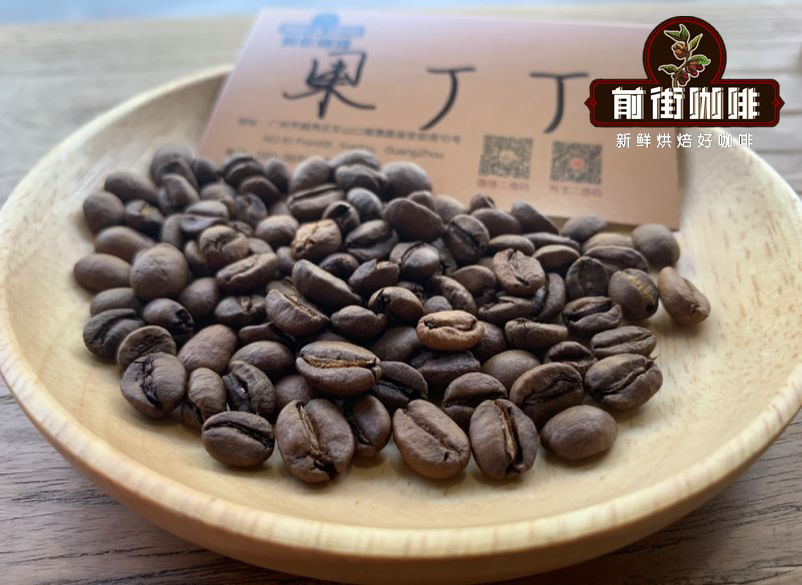
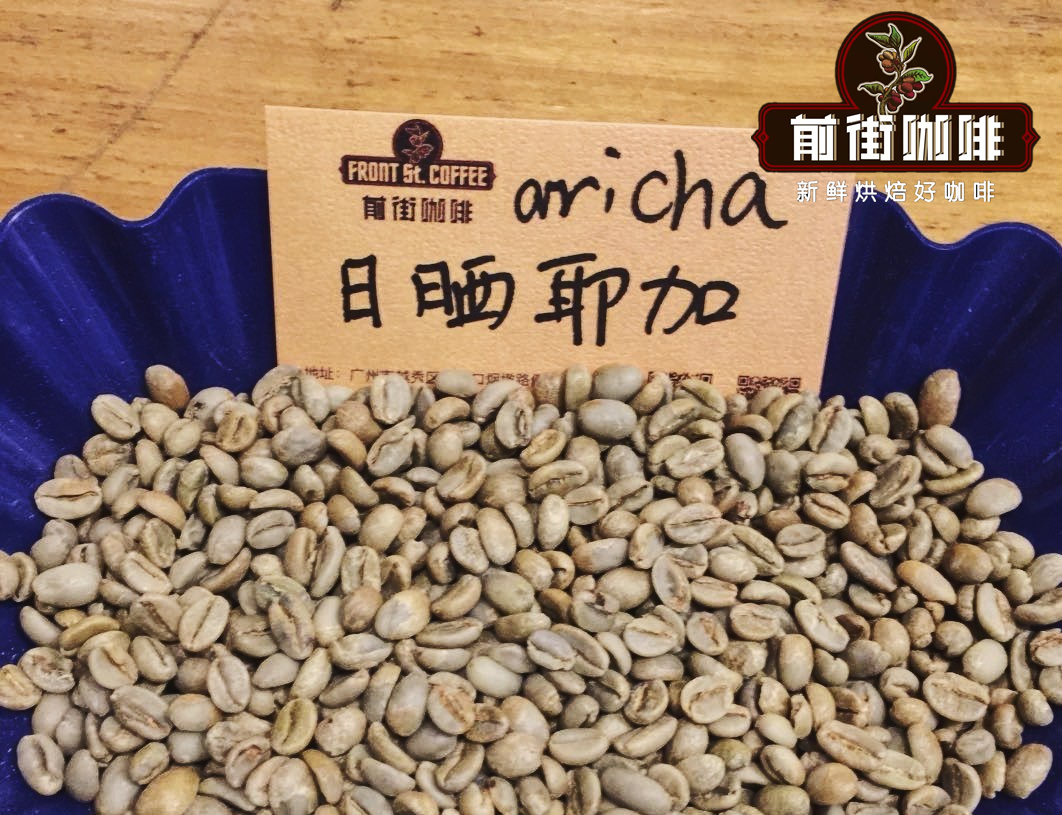
If you visit FrontStreet Coffee's store, you will find plenty of green and roasted bean samples. Generally, washed green beans are bluish-green, while natural beans are yellowish-green. There is another visible difference: washed beans carry more silver skin, while natural beans have relatively less. Roast level matters too - the darker the roast, the more completely the silver skin burns away. Ethiopia's traditional method for Yirgacheffe is natural processing, but to ensure consistently high quality, washed processing is used as well. FrontStreet Coffee's Yirgacheffe Guddi is washed, offering citrus and black tea notes in the cup.
The Importance of Silver Skin
Do not underestimate silver skin - its presence genuinely affects brewing. Too much silver skin and the brewed coffee turns astringent; yet over-polishing green beans to remove it can flatten the flavor.
The Journey of Coffee Mastery
Putting it all together, you will discover that brewing a delicious cup is easy - but brewing a cup that truly expresses its region's character takes continuous practice and experimentation with your parameters. The story of Yirgacheffe beans goes far deeper than one article, and if you would like to learn more, you are warmly welcome to visit FrontStreet Coffee's store to exchange coffee culture and ideas.
FrontStreet Coffee Recommendation
For a faithful taste of washed Yirgacheffe, start with FrontStreet Coffee's Washed Yirgacheffe daily bean: jasmine blossom, bright citrus and lemon acidity, and a tea-like finish at an approachable price - the classic first bean for anyone entering Ethiopian specialty coffee.
For a traceable single-village lot, FrontStreet Coffee's Washed Guodingding Cooperative comes from the Worka area at Yirgacheffe's southeastern edge. Since the pulp is removed before drying, the coffee's inherent character comes through with exceptional clarity: citrus and lemon tones, elegant white floral fragrance, and a bright, delicate cup overall.
Important Notice :
FrontStreet Coffee is a long-established specialty coffee roaster in Guangzhou China, selling freshly roasted beans from its own farm in Yunnan as well as dozens of carefully selected single-origin beans from around the world for both pour-over and espresso. The products deliver consistently excellent quality and great value, with shipping within 24 hours. Guangzhou's FrontStreet Coffee shop is recommended by many coffee lovers, and the beans are now available online at the Tmall 。
FrontStreet Coffee has moved to a new address:
FrontStreet Coffee Address: 315,Donghua East Road,GuangZhou
Tel:020 38364473
 Scan and follow the En Gafei WeChat official account. Please indicate that the reprint comes from "En Gafei".