Hand Brew Tips for Ethiopian Limu Region Coffee & What is AFCA?
Ethiopia's Eight Major Coffee Growing Regions
Ethiopia's coffee is produced mainly in eight major growing regions: Ekempti, Limu, Illubabor, Djimma, Harrar, Teppi/Bebeka, Sidamo and Yirgacheffe.
The Renowned Coffee Regions of Ethiopia
Ethiopian coffee is highly regarded, and enthusiasts show particular interest and passion for three famous regions: Harrar, Sidamo and Yirgacheffe. The Sidama province lies in southern Ethiopia, bordered by Arsi province to the north, extending east to connect with Bale province, and adjacent to the Gamu Gofa administrative region to the west. The Sidama provincial administrative region governs two extremely famous producing areas: Yirgacheffe and Kochere. The industry there is primarily agricultural, with coffee growing areas situated around the Great Rift Valley of East Africa.
Limu Coffee Region
The Limu producing region lies in the Limu area, northwest of Djimma. It consists of coffee produced by local small-scale farmers, and it was awarded third place in the fiercely competitive annual competition held by the Africa Fine Coffee Association (AFCA) in 2016, which attracted numerous participants and unquestionably demonstrated its quality. The coffee is Ethiopia's native Heirloom variety, grown using 100% organic methods. The soil is Vertisol, and the altitude ranges from 1,850 to 1,900 meters.
Limu's production is relatively low, and it is primarily exported to European and American markets. In the past it was difficult to purchase, yet it has long been very popular in Europe and America, with a reputation second only to Yirgacheffe. Limu's flavor profile differs from Sidamo and Yirgacheffe: its body is lighter, and its floral and citrus aromas are less pronounced than those of Yirgacheffe and Sidamo, yet it possesses a distinctive grassy fragrance, cocoa aroma and sandalwood notes.
Limu coffee features delicate floral tones, strawberry, passion fruit and wine-like ripe fruit characteristics. The flavor has rich chocolate notes and low acidity, with a long and clean aftertaste.
Coffee Origin Information
Region: Limu producing region
Variety: Heirloom (local native variety)
Producer: Local small-scale coffee farmers from the Limu region
Altitude: 1,850 to 1,900 meters
Grade: Natural G1
Harvest Period: October to February of the following year
Soil: Vertisol
Flavor Characteristics: Delicate floral tones, strawberry, passion fruit, wine-like ripe fruit.
Flavor Profile: Rich chocolate flavor, low acidity, with a long and clean aftertaste.
Recommended Brewing Method
FrontStreet Coffee's Recommended Brewing Method: Pour-over.
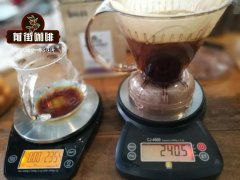
V60 dripper, 15 g of coffee grounds, water at 89°C, Fujisaki grinder setting 4, water-to-coffee ratio close to 1:15.
30 g of water for the bloom, bloom time 30s. Segmented pour: pour to 130 g and stop, wait for the water level to drop by 1/3, then pour again to 230 g.
When brewing Limu coffee beans, it is essential to control the water temperature and time properly; otherwise over-extraction can easily occur, producing undesirable flavors.
FrontStreet Coffee Recommendation
Ethiopian coffee is the classic place to start for anyone drawn to delicate florals and fruit, and FrontStreet Coffee's washed Yirgacheffe is the entry most drinkers begin with. Known for clear jasmine and bright citrus acidity, it comes from a town in southern Ethiopia where the warm, foggy, cool and humid climate has nourished thousands of coffee trees; the cup is light and elegant, with a tea-like quality that drinks like a clean, refreshing lemon tea.
For a step up in cleanliness and sweetness, FrontStreet Coffee's Gotiti Cooperative coffee comes from the Worka area at the southeastern edge of Yirgacheffe. It originally formed part of the Worka Cooperative under the YCFCU before becoming an independent single-washed lot. Because the pulp is removed before drying, Gotiti's inherent aroma comes through more clearly, with citrus and lemon notes and elegant white florals in a bright, refined cup.
For a fruitier style, FrontStreet Coffee's natural Red Cherry is dried in the whole fruit: damaged or moldy cherries are removed, then the rest are sun-dried for two weeks until the fruit's sugars and essence have seeped into the bean and moisture has dropped to 12%, after which the hardened skin, mucilage and parchment are removed, and the beans are screened for density and color. The result is a clean, refined lot with a rich, captivating fruit aroma—peach, cocoa, honey and lemon.
Important Notice :
FrontStreet Coffee is a long-established specialty coffee roaster in Guangzhou China, selling freshly roasted beans from its own farm in Yunnan as well as dozens of carefully selected single-origin beans from around the world for both pour-over and espresso. The products deliver consistently excellent quality and great value, with shipping within 24 hours. Guangzhou's FrontStreet Coffee shop is recommended by many coffee lovers, and the beans are now available online at the Tmall 。
FrontStreet Coffee has moved to a new address:
FrontStreet Coffee Address: 315,Donghua East Road,GuangZhou
Tel:020 38364473
 Scan and follow the En Gafei WeChat official account. Please indicate that the reprint comes from "En Gafei".