Why Does Coffee Have Sour Notes? How to Understand Acidity in Coffee
Understanding Coffee Acidity: A Beginner's Guide to Tasting
When a cup of single-origin coffee with acidic notes is placed before you, can you truly discern its quality? What do we taste? What do we feel?
It is quite normal for many coffee beginners to taste only "coffee flavor" in their coffee. I'm just tasting coffee, and smelling only coffee aroma.

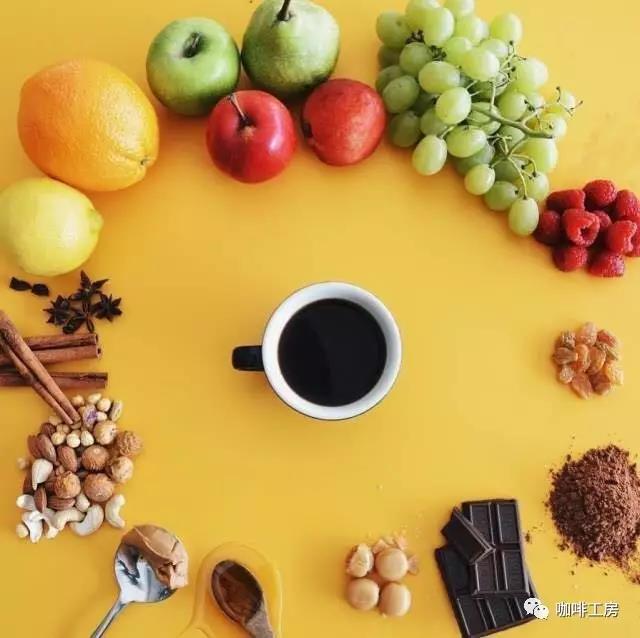
This is what the "coffee flavor wheel" looks like through the eyes of a coffee novice, perhaps the most intuitive way to picture it.
For example, we might say that African beans have "bright acidity" or "fruity acidity." Wonderful acidity gives coffee richer depth and complexity.
Types of Coffee Acidity
Poor Quality: Rotten sourness, sharp acidity, very high acidity, mouth-puckering, vinegar-like sourness
High Quality: Fruity acidity, fresh acidity, rounded acidity, smooth acidity
High-quality coffee often contains abundant organic acidic compounds, embodying rich acidic flavors such as citrus and berries. The quality of acidity is a crucial factor in specialty coffee.
For example, FrontStreet Coffee's coffee beans feature the following types of acidity:
- Sidamo: Wild ginger, bergamot, blackcurrant, and various tropical fruit acids
- Flower Butterfly (70% Geisha content): Tea aroma, honey, classic Emerald Manor Geisha flavor
- Natural Red Label: Berries, floral notes, grape acidity, peach
Learning to Appreciate Coffee Acidity
Start to accept acidity in coffee, distinguish between the various types of acidity, and experience different acidity levels.
Many people dislike acidity in coffee, preferring a very full-bodied or even strongly flavored cup. However, if you want to become a coffee connoisseur, the key to getting started is understanding acidity in coffee. It must be noted that the more acidic a coffee is, the better it is not. The sweet and acidic substances in coffee are components that contribute to the complexity of its flavor. Some coffees have very high acidity that makes the mouth pucker, and they receive very low scores in professional cupping. Other coffees, though acidic, have a comfortable, rounded acidity that balances with sweetness, and so receive higher scores.
The Science Behind Coffee Acidity
Green coffee beans contain citric acid, malic acid, quinic acid, phosphoric acid, and other acidity-related components. These, however, are not the source of the acidity we perceive when drinking coffee. The acidity created during roasting is the main source of acidic flavors.
Once green coffee beans are roasted, various components undergo chemical reactions that create new acids. The most representative reactions include the breakdown of chlorogenic acids producing quinic acid, and the breakdown of oligosaccharides producing volatile formic acid and acetic acid.
Distinguishing Acidity from Astringency
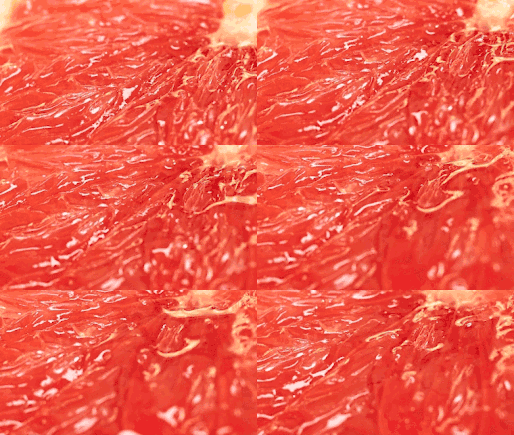
If a cup of coffee has only bitterness or acidity with no other flavors, then it is a very poor cup. There is an essential difference between acidity and astringency. Acidity is perceived when the sides of the back and lower part of the tongue start to salivate after drinking coffee, while astringency is a spicy, rough sensation on the tongue surface, throat, and palate after drinking, like the feeling of drinking coffee through gauze strips.
Astringency is an undesirable taste in coffee, representing defects from green beans through roasting and even brewing. A good cup of coffee should be neither bitter nor astringent.
Coffee Tasting Techniques
When we taste coffee, we need techniques to distinguish flavor from aroma.
"The dry aroma of this bean leans toward the elegant jasmine flower, with pleasant and lively acidity, sweet-acid balance, and acidity transitioning to sweetness."
Blue Label Geisha with sweetness is like a fruit, containing fructose in the coffee beans, with a sweet-potato sweetness similar to sucrose, brown sugar, and caramel, creating a mouth-watering sensation.
"This aftertaste is wonderful. First there's a little passion fruit acidity, then a full aftertaste, and finally the finish has some nutty notes."
"I still prefer the taste of Geisha as it cools down - the sweetness is more pronounced, with peach flavors and sweet-potato sweetness."
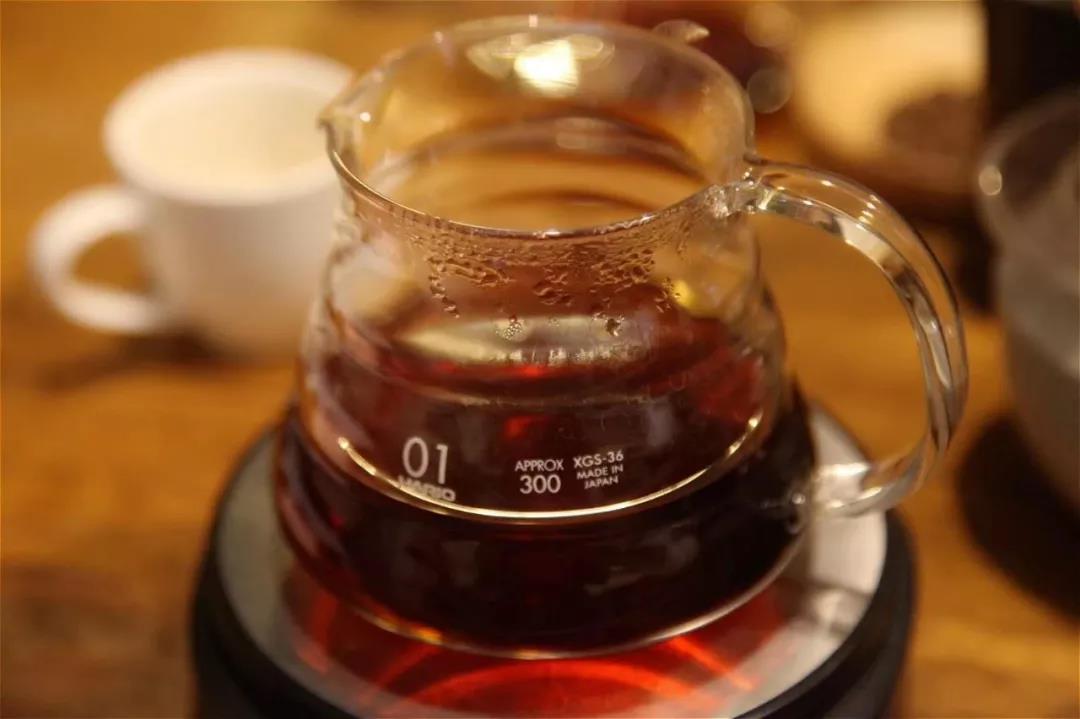
Just like wine tasting, besides aroma, you can pay extra attention to the coffee's "body," whether it is full and heavy or light, as thin as water or as thick as syrup. Is the coffee's acidity dull, lively, or strong? Finally, consider the coffee's aftertaste and overall complexity.
Learning to taste coffee is a long process. Beginners should not be discouraged by temporary difficulties. Expose yourself to more coffee, taste more coffee, and use the three steps of smelling aroma, tasting flavor, and savoring aftertaste to appreciate coffee. Gradually, you will discover the wonders of coffee flavor.
FrontStreet Coffee Recommendation
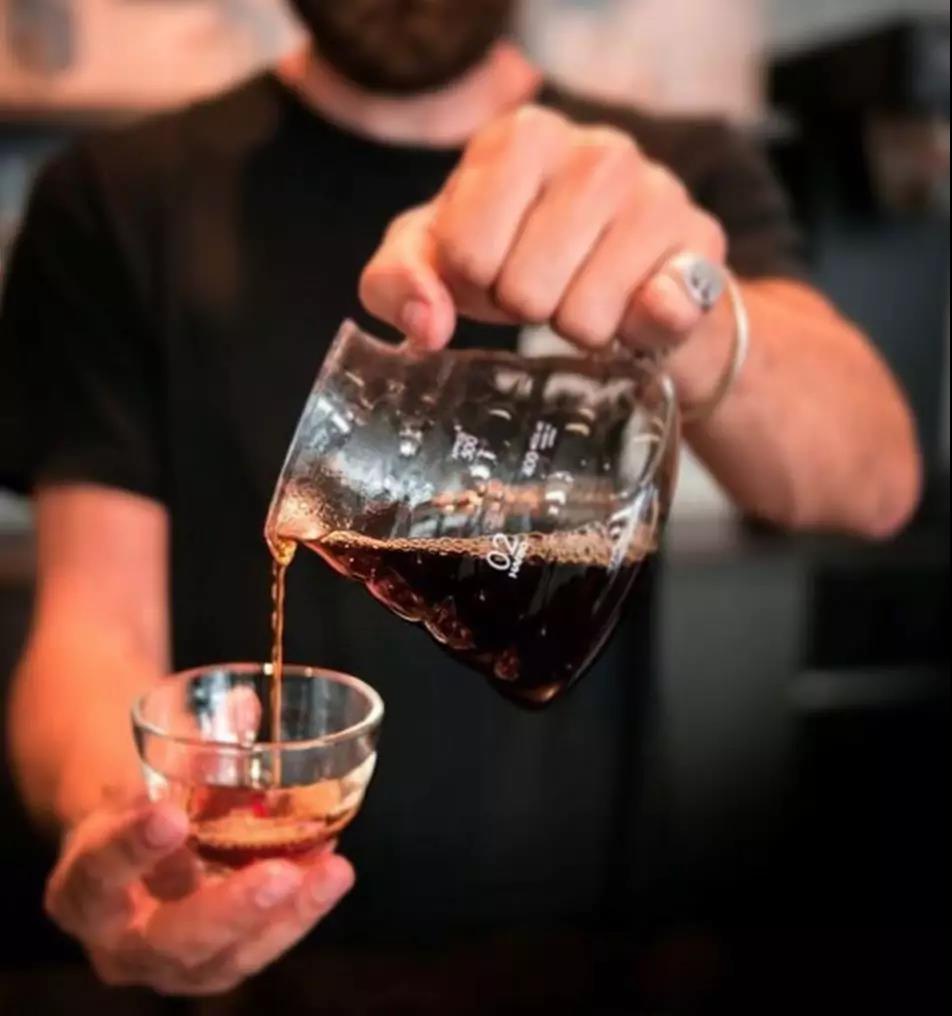
To train your palate on acidity, it helps to compare a few coffees side by side, and FrontStreet Coffee's Flower Butterfly is a good place to start. With 70% Geisha content, it combines a delicate tea aroma and honey sweetness with the classic Emerald Manor Geisha profile, so you can taste how a rounded, high-quality acidity balances against sweetness rather than puckering the mouth. For an even clearer look at the Geisha style, FrontStreet Coffee's Boquete Gesha from Panama offers orange-blossom honey character, an oolong-tea-like body, and fine fruit acidity with distinct layers. Brew either as a pour-over, taste it as it cools, and notice how the acidity shifts from bright and lively toward sweetness, just as described above.
Important Notice :
FrontStreet Coffee is a long-established specialty coffee roaster in Guangzhou China, selling freshly roasted beans from its own farm in Yunnan as well as dozens of carefully selected single-origin beans from around the world for both pour-over and espresso. The products deliver consistently excellent quality and great value, with shipping within 24 hours. Guangzhou's FrontStreet Coffee shop is recommended by many coffee lovers, and the beans are now available online at the Tmall 。
FrontStreet Coffee has moved to a new address:
FrontStreet Coffee Address: 315,Donghua East Road,GuangZhou
Tel:020 38364473
 Scan and follow the En Gafei WeChat official account. Please indicate that the reprint comes from "En Gafei".