Washed Yirgacheffe Coffee Beans Hand Brew Parameters Recommendation Washed Kochere Coffee Beans Hand Brew Flavor Characteristics
Flavor Description
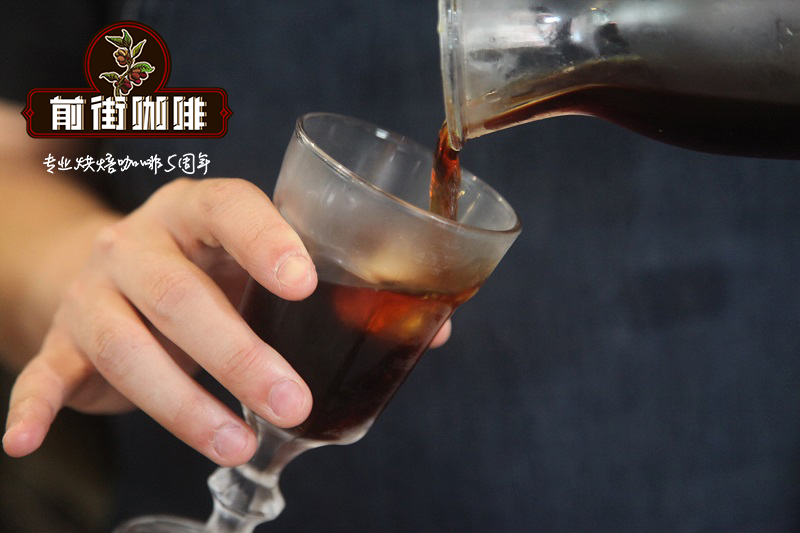
Featuring jasmine-like aromatics, with lemon and citrus acidity complemented by the sweetness of melon. This coffee offers a balanced, soft acidity with fruity sweetness, a smooth and full-bodied mouthfeel, and a strong, clean, sweet, juicy aftertaste, making it a truly premium experience.
The Kochere region's advanced equipment allows proper washed processing of Yirgacheffe green beans, producing a high-quality, clean flavor profile. Combined with Yirgacheffe's signature citrus notes, the floral aromatics come through exceptionally full-bodied.
In 2013, Kochere refined its green bean selection for better appearance and Grade 1 quality, earning a remarkable 94 points from Coffee Review and further highlighting Kochere's importance in the Yirgacheffe market.
Yirgacheffe: Ethiopia's Renowned Coffee Region
Since the 1970s, Yirgacheffe has amazed the international coffee community with washed beans that show unique floral and citrus characteristics, establishing it as one of Ethiopia's most famous coffee-producing regions. Those floral and citrus notes have become synonymous with washed Yirgacheffe. Located in southern Ethiopia, Yirgacheffe grows traditional Arabica varieties celebrated for their floral and fruity profile.
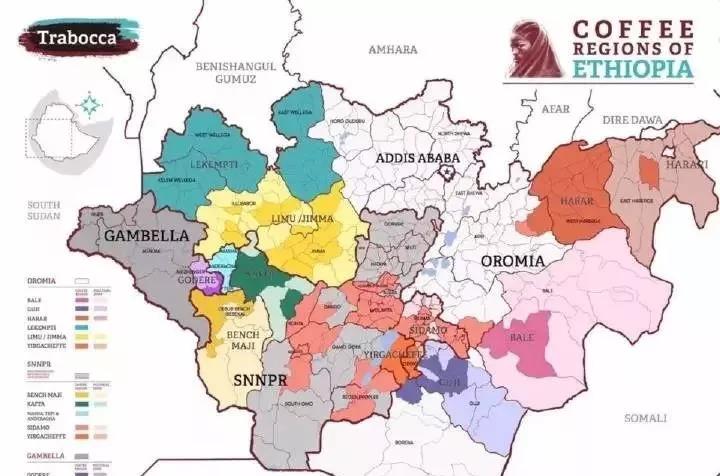
Ethiopia is the birthplace of Arabica coffee and hosts Earth's most diverse range of coffee varieties. Major growing regions include Sidama, Yirgacheffe, Kochere, Harar and Djimmah, though the English spellings of Ethiopian place names vary.
Sidama, Yirgacheffe and Kochere are the primary regions for washed specialty beans. The most renowned Yirgacheffe is a small city north of Sidama, with average elevations ranging from 1,850 to 2,400 meters and annual rainfall of 1,300mm. Thanks to its unique geography and distinctive flavors it became independent from the Sidama region. Yirgacheffe beans are famous for their jasmine-like floral aromatics and citrus character. Naturally processed Yirgacheffe offers strawberry and cream-like textures, while Harar and Sidama show stronger, wilder blueberry and berry flavors.
Kochere and Other Ethiopian Coffee Regions
Kochere is a small growing region about 25 kilometers southwest of Yirgacheffe, with approximately 10,000 coffee farmers. Most residents earn their income from the coffee harvest, and the varieties grown are local ancient heirloom types. Because the region's green bean processing equipment is relatively advanced, its coffee delivers exceptional flavor.
Harar is located in the eastern highlands of Ethiopia. Its remote, underdeveloped location and tropical dry climate mean traditional manual and natural processing methods are primarily used.
Beyond the major regions above, other common varieties on the market include:
Limu and Djimmah. In western Ethiopia, "Limu" represents washed coffee, while "Djimmah" represents natural processing.
Lekempti, Wellega and Gimbi in western Ethiopia produce coffees quite different from traditionally washed Yirgacheffe. Coffees from this region feature sweeter fruit flavors with a less prominent lemon acidity.
Ethiopia excels at natural processing, but historically, because customer requirements were less stringent and farmers had limited knowledge, most cherries were dried directly on drying grounds except in wealthier regions such as Sidama that used washed processing. This led to inconsistent quality in natural coffees, in which excellent batches could be extraordinary while poor batches were unpalatable. In the past, grading was based on the ratio of defective beans: washed green beans were Grades G1 and G2, while natural beans ranged from G3 to G5. In 2008, however, the Ethiopian government established the Ethiopia Commodity Exchange, or ECX, system, under which processed green beans from all regions are sent for cupping and detailed flavor grade classification. Today Ethiopia's natural coffees also achieve G1 grade.
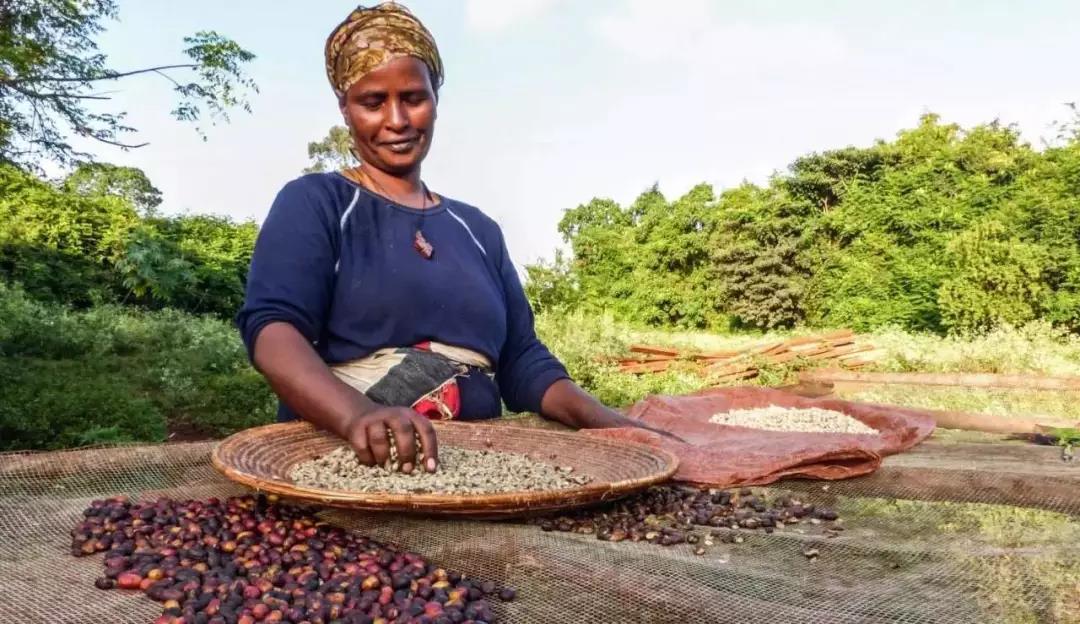
Most Ethiopian smallholder coffee farmers cultivate less than one hectare. Exporters invest in washing or natural processing plants in various regions, buying green beans from smallholders for centralized processing and export. There are also production cooperatives formed by regional smallholders who jointly invest in washing or natural processing facilities. Famous processing plants include Aricha, Beloya, Chuchu, Domerso, Gotiiti, Shakisso and Wenago, all names commonly seen on coffee bags.
In recent years, with the global popularity of specialty coffee, improved traceability management and more advanced agricultural techniques, many Ethiopian natural processing plants have imposed stricter requirements on the quality of harvesting workers and improved the quality of their drying racks. Ethiopia's natural coffees offer excellent value and delightful flavors, a true blessing for coffee enthusiasts.
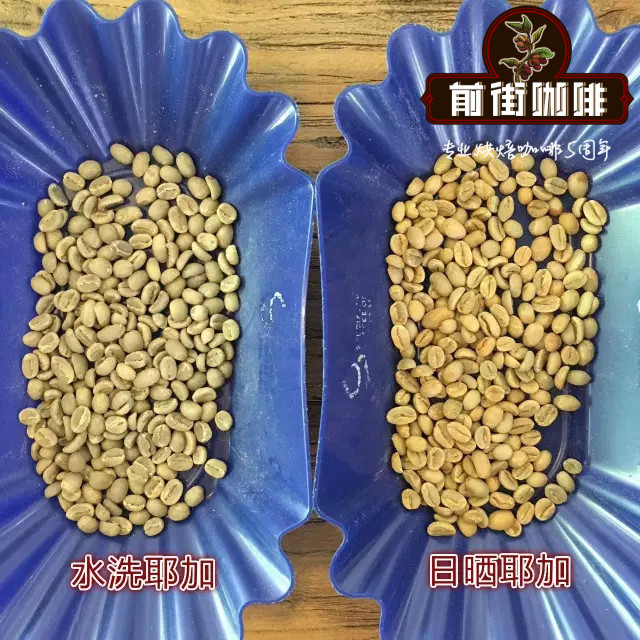
FrontStreet Coffee's Brewing Guide for Yirgacheffe Washed Kochere
FrontStreet Coffee's pour-over recommendation: weigh 15g of washed Kochere coffee grounds and grind to a medium consistency, with particles slightly coarser than table salt. FrontStreet Coffee uses a BG grinder setting of 5R (60% standard sieve pass rate) with 90°C water temperature and a V60 filter for extraction.
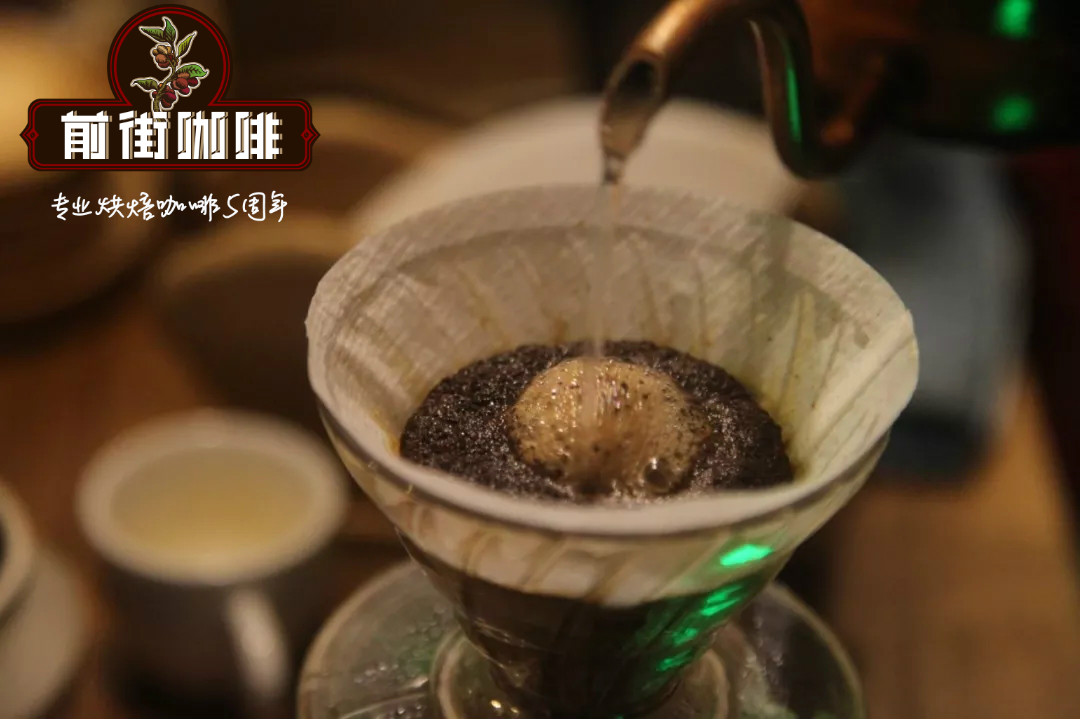
Pour hot water from the gooseneck kettle in clockwise circles around the center of the filter. Start timing when brewing begins. In 15 seconds, brew to 30g, then stop pouring. At 1 minute, begin the second pour. As with the first, move clockwise around the center, avoiding the area where the coffee grounds meet the filter paper to prevent channeling.
Leave a small circle at the outer edge when pouring over the grounds, then gradually work back toward the center. By 2 minutes and 20 seconds, brew to 220g total, and the pour-over is complete.
Japanese-Style Ice Pour-Over: Washed Kochere
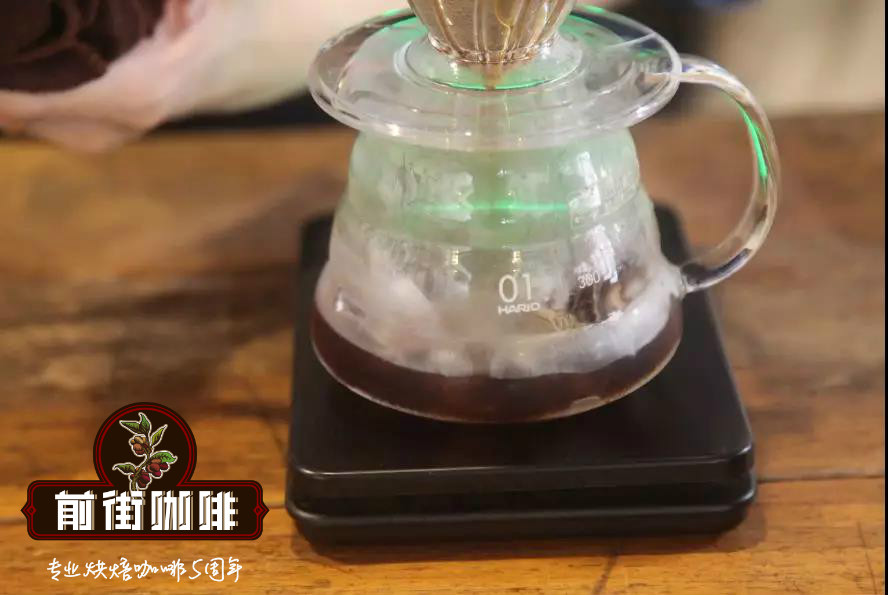
FrontStreet Coffee's ice pour-over reference for washed Kochere:
Yirgacheffe washed Kochere, light to medium roast, BG grinder setting 5M (67% standard sieve pass rate)
20g coffee grounds, 150g ice, 150g hot water. The water temperature should be 1°C higher than the normal pour-over recommendation of 91°C. The normal grind setting is small Fuji 3.5, but for ice pour-over grind slightly finer by half a setting, to small Fuji 3.
Bloom with 40g water for 30 seconds.
Segmented pouring: first segment with 60g water, second segment with 40g water. Use a relatively fine but tall water column, pouring with force to stir and agitate the grounds thoroughly. Be careful, however, not to let the liquid level rise too high or touch the edges of the filter paper.
The entire extraction should take approximately 2.5 minutes, similar to the normal extraction time for 20g of coffee.
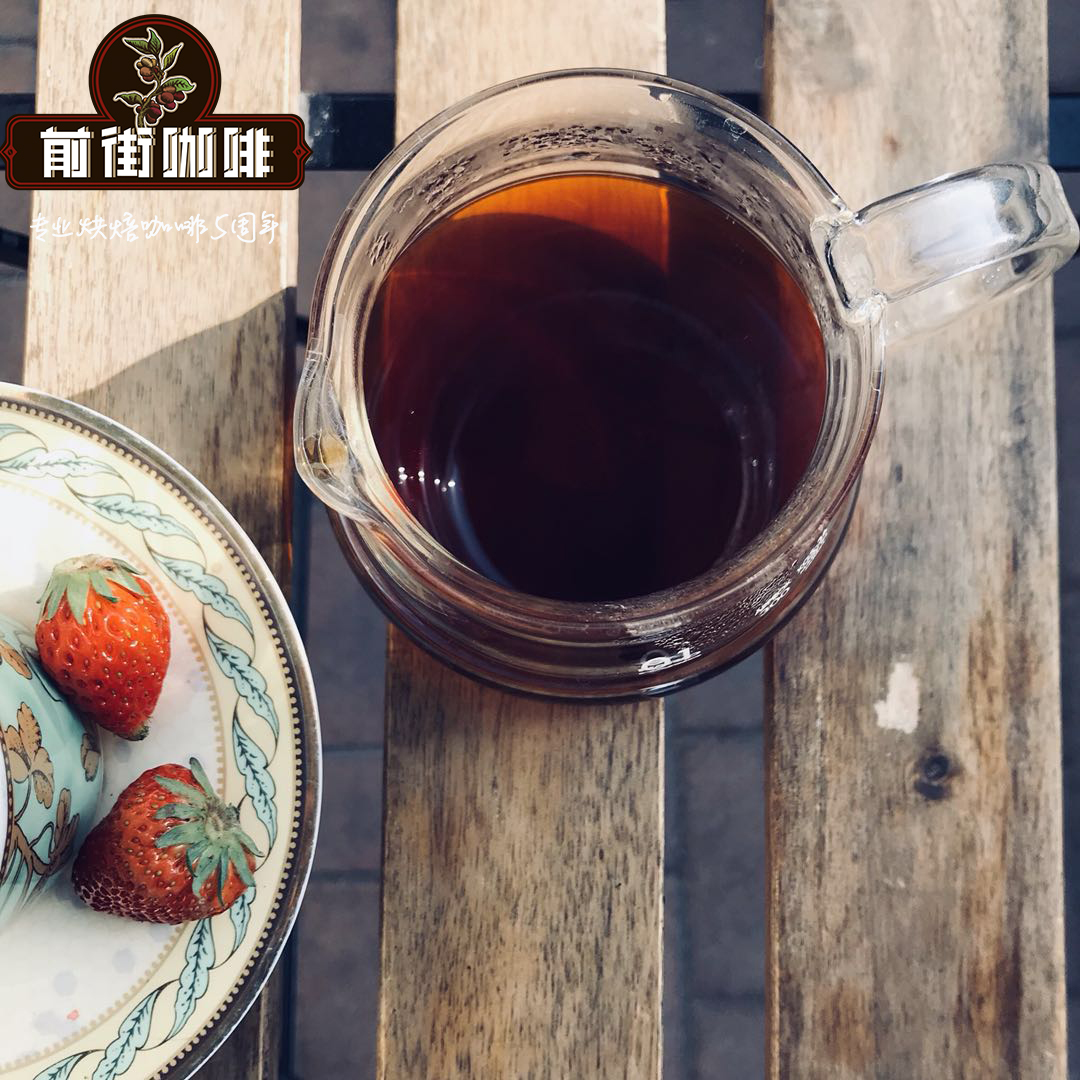
FrontStreet Coffee Recommendation
Yirgacheffe is where many drinkers discover washed Ethiopian coffee, and the FrontStreet Washed Yirgacheffe is the classic everyday version of that cup, familiar for white jasmine, bright citrus and lemon acidity and a tea-like body. Yirgacheffe is a small town in the Sidamo province of southern Ethiopia at roughly 1,700-2,100 meters, with the coffee trees planted above 1,800 meters, making it one of the highest coffee regions in the world. Historically a wetland, it lent its name to a style defined by highly recognizable white florals and lemon-citrus acidity. In 2010, with the Yirgacheffe name so well known, the Ethiopia Commodity Exchange finally separated it from the Sidamo region, which is how the Yirgacheffe coffee familiar around the world today came to be.
The town of Yirgacheffe divides into many smaller areas, down to individual villages, and several are home to skilled cooperatives whose mature techniques lift the flavor a step further. The most representative is the FrontStreet Washed Gudingding Cooperative, from the village of Gudingding. It sits in the Worka area at the southeastern tip of Yirgacheffe and was originally part of the Worka cooperative under the Yirgacheffe union YCFCU; as demand for traceability grew, coffee hunters worldwide drew it out as a single origin. The cooperative follows the most traditional washed processing, and because of this the FrontStreet Gudingding, often called one of the last clean preserves of Yirgacheffe, carries none of the traditional bitter note, bringing instead fresh, bright citrus and lemon acidity with jasmine fragrance.
From the same region comes the FrontStreet Natural Red Cherry, which uses whole-red-cherry natural processing, meaning only fully ripe, defect-free fruit is picked. The cherries go to the mill for a first screening and are laid straight onto raised beds to dry in the sun, turned once every 2-3 hours during the first days to prevent uneven heating and over-fermentation. After three to five weeks of sun drying, workers remove the outer pulp by machine and move the beans into storage. Because the fruit dries with the pulp still on it, this coffee keeps the typical Yirgacheffe character while gaining a natural's tropical fruitiness, with citrus-like acidity, a berry-juice quality, honey-like sweetness and a creamy smoothness.
For brewing, the recommended setup is a V60 dripper at 90-91°C, a 15g dose and a 1:15 ratio, with the grind at EK43s setting 10, about fine-sugar size (80% passing a #20 sieve). The pour method follows: pour 30g of water for a 30-second bloom, then pour 95g (the scale reads about 125g), finishing in about 1 minute; when the water level drops to 2/3 of the coffee bed, pour the remaining 100g (the scale reads about 225g), finishing in about 1 minute 35 seconds. Dripping completes in 2'00"-2'10"; remove the dripper to finish the extraction.
Important Notice :
FrontStreet Coffee is a long-established specialty coffee roaster in Guangzhou China, selling freshly roasted beans from its own farm in Yunnan as well as dozens of carefully selected single-origin beans from around the world for both pour-over and espresso. The products deliver consistently excellent quality and great value, with shipping within 24 hours. Guangzhou's FrontStreet Coffee shop is recommended by many coffee lovers, and the beans are now available online at the Tmall 。
FrontStreet Coffee has moved to a new address:
FrontStreet Coffee Address: 315,Donghua East Road,GuangZhou
Tel:020 38364473
 Scan and follow the En Gafei WeChat official account. Please indicate that the reprint comes from "En Gafei".