Mastering Pour-Over Coffee | Taiwan Pour-Over Coffee Champion Chen Huihuan Shares 6 Expert Techniques
Today I'm sharing six core pour-over techniques from Taiwan pour-over champion Chen Huihuan, to help you brew a delicious single-origin coffee with pleasure.
1. Wet the Filter Paper
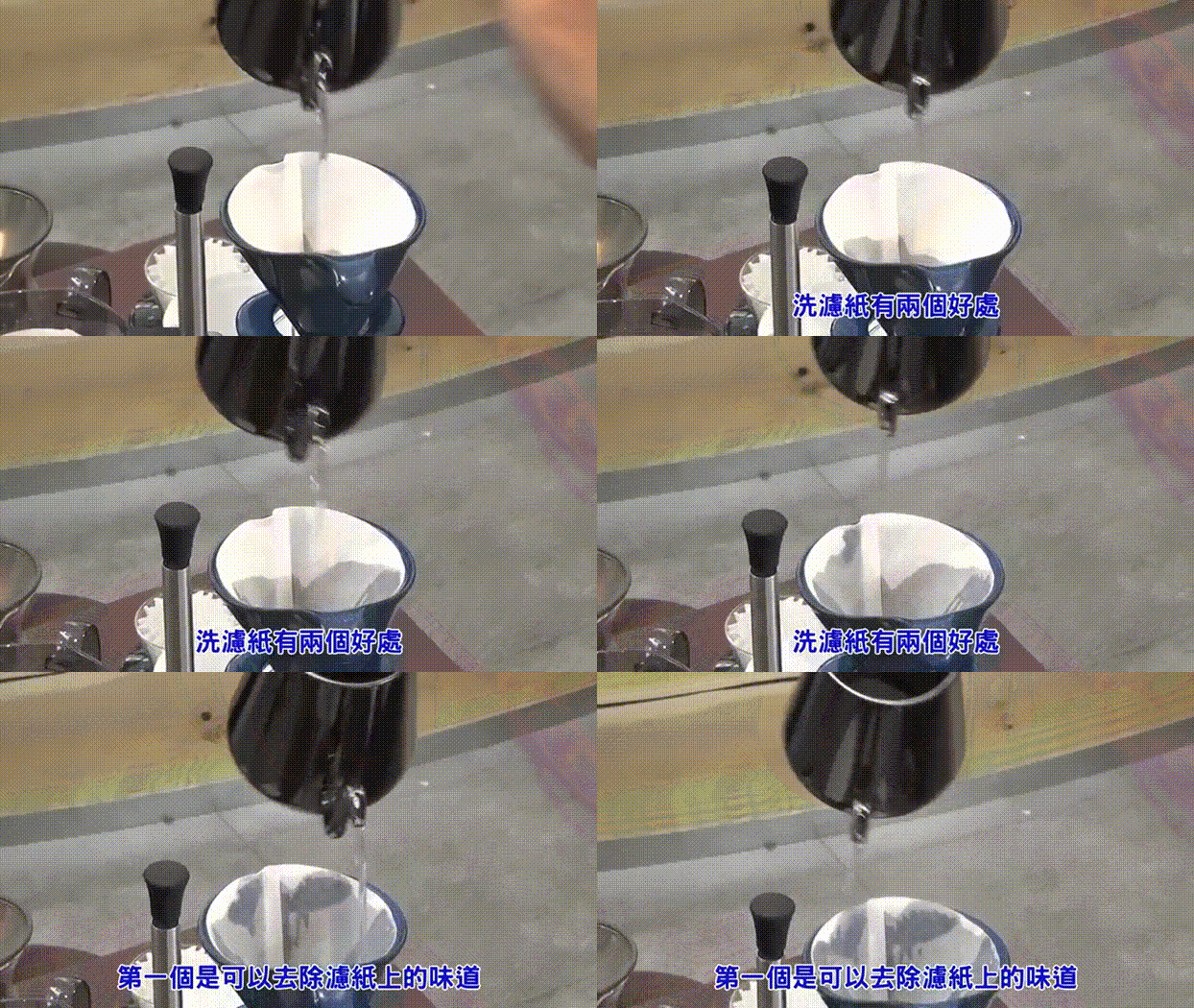
- Fold the filter paper and set it in the brewer. For paper selection, we generally choose bleached paper, since the pulp taste is not as strong.
- Use hot water from the pour-over kettle to rinse the filter paper in a clockwise circle. This serves three purposes:
- A. It makes the filter paper adhere more closely to the dripper, preventing channeling.
- B. It removes the paper taste from the filter.
- C. The hot water flows into the lower pot and warms it, which makes the coffee more delicious.
2. Tap the Grounds Container
Two benefits: first, more exposure to air, which aids degassing; second, fine particles settle to the bottom.
3. Level the Coffee Grounds
Pour the coffee grounds into the center of the filter paper, shake the dripper horizontally to level the bed, and gently tap the surface.
4. Weigh the Coffee Beans
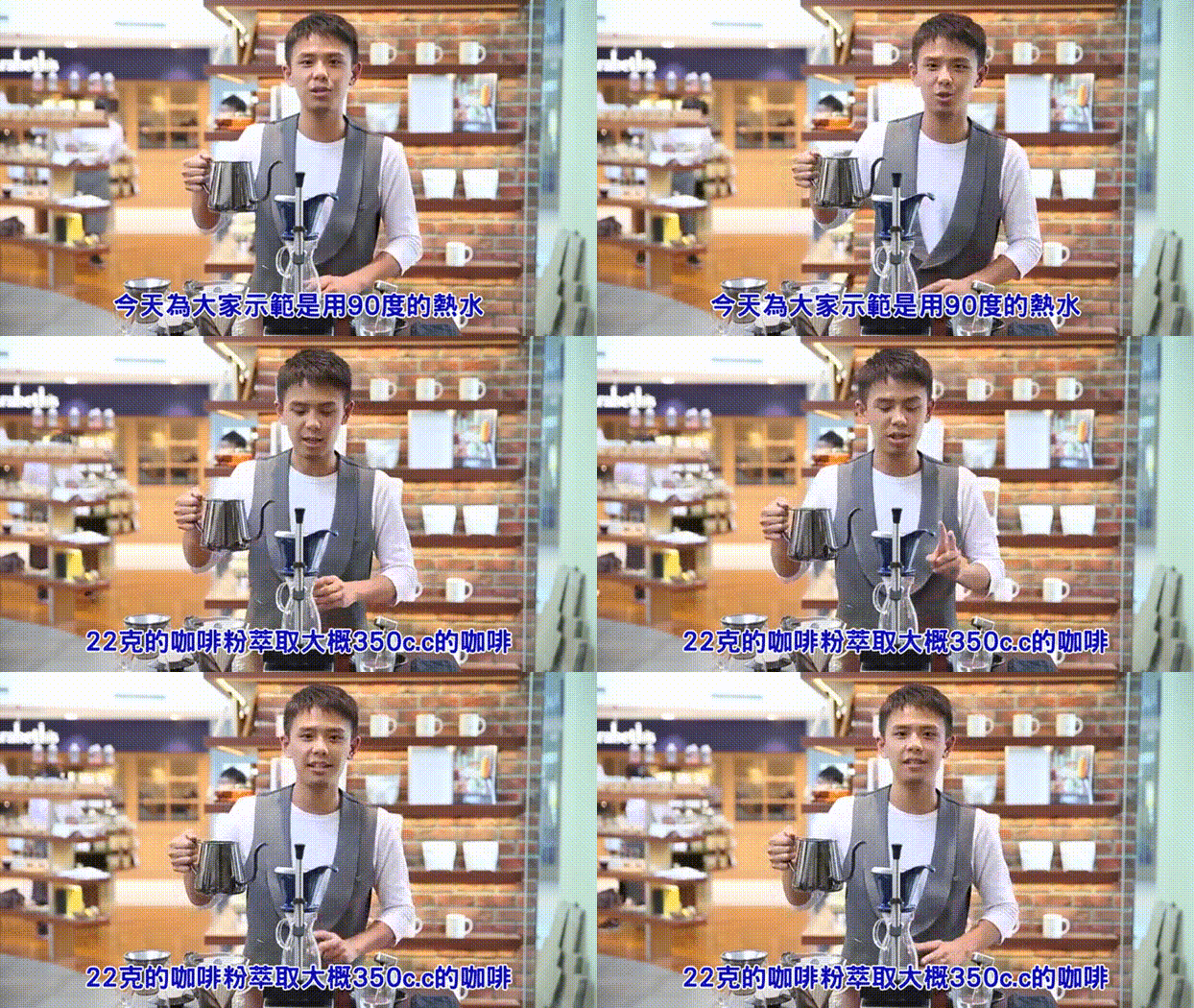
Today we use 22g of coffee with 350cc of water. The calculation should be 22 x 16 = 352ml, a water-to-coffee ratio of 1:16. Work this out before you begin brewing.
5. Bloom
Place the brewer with the leveled grounds back on the coffee pot, then use hot water from the kettle to pour in clockwise circles, starting from the center of the dripper.
In pour-over brewing, blooming is a very important step, marking the start of extraction.
It needs to be both gentle and quick in order to wet the grounds evenly, while using as little water as possible.
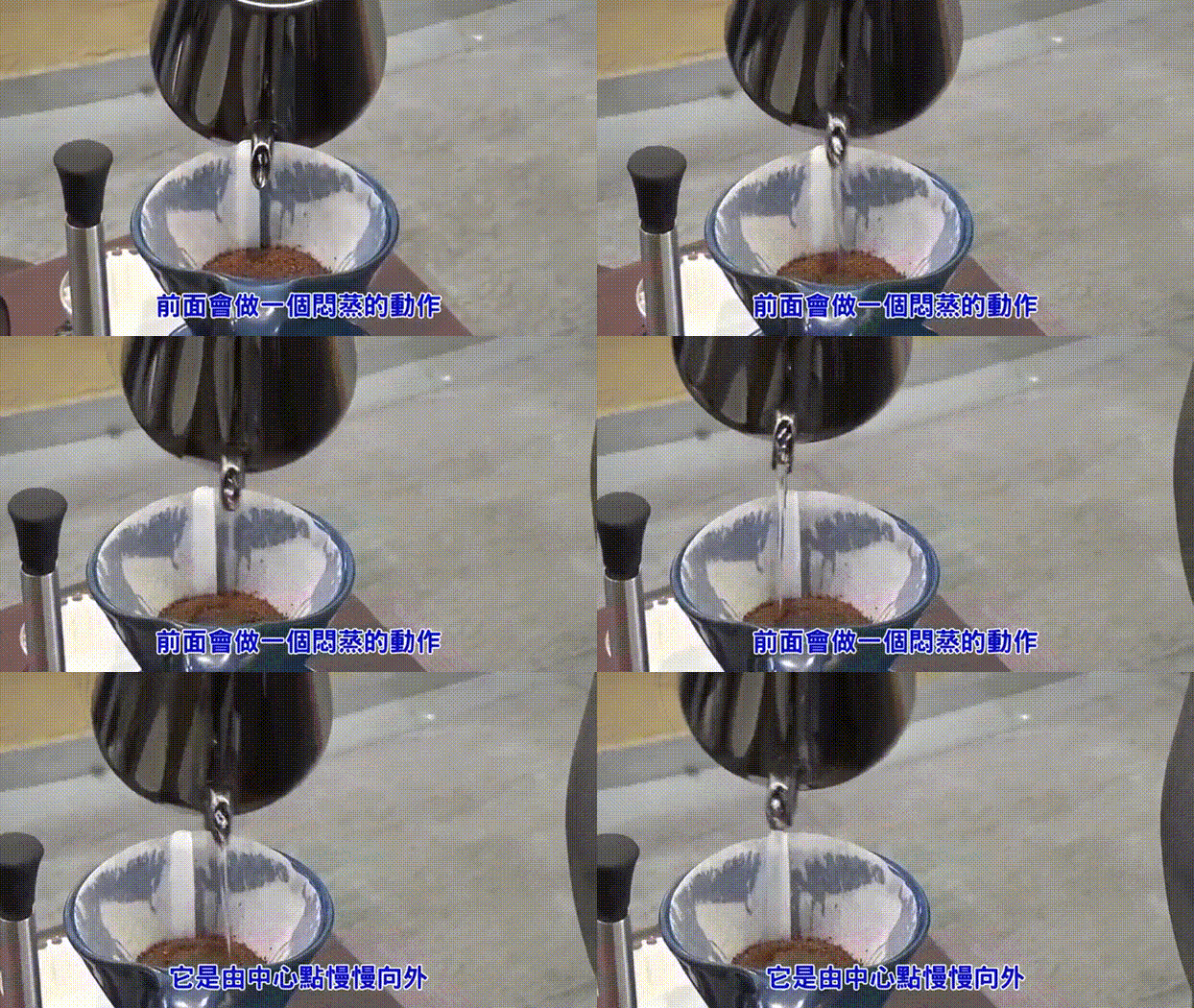
If there is too much water, you will see coffee liquid flowing out in a column shape.
If there is too little, then although no coffee liquid drops, you will still see dry powder left behind, and the bottom and middle of the coffee bed will certainly be under-bloomed. Once you understand the principle of blooming, what should you watch for during the bloom?
- Water amount: typically we use a water amount about twice the weight of the grounds, generally just enough to completely wet the coffee.
- Time: the bloom lasts about 20-30 seconds after pouring, and depends on freshness and roast level.

In the video, the pre-infusion is 20 seconds.
Start from the center of the dripper and pour in clockwise circles. The water should not hit the area where the coffee bed meets the filter paper, to avoid channeling, which means water flowing straight to the lower pot without contacting the grounds.
6. Pouring Water
The pour needs to be both gentle and quick to wet evenly while using minimal water. Gentleness helps extend the steeping and extraction time of water in the coffee bed.

Interrupt the water flow in the middle.
For the second segment, pour from the center, and the water level should not exceed the original height of the coffee bed.

Finally, remove the dripper before fine bubbles flow out, which reduces the amount of strongly flavored coffee liquid draining into the pot. Practice several times to find your balance point.
The best part is experiencing the joy of pour-over coffee through this whole process.
FrontStreet Coffee Recommendation
The Hario V60 handled in this guide is one of the most versatile drippers for florals and fruit, and FrontStreet Coffee roasts a range of beans that suit it perfectly. FrontStreet's washed Yirgacheffe Gutingding Cooperative is the classic choice, with jasmine florals, bright citrus and lemon acidity, and a clean green-tea finish, ideal for practicing the pouring rhythm described above.
If you want a more fruit-forward cup, FrontStreet's Huakui, an Ethiopian natural, brings vivid tropical and berry aromatics. And for something like a fruit-floral blend, FrontStreet's Strawberry Candy combines a Panama Gesha with a Costa Rican honey-processed coffee for a delicate, sweet, layered cup that is especially rewarding with a V60.
Important Notice :
FrontStreet Coffee is a long-established specialty coffee roaster in Guangzhou China, selling freshly roasted beans from its own farm in Yunnan as well as dozens of carefully selected single-origin beans from around the world for both pour-over and espresso. The products deliver consistently excellent quality and great value, with shipping within 24 hours. Guangzhou's FrontStreet Coffee shop is recommended by many coffee lovers, and the beans are now available online at the Tmall 。
FrontStreet Coffee has moved to a new address:
FrontStreet Coffee Address: 315,Donghua East Road,GuangZhou
Tel:020 38364473
 Scan and follow the En Gafei WeChat official account. Please indicate that the reprint comes from "En Gafei".