What's the difference between Red Wine Natural Process Caturra and Natural Process Caturra?
Costa Rica has many producing regions, and even beans from the same region can taste quite different.
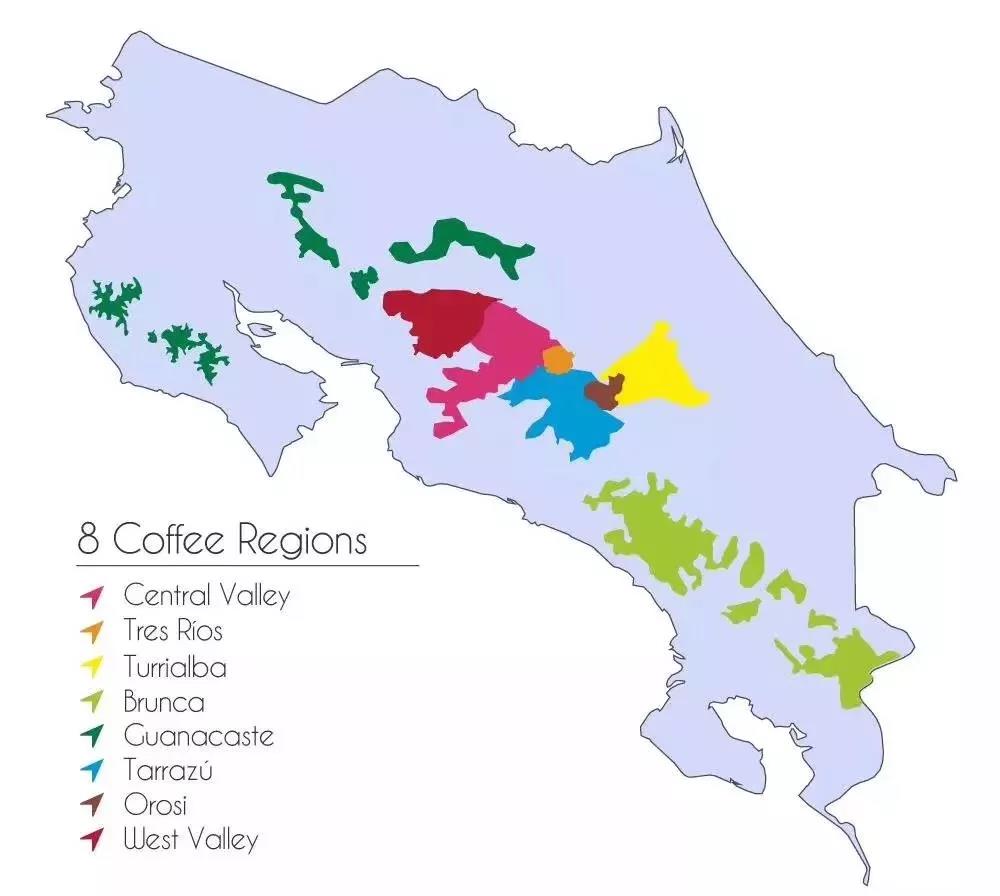
West Valley: Costa Rica's Premium Coffee Region
The West Valley is one of Costa Rica's eight major coffee producing regions. Its harvest runs from November to mid-March of the following year, one of the longer seasons in the country. The coffee is fruity, with nutty almond notes. West Valley beans do not have the bright acidity of Tarrazu beans; their flavor is more subdued and stable. What is remarkable is how the flavor evolves as the coffee cools, shifting through continuously changing profiles. The mouthfeel is not striking so much as pleasant, the kind of coffee that is easy to keep drinking.
With rich volcanic soil, ample sunlight, an average annual relative humidity of 81%, abundant rainfall, and an average temperature of 21.5°C, the region supports lush growth and is ideal for high-altitude premium coffee. The West Valley also has distinct wet and dry seasons: when the harvest begins, the dry season arrives, giving the region enough sunlight to sun-dry the beans after washing. That advantage is rare elsewhere in the country, where most famous regions rely on machine drying. Average cultivation altitude runs from 1,000 to 1,600 meters. Because more Pacific airflow reaches the area, the West Valley is often cooler than other mountainous zones at similar or higher altitudes, and the quality of the cherries and seeds is exceptionally good.
Today let's compare two coffees from Costa Rica's West Valley: the Red Wine Natural Caturra from [Aquilea Brothers Processing Plant] and the Natural Caturra from [Angel Estate]. How do they differ?
Different Altitudes:
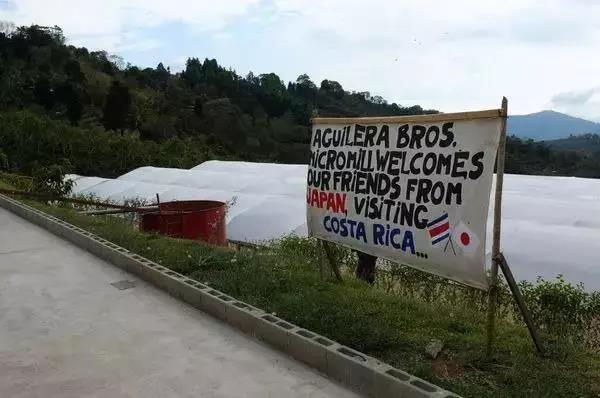
[Aquilea Brothers Processing Plant] Altitude: 1,600-1,700 meters
[Angel Estate] Altitude: 1,550 meters
Different Processing Methods:
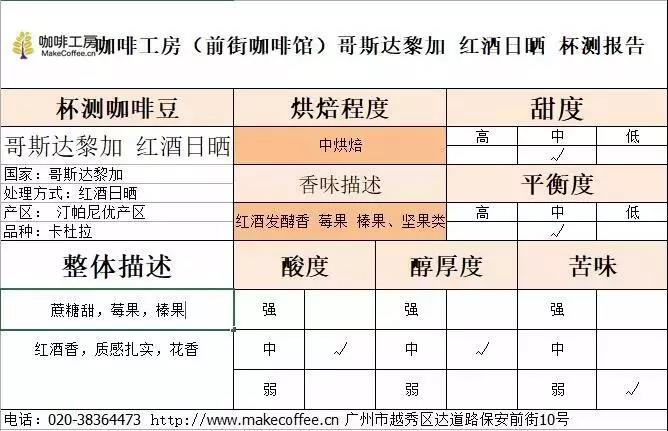
[Aquilea Brothers Processing Plant] Processing Method: Red Wine Natural Fermentation. The cherries are pulped and placed in stainless steel containers with controlled temperature and humidity, then sealed. After carbon dioxide is injected, the anaerobic environment slows the breakdown of sugars in the mucilage and the pH falls more slowly, so less acetic acid is produced. At 22°C, dry fermentation can run for 3 days without developing astringent or vinegar-like flavors, and at lower temperatures it lasts even longer. Finally the beans are removed and sun-dried.
[Angel Estate] Processing Method: Traditional Natural Processing. The harvested cherries are exposed directly to sunlight for about two to four weeks. This method is typically used in countries with distinct wet and dry seasons.
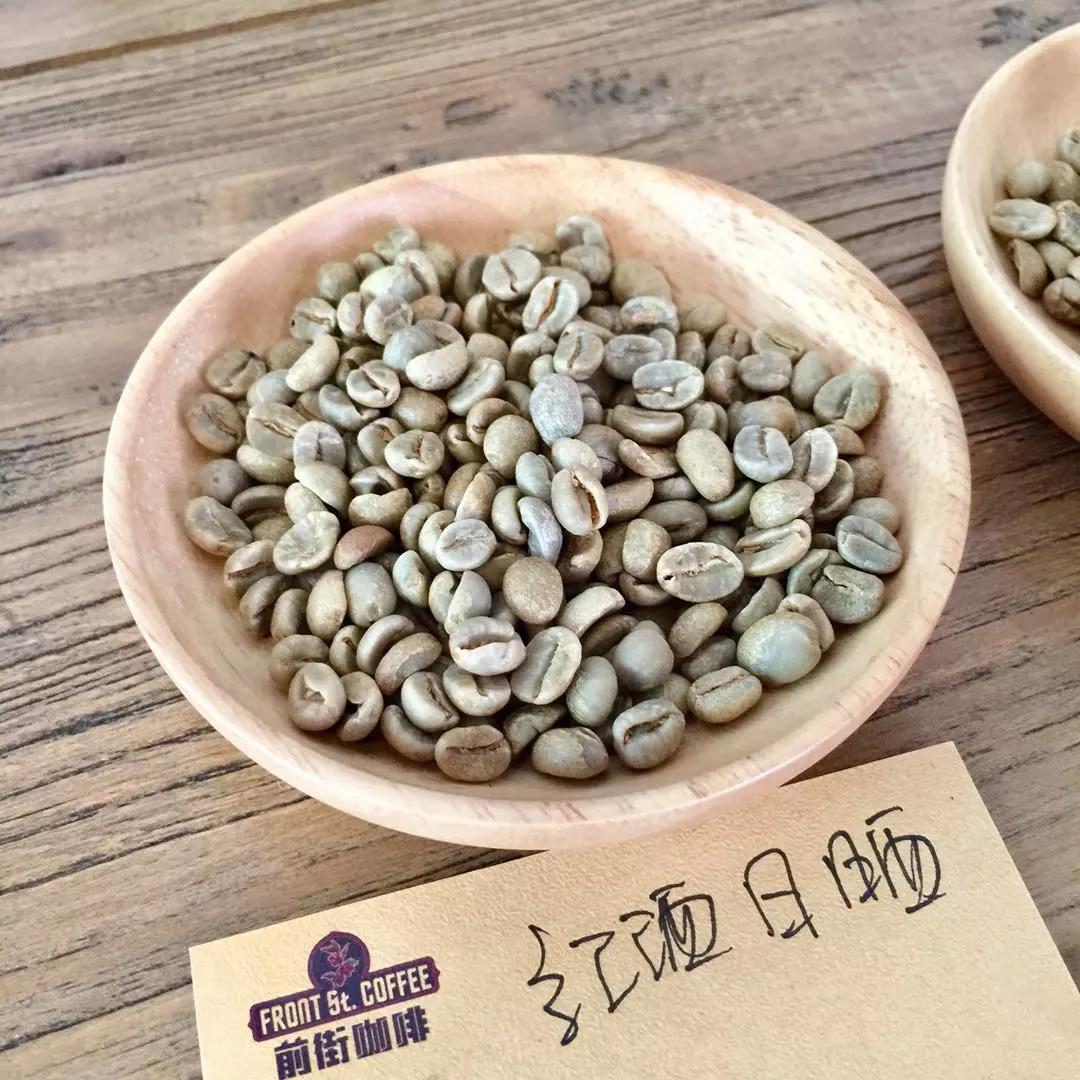
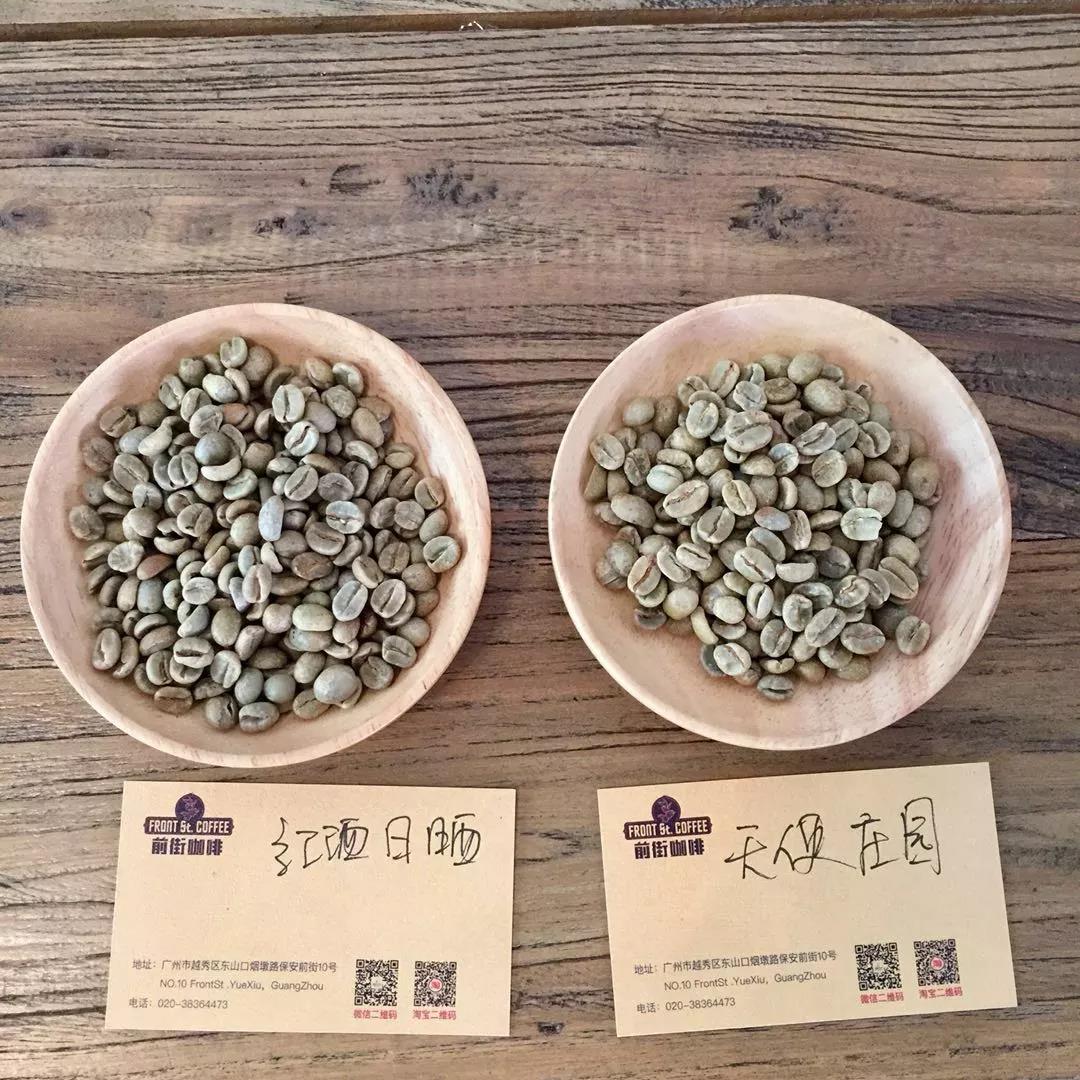
Different Green Beans:
[Aquilea Red Wine Natural] Variety: Caturra, with higher bean density, medium moisture content, and a rich red wine fermentation aroma.
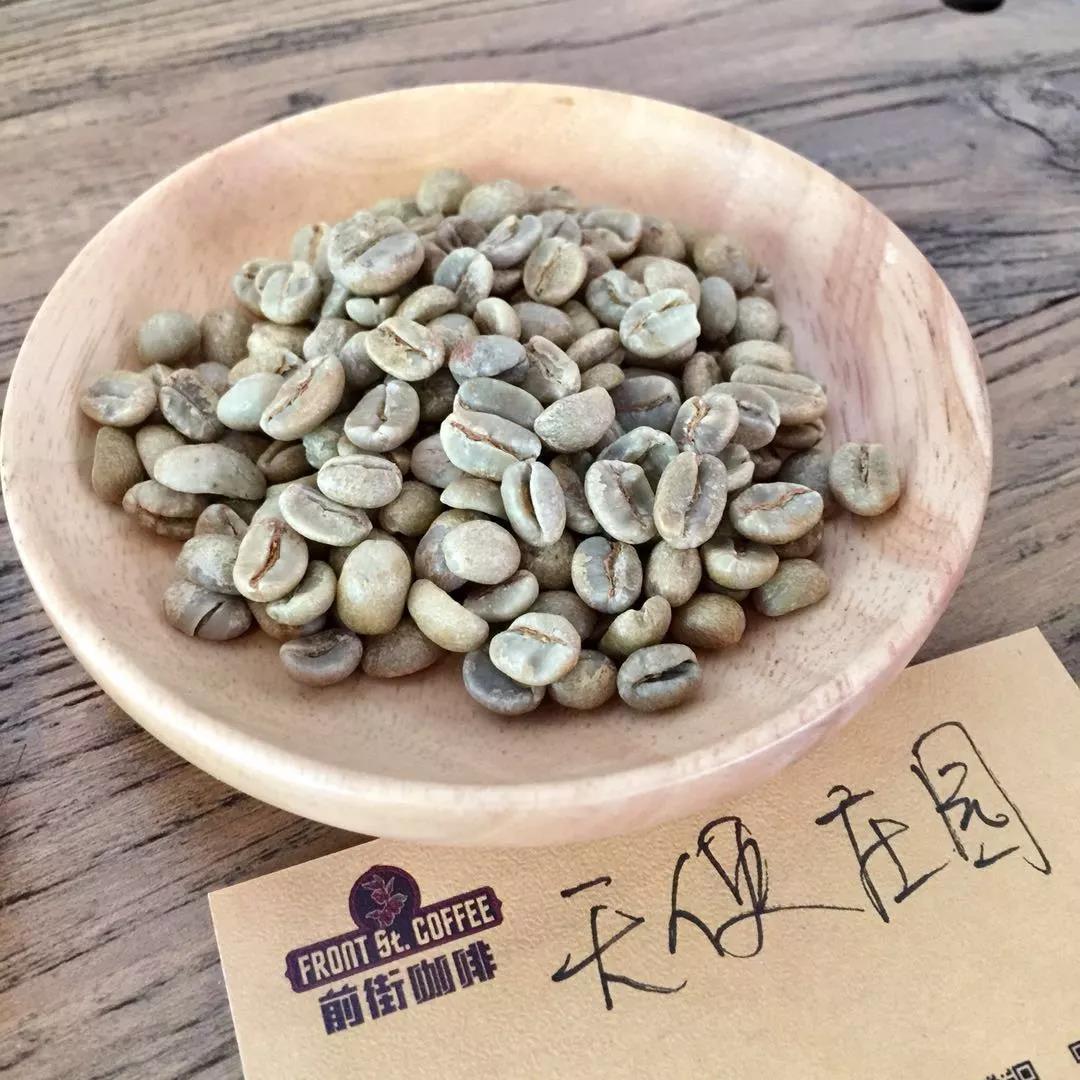
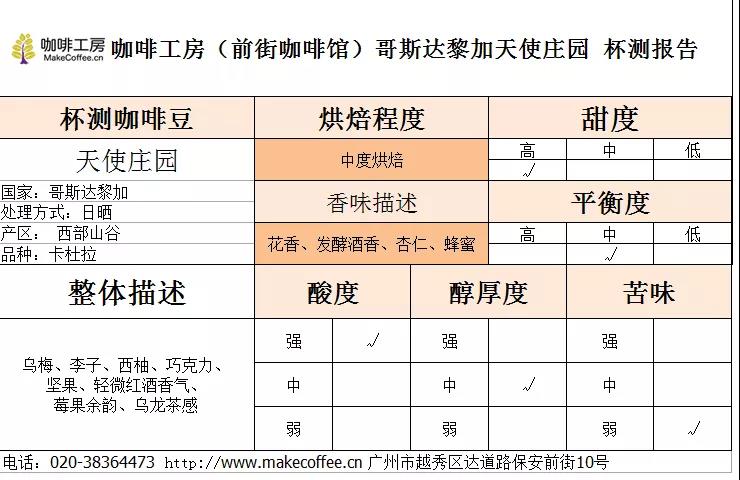
[Angel Estate] Variety: Catuai. These green beans are plump, green with yellow undertones, with good uniformity and medium moisture content. They smell of fresh tropical fruits and light fermented wine aromas.
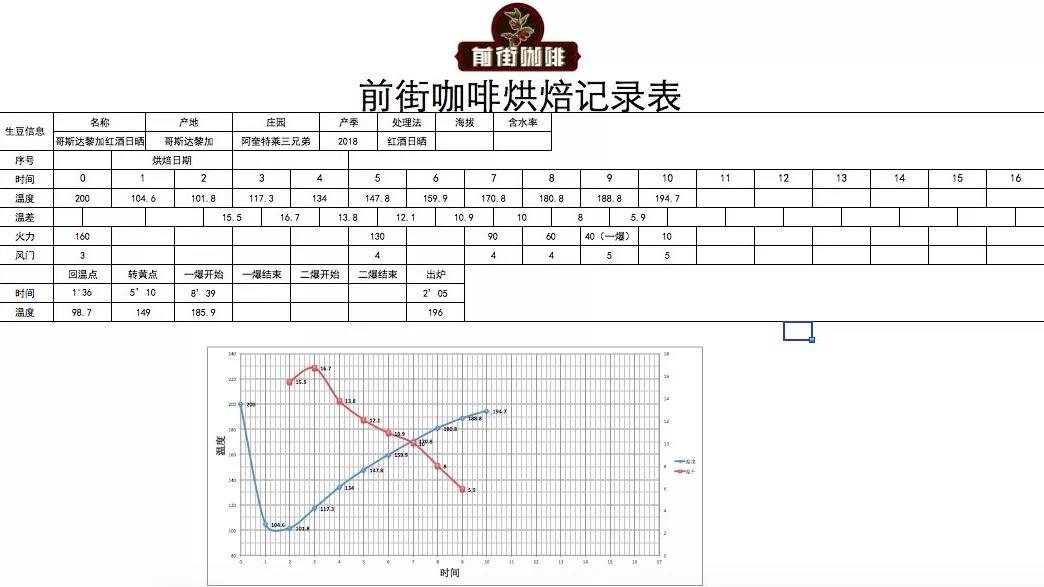
Different Roasting:
Even for beans from the same region with similar altitude and characteristics, we make minor adjustments to airflow and final temperature based on different processing methods, preserving each bean's unique character while ensuring an even roast.
These two beans do not differ much in altitude or variety, so we use a gradual heat reduction and steady increase approach. During first crack we fully open the damper to level 5, because as heating continues, water vapor and carbon dioxide from the Maillard reaction create significant pressure on the bean's cellular structure. When the pressure grows too great, the structure ruptures and water vapor, carbon dioxide, and other substances burst from the bean, marking the beginning of first crack and producing large amounts of smoke. At that point we open the damper to maximum.
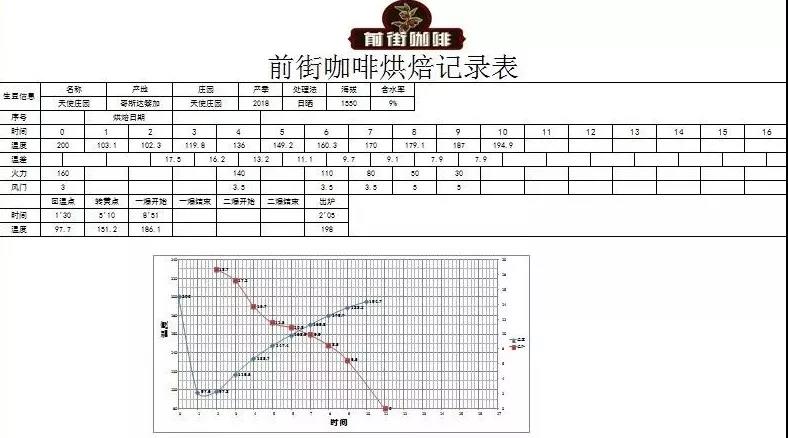
The flavor differences come from the processing. Because [Aquilea Red Wine Natural] undergoes special processing with more sugar breakdown during fermentation, we use a lower final temperature to preserve the fermentation aroma and more fruit acidity. A final temperature that is too high would damage aromatic compounds and create excessive bitterness. For [Angel Estate Natural], we emphasize its prominent caramel sweetness, so we use a final temperature 2 degrees higher than [Aquilea Red Wine Natural], which allows for longer development and more balanced sweet and sour notes.
Different Cupping Flavors:
[Aquilea Red Wine Natural] Flavor: rich red wine fermentation aroma, gentle berry acidity, nuts, roasted hazelnuts, with floral notes and a cool mouthfeel on the finish. At room temperature the red wine flavor becomes more pronounced, like drinking ginseng tea.
[Angel Estate Natural] Flavor: a subtle natural-processed fruit aroma with honey and almond scents and rich floral notes. On the palate it reveals the acidity of preserved plums, plums, and grapefruit, along with some nutty and chocolate flavors. It has a berry-like aftertaste with oolong tea sensations and a slight red wine aroma. Exceptionally clean, with distinct sweet and sour notes.
Different Brewing Parameters (FrontStreet Coffee Reference Data):
[Aquilea Red Wine Natural], Dripper: V60, Water Temperature: 90-91°C (the roast is 2 degrees darker than Angel Estate).
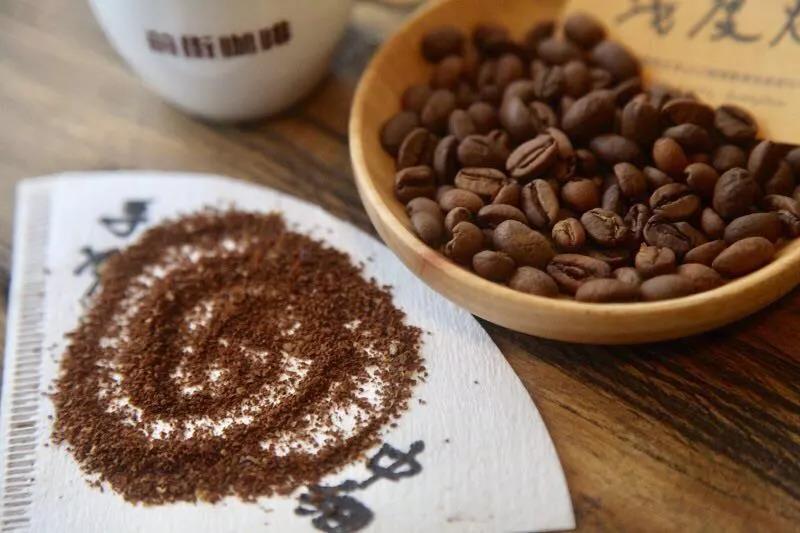
Grind Size: BG 5R (China standard #20 sieve, 64% pass rate), close to fine sugar.
30g water for bloom, bloom time 33s.
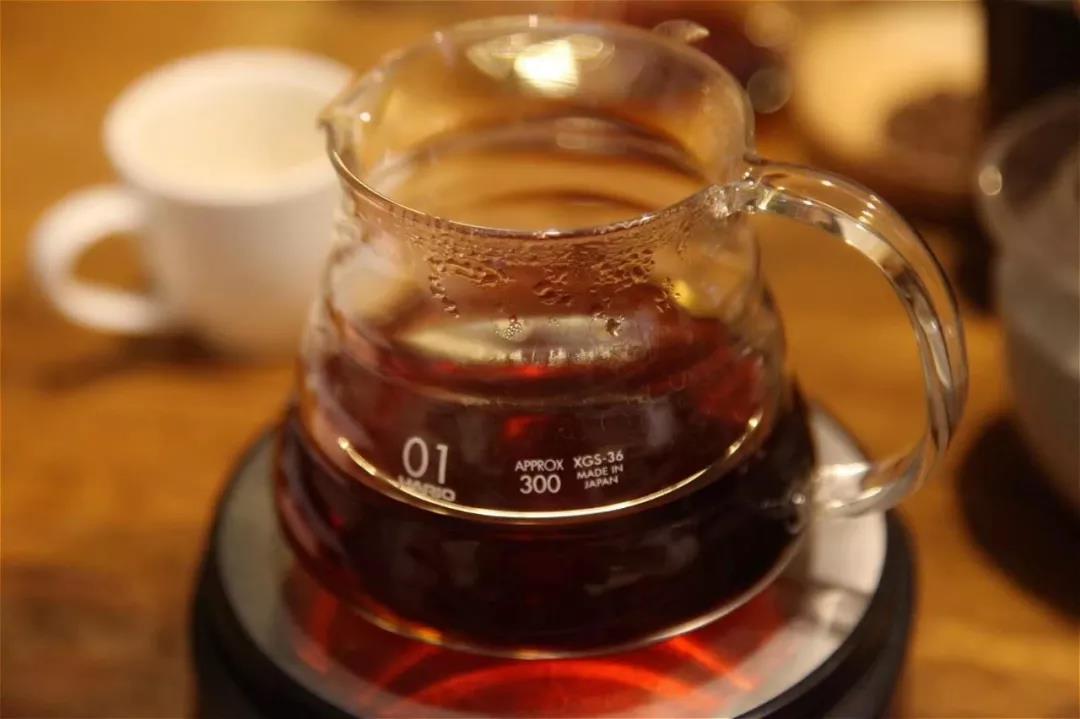
Brewing Method: Water-to-coffee ratio 1:15, 15g coffee grounds. First pour: 25g water for a 25s bloom. Second pour: up to 120g water, then pause. Wait until the water level in the coffee bed drops to half, then slowly pour water until reaching 225g total. Extraction time around 2:05.
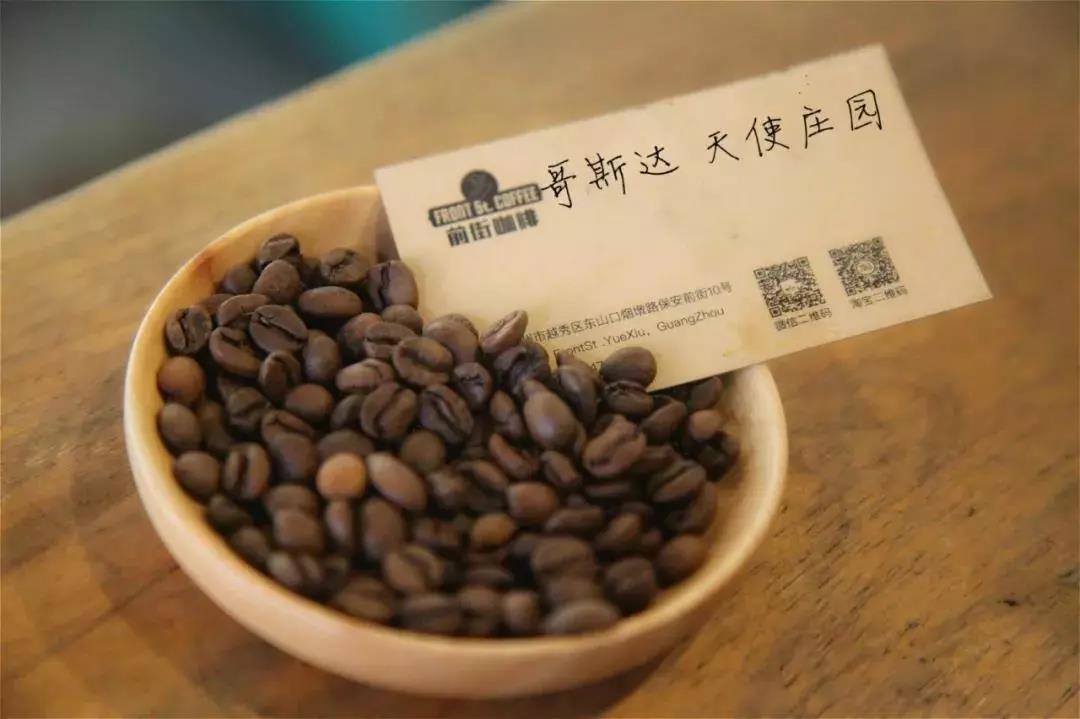
[Angel Estate Natural], Dripper: V60, Water Temperature: 91-92°C.
15g coffee grounds, water temperature 91-92°C, grind size 3.5, water-to-coffee ratio 1:15.
30g water for bloom, bloom time 28s.
Pouring stages: pour to 120g, pause, then slowly pour to 225g (30-120-225g).
Analysis: using a three-stage brewing method to clearly define the front, middle, and back flavor profiles of the coffee. Because the V60 has many ribs and drains quickly, pausing during pouring helps extend the extraction time.
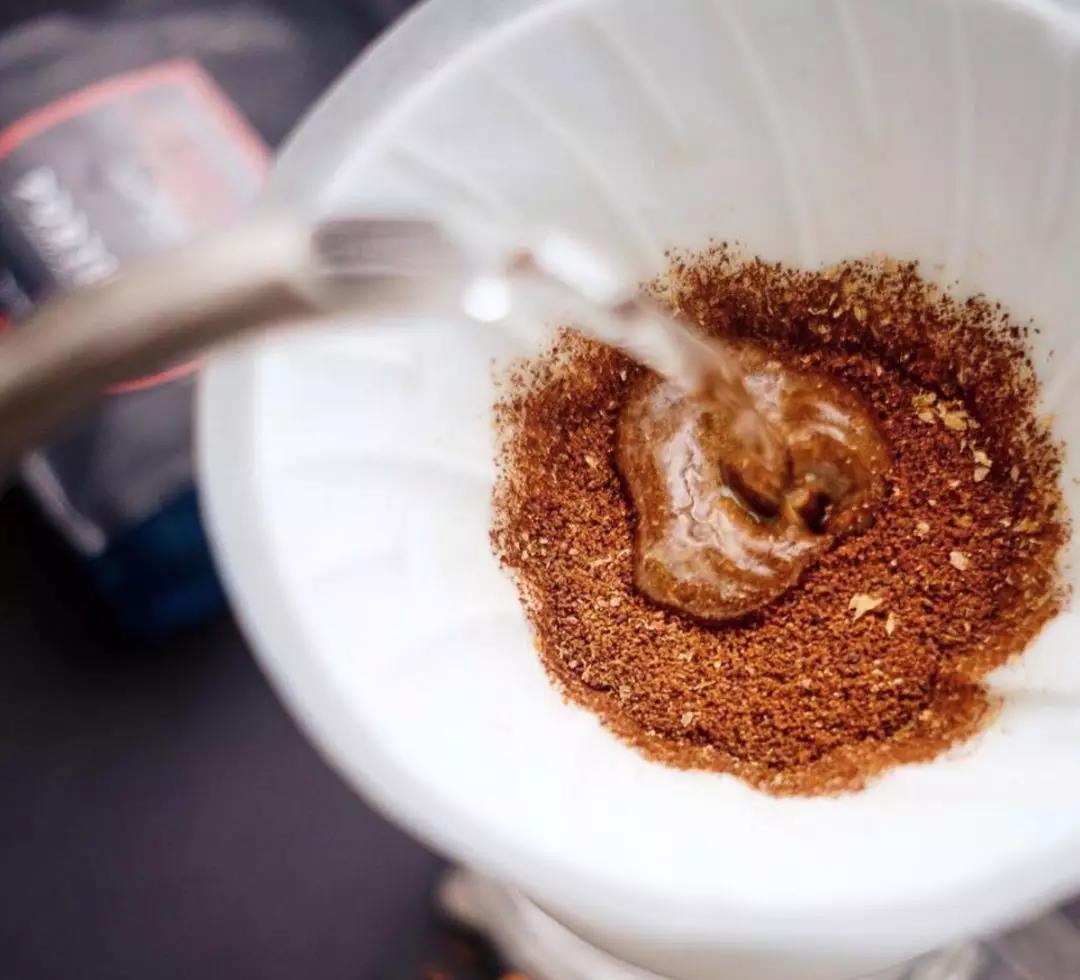
Costa Rican beans have become very popular recently because of their distinctive processing methods, which give them flavor characteristics that are highly recognizable, reflecting how much people enjoy unusual flavors.
Costa Rican beans are also particularly hard. Simply adjust your grind finer, which increases the number of particles absorbing water and retains hot water longer, naturally raising the coffee's concentration and making flavors easier to extract.
FrontStreet Coffee Recommendation
If you enjoy natural-process coffees, FrontStreet Yirgacheffe Natural Red Cherry is a fine place to start. Made only from fully ripe red cherries and dried on raised beds, it is roasted medium-light, so it keeps the elegant florals and bright acidity of Yirgacheffe while adding clear tropical fruit, a full fermented sweetness, and plenty of body.
FrontStreet Natural Huakui is the bolder option. Grown at very high altitude in Sidamo and traditionally sun-dried, it carries a light fermented aroma with florals, citrus, and mango, then honey sweetness and a cocoa note with a touch of spice, finishing with a thick body and a long aftertaste.
For something more intense, FrontStreet Colombia Sidra is processed as a double anaerobic natural. The sealed, carbon dioxide flushed fermentation produces dense tropical fruit aromas, and the cup shows passion fruit, apricot, dried fruit, and grape with an almond-like finish. All three reward a pour-over brewed at home.
Important Notice :
FrontStreet Coffee is a long-established specialty coffee roaster in Guangzhou China, selling freshly roasted beans from its own farm in Yunnan as well as dozens of carefully selected single-origin beans from around the world for both pour-over and espresso. The products deliver consistently excellent quality and great value, with shipping within 24 hours. Guangzhou's FrontStreet Coffee shop is recommended by many coffee lovers, and the beans are now available online at the Tmall 。
FrontStreet Coffee has moved to a new address:
FrontStreet Coffee Address: 315,Donghua East Road,GuangZhou
Tel:020 38364473
 Scan and follow the En Gafei WeChat official account. Please indicate that the reprint comes from "En Gafei".