Brewing Analysis of Costa Rica Carmen Estate Natural Process Coffee_How to Brew Carmen Estate Coffee Beans
[Costa Rican Coffee Genesis/Carmen Estate Microbatch]
Country: Costa Rica
Region: Western Valley
Processing Station: Finca Genesis Microbatch Processing Station
Altitude: 1700 meters
Varieties: Caturra/Catuai
Grade: SHB
Processing Method: Natural
01 | Processing Station Introduction
Piedades Alajuela sits in the renowned Western Valley region, cultivated at an altitude of about 1700 meters and planted mainly with Caturra and Catuai. Making the most of the local microclimate, the Genesis Processing Station has produced this microbatch natural coffee — a bean with rich fruit aromas and excellent cleanliness.
Genesis is one of Costa Rica's earliest microbatch processing stations, now run by Oscar Méndez and his wife Olga. The couple have produced coffee for many years and lead their community, sharing experience and knowledge generously with other farm owners. Oscar and Olga buy coffee cherries from farmers in the region and process the green beans at Genesis. Producers can simply pay for processing services or sell their cherries outright — and the processed coffee carries the farm's name to give credit where it's due.
Costa Rican Coffee Origin Introduction
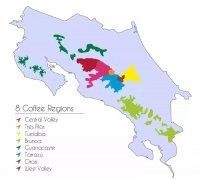
The Western Valley (Valle Occidental) is one of Costa Rica's seven major coffee regions. Its harvest runs from November to mid-March, a relatively long season. The flavor features fruit aromas with nutty almond notes. Western Valley beans aren't as bright in acidity as Tarrazú's — their flavor is more stable — but as the coffee cools slightly, the profile is genuinely surprising because it keeps changing. In terms of mouthfeel it isn't the stunning type; it's more the "enduring looks, pleasant drinking" type.
Rich volcanic soil, ample sunlight, average annual relative humidity as high as 81%, abundant rainfall, and an average annual temperature of 21.5°C make crops here grow vigorously and favor high-altitude quality coffee. The Western Valley also has distinct wet and dry seasons: when harvest begins, the dry season starts too, meaning there's plenty of sunshine for drying after washing — an advantage few other Costa Rican regions share (almost all other famous regions in the country rely on machine drying). Average cultivation altitude: 1,000 to 1,600 meters.
Costa Rica's coffee industry started early. As far back as 1820, the first batch of coffee was shipped to Colombia and Chile. In 1854, an exporter, with the help of Captain William Lyon of the British merchant ship "Monarch," successfully shipped 100 pounds of coffee to London — an instant success, praised by British nobility as Costa Rica's "golden beans."
03 | Green Bean Analysis
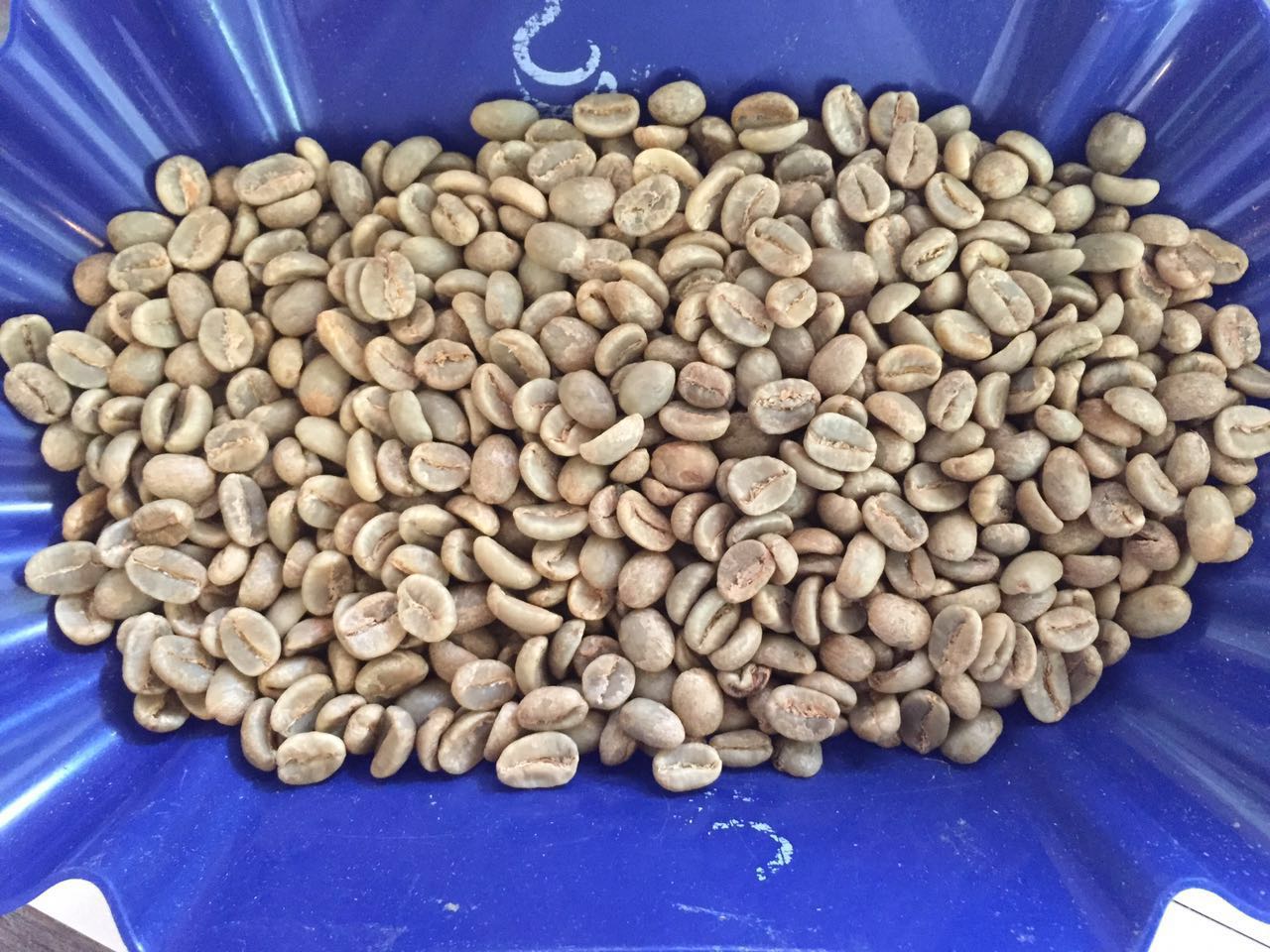
Caturra is a natural mutation of Bourbon, discovered in Brazil in 1937. The plant is more compact than Bourbon and, inheriting Bourbon's lineage, has relatively weak disease resistance, but yields more than Bourbon. Although discovered in Brazil, Caturra isn't suited to Brazil's growing conditions and was never cultivated there on a large scale; instead it became widely popular across Central and South America — Colombia, Costa Rica, and Nicaragua among them.
Catuai is an artificial hybrid of Caturra and Mundo Novo, with better resistance to natural disasters, especially wind and rain. The Catuai plant is relatively low-growing, and its fruits attach more firmly than those of other coffee trees, making them harder to pick. The fruits come in both red and yellow types.
Costa Rican Coffee Processing Method Introduction
This batch was harvested from highlands at 1700 meters. The high-standard Genesis Microbatch Processing Station used the natural process: before drying, only fruits with intact skin were selected, and after drying the cherries were moved indoors to stay dry, bringing the moisture content down to around 10%. Oscar uses the courtyard to dry washed coffee, plus raised drying beds for honey and natural lots.
Costa Rican Coffee Roasting Analysis
This coffee is SHB grade with quite hard bean density. Roast with higher heat on the climb, yellowing around 5 minutes 30 seconds, then reduce heat and open the damper to enter the Maillard reaction. At 168°C, reduce heat again to extend the Maillard stage. First crack comes around 182°C. This natural bean needs the heat reduced before first crack to prevent too rapid a climb and the bitterness that follows. Drop at 195°C after 1 minute 50 seconds of development.
FrontStreet Coffee Roasting Suggestion:
Yangjia 600g semi-direct heat roaster
Preheat the roaster to 200°C, open the damper to 3, start the fire after 30S, adjust heat to 160, return temperature point 1-31-, maintain heat, yellowing at 5-30-, grassy smell gone — enter the dehydration stage, reduce heat to 130, open the damper to 4. At 168°C, reduce heat again to 100.
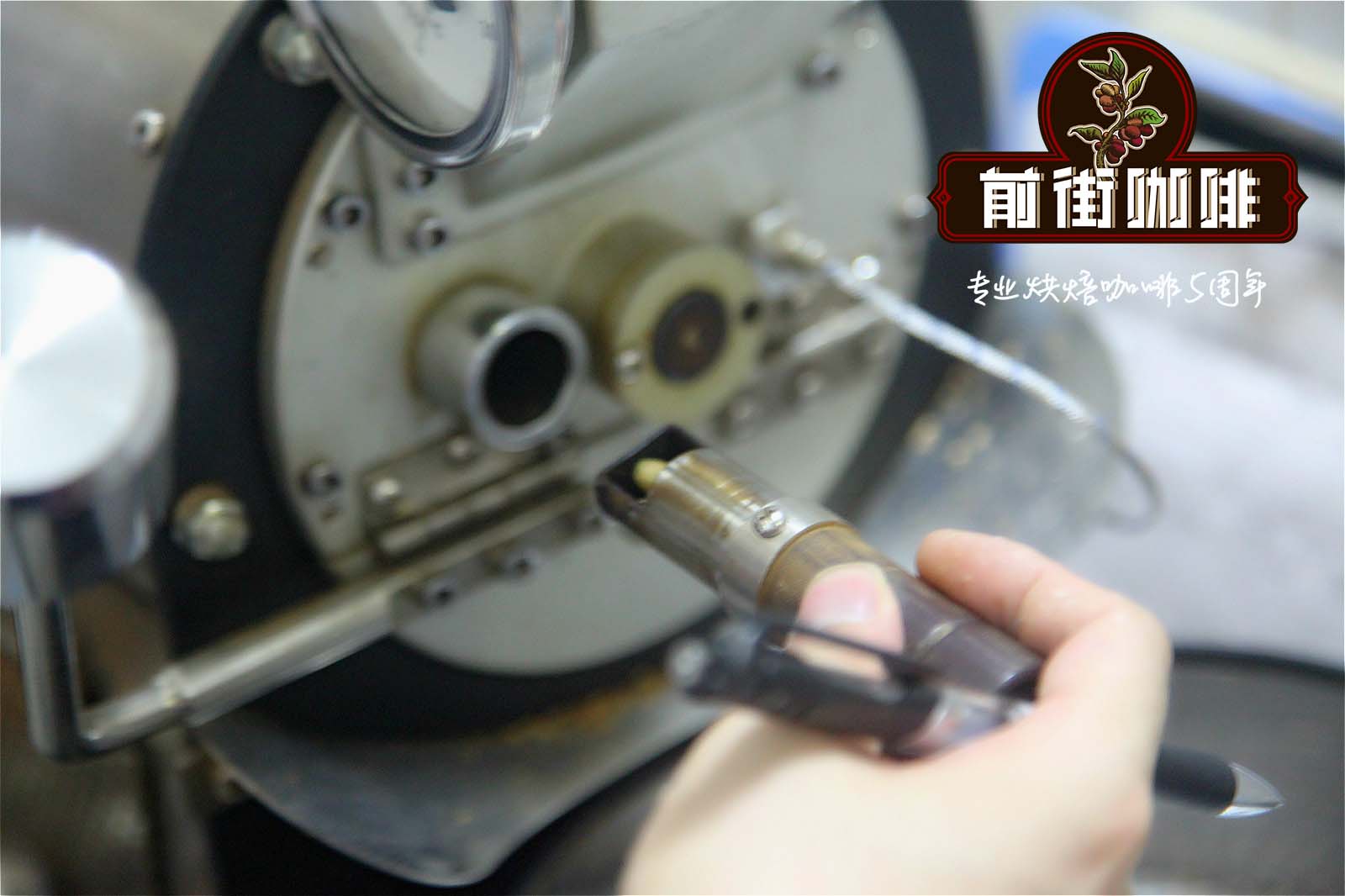
At 8-30- dehydration completes: the bean surface shows wrinkles with black patterns and the toast smell turns to coffee aroma — the prelude to first crack. Reduce heat to 80 and listen for first crack. It begins at 8-30-; fully open the damper to 5. Development time after first crack is 2 minutes 20 seconds, dropping at 195°C.
Dried on African-style natural racks with the processing quality precisely controlled, this bean shows high overall balance, good sweetness, and a very clean mouthfeel. It carries fermented wine aroma, spice, and caramel fragrance; acidity arrives first, then sweetness, with citrus and grapefruit flavors, a juicy sensation, and a refreshing berry aftertaste.
Costa Rican Carmen Estate Coffee Brewing Data
Recommended Brewing Method: Pour-over
Grind Size: 3.5 (Fuji R440, Japan)
Water Temperature: 90°C
FrontStreet Coffee Recommended Brewing Parameters: V60/90°C/1:15/15g of coffee/medium-fine grind/2 minutes total
30g of water for bloom, bloom time 30s
Segmentation: Pour to 120ml, pause, then slowly pour to 230ml
That is, 30-120-80, total extraction time 2 minutes
Other Drip-style Extraction Suggestions:
FrontStreet Coffee Suggestion: French press, 3.5-4 grind size, water temperature 90°C
FrontStreet Coffee Suggestion: Aeropress, recommended 2.5 grind size, water temperature 90°C
END
FrontStreet Coffee Recommendation
If this natural Costa Rican won you over, FrontStreet Coffee's natural Red Cherry from Yirgacheffe is the natural next step — the same sun-dried logic applied in Ethiopia's highlands. There, sun-drying demands long stretches of clear weather, typically 27-30 days, with only fully ripe all-red cherries laid out on raised beds, off the ground and away from insects, dust, and bacteria, turned regularly for even drying. A medium-light roast brings elegant florals and bright acidity plus pronounced tropical fruit, full fermentation character, and generous sweetness.
For another natural star, FrontStreet Coffee's Blossom (Huakui) from Sidamo's Hambella region combines extreme altitude, superb terroir, and hand-selected ripe cherries with Sidamo's signature sun-drying. Medium-light roasted, it pours out light fermented notes, florals, citrus, and mango — much richer and more complex, with honey sweetness, a cocoa tone, a whisper of spice, thick body, and a long finish.
And for a natural with a Chinese accent, the FrontStreet Coffee 2013 Yunnan Typica is sun-dried from the estate's own fully red cherries — Yunnan's dry season coincides with the coffee harvest, making sunshine reliable. Expect balanced sweet-tart acidity with berry-like notes, dried apricot and brown sugar, a touch more sweetness than washed coffee, and a faint tea finish.
Important Notice :
FrontStreet Coffee is a long-established specialty coffee roaster in Guangzhou China, selling freshly roasted beans from its own farm in Yunnan as well as dozens of carefully selected single-origin beans from around the world for both pour-over and espresso. The products deliver consistently excellent quality and great value, with shipping within 24 hours. Guangzhou's FrontStreet Coffee shop is recommended by many coffee lovers, and the beans are now available online at the Tmall 。
FrontStreet Coffee has moved to a new address:
FrontStreet Coffee Address: 315,Donghua East Road,GuangZhou
Tel:020 38364473
 Scan and follow the En Gafei WeChat official account. Please indicate that the reprint comes from "En Gafei".