Costa Rica Mirazu Estate Geisha Strawberry Candy Pour-over Flavor Profile: Honey Processed Geisha Coffee Bean Story
Costa Rican Coffee: The Golden Treasure of Central America

Costa Rican coffee beans are like gold - not because they are expensive, but because they are renowned for their honey processing. The parchment on honey-processed beans takes on a golden hue, and honey-processed coffee offers a thick texture and intense sweetness, making it the first choice for many sweetness lovers.
Coffee enthusiasts familiar with specialty coffee know that a coffee must first be of the Arabica variety to qualify as specialty. Interestingly, Costa Rica is the only country in the world where it is illegal to grow any coffee variety other than Arabica - a clear sign of how seriously it takes this high-quality bean. In 1989, Costa Rica went a step further and passed a law prohibiting the cultivation of low-quality varieties, encouraging farmers to pursue truly excellent coffee.
Arabica is a demanding variety, harder to grow than most others. Producing high-quality Arabica beans requires strict conditions of altitude, soil, and climate in the growing area.
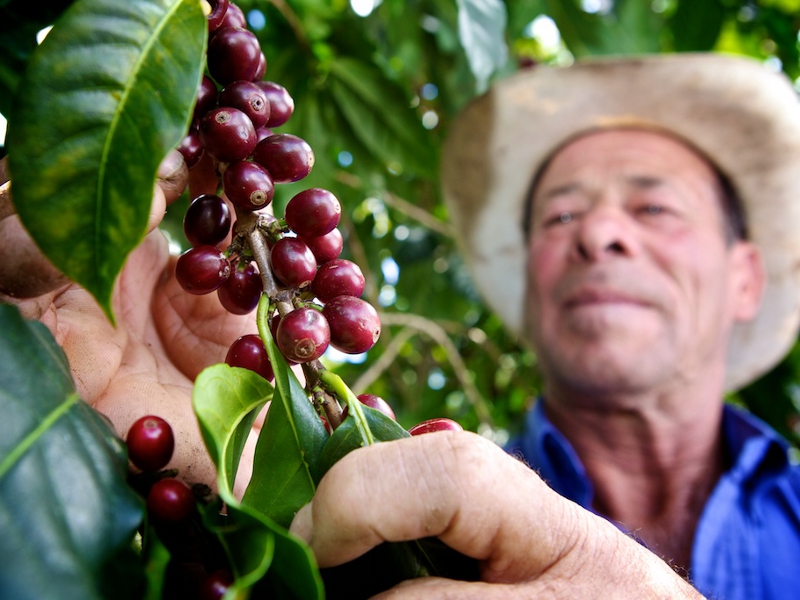
Costa Rica has distinct rainy and dry seasons, with an average annual temperature between 17°C and 28°C, an annual temperature range of about 10°C, high humidity, and annual rainfall between 2000ml and 3000ml. More than 80% of the coffee is grown at altitudes between 800 meters and 1700 meters, where rich volcanic soil supplies abundant essential nutrients to the coffee plants.
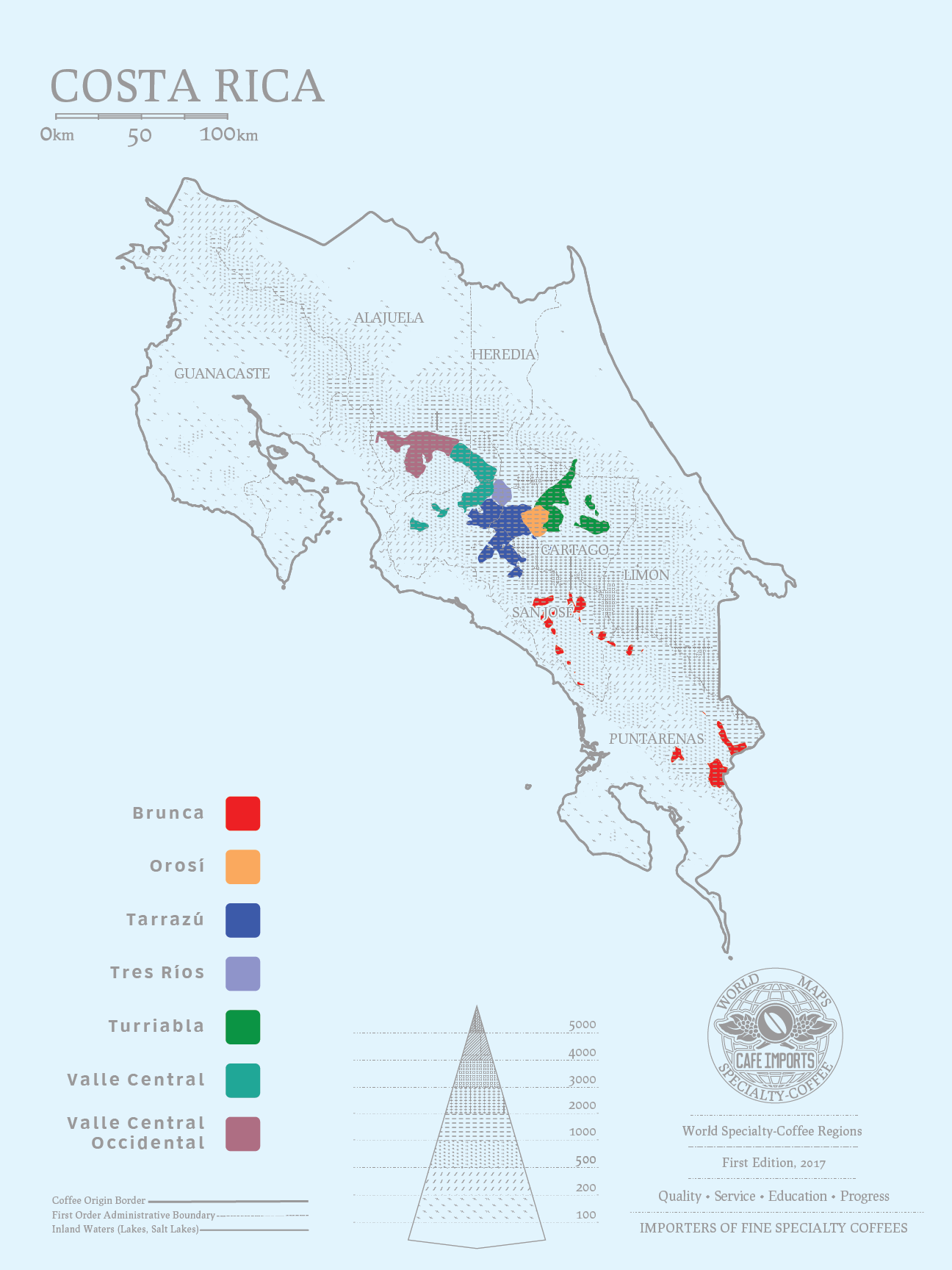
Within Costa Rica, there are seven recognized coffee-producing regions across the central, mountainous, and high-altitude areas. Because the beans grow between 800 meters and 1700 meters, most Costa Rican coffee is of the SHG (Strictly High Grown) grade - very hard beans. Let's take a closer look at each region to discover the subtle differences of this precious coffee.
Central Valley
Coffee production in the Central Valley accounts for almost 15% of Costa Rica's total. The altitude here ranges from 1000 meters to 1200 meters, and the soil is volcanic. The Central Valley's unique microclimate gives the beans rich fruit and chocolate flavors with a pleasant honey aroma.
Tres Ríos
Located on the slopes of the Irazú Volcano just a few miles from the capital, San José, Tres Ríos is one of Costa Rica's famous producing regions. It is the smallest of all the coffee regions, with coffee grown at altitudes as high as 1650 meters. Coffee from here shows bright, honey-like sweetness and rich fruit flavors.
Brunca
Situated in Costa Rica's far south, Brunca produces nearly 20% of the country's coffee. Altitudes vary widely here, from 800 meters to 1700 meters. Beans from this region are generally milder than those from other regions, with complex aromas of various citrus fruits.
Turrialba
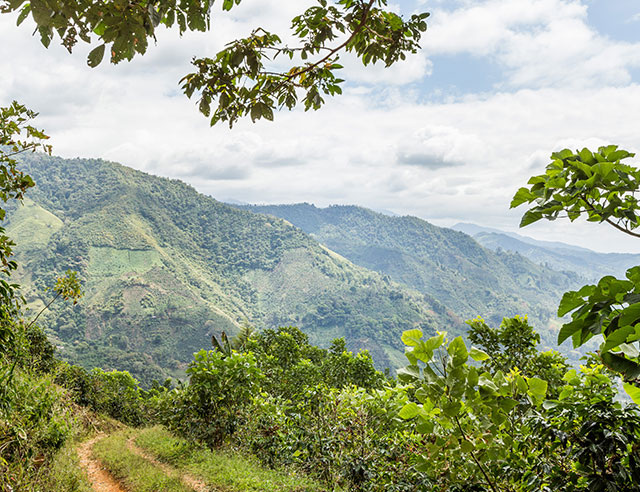
This region takes its name from the volcano within it. Turrialba is the rainiest of all seven coffee regions. Most of its beans grow above 1400 meters, and the coffee is characterized by a light, smooth texture, subtle aroma, and moderate acidity.
Tarrazú
Tarrazú is considered one of the highest-altitude growing regions in the country, and its beans are regarded as among Costa Rica's very best. Coffee from Tarrazú has outstanding flavors; thanks to the extremely high growing altitude, the area produces SHB (Strictly Hard Bean) grade, very hard beans.
Orosi
Orosi is one of Costa Rica's oldest coffee-growing areas, with a history stretching back nearly 100 years. It receives more rainfall than the other regions, and most of its coffee grows on the slopes of the Orosi mountain range at altitudes between 1000 meters and 1400 meters. The favorable climate gives the coffee a smooth, balanced taste.
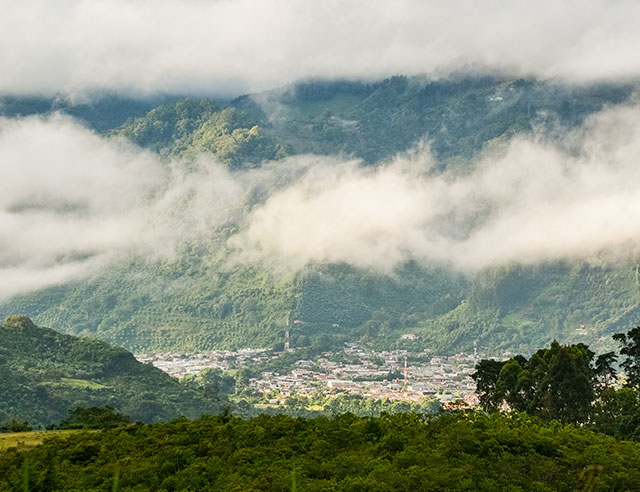
Western Valley
This region lies in western Costa Rica, adjacent to Tarrazú, and accounts for about 25% of national production. Growing altitudes run from 1200 meters to 1700 meters, where the coffee cherries mature more slowly than in Tarrazú.
In the 19th century, the Costa Rican government vigorously promoted coffee cultivation. Today the country is home to many internationally renowned estates, including Mirazu Estate. FrontStreet Coffee's bean list features a honey-processed coffee from Mirazu Estate as well.

FrontStreet Coffee: Costa Rica · Mirazu Estate Strawberry Candy Coffee Beans
Region: Costa Rica, Tarrazú
Estate: Mirazu Estate
Altitude: 1700 meters
Varieties: Geisha, ET47, SL28, Maico
Processing Method: Raisin Honey Processing
Mirazu Estate's owner, Esteban Sanches, originally worked at La Candelilla Estate, where he built deep expertise in coffee machinery and green-bean post-processing. Later, driven by his own vision of coffee, he left La Candelilla and founded his own estate, naming it Mirazu - which in the local language means "overlooking Tarrazú." Sanches believes that coffee quality begins with the coffee tree itself.

This Costa Rican Tarrazú bean is a Geisha blend: 50% Geisha, with the remaining 50% made up of the ET47, SL28, and Maico varieties.
FrontStreet Coffee has noted in many articles that the Geisha variety originated in Ethiopia's Geisha forest. In the 1930s it was collected and sent to a Coffee Research Institute in Kenya for study, but its average flavor attracted little attention. After several twists and turns, Geisha arrived in 1953 at the Tropical Agricultural Research and Higher Education Center (CATIE) in Costa Rica, where it was numbered T2722. In the 1960s it was distributed to Panama for cultivation, but because of its low yield, farmers used it mainly as a windbreak tree. It was not until 2004, when Hacienda La Esmeralda entered Geisha in the BOP competition and won the championship, that the variety's fame grew exponentially.
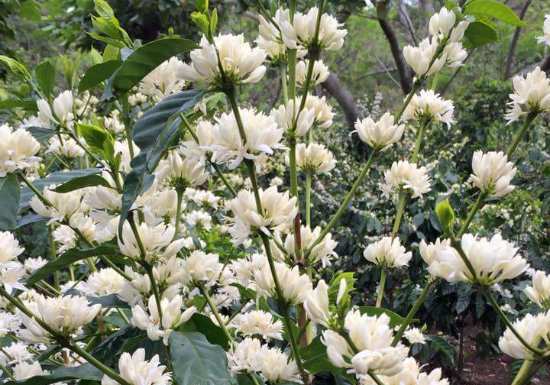
After receiving this Geisha blend, FrontStreet Coffee's roaster chose a medium roast level to highlight both the intense floral and fruit aromas of the Geisha variety and the strong sweetness contributed by the honey process.
For brewing, FrontStreet Coffee's barista decided on a relatively high water temperature (93°C), a fine grind (80% pass rate through a #20 sieve), and a fast-flowing dripper (Hario V60) to bring out the aroma and sweetness of these beans.

Pour-over Parameters
Dripper: Hario V60
Water Temperature: 93°C
Coffee Amount: 15 grams
Coffee-to-Water Ratio: 1:15
Grind Size: 80% pass rate through a #20 sieve

Pour 30g of water for a 30-second bloom, then slowly pour the second segment in small circles up to 125g, and gently pour the third segment of hot water up to 225g. Total extraction time is approximately 2 minutes.
FrontStreet Coffee Recommendation
If the Strawberry Candy blend wins you over, the pure Geisha experience awaits. Geisha conquered the coffee world with its unique florals and superb sweet-tart character, but its low yields, weak disease resistance, and demanding cultivation keep prices high - so it pays to know your options.
FrontStreet Coffee recommends the Panama classics first: the Esmeralda Red Label ("Esmeralda Special," grown at 1,600-1,800 meters and cupping above 90 points in every batch from a single named plot) and the more affordable Esmeralda Green Label ("Private Collection"), a blend of multiple high-altitude plots. For a budget-friendly introduction to Geisha's signature orange-blossom honey aroma, the entry-level FrontStreet Boquete Geisha is the go-to choice. On the Ethiopian side - Geisha's birthplace - the FrontStreet Genlana Estate Geisha (medium-light roasted, with citrus brightness, ginger-flower aroma, and ripe-fruit sweetness) makes a lovely everyday alternative, while Geisha Village's Gold and Red Labels offer estate-grade depth for advanced drinkers.
However you brew it, treat Geisha as a medium-light, floral-fruity coffee: grind coarse (about 78% pass through a #20 sieve), use 15g of coffee with a V60 at 91°C and a 1:16 ratio, and pour in three stages - 30g for a 30-second bloom, then to 125g, then to 225g - for a total extraction of roughly 2 minutes 10 seconds to 2 minutes 20 seconds.
Important Notice :
FrontStreet Coffee is a long-established specialty coffee roaster in Guangzhou China, selling freshly roasted beans from its own farm in Yunnan as well as dozens of carefully selected single-origin beans from around the world for both pour-over and espresso. The products deliver consistently excellent quality and great value, with shipping within 24 hours. Guangzhou's FrontStreet Coffee shop is recommended by many coffee lovers, and the beans are now available online at the Tmall 。
FrontStreet Coffee has moved to a new address:
FrontStreet Coffee Address: 315,Donghua East Road,GuangZhou
Tel:020 38364473
 Scan and follow the En Gafei WeChat official account. Please indicate that the reprint comes from "En Gafei".