Pour-Over Panama Green Label Geisha Coffee Brewing Parameters & How Many Times You Can Brew It
Emerald Estate Green Geisha: A Delicate Dance of Floral and Citrus Notes
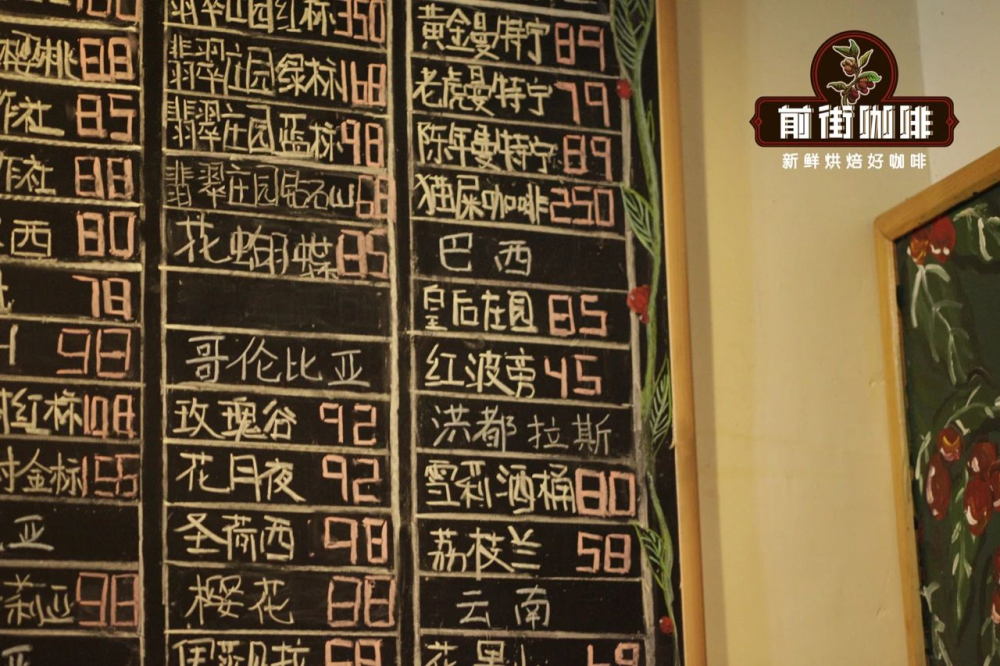
When visitors to FrontStreet Coffee's Dongshankou store ask for a pour-over loaded with florals, our baristas reach first for Panama Geisha, with its fragrant orange blossom and honeyed sweetness. FrontStreet Coffee's bean menu carries many Geishas, and Panama's Emerald Estate Red Label and Green Label represent the most classic Geisha profiles of all. For drinkers who prefer a bright, uplifting fruit acidity, the Emerald Estate Green Label Geisha is the one to pick.

The Legacy of Emerald Estate
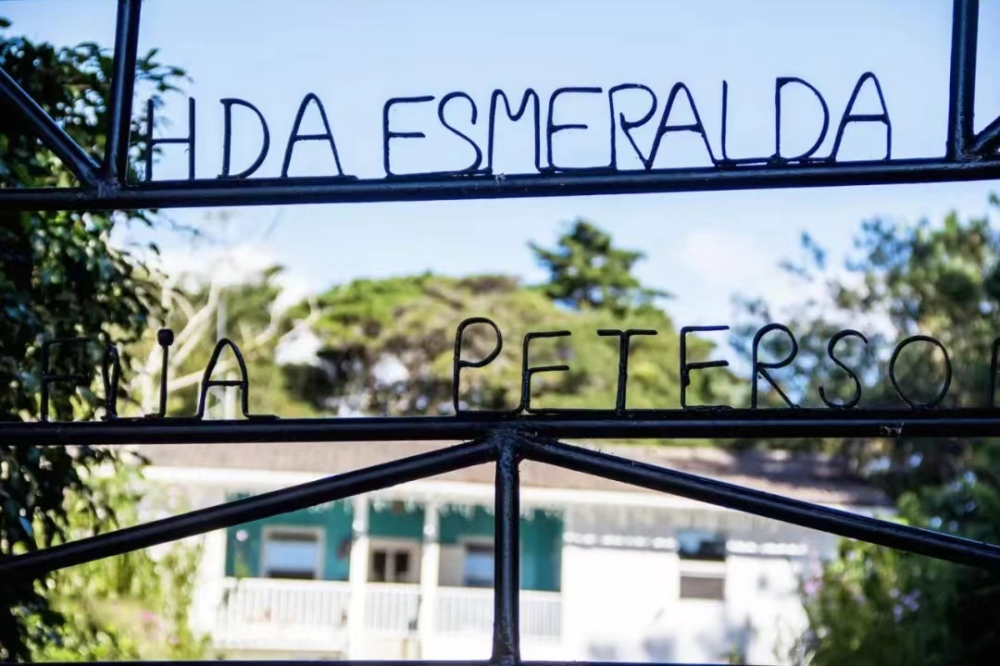
Emerald Estate's standing in specialty coffee needs no introduction. In 2004, its Geisha won the Best of Panama competition, and it has broken auction price records ever since, riveting the coffee world's attention. Emerald Estate made Geisha famous and was also the first estate to impose strict Geisha grading standards, with every annual Geisha release watched closely across the industry. After that championship win, the Peterson siblings (the estate's owners) began managing their Geisha trees far more systematically, organized by altitude, region, and cupping performance.
Geisha Growing Regions
Broadly speaking, the estate's Geisha grows in three major plots: Cañas Verdes, Jaramillo, and El Velo. To guarantee traceability, the Petersons subdivided each major plot into smaller ones, so buyers can trace any Geisha lot back to its specific planting block through the batch records.
The Geisha variety was first discovered in the Jaramillo plot, and it was there that the Petersons decided to push Geisha cultivation to higher altitudes. As both the discovery site and a cultivation site of Geisha, Jaramillo has become the estate's most celebrated plot. At an average altitude above 1,650 meters, the cool, humid mountain air lets these Geisha trees develop intensely aromatic beans. Jaramillo is currently divided into five small plots: Mario, Noria, Reina, Bosque, and Buenos Aires. Among them, the Mario and Bosque plots have performed exceptionally well in competitions.

Processing and Grading
Emerald Estate's processing plant sits in Cañas Verdes at the foot of Baru Volcano, about a twenty-minute drive from the town of Boquete. When the cherries ripen, the estate deploys pickers who follow strict standards and harvest only at optimal maturity. All picking and sorting are done by hand, and the cherries are rushed to the factory in the shortest time possible for further selection.
On the market, Emerald Geisha is usually seen in three brands: Red Label, Green Label, and Blue Label. These grades are assigned by the Peterson family according to the cupped flavors of specific plots, with Green Label representing the PRIVATE COLLECTION.
Green Label Geisha Characteristics
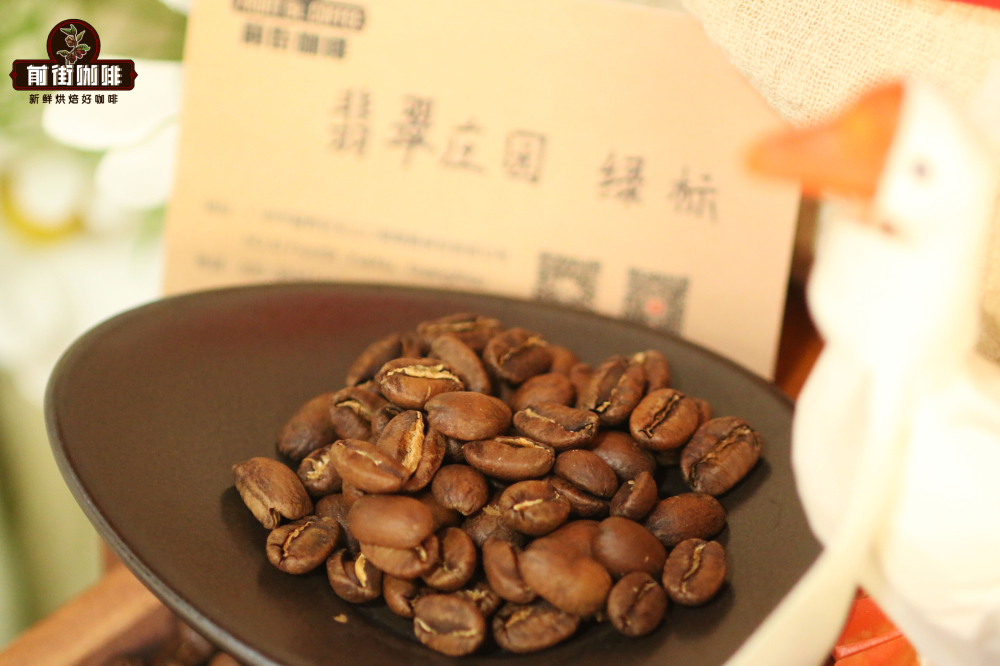
Green Label is drawn from coffee grown between 1,600-1,800 meters across both the Jaramillo and Cañas Verdes plots. However, Emerald Estate does not disclose specific plot information for these lots, so they are not entered into auction. While it doesn't carry the prestige of Red Label, Green Label is all about the iconic classic flavor of high-altitude Geisha. The Green Label Geisha that FrontStreet Coffee sources is washed processed, cupping with fresher, more natural lemon, berry, pomelo, and Tieguanyin tea notes.
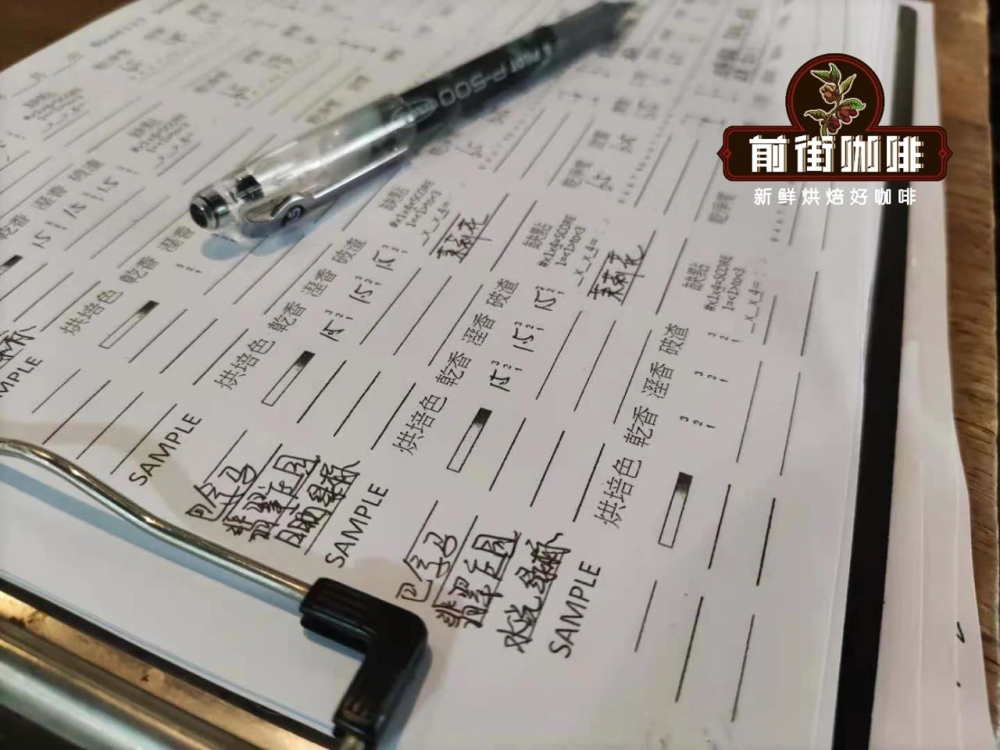
The Washed Processing Method
Washed processing is the classic approach in coffee production. At Emerald Estate, harvested cherries go into water channels and are carried along by pumped water flow. Less dense fruit floats to the surface — the "floatation" step — and only cherries dense enough to sink move on to depulping. Fermentation tanks then break down the mucilage layer, and finally the beans are dried to roughly 11% moisture content. Washed processing yields higher, more pronounced acidity and cleaner flavors.

Brewing Philosophy
FrontStreet Coffee believes that presenting the classic "Geisha flavor" means preserving as much floral character and acidity as possible. All of our Geisha is therefore roasted light, with roast curves adjusted to each processing method and flavor profile. This light roast doesn't significantly soften the high hardness of beans grown at altitude, so brewing must push the extraction rate to unlock fuller flavor layers — which calls for higher water temperature and a relatively fine grind to draw out more aromatics. FrontStreet Coffee also wants Geisha's flavors to read clearly, so we use a slightly larger coffee-to-water ratio of 1:16.
V60 Brewing Method
To raise Geisha's extraction while avoiding over-extraction and keeping its sweet-and-sour layers front and center, our baristas use the V60 dripper. The V60's ribbed grooves run from top to bottom around a large central hole, which accelerates flow, while the spiral exhaust channels lengthen the water path and increase contact time between grounds and water. Every pour converges along the ribs toward the center of the dripper, concentrating pressure on the coffee bed and producing a cup with richer layering.
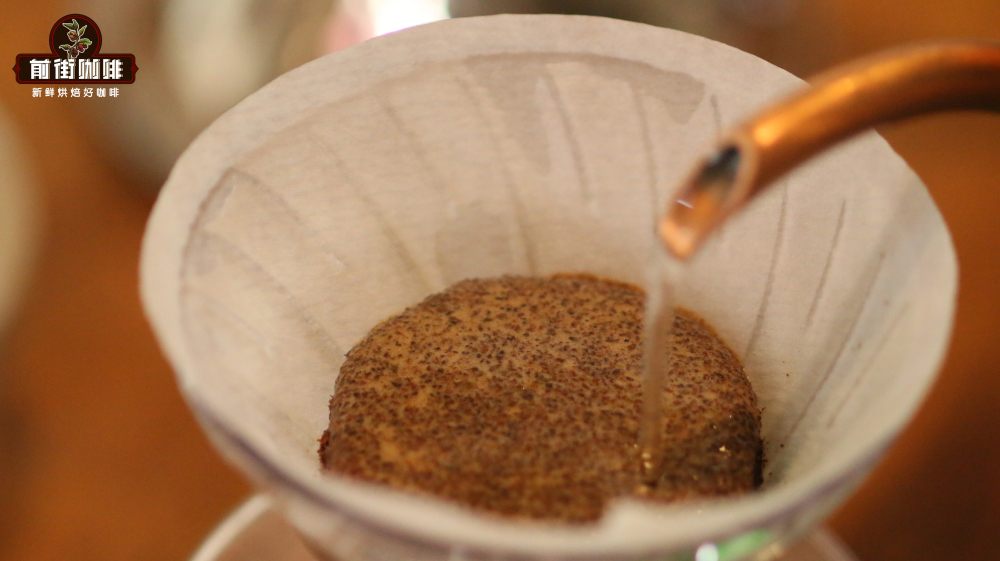
Emerald Green Label Geisha Pour-over Recipe:
- Dripper: V60
- Water Temperature: 91-92°C
- Coffee Dose: 15g
- Coffee-to-Water Ratio: 1:16
- Grind Size: Fine sugar consistency (80% passing through a #20 sieve)
Three-stage extraction: First, place 15g of coffee in the dripper and tare the scale. For the first stage, pour 30g of water for a 30-second bloom, starting the timer as you begin. Throughout, use a small stream from the center point spiraling outward, making sure the entire coffee bed is wetted.
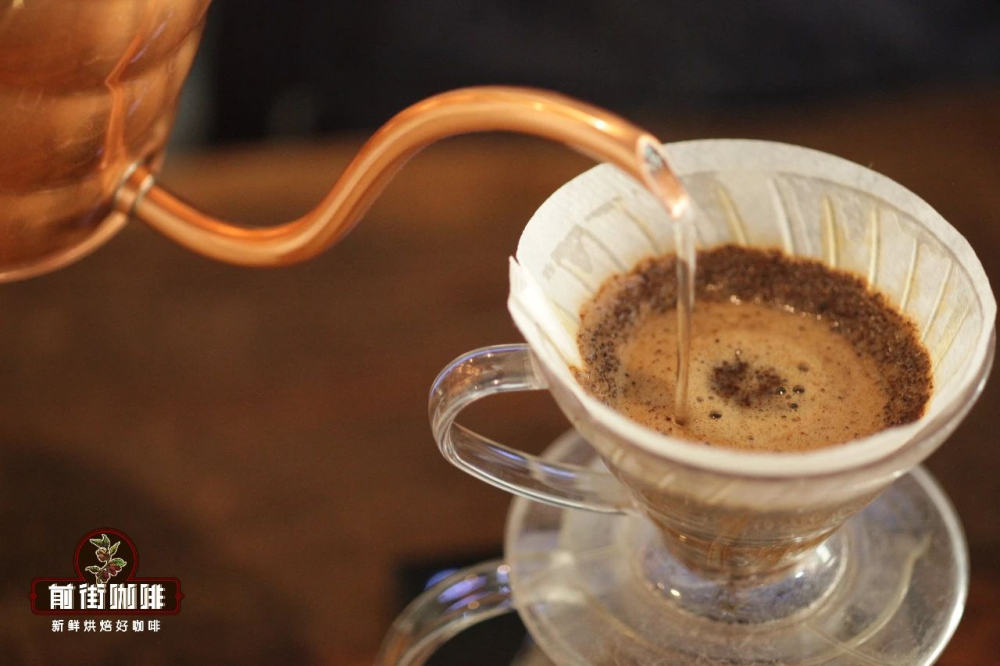
For the second stage, open up to a slightly larger stream and pour 120g of water to lift the whole coffee bed, pouring vertically and evenly. The scale should read 150g, with the pour finished at around 55 seconds.
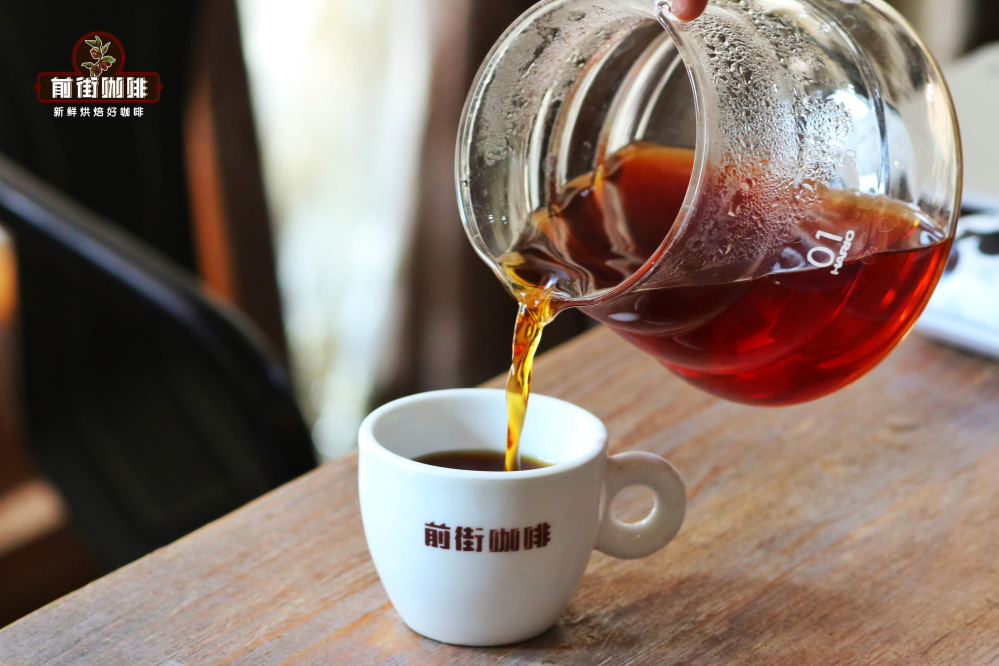
When the water level drops to about halfway, begin the third stage: 90g in small circles with a small stream. Keep the flow gentle — too large a stream disturbs the bed and causes under-extraction. Total water should reach 240g, finishing at approximately 2 minutes 10 seconds. Remove the dripper, give the server a gentle swirl to even out the brew, and enjoy.
FrontStreet Coffee Recommendation
Curious about other Geishas on FrontStreet Coffee's shelf? The estate's own line splits into two tiers: the FrontStreet Red Label Geisha, officially "Esmeralda Special," grows at 1600-1800 meters, comes from a single plot (our lot hails from Jaramillo), and must cup above 90 points every batch, each with its own lot number so buyers can choose by subtle flavor differences. The Green Label ("Private Collection") blends batches from multiple plots to express the estate's signature high-altitude Geisha profile at a friendlier price — which is why it is such outstanding value.
For newcomers who want to taste the legendary "Geisha flavor" without the flagship price, FrontStreet Coffee recommends the entry-level Panama Boquete Geisha: classic Panama Geisha orange-blossom sweetness and honeyed finish, oolong-tea texture, delicate fruit acidity, and clearly layered flavors, all at an accessible price point.
Important Notice :
FrontStreet Coffee is a long-established specialty coffee roaster in Guangzhou China, selling freshly roasted beans from its own farm in Yunnan as well as dozens of carefully selected single-origin beans from around the world for both pour-over and espresso. The products deliver consistently excellent quality and great value, with shipping within 24 hours. Guangzhou's FrontStreet Coffee shop is recommended by many coffee lovers, and the beans are now available online at the Tmall 。
FrontStreet Coffee has moved to a new address:
FrontStreet Coffee Address: 315,Donghua East Road,GuangZhou
Tel:020 38364473
 Scan and follow the En Gafei WeChat official account. Please indicate that the reprint comes from "En Gafei".