Ethiopia Yirgacheffe Region | Adolina Washed G2 Heirloom Native Flavor Profile
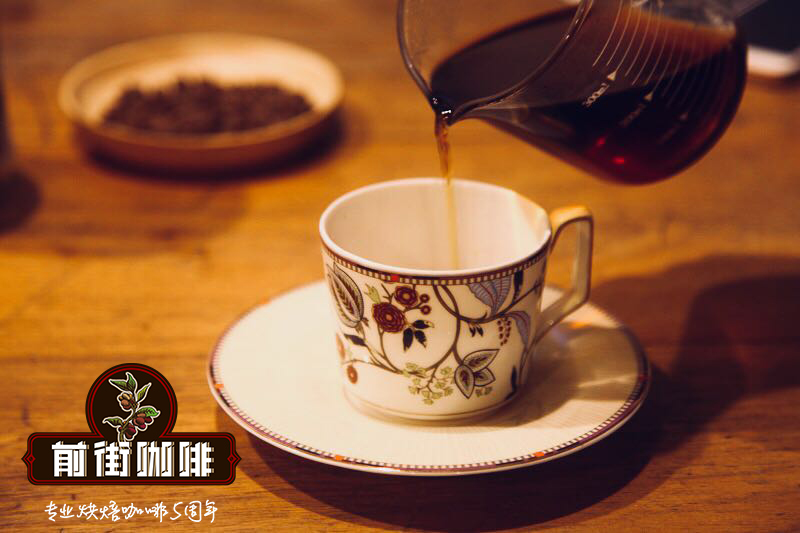
Ethiopia Yirgacheffe Region | What Does Adolina Washed G2 Taste Like?
Ethiopia is world-famous for the mocha beans of the Harar region, but it is equally celebrated for the washed Arabica grown in Yirgacheffe, a small, high-elevation area in the south of Sidamo. These beans rank among the finest African coffees. As Ethiopia's best-known growing region, Yirgacheffe produces long, oval beans at an average elevation of 1,850 to 2,400 meters with annual rainfall of 1,300mm. The name means "wetland" in the local language, and the area often sees "shade clouds" and "shade mist" that cool and shade the plants at midday. Its distinctive geography and flavor eventually set it apart from the Sidamo region.
The name Yirgacheffe means "a single ethnic settlement." The production area lies in the Sidamo cultivation zone of south-central Ethiopia, on mountains over 2,000 meters above sea level, and is home to the Gedeo people. It is one of the few places in Ethiopia producing washed Arabica. After medium roasting it shows fruit acidity beautifully and carries aromas reminiscent of floral tea and lemon peel. Yirgacheffe keeps the uneven bean size typical of the mocha family, yet because it is washed in the Sidamo region, the beans look more uniform than dry-processed mocha while retaining the floral aroma and Yirgacheffe's signature wine-like richness. In Ethiopia's grading system, washed Grade 2 and dry-processed Grade 4 are the highest grades.
Founded in 1996, Ethiopia's Adolina Company has focused on exporting high-quality washed and sun-dried Ethiopian green beans since day one. Thanks to its excellent, consistent quality, it became the country's largest exporter by volume in 2007, shipping roughly 23,000 tons a year and accounting for 13% of Ethiopia's total annual coffee exports, and it continues to work with coffee industry leaders worldwide.
Today Adolina owns ten washing stations and four hulling machines, giving it more direct control over processing quality. It has recently introduced new chromatographic bean-sorting machines that effectively remove underripe and insect-damaged beans. At its headquarters in the capital, five cuppers with 3 to 23 years of experience strictly control quality, delivering the best green coffee and authentic regional flavor to partners around the world.
Flavor Profile
Hailed as the "perfume coffee," Yirgacheffe carries captivating citrus and jasmine aromas. This washed Yirgacheffe has long been a bestseller in our store. Under Adolina's standardized quality control it expresses its flavor and aroma perfectly, making it a classic Yirgacheffe. Jasmine and honey aromas are immediately apparent. On the palate, the texture of Ceylon black tea is distinct, with bright acidity that is never sharp. The honey fades into a sugarcane sweetness after entry. After swallowing, almond aroma and subtle lemon rise back into the nasal cavity. The cup is clear and exceptionally clean, with distinct layers and a smooth, non-astringent body. As it cools, the florals soften and the sugarcane becomes more prominent, showcasing Yirgacheffe's signature character.
Coffee Details
Processing Method: Washed
Region: Yirgacheffe
Variety: Heirloom
Grade: G2
FrontStreet Coffee Recommended Brewing
Dripper: Hario V60
Water Temperature: 90°C
Grind Size: Fuji Royal R-440 grind setting 3.5
Brewing Method: 1:15 water-to-coffee ratio with 15g of coffee. First pour: 25g of water for a 25-second bloom. Second pour: continue to 120g and stop. Wait until the water level drops halfway, then resume. Pour slowly until the total reaches 225g. Extraction time about 2:00 minutes.
Analysis: The three-stage method clearly separates the front, middle, and back-end flavors of the coffee. Because the V60 has many ribs and drains quickly, pausing the pour helps extend the extraction time.
FrontStreet Coffee Recommendation
If you are new to the Ethiopian origin, start with the most classic option: FrontStreet Washed Yirgacheffe, known for white jasmine, bright citrus and lemon acidity, and a tea-like body. Its friendly price has made it a first stop into specialty coffee for many drinkers. Yirgacheffe is a town in the Sidamo zone of southern Ethiopia at roughly 1,700-2,100 meters, with the coffee trees planted above 1,800 meters, making it one of the highest coffee regions in the world. Because the Yirgacheffe name became so famous, in 2010 the Ethiopian Commodity Exchange finally separated it from the Sidamo region.
Within the town there are many small areas and villages, several of them home to experienced cooperatives with mature processing. The best known is the FrontStreet Washed Gedingding Cooperative in Gedingding village, in the Worka area at the southeast edge of Yirgacheffe. It was originally part of the Worka cooperative under the YCFCU union, and was later carved out as a single origin as drinkers demanded more traceability. It follows the most traditional washed method and has been called Yirgacheffe's last pure land; with no traditional bitterness, it brings clean, bright citrus and lemon acidity along with jasmine fragrance.
For a fruitier take on the same region, FrontStreet Sun-Dried Red Cherry is processed from fully ripe red cherries only. The cherries are hand-sorted, then dried on raised beds and turned every 2-3 hours in the first few days to prevent uneven heating and over-fermentation. After three to five weeks of drying, the outer fruit is removed by machine and the beans are stored. Because the fruit dries with the bean, the cup keeps classic Yirgacheffe character while adding the tropical fruit of a natural process: citrus-like acidity, berry juice, honey sweetness, and a creamy smoothness.
For brewing, FrontStreet suggests a V60 dripper at 90-91°C, 15g of coffee, a 1:15 ratio, and a grind of EK43s setting 10 or fine-sugar size (80% through a No. 20 sieve). Brew in stages: pour 30g of water for a 30-second bloom, then pour 95g (about 125g on the scale), finishing around 1 minute. When the water drops to about two-thirds of the bed, pour the remaining 100g (about 225g on the scale), finishing around 1 minute 35 seconds. The brew should drain in about 2:00 to 2:10, after which you remove the dripper and the extraction is complete.
Important Notice :
FrontStreet Coffee is a long-established specialty coffee roaster in Guangzhou China, selling freshly roasted beans from its own farm in Yunnan as well as dozens of carefully selected single-origin beans from around the world for both pour-over and espresso. The products deliver consistently excellent quality and great value, with shipping within 24 hours. Guangzhou's FrontStreet Coffee shop is recommended by many coffee lovers, and the beans are now available online at the Tmall 。
FrontStreet Coffee has moved to a new address:
FrontStreet Coffee Address: 315,Donghua East Road,GuangZhou
Tel:020 38364473
 Scan and follow the En Gafei WeChat official account. Please indicate that the reprint comes from "En Gafei".