Honduran Coffee Estate Introduction to the Old Pine Estate in La Paz
The Rise of Honduras Specialty Coffee
Honduras has historically never ranked among the top contenders in the specialty coffee market, yet it possesses advantageous natural conditions - soil quality, altitude, and climate are all excellent. Neighboring countries such as Guatemala, El Salvador, and Nicaragua also have advanced coffee production. What Honduras has lacked is infrastructure and recognition in consumer markets. It is better known for commercial beans than for specialty beans, and even excellent quality could not command a good price. Many beans from the Copán and Santa Barbara regions were deceptively sold as Guatemalan beans at Guatemalan prices. For a long time, there was little awareness of Honduras's own potential for growing specialty coffee.
The main problem was that coffee cherries received only minimal processing and were still wet when sold to processing plants. This often caused the cherries to become moldy and damaged before they could be properly dried to reach the target 12% moisture content. Cherries that went through this drying process became defective beans because of the improper handling. Without adequate price rewards for good quality, coffee farmers, processors, and exporters had no incentive to invest additional costs in developing the country's coffee potential. As a result, Honduran coffee beans came to be widely regarded as mild blended beans rather than single-origin or estate-specific beans - creating a vicious cycle.
Transformation and New Beginnings
But things are different now. With assistance from USAID and Fintrac and from several cooperatives such as La Central, Honduran farmers have been vigorously encouraged and educated to produce quality coffee and to implement proper processing that maximizes the final flavor profile. Fair Trade organizations have also funded processing equipment and strengthened farmers' professional knowledge, helping Honduran coffee gradually emerge from its low point and become a rising Central American coffee in recent years.
Diverse Regions and Flavor Profiles
Like other producing countries, Honduras is extremely diverse, and no single description can cover it all. The largest producing region is Santa Barbara; other regions include Copán, Ocotepeque, Lempira, La Paz, and the southern El Paraiso region. Growing altitudes range from 1500 to 2000 meters, primarily producing Strictly High Grown (SHG) beans. Generally, the Honduras coffee we have cupped recently shows lower acidity with higher sweetness and distinct caramel notes, making it an excellent choice for espresso blends.
The Story of Avel Mejia
Avel Mejia began working in coffee plantations in the La Paz region with his father during childhood. After he married, his father gave him a small farm to support his family. Although Avel Mejia is not yet 30 years old, he discovered that the best way to increase his income and support his small family was to improve coffee quality and sell it at better prices. He sought every possible way to enhance quality: learning to care for the trees more meticulously, managing his estate with diligent inspection, and building solar drying houses. He understood that only outstanding coffee quality could attract long-term cooperative buyers. He eagerly absorbed new knowledge and focused on coffee quality that could stand out in fiercely competitive coffee competitions. In 2017, he entered for the first time - and succeeded, winning the national competition.
Exceptional Cup Profile
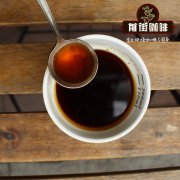
Avel Mejia's story not only moves us; more importantly, we can truly experience delicate juice-like sensations, rich and full white chocolate, refreshing mint, and an elegant, refined vanilla sweetness in his coffee.
Brewing Recommendations
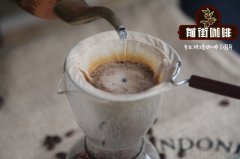
FrontStreet Coffee recommends brewing Honduras coffee with 88°C water to reveal chocolate, nut, and caramel flavors.
FrontStreet Coffee Recommendation
Honduran coffee's low-acid, sweet, caramel-forward character makes it a natural fit for espresso, and the same can be said of FrontStreet Coffee's Specialty Blend. Built from washed Colombian beans and semi-washed Brazilian beans, it delivers nutty, black-chocolate, and caramel flavors with a comfortable bittersweet balance, and it steams into a smooth latte with stable latte art. For a classic, old-school espresso profile, the FrontStreet Classic Blend layers in a small amount of Robusta for a heavier body and a golden crema.
Important Notice :
FrontStreet Coffee is a long-established specialty coffee roaster in Guangzhou China, selling freshly roasted beans from its own farm in Yunnan as well as dozens of carefully selected single-origin beans from around the world for both pour-over and espresso. The products deliver consistently excellent quality and great value, with shipping within 24 hours. Guangzhou's FrontStreet Coffee shop is recommended by many coffee lovers, and the beans are now available online at the Tmall 。
FrontStreet Coffee has moved to a new address:
FrontStreet Coffee Address: 315,Donghua East Road,GuangZhou
Tel:020 38364473
 Scan and follow the En Gafei WeChat official account. Please indicate that the reprint comes from "En Gafei".