Panama Boquete Chiriqui Province | Flavor Profile of Los Lajones Estate's Raised Bed Organic Natural Process
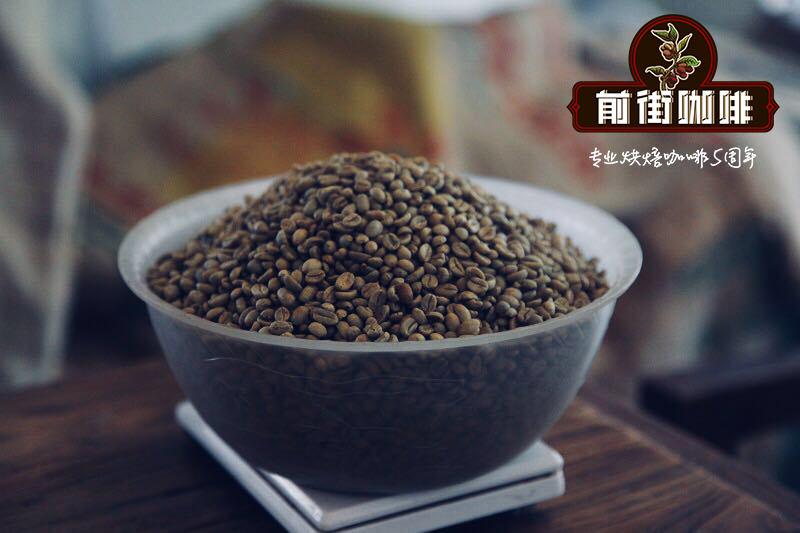
Flavor Profile of Los Lajones Estate's Organic Raised Bed Natural Process Batch from Chiriquí Province, Panama
Los Lajones Estate sits on the eastern side of Barú Volcano, directly above the town of Boquete. Boquete is a small town at 1,200 meters above sea level in Chiriquí Province, Panama's westernmost region. The famous Caldera River slides slowly past the edge of town from Barú Volcano. A mild climate, fertile young volcanic soil, suitable rainfall, and varied microclimates have earned the mountains around Boquete a reputation as a coffee paradise.
Los Lajones is a century-old small, excellent farm in the Boquete growing region. Its current owner, Graciano Cruz, is a farmer who genuinely loves coffee, and the farm was the first to develop honey processing. The basic principle of honey processing is to harvest only fully mature cherries and then measure the sugar content of the beans. At the end of each harvest day during the ripe season, freshly picked cherries are gathered immediately, the skin and pulp are removed while fresh mucilage is still on the bean surface, and the beans are spread on outdoor elevated bamboo racks. Drying usually takes 10-12 days, and at the end of drying the beans reach about 11% moisture; the mucilage is then removed mechanically along with the parchment, and the beans are cleaned and bagged. Honey processing solves the enormous capital investment that water processing plants and sun-drying facilities demand. It also lets remote small farms avoid the problem of fresh cherries fermenting while being collected at processing centers, which degrades bean quality. In short, it lets small-production, small-scale excellent farms stand out.
Barú Volcano is not only Panama's highest mountain range; the sedimentary material left by early volcanic activity and eruptions created large amounts of very fertile soil. These soils are rich in organic matter, and the volcanic ash is especially rich in phosphorus and sulfur. Mixed with clay and shaped by a unique climate, the region has formed an environment suited to growing high-quality coffee. Dense forests and countless species create biodiversity. Los Lajones sits on the north side of old lava flows from the main Barú crater, directly facing the highest blocks where Hacienda La Esmeralda grows Geisha. On a visit to Los Lajones this year, I happened to catch the second flowering period; the beautiful mountain scenery and fragrant florals made it feel as though the scent still lingered.
Panamanian coffee is widely used in both specialty and commercial roasting. What drew the attention of the direct-trade coffee world were the family-run small farms of the Chiriquí district's Boquete growing region, which genuinely produce distinctive cherries. Each harvest season the farms hire local N'gbe workers, employed under Central American labor law at the most reasonable wage standards.
Graciano introduces himself with the words, "I grew up in the coffee plantation, and I will die in the coffee plantation." He often says proudly: "I am not only the first estate in Panama to receive organic certification, but also the first coffee plantation to completely abandon washed processing."
He treats his plantation like a 4D experience amusement park, experimenting cheerfully with water-free processing methods. With missionary zeal he promotes the advantages of non-water processing to coffee farmers across Central America, South America, and Africa, and has even traveled to Taiwan to study growing regions. In his spare time he takes his surfboard to the coast. He is my good friend and a legendary figure in the specialty coffee industry, Graciano Cruz, who is very cheerful and laughs heartily.
Few coffee farmers are as active as Graciano at coffee events around the world. He is passionate about promoting honey and natural processing and has many industry fans worldwide. Few are willing to travel between countries to teach the details and benefits of processing, but that is Graciano. His two estates are famous because of that dedication, and it should be said that not only is Graciano famous, but Los Lajones Estate is also famous for producing high-quality coffee.
He believes traditional washed processing consumes a great deal of water and is unfriendly to the environment, and that it lacks the sweetness of honey processing. At Los Lajones, only mature cherries are harvested. After picking, not a single drop of water is used to remove the skin; the fruit is placed directly on African-style racks made of bamboo branches and woven nets for drying. This method dries evenly and quickly and produces cleaner flavors with softer, richer acidity. The estate's good ventilation and ample sunlight are key to the success of its honey and natural processing.
Good natural-processed beans are demanding in two ways: cultivating properly ripe fruit and controlling the sun-drying. The first day of harvest shows only properly ripe cherries being selected. After three days the color gradually deepens, the fruit shrinks, and changes such as dehydration and fermentation unfold with temperature, humidity, and turning frequency. All of these factors shape the final flavor.
Multiple Sweet Sensations
Rich and sweet without over-ripe fruit acidity, with varied, complex, and elegant flavors.
Origin Information
Region: Chiriquí
Town: Boquete
Location: Eastern slope of Barú Volcano
Altitude: 1750 - 2150 meters
Rainfall: Annual average 3500 mm
Average Temperature: 21°C
Soil Type: Volcanic clay
Cultivars: Geisha, Pacamara, Typica, Catuai, Caturra
Estate Area: 160 hectares (35 hectares planted with coffee)
Organic Certification: Organic cert. by Bio Latina
Recent Awards: 2014 BOP Honey Processing Winner, 2013 Best of Panama Natural Geisha Second Place, Honey Processing Fourth Place
Processing Details
Processing Method: Natural processing, African raised beds
Harvest Period: January-April
Flowering Period: April-June
Cupping Notes
Dry Aroma: Caramel, sweet pineapple, chocolate, sweet spices
Wet Aroma: Caramel, honey, sweet fruit, wild berries, floral
Taste: Very sweet, spicy, rich in oils, honeydew melon, spiced chocolate, ripe sweet grapes, rich texture, sweet and persistent aftertaste.
FrontStreet Coffee Recommended Brewing
Dripper: Hario V60
Water Temperature: 90°C
Grind Size: Fuji Royal grinder setting 3.5
Brewing Method: Water-to-coffee ratio 1:15, 15 g of coffee. First pour 25 g of water and bloom for 25 seconds. Second pour to 120 g and pause. When the water level in the coffee bed drops to half, continue pouring slowly to 225 g total water. Extraction time approximately 2:00.
Analysis: A three-stage pour clearly separates the front, middle, and back-end flavors of the coffee. Because the V60 has many ribs and drains quickly, pausing during pouring extends extraction.
FrontStreet Coffee Recommendation
Panama's coffee areas sit in the west of the country at Boquete, Volcan, Santa Clara, and Piedra de Candela, with Boquete and Volcan the best known. Both lie in Chiriquí province, right in the middle of the coffee belt, with fertile volcanic soil and ancient forest. FrontStreet Boquete Geisha is an estate-level entry Geisha grown at about 1,600 meters on nutrient-rich volcanic ash soil, and its jasmine florals, green tea, honey, citrus, and orange show off the variety beautifully.
For a natural-process fan who wants Geisha lineage without the flagship price, FrontStreet Butterfly is a good fit. It carries half of the Geisha pedigree and blends Geisha, Caturra, and Catuai, grown in the Barú Volcano area of Boquete. Panama's special microclimate brings plentiful rainfall and wide day-night temperature swings, and the volcanic rock soil plus careful picking and meticulous processing give the cup real strength on body, citrus acidity, and Geisha jasmine aroma. It is excellent both as pour-over and as cold brew.
And to taste the very top, FrontStreet Emerald Red Label Geisha is harvested from a single plot above 1,700 meters, with a cupping score of 91 and a refined orange-blossom honey character.
Important Notice :
FrontStreet Coffee is a long-established specialty coffee roaster in Guangzhou China, selling freshly roasted beans from its own farm in Yunnan as well as dozens of carefully selected single-origin beans from around the world for both pour-over and espresso. The products deliver consistently excellent quality and great value, with shipping within 24 hours. Guangzhou's FrontStreet Coffee shop is recommended by many coffee lovers, and the beans are now available online at the Tmall 。
FrontStreet Coffee has moved to a new address:
FrontStreet Coffee Address: 315,Donghua East Road,GuangZhou
Tel:020 38364473
 Scan and follow the En Gafei WeChat official account. Please indicate that the reprint comes from "En Gafei".