Introduction to Paradise Estate in Santa Ana Province, El Salvador - Are Paradise Estate Washed Coffee Beans Delicious?
Professional Coffee Knowledge Exchange
An Overview of Salvadoran Coffee
El Salvador is the smallest and most densely populated country in Central America, and coffee is the main crop across most of its territory. Yet its small size should never be mistaken for insignificance. Roughly 60% of the country's coffee is Bourbon, including Orange Bourbon, Pink Bourbon, and Red Bourbon. The Bourbon family has earned its worldwide reputation through excellent clarity, a bright, sweet mouthfeel, and a pronounced citrus aroma. Just as notably, El Salvador is the birthplace of the Pacas and Pacamara varieties. A typical Pacamara delivers a full body layered with tropical fruit fragrance and honeyed sweetness, held together by citrus brightness and a golden grapefruit acidity that melts into a sweet finish. In recent years it has become one of Central America's most celebrated varieties, and several other countries have begun producing outstanding Pacamara as well.
Compared with the farms of other Central and South American countries, most estates in El Salvador are medium-sized. Their farmers bring genuine passion and deep professional knowledge to the work, and the high-quality coffee they produce has fueled a thriving export market—which in turn keeps raising the bar for quality. The harvest happens only once a year, from November through February of the following year, so fresh-crop coffee generally reaches international buyers between June and August. As Salvadorans like to say, "Just one sip of coffee will make you smile."
Santa Ana Volcano: The Premier Coffee Region
In FrontStreet Coffee's view, the Santa Ana Volcano region is the premier source of high-quality Salvadoran coffee in recent years. Two factors stand out: the region's variable climate patterns, and the volcanic gravel soil, which offers both excellent drainage and rich fertility.
How to Brew Salvadoran Coffee Beans
Pour-over and siphon brewing are the best ways to enjoy these beans. Grinding them releases an immediate floral and fruity aroma with an evident sweetness.
Based on our experience, the three main considerations when brewing Salvadoran coffee are roast level, altitude, and roast date.
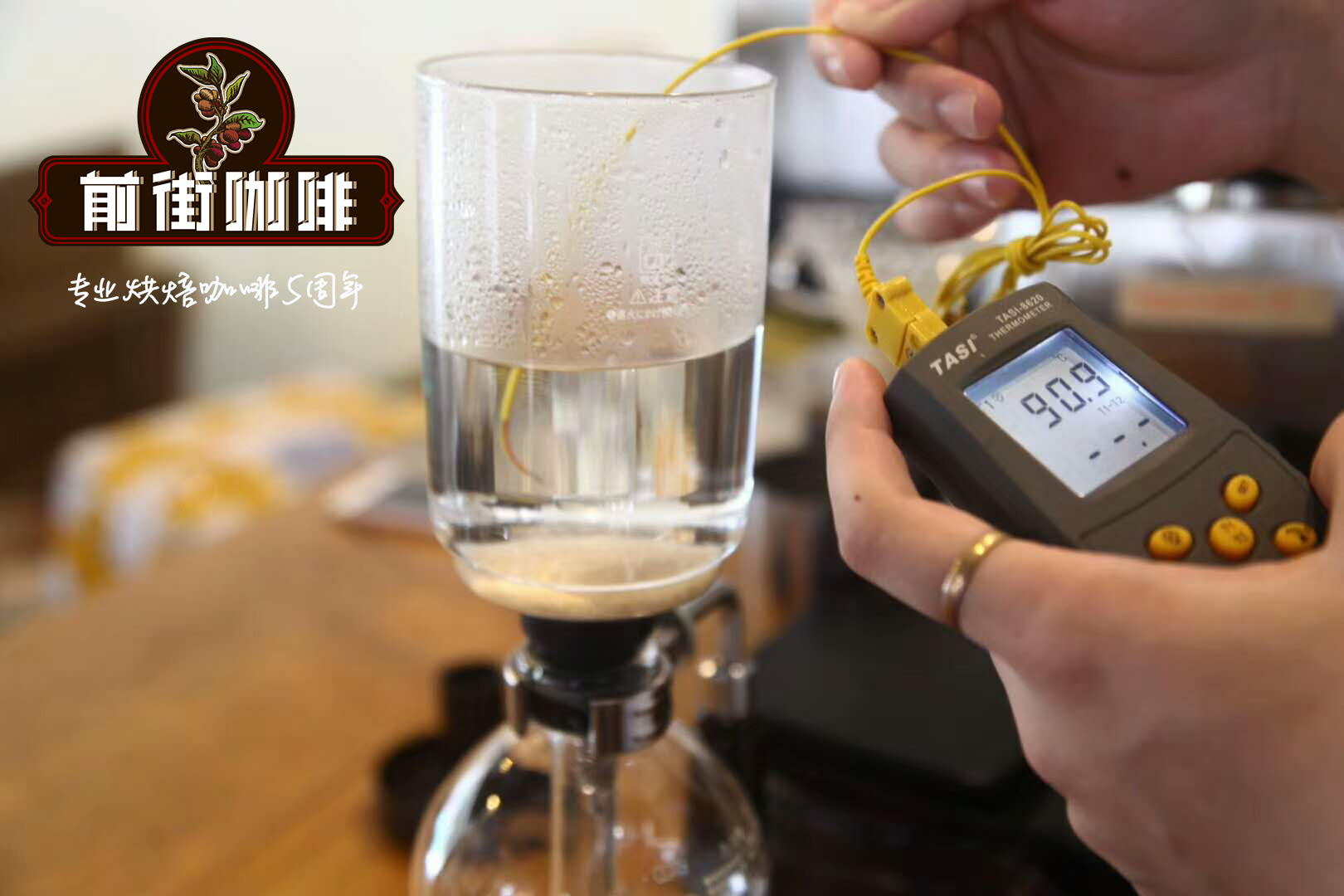
As a general rule, darker roasts take slightly lower brewing water temperatures, while lighter roasts take slightly higher ones.
For example, lightly roasted beans that have rested longer, are ground coarser, or lean naturally acidic can be brewed at a higher temperature if you prefer bitterness over acidity. Higher temperatures do release more aromatic oils and fragrance, though they can occasionally damage certain flavor compounds.
Ultimately, there is no single fixed brewing temperature—adjust it to your own taste or to the bean's roast level.
A Common Technique: The Three-Stage Method
Three-Stage Pour-Over Method
Segmented extraction: dividing one dose of water into three separate pours.
Suitable for light roast, medium-light roast, and medium roast coffee beans.
Use a V60 dripper.
Extending the bloom or adding extra pour interruptions enhances the coffee's richness and intensity.
Grind setting: Fuji Royal R440 at #3.5, sugar-sized particles.
How the Three-Stage Pour-Over Extraction Works
This method builds layered complexity and clearly separates the front, middle, and back-end flavors of the cup. The technique is to increase the water volume after each bloom, typically pouring again once the water level drops to the surface of the coffee bed. Use a small flow for the first stage, a medium flow for the second, and a larger flow for the third.
Pour-Over Parameters Reference
Using a V60 dripper: 16g of coffee to 320g of water, bloom for 30 seconds, extract with water at 89-90°C, a 1:15 ratio, and a medium-fine grind (Fuji Royal #3.5). Pour the second stage to 140ml, wait for the water level to drop, then pour slowly again at a consistent speed while keeping the water level from rising too high. Pour the final stage to 220ml and stop. Total extraction time: 2 minutes 15 seconds. The result is a cup with distinctive almond and plum flavors plus chocolate notes. Feel free to fine-tune the parameters to your own palate.
FrontStreet Coffee Recommendation
The washed process is a traditional method that uses water to process coffee cherries. The steps typically include floatation sorting, removing the pulp, soaking and fermenting to strip the mucilage, washing or continued soaking, then drying, hulling, and finally grading the green beans. Because washed beans sit in water for extended periods, chemical changes occur inside them: simple sugars (fructose and glucose) are heavily consumed, lowering the coffee's sugar content while increasing various organic acids. Washed coffee therefore tends to preserve more of the bean's intrinsic aroma while showing bright fruit acidity, cleanliness, and freshness.
FrontStreet Coffee's Yirgacheffe Guodingding Cooperative coffee: Many people know Yirgacheffe, but fewer know that because local smallholder yields are so small, farmers send their cherries to cooperatives for unified processing and sale. FrontStreet Coffee's Guodingding Cooperative is an outstanding processing team from Guodingding village with skilled processing experience; its reputation grew from the exceptionally refined and clean flavors it produces. Thanks to the washed process, the Guodingding Cooperative lot shows jasmine florals and bright citrus acidity to the fullest. After a medium-light roast, the coffee reveals green tea and honey tones, and it suits pour-over, cold brew, and espresso alike.
FrontStreet Coffee's Kenya Cherry Tomato coffee: When it comes to the washed process, FrontStreet Coffee's Kenya Cherry Tomato is among the most famous representatives, because Kenya excels at double-washed (double-fermented) processing of green beans—an additional washed stage layered onto the standard routine: floatation sorting, soaking the beans in water, washing away the mucilage clinging to the bean surface, soaking again, then drying, hulling, and storage. Through these repeated rinses and soakings, the coffee presents a intensely juicy quality, with rich aromas of cherry tomato, dried plum, snow pear, black plum, and yellow sugar. Its sweet-tart, juicy texture makes it a favorite among many coffee enthusiasts.
FrontStreet Coffee's Jamaica Blue Mountain No.1 coffee: Jamaica, once one of the world's most famous coffee-producing countries, suffered from insufficient sunshine. The island's maritime climate means sunlight hours are shorter than in most other origins, so to reduce the risk of the beans spoiling, the washed process was born. The biggest difference between washed and natural processing is that washed coffee has its skin, pulp, and mucilage removed before drying, reducing the moisture wrapped around the bean, shortening drying time, and producing beans with a bright color and a low defect rate. The washed process guarantees Blue Mountain coffee's rich aroma, revealing the pure flavors of hazelnut, cream, chocolate, and caramel when brewed, with a balanced cup in which no single flavor stands out or falls short.
Important Notice :
FrontStreet Coffee is a long-established specialty coffee roaster in Guangzhou China, selling freshly roasted beans from its own farm in Yunnan as well as dozens of carefully selected single-origin beans from around the world for both pour-over and espresso. The products deliver consistently excellent quality and great value, with shipping within 24 hours. Guangzhou's FrontStreet Coffee shop is recommended by many coffee lovers, and the beans are now available online at the Tmall 。
FrontStreet Coffee has moved to a new address:
FrontStreet Coffee Address: 315,Donghua East Road,GuangZhou
Tel:020 38364473
 Scan and follow the En Gafei WeChat official account. Please indicate that the reprint comes from "En Gafei".