Panama Hartmann Estate | Geisha/Gesha Coffee | Natural Process | 2018 Geisha

FrontStreet Coffee Single Origin | Hartmann Estate Natural Process | 2018 Geisha Green Label
Panama — Hartmann Estate Geisha Natural
Growing regions: Ojo de Agua & Palo Verde
Estate founded: 1912
Annual rainfall: 4500mm
Average temperature: approximately 20°C
Growing altitude: 2100 meters
Variety: Geisha
Grade standard: SHB
Soil type: volcanic soil
Processing method: natural process
Harvesting method: hand-picked
Certifications: Bird Friendly
Cupping Notes
Dry aroma: delicate cranberry, orange blossom, strawberry, mango
Wet aroma: nectar, cocoa, assorted berries, cherry, vanilla
Sip: gentle florals and rich fresh fruit, delicate and juicy, extremely sweet. The sweet-tart character of orange blossom and strawberry unfolds in distinct layers, full and honeyed.
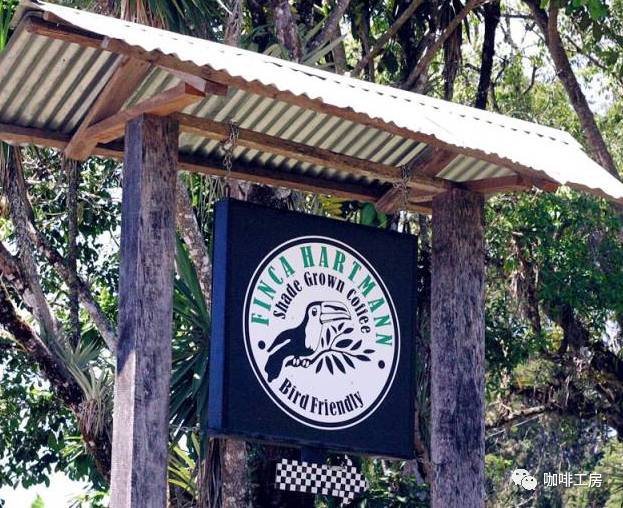
Hartmann Estate's coffee has long been a standout in Panama, and in 2006 it achieved the remarkable feat of winning Best of Panama. What sets the family apart is its commitment to protecting the forest ecology: the coffee is grown under shade without clearing woodland, and the estate earned Bird Friendly certification, making it a pioneer of environmentally friendly coffee farming in Panama. Cherry skins and pulp are turned into a special compost to avoid the pollution that chemical fertilizers bring, so the entire operation is effectively organic.
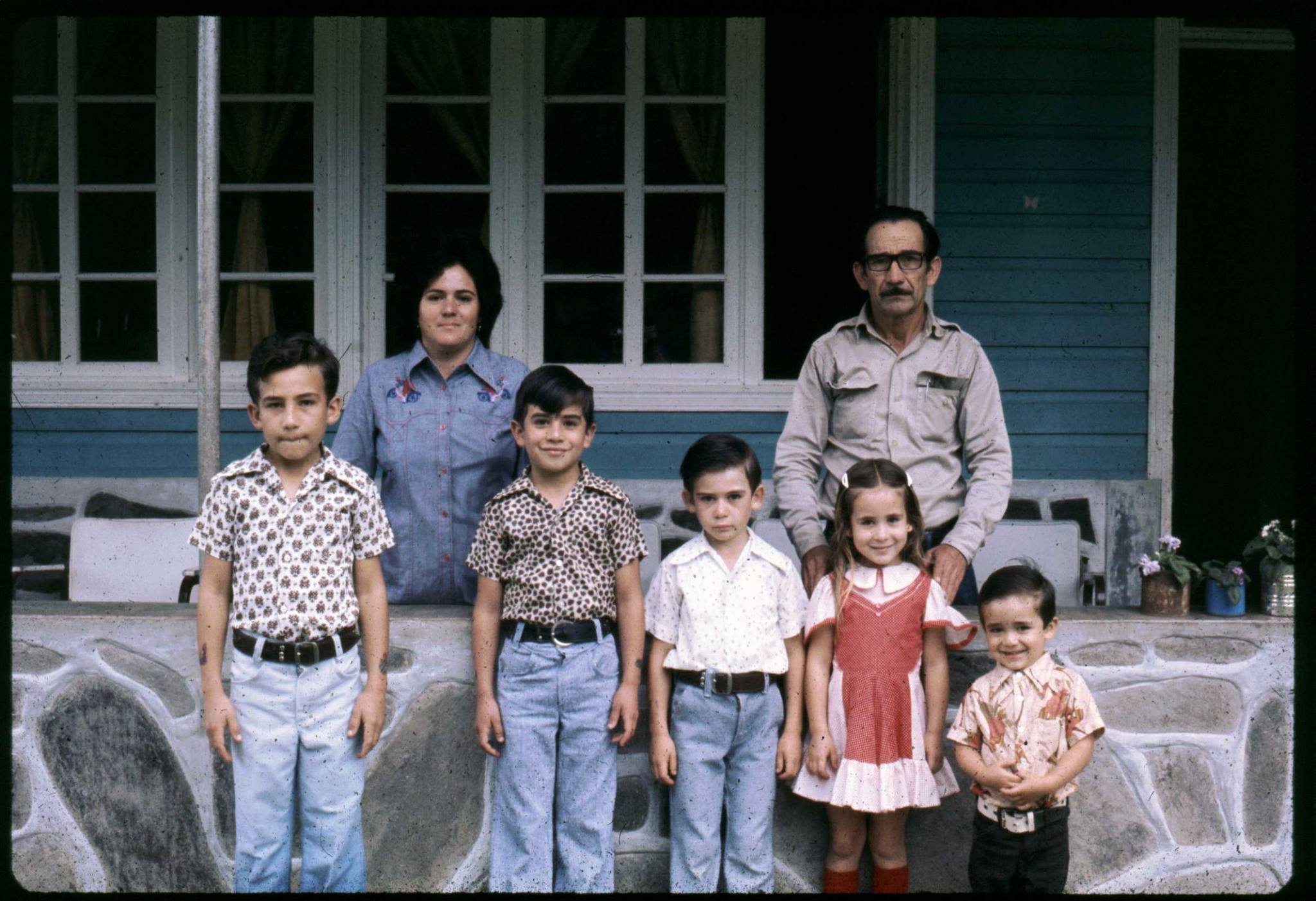
The estate carries the family surname. Its founder, Mr. Alois St. Hartmann (Luis Hartmann), was born in Czechoslovakia in 1891. At the start of World War I, after two older brothers died on the battlefield, his mother hid him in a ship's cabin and brought him to Pennsylvania in the United States. In 1911, at age 20, he traveled to Panama with friends and decided to settle in Chiriqui. In 1912 he established his first base in the primary forest of the Candela region and began growing coffee. Today the estate is run by third-generation Ratibor, whose children — Raibor among them — and five brothers jointly manage different parts of the operation, with the whole family working to continue the Hartmann legacy. The Geisha variety is planted in areas of the estate reaching up to 2100 meters.
Hartmann has consistently led Panama's coffee scene. To protect the forest ecology, the family farms under shade without clearing woodland and holds Bird Friendly certification, making them pioneers of eco-friendly cultivation in the country. Cherry skins and pulp are composted into a special powder rather than relying on chemical fertilizers, so the farm is essentially fully organic. At least two published books focus on Hartmann's Bird Friendly and shade-grown practices, and more than ten papers have appeared in scientific journals — a reputation that reaches well beyond the coffee world into the scientific community through the family's conservation work.
With the striking toucan as its core logo, Hartmann has always worked behind the scenes as a technical force in Panama. From the early Winey Natural, known for super-ripe natural processing, to the Honey B coffee developed with Ninety Plus technology, and Willem Boot, who managed the whole farm and excelled at Best of Panama with La Mula, the Hartmann family has always played a crucial role.
Finca Hartmann's Geisha was previously contracted exclusively by a handful of foreign roasters, so this season is likely the first time it has entered Taiwan.
Bird Friendly Certification, Guaranteed Organic Coffee
1. It helps cultivate coffee in healthy bird habitat.
2. The coffee must be grown under at least 40% shade cover.
3. The farm must meet USDA official organic certification standards.
FrontStreet Coffee Roasting Recommendations
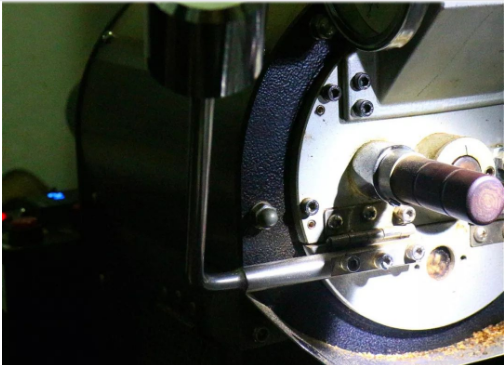
Geisha beans are quite hard, and as a Panamanian high-altitude SHB coffee this lot is especially dense. We recommend a light roast. Start with medium heat and 20% airflow when the beans are charged. At first crack, raise the heat by 10% to build aroma and open the airflow to 50%. During first crack, set airflow to 80% and adjust heat according to the rate of rise. We suggest finishing the roast at 12°C of development after first crack to keep it light and preserve the floral and fruity aromas. If you would rather have a richer, sweeter cup showing caramel and nutty notes, cut the heat at 13°C of development after first crack and continue developing for another 3°C before dropping, which lands the roast close to medium. At that point the flavors lean toward smooth blueberry and florals with a fuller body, and the natural fermentation notes recede somewhat.
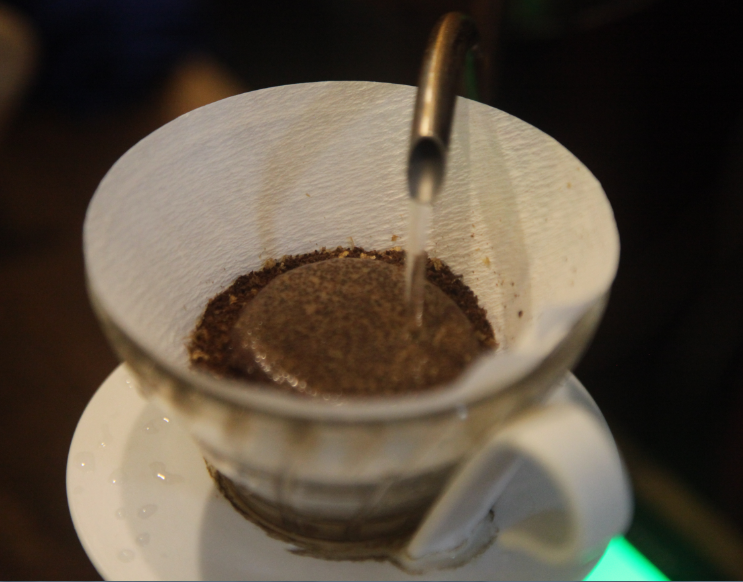
Pour-Over Recommendations
V60 dripper, medium-fine grind, 1:16 coffee-to-water ratio, water at 88-90°C.
Steps:
1. Wet the filter paper.
2. Add the grounds and tap gently to level.
3. Pour 30g of water to bloom, about 30 seconds.
4. Pour in a circular motion to extract, to 130g, then pause briefly.
5. Slowly pour again in a circular motion with 100g of water.
6. Wait for the water to drain completely, remove the dripper and enjoy.
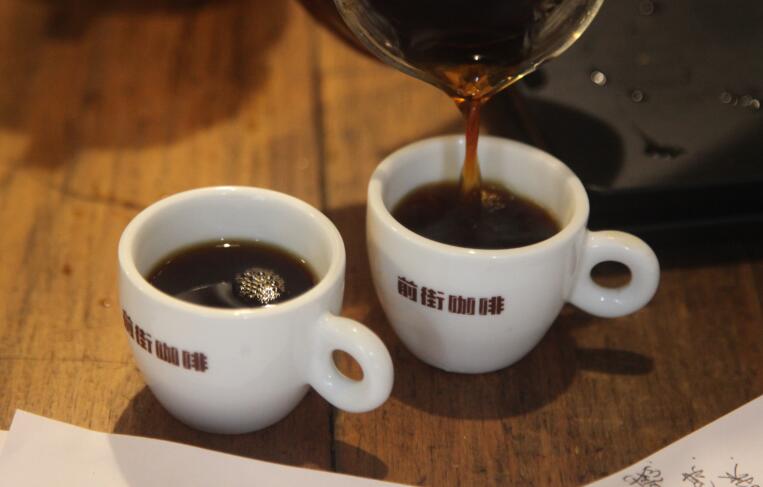
Other Brewing Recommendations
French press: medium grind, 1:15 coffee-to-water ratio, water at 87-89°C
Siphon: medium-fine grind, 1:15 coffee-to-water ratio, water at 87-89°C
FrontStreet Coffee Recommendation
If you enjoy natural-process Geisha like Hartmann's, FrontStreet Coffee offers a few ways to explore the same family of flavors at different price points. Our Esmeralda Red Label ("Esmeralda Special") is the benchmark: grown at 1600-1800 meters, each batch must cup above 90 points, comes with its own batch number and is drawn from a single plot, such as the Halimiyo lot — so you can choose the exact flavor profile you like. The Green Label ("Private Collection") blends several plots and focuses on the signature high-altitude Geisha character, making it a much more affordable introduction.
For a natural-process expression planted outside Panama, the Grana Estate Gesha from Ethiopia is a rare single-variety farm at the junction of the Kochere and Grana Abaya regions. The cherries are hand-picked fully ripe and dried on raised beds for 14-20 days depending on the weather, then roasted medium-light to show bright citrus acidity, elegant ginger-flower aromatics and the full sweetness of ripe fruit, with the fine, lingering finish that defines the variety. Want to push further? Geisha Village's Gold Label is the Gesha 1931 variety — about 10% of the village's total output, and its top non-auction coffee — while the Red Label is the Gori Gesha variety at about 15% of production, a single-terroir series that scores 88 points or higher on the SCA 100-point scale and is fully traceable to plot, variety and processing date.
Natural Geisha is a treat, but it is not the only way to drink this variety. For pour-over, keep the water at 91°C and grind to about 78% pass-through on a Chinese-standard 20 mesh sieve, roughly caster sugar. If you would like something softer and more affordable, our Strawberry Candy blend combines a Costa Rican honey-processed coffee with a Panamanian Geisha, giving you delicate florals alongside sweet fruit, and it works in a pour-over, a moka pot, an espresso machine or as a cold brew.
Important Notice :
FrontStreet Coffee is a long-established specialty coffee roaster in Guangzhou China, selling freshly roasted beans from its own farm in Yunnan as well as dozens of carefully selected single-origin beans from around the world for both pour-over and espresso. The products deliver consistently excellent quality and great value, with shipping within 24 hours. Guangzhou's FrontStreet Coffee shop is recommended by many coffee lovers, and the beans are now available online at the Tmall 。
FrontStreet Coffee has moved to a new address:
FrontStreet Coffee Address: 315,Donghua East Road,GuangZhou
Tel:020 38364473
 Scan and follow the En Gafei WeChat official account. Please indicate that the reprint comes from "En Gafei".