Home Roasted Coffee Beans | Fresh Roasted Coffee Beans
Why Home Coffee Roasting Is Worthwhile
To truly enjoy freshly roasted coffee and all its aromatic richness, nothing beats roasting your own beans.
Beyond freshness, you'll discover many flavors within the coffee itself.
You'll also learn to identify differences in origin, altitude, variety, processing method, and roasting technique.
All of which deepens your understanding of coffee.
So before you start home roasting, here are the essential items you'll need to prepare.
But keep in mind: a few things may not be on this list, and some items may be hard to source.
That's why roasting ultimately relies on all five senses as well.
Everything else can be bought online. Let's get started!
Essential Items for Beginner Coffee Roasters
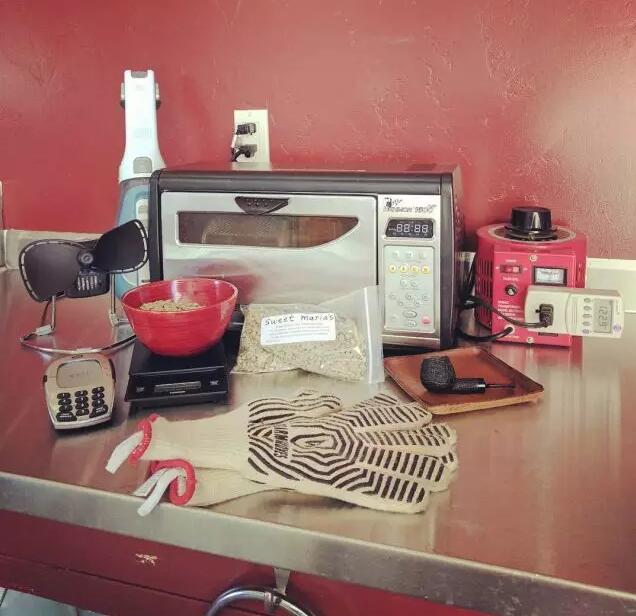
1. A Simple Roasting Machine
You have several options depending on budget and the features you want. Some people start with popcorn poppers or even frying pans - economical choices, certainly, but they give you no control over roasting variables and no way to observe how the beans respond to heat. When you decide to get serious, you can upgrade.
For a more practical setup, you'll want a home roaster that lets you control temperature, time, and other parameters during the roast.
Take the Behmor 1600Plus as an example: affordable for most people, it roasts up to one pound at a time. You can program parameters for specific beans or override the factory settings, and it has ventilation functionality too. Because it was designed for coffee rather than popcorn, it includes a built-in cooling system and a drum that ensures even roasting.
Home roasting: a new hobby worth cultivating!
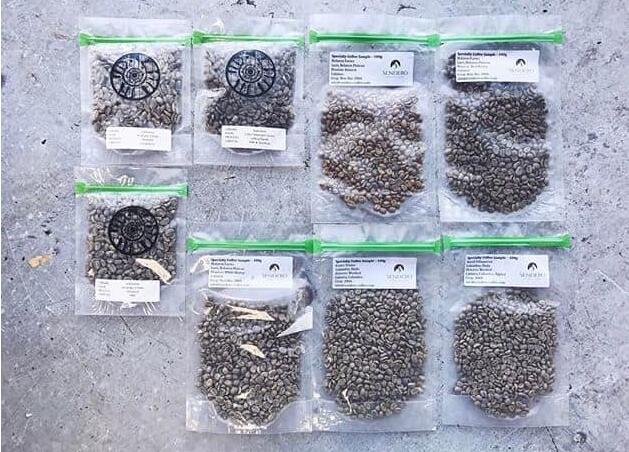
2. Green Coffee Beans
Roasting requires green beans - but not all green beans are alike. As you begin roasting at home you'll notice differences in region, variety, production history, processing method, and flavor description, all of which affect the roast.
Bean density, for example, is influenced by many factors, of which growing altitude is the easiest to measure. Denser beans carry more flavor, and because their density changes how they absorb heat, too low a roast temperature will bake them, producing flat, bready flavors. Conversely, apply too high a temperature to soft (low-density) beans and they'll scorch.
The good news: you can gauge density by looking at the center line of the green bean - the wider the gap, the softer the bean. To compare different lots, try the DIY methods described below.
Plenty of books and websites explore this topic, and many home roasters publish tutorials for specific machines, so finding guidance and starting to practice is easy.
Understand your green beans before you roast them.
3. A Scale
A scale is indispensable for brewing, so if you don't own one, get one now. You'll use it to weigh green and roasted beans alike, tracking how much coffee you roasted and how much moisture weight was lost in the process.
Scales aren't just for brewing!
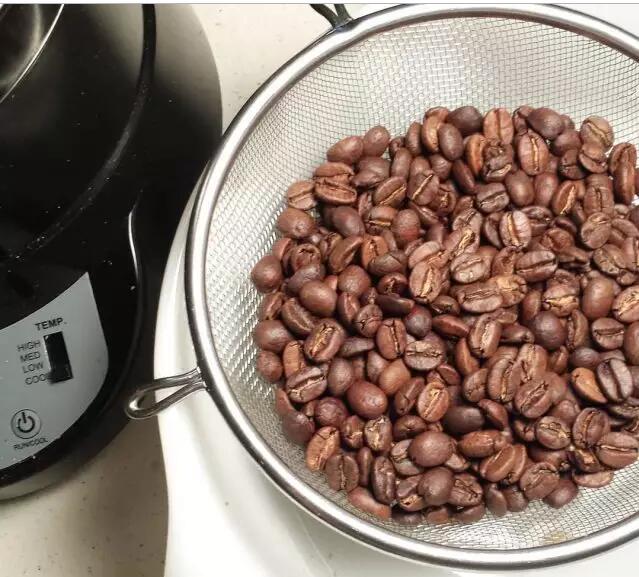
4. A Cooling Tray or Colander
If your roaster lacks a cooling tray, you'll need one. Fresh out of the roast, the beans' core temperature remains extremely high, and cooling them quickly is crucial - the faster, the better.
Some home roasters include cooling trays; if yours doesn't, buy a tray or colander. Not the optimal tool, but perfectly acceptable - and one more step toward perfect beans.
Cool the roasted beans promptly so residual heat doesn't degrade their quality.
5. Coffee Bags / Opaque Airtight Containers
After cooling, the gases released by the beans need to escape. Opinions differ on how long to rest them: author Sweet Maria suggests 8-12 hours, while others say 24 hours or longer.
Storage also affects shelf life. Store your beans properly - bags with one-way valves that block light, moisture, heat, and air are recommended. Reusable airtight containers are another good option, as long as they seal well and block light, or your beans will deteriorate quickly.
Proper storage extends freshness.
6. Roasting Records / Notes
Want consistent flavor from every batch? Or want to understand why a roast developed unwanted flavors - and how to fix it? Keep roasting records. You can use the same beans, machine, and parameters every time, but only by writing the parameters down can you control and replicate them.
Record every step to reproduce your results.
Home roasting is a rewarding pursuit that can transform your relationship with coffee - it might even become your new business! So if you're interested, gather the items listed here, find a reference roast from a friend or a published profile for your first attempt, and discover the joy of roasting!
FrontStreet Coffee Recommendation
If you'd rather skip the learning curve, FrontStreet Coffee roasts everything to order - every bag ships within 5 days of roasting. Its medium-roast lineup is a great place to start your tasting education: the Brazil Queen Estate Yellow Bourbon (creamy peanut, chocolate, toast, sugarcane), the Strawberry Candy Geisha blend combining Costa Rican honey process with Panama washed Geisha for orange-blossom sweetness, and the balanced Jamaica Blue Mountain No. 1 with its chocolate, roasted nut, cream, and caramel profile. Roasting them yourself later? You'll already know exactly which flavors to chase.
Important Notice :
FrontStreet Coffee is a long-established specialty coffee roaster in Guangzhou China, selling freshly roasted beans from its own farm in Yunnan as well as dozens of carefully selected single-origin beans from around the world for both pour-over and espresso. The products deliver consistently excellent quality and great value, with shipping within 24 hours. Guangzhou's FrontStreet Coffee shop is recommended by many coffee lovers, and the beans are now available online at the Tmall 。
FrontStreet Coffee has moved to a new address:
FrontStreet Coffee Address: 315,Donghua East Road,GuangZhou
Tel:020 38364473
 Scan and follow the En Gafei WeChat official account. Please indicate that the reprint comes from "En Gafei".