Lake Atitlan Guatemala Coffee Region | Flavor Profile and Brewing of El Ceylan Estate European Standard SHB Washed Beans
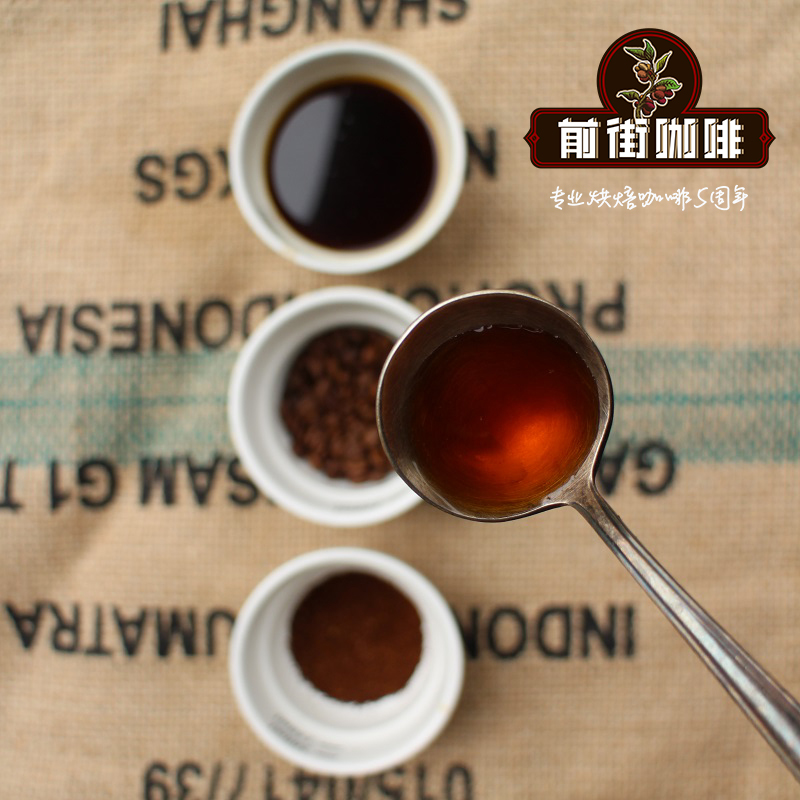
Guatemala Atitlan Region | Finca Ceylan European Standard SHB Washed Bean Flavor and Brewing
Finca Ceylan in the Atitlan region was purchased by the Echeverria family in 1870. The coffee grows in volcanic gravel soil and is cultivated alongside other agricultural products such as muskmelon and pineapple. It is a Rainforest Alliance certified farm (within the cultivation area, coffee must be intercropped with multiple agricultural products). The farm is located at an altitude of approximately 1000-1500 meters and grows the Caturra and Catuai varieties. The local average temperature is around 20 degrees Celsius. The beans are washed with pure water, and the wastewater is collected and left to settle, then used as natural fertilizer along with the pulp residues, creating a self-sufficient system that avoids polluting river basins. The surrounding rivers and forest lands are preserved as important ecosystems. Finca Ceylan employs only local residents. The plantation owner provides housing construction for employees, a clean drinking water supply, and builds schools to educate employees' children - a kind of utopia.
Since Guatemala's independence in 1838, the Spanish had introduced coffee cultivation to the country. They used the diligence and inexpensive labor of the local Maya people to continuously produce cheap coffee supplying all of Latin America. This continued until the 1970s; after World War II, German merchants vigorously promoted Guatemalan coffee sales to Germany and brought it to prominence. Before World War II, 60% of Guatemala's coffee production was exported to Germany.
However, in 1942, Guatemala, allied with the United States, officially declared war on Germany, which was part of the Axis powers, and confiscated all German coffee plantations in the country at that time. In the 1950s, with the assistance of American coffee experts, these confiscated plantations were divided into small units and distributed to the smallholder families working on them. Finca Ceylan has 75 hectares of forest within its protected area. The plantation uses the remaining coffee pulp and residues from washing to make organic fertilizer, forming a self-sufficient recycling system. The water used for washed coffee is also filtered through oxidation tanks and then recycled to avoid polluting river basins.
Guatemala is located on the Central American isthmus, with many high mountains and plateaus formed by volcanoes within its territory, producing high-quality, high-altitude, extremely hard Central American coffee beans. It is the world's 9th largest coffee-producing country. Guatemala's main coffee regions include seven major areas: Antigua, Huehuetenango, Atitlan, Coban, Fraijanes, San Marcos, and Acatenango. The coffee from all seven regions is Arabica, grown on highland terrain under subtropical climate conditions with abundant and stable rainfall and fertile volcanic ash soil, giving Guatemala extremely suitable natural conditions for coffee cultivation throughout the country. Each region has unique flavors, superior acidity and fruity aromas, smooth and palatable, belonging to the world's top tier of coffee and suitable for single-origin drinking. The Antigua region sits within the area dominated by the Madre plateau crossing Guatemala, and due to its natural conditions, Antigua has become Guatemala's most famous producing region.
Atitlan is one of Guatemala's four major volcanic coffee regions. Its soil is among the richest in organic matter, and ninety percent of the coffee is planted on extremely steep slopes extending all the way down to Lake Atitlan.
Flavor Profile:
1. Sweet and aromatic taste (virtually no acidity in the medium roast).
2. When brewing, the aroma has light floral notes and cocoa fragrance.
3. The initial flavor is relatively light; after cooling slightly, the coffee aroma and sweetness become rich.
Coffee Information:
Region: Atitlan region, Finca Ceylan
Variety: Caturra, Catuai
Roast Level: Light roast
Grade: European Standard Washed Strictly Hard Bean (SHB)
Processing Method: Washed
Harvest Period: December to March of the following year
Flavor Notes: Orange, almond slices, dark cocoa
FrontStreet Coffee's Recommended Brewing:
Dripper: Hario V60
Water Temperature: 90 degrees Celsius
Grind Size: Fuji Royal grinder setting 3.5
Brewing Method: Water-to-coffee ratio 1:15, 15g of ground coffee. First pour with 25g of water, bloom for 25 seconds. Second pour to 120g, then stop pouring. Wait until the water level in the coffee bed drops to half, then continue pouring slowly until reaching 225g total. Extraction time approximately 2:00 minutes.
Analysis: A three-stage brew clearly distinguishes the front, middle, and back-end flavors of the coffee. Because the V60 has many ribs and drains quickly, stopping the pour helps extend the extraction time.
FrontStreet Coffee Recommendation
Washed processing is a traditional way of using water to process coffee cherries: flotation, depulping, soaking and fermenting to remove mucilage, rinsing or further soaking, then drying and hulling. The long soak drives chemical changes inside the bean that consume simple sugars and increase organic acids, so washed coffee keeps more of the bean's own character while showing bright acidity and a clean, fresh cup - exactly the style of this Guatemalan lot.
If you love washed specialty beans, FrontStreet Coffee's Ethiopia Yirgacheffe Worka Cooperative is a standout: a skilled processing team from Worka village whose coffee is prized for its refined, clean flavor. A medium-light roast reveals jasmine florals and bright citrus acidity with notes of green tea and honey, suitable for pour-over, cold brew, and even espresso.
Kenya is another washed benchmark, famous for its double washed processing; FrontStreet Coffee's Kenya cherry-tomato lot delivers an intensely juicy cup of cherry tomato, dried plum, snow pear, black plum, and yellow sugar. And Jamaica Blue Mountain No. 1 shows why washing matters: born of the island's short sunshine hours, washed processing keeps the beans bright and low in defects, yielding a balanced cup of hazelnut, cream, chocolate, and caramel where no single note overwhelms another.
Important Notice :
FrontStreet Coffee is a long-established specialty coffee roaster in Guangzhou China, selling freshly roasted beans from its own farm in Yunnan as well as dozens of carefully selected single-origin beans from around the world for both pour-over and espresso. The products deliver consistently excellent quality and great value, with shipping within 24 hours. Guangzhou's FrontStreet Coffee shop is recommended by many coffee lovers, and the beans are now available online at the Tmall 。
FrontStreet Coffee has moved to a new address:
FrontStreet Coffee Address: 315,Donghua East Road,GuangZhou
Tel:020 38364473
 Scan and follow the En Gafei WeChat official account. Please indicate that the reprint comes from "En Gafei".