Limu Region, Ethiopia | Kosage West Farm - Sounds of Nature Local Landrace Natural Process Flavors
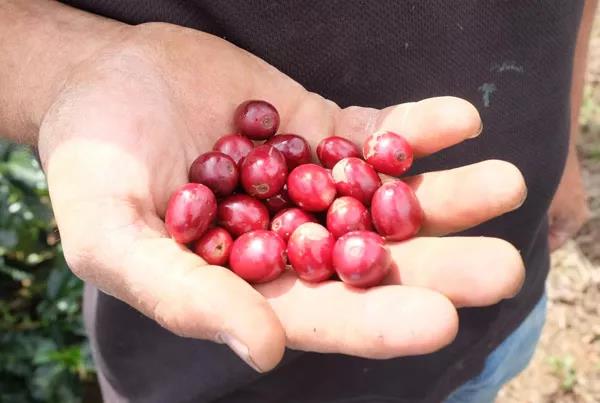
Ethiopia Limu Region | Kossa Geshe Farm - Sounds of Nature Local Heirloom Natural Process Flavor
"Sounds of Nature" comes from Limu, an Ethiopian region far less famous than its neighbors Yirgacheffe and Sidamo, one that has only started to attract attention in recent years. Limu sits southwest of the Ethiopian capital, at elevations of 1300-1900m, with the Djimma region to its south. The coffee we are looking at today is built from the heirloom mixed varieties of the historic Kossa Geshe farm in Limu.
Kossa Geshe Farm lies in the southern part of the Limu region at 1900m. The location is so remote that it is genuinely hard to find on a map, yet Sounds of Nature lived up to its promise and took third place in that year's competition.
Limu belongs to Ethiopia's southwestern growing belt, wedged geographically between two better-known regions, Djimma and Nekempte (Lekempti). It sits at high altitude, where native varieties are grown organically, and most of its coffee is washed. What separates washed Limu from washed Sidamo or washed Yirgacheffe is a bright acidity laced with spicy notes, along with varying degrees of winy character. The coffee trees grow in the shade of old, dense forest canopy, irrigated by natural mountain springs. The D.S.T (Direct Specialty Trade) system is an irregular Ethiopian auction through which only specialty coffees scoring above 80 points under SCAA cupping standards can be sold to foreign green coffee importers under their own names. The varieties planted are Ethiopian heirlooms, and local smallholder farmers cultivate them using 100% organic methods on Vertisol soils, at altitudes between 1850 and 1900 meters.
Limu's production is modest and goes mainly to European and American markets. It used to be difficult to source domestically, yet it enjoys enormous popularity in the West, where its reputation trails only Yirgacheffe. Limu's flavor profile diverges from Sidamo and Yirgacheffe: the body is lighter, the floral and citrus aromas are less pronounced, but it offers grassy and cocoa notes with a touch of sandalwood. Limu coffee is celebrated for its aromatic, spicy and winy character, and with good acidity and body, washed Limu holds its own among specialty coffees. The beans are medium-sized, greenish-blue, and mostly round.
Even if its name recognition has not caught up with Sidamo or Yirgacheffe, Limu still yields many outstanding coffees. Most producers here are smallholders, though several state-owned plantations operate in the region. Most Limu exports are G2 grade, tasting similar to Yirgacheffe but with a thinner mouthfeel; the floral and fruit notes are prominent, and the acidity is smoother than Yirgacheffe's.
Awards: 3rd Place at the 2015-2016 AFCA Ethiopia Competition, and 1st Place in the Natural Process category.
FrontStreet Coffee Recommended Brewing:
Dripper: Hario V60
Water Temperature: 90°C
Grind Size: Fuji Royal grinder setting 3.5
Brewing Method: Coffee-to-water ratio 1:15, using 15g of ground coffee. Pour 25g of water first for a 25-second bloom. Next, pour up to 120g and pause. Once the water level in the coffee bed drops to half, resume pouring slowly until you reach 225g total. Total extraction time is around 2:00.
Analysis: The three-stage pour draws a clear line between the front, middle, and back-end flavors of the cup. Because the V60 has deep ribs and drains quickly, pausing between pours stretches the contact time and rounds out the extraction.
FrontStreet Coffee Recommendation
If this natural Limu has piqued your interest in Ethiopian heirloom coffee, FrontStreet Coffee's washed Yirgacheffe is the natural next step and the classic starting point for Ethiopian specialty coffee. Yirgacheffe is a small town inside Ethiopia's southern Sidamo province, sitting at roughly 1700-2100m, with the coffee trees planted at 1800m and above - among the highest coffee elevations in the world. The washed beans show a recognizable white jasmine florality with bright citrus and lemon acidity and a gentle tea-like finish.
For a natural-processed alternative with more fruit weight, FrontStreet's Red Cherry Yirgacheffe uses only fully ripe, defect-free cherries dried whole on raised beds and turned every 2-3 hours during the first days of drying to prevent uneven fermentation. After three to five weeks of sun drying, the cup delivers citrus-like acidity, a berry-juice juiciness, honeyed sweetness, and a creamy smoothness - the same family of fruit-forward flavors that makes natural Limu so appealing.
Important Notice :
FrontStreet Coffee is a long-established specialty coffee roaster in Guangzhou China, selling freshly roasted beans from its own farm in Yunnan as well as dozens of carefully selected single-origin beans from around the world for both pour-over and espresso. The products deliver consistently excellent quality and great value, with shipping within 24 hours. Guangzhou's FrontStreet Coffee shop is recommended by many coffee lovers, and the beans are now available online at the Tmall 。
FrontStreet Coffee has moved to a new address:
FrontStreet Coffee Address: 315,Donghua East Road,GuangZhou
Tel:020 38364473
 Scan and follow the En Gafei WeChat official account. Please indicate that the reprint comes from "En Gafei".