How to Distinguish Geisha Village | Auction, Gold Label, Red Label, Green Label, Chaka Batch Geisha?
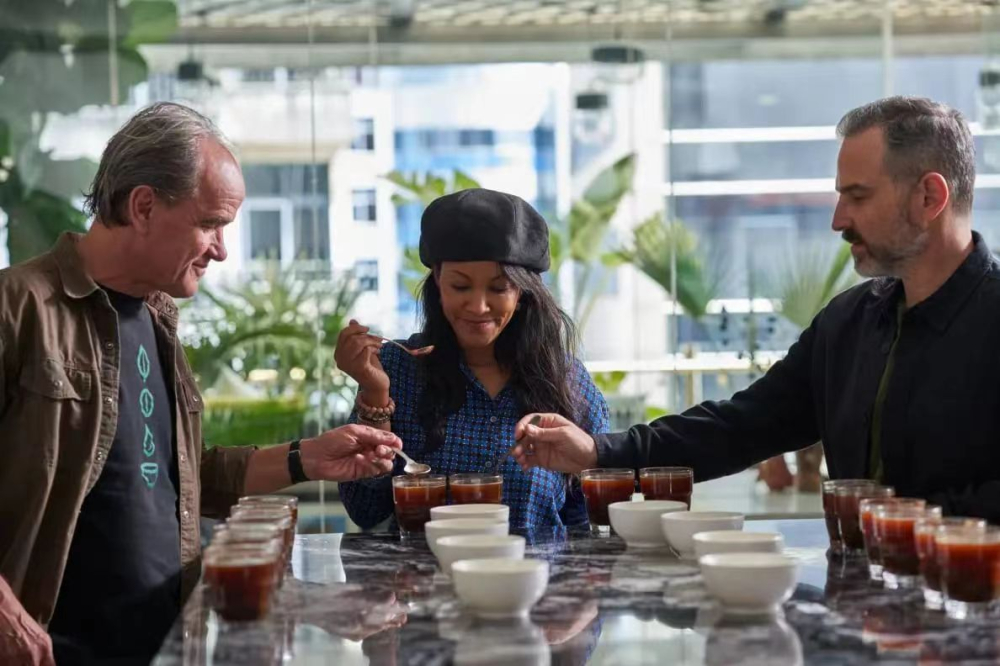
The Discovery of Gesha Village
In 2011, Adam set out on an "adventure" with his consultant Willem Boot in the forests surrounding the estate. In a stretch of jungle thickly wrapped in forest, they found several wild tree types, the most exciting of which was wild Gesha. They later learned that this was the Gori Gesha forest—the very place where the Gesha coffee variety was first discovered.
They collected seeds from the original Gesha trees and, after careful screening, sent them to specialist institutions for genetic testing, which confirmed this as the original collection site of the Panama Gesha variety. Working from tree morphology, bean appearance and size, and cupping results, they then selected the Gesha closest to today's Panama Gesha and began raising seedlings. From there, the story of Gesha Village Estate took root on this land in Ethiopia.
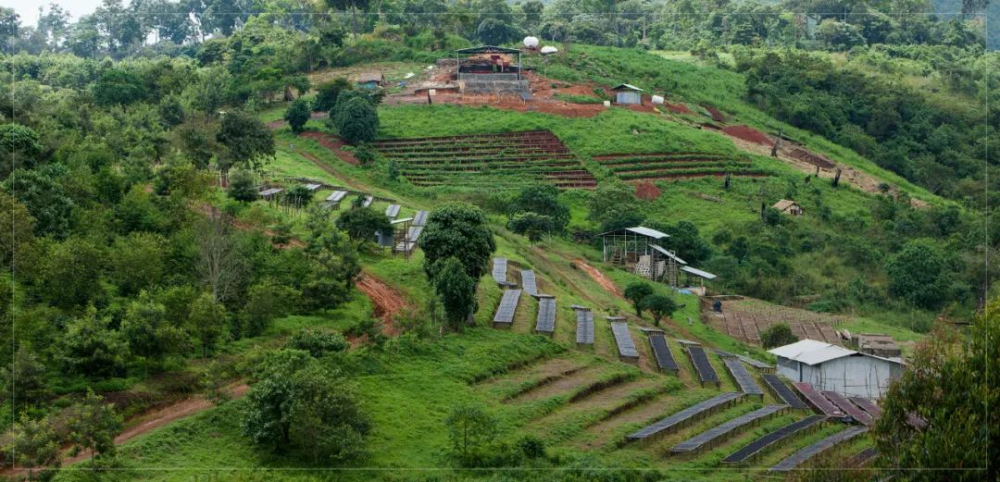
Gesha Village Estate at a Glance
Gesha Village sits in a high-altitude region with abundant rainfall, a temperate climate, and all the key natural factors needed to produce premium coffee. Unlike many estates in Panama, however, Gesha Village grows three Gesha varieties: Gori Gesha, Gesha 1931, and Illubabor Forest. To keep quality consistent, owner Adam also set up a strict grading system, dividing the Gesha into Gold Label, Red Label, Green Label, CHAKA, and Auction.
The estate's plot division shows that the western side has the higher planting altitudes, especially the OMA, SURMA, and SHEWA-JIBABU plots, which sit between 1,900 and 2,069 meters—SHEWA-JIBABU with the highest average altitude. The southern part of the estate has more shade cover, while the northern side receives longer sunlight. Across its eight plots, Adam matches each variety to the plot whose microclimate—altitude, soil, shade—suits it best, so that each plot can develop its own distinct flavor profile.
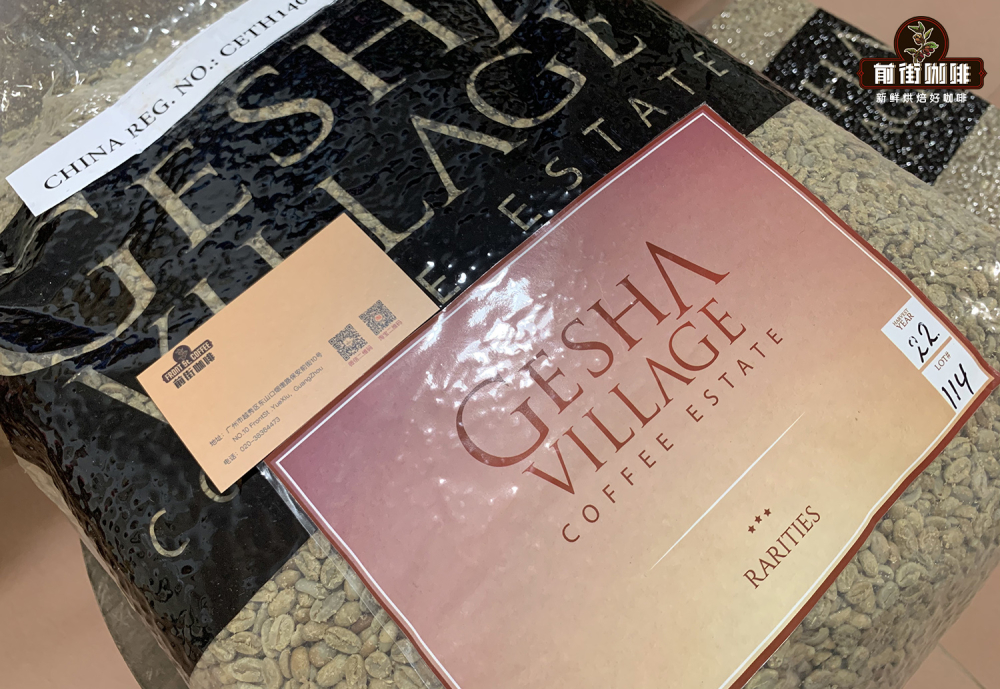
Gesha Village Auction Lots
Auction-lot Gesha accounts for only 3.7% of Gesha Village's annual production, and each lot comes with full traceability for the green beans. The flavors are prominent and highly complex; this is the top tier selected through rigorous screening. Buyers can only obtain it through Gesha Village Coffee Estate's global auction.
Gold Label Gesha
Gesha Village Gold Label Gesha (RARITIES) is the batch that competition contestants and quality-focused roasters around the world buy most often. It accounts for about 10% of the estate's annual production and comes with detailed traceability information. In buying the Gold Label batch, FrontStreet Coffee found complex, rich flavors; during cupping you can feel the charm of this Gesha—whether it is the distinctive dry aroma or the sipping flavors, mouthfeel, and aftertaste, it lingers.
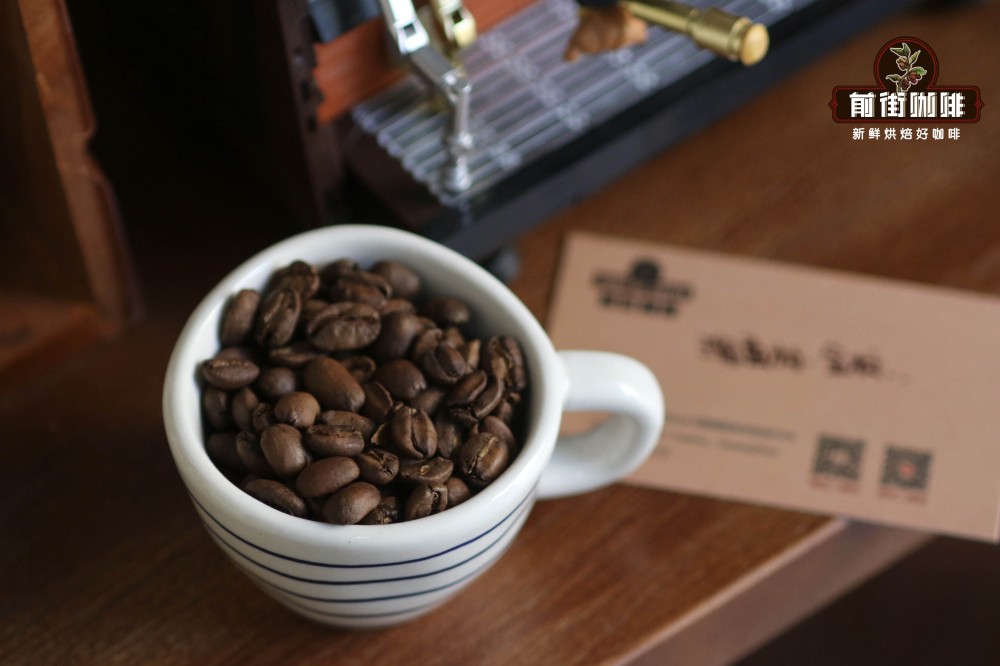
FrontStreet Coffee: Ethiopia Gesha Village Estate Gold Label Gesha
Region: Ethiopia, Bench Maji Zone
Estate: Gesha Village Estate, Oma Plot
Altitude: 1,900-2,040 meters
Variety: Gesha 1931
Processing: Natural
Flavor: Citrus, berries, cream, caramel, honeydew, honey
Red Label Gesha
Unlike Gold Label, Gesha Village Red Label (GROWERS RESERVE) makes up 15% of total annual production and is selected from the Gori Gesha variety. It is premium Gesha that cups above 88 points on the SCA scale. Though its intensity and complexity do not reach the Gold Label and Auction batches, Red Label still delivers a very classic Gesha Village profile. FrontStreet Coffee considers it excellent value and well worth picking up for Gesha fans.
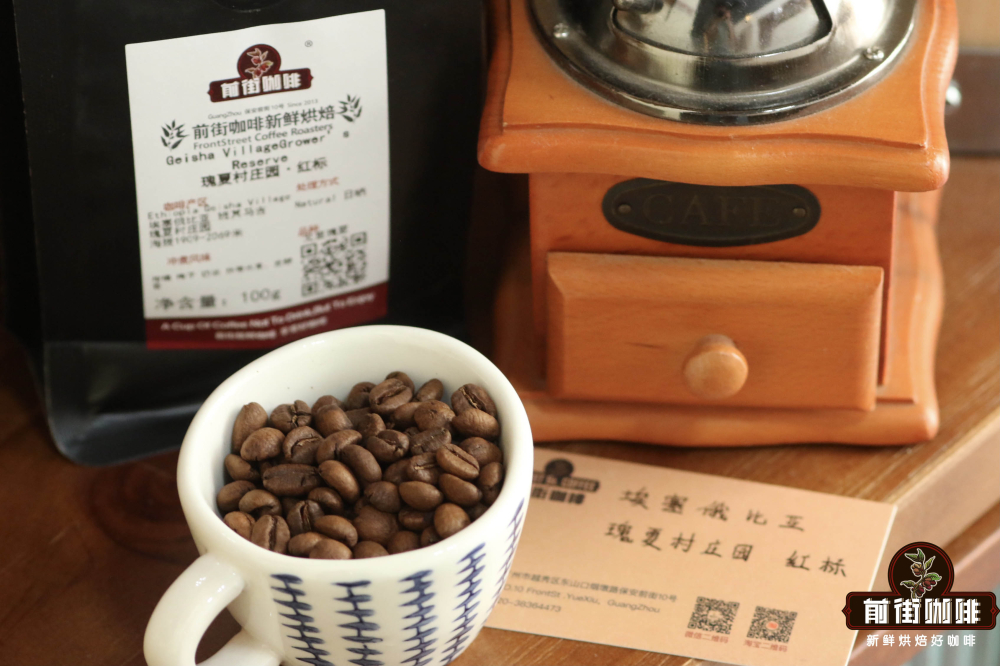
FrontStreet Coffee: Ethiopia Gesha Village Estate Red Label Gesha
Region: Ethiopia, Bench Maji Zone
Estate: Gesha Village Estate, Shewa-Jibabu Plot
Altitude: 1,973-2,069 meters
Variety: Gori Gesha
Processing: Natural
Flavor: Lemon, plum, citrus, tropical fruit, flower tea
Green Label Gesha
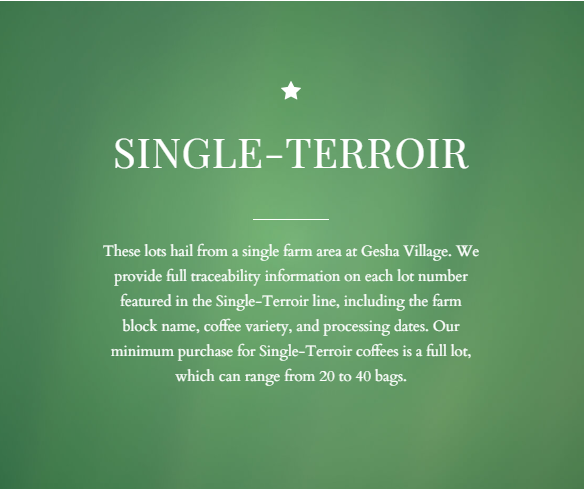
Gesha Village Green Label lots (SINGLE-TERROIR) are single-plot, single-variety batches. Each Green Label lot provides full traceability, including farm plot name, coffee variety, and processing date. Compared with Red Label and Gold Label, Green Label carries no cupping-score requirement, making it an entry-level single-plot Gesha.
FrontStreet Coffee: Ethiopia Gesha Village Estate Green Label Gesha
Region: Ethiopia, Bench Maji Zone
Estate: Gesha Village Estate, Bangi Plot
Altitude: 1,901-2,001 meters
Variety: Gori Gesha
Processing: Natural
CHAKA Blend
Unlike the estate's other batches, CHAKA blends all plots and all harvest seasons of Gesha coffee, including the three varieties grown at Gesha Village: Gesha 1931, Gori Gesha, and Illubabor. It is offered in both washed and natural versions; FrontStreet Coffee acquired the natural batch.
First, impurities and unripe fruit are removed by flotation, then the cherries are spread thinly on African raised beds covered with plastic sheeting for natural drying. The cherries must be turned regularly, and hand-sorting removes unevenly colored beans. Total drying time is 18-30 days. To preserve more fruit acidity, FrontStreet Coffee chooses a medium-light roast. Through cupping, FrontStreet Coffee finds quality notes of citrus, berries, cream, oolong tea, and cane sugar in this CHAKA Gesha.
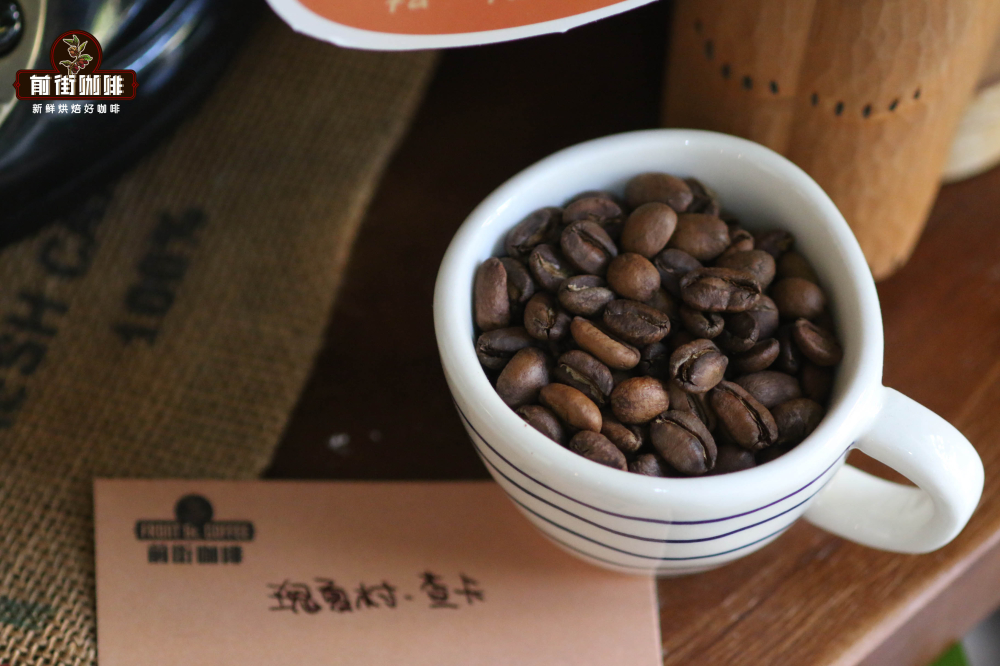
FrontStreet Coffee: Ethiopia Gesha Village Estate CHAKA
Region: Ethiopia, Bench Maji Zone
Estate: Gesha Village Estate
Altitude: 1,900-2,100 meters
Variety: Gori Gesha, Gesha 1931, Illubabor
Processing: Natural
Brewing Recommendations
As everyone knows, Gesha coffee is world-famous for its rich floral aromas and complex fruit flavors. FrontStreet Coffee wants to preserve more of Gesha's fine acidity, so it chooses a medium-light roast (adjusted slightly from batch to batch). This roast level does not significantly change the high hardness of beans grown at altitude, so brewing needs to raise the extraction rate to present fuller layers. That means a higher water temperature and a finer grind to draw out more aromatic compounds.
Below, FrontStreet Coffee demonstrates the brewing steps for Gesha Village Red Label as served in our shops. Feel free to follow along and compare with your own approach.
Hand-Brew Recommendations for Gesha Village Red Label Coffee
Dripper: V60
Water temperature: 91-92°C
Dose: 15 g
Ratio: 1:15
Grind size: Fine-sugar size (80% passing through a #20 sieve)
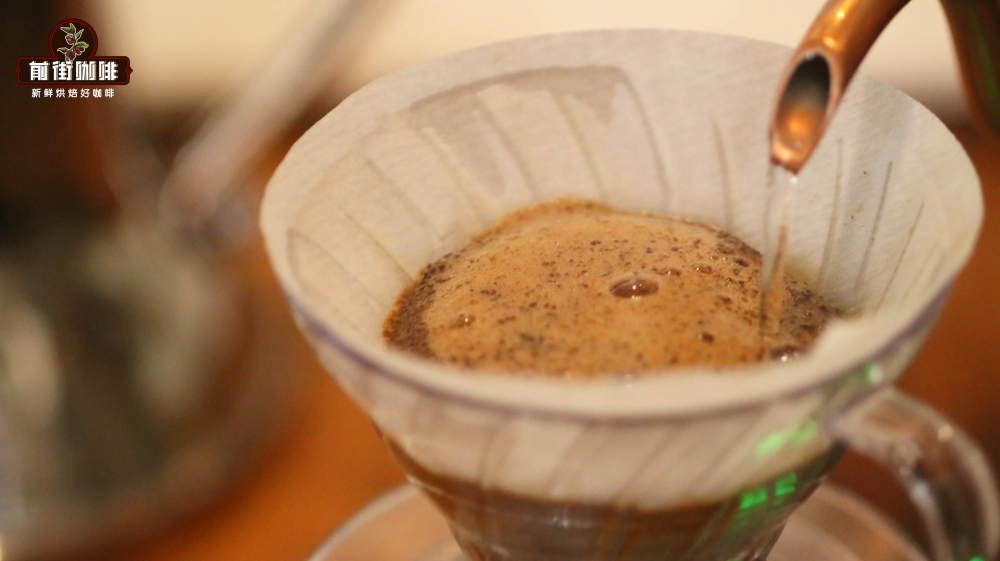
Three-Stage Extraction
First, pour 15 g of grounds into the dripper and tare the scale. For the first stage, pour 30 g of water for a 30-second bloom, starting the timer at the same time. Use a small stream, beginning at the center and spiraling outward so the entire coffee bed is saturated.
For the second stage, use a slightly stronger stream to pour 120 g of water, lifting the whole bed. The water column should fall vertically and evenly. The scale should now read 150 g, with the pour finished at around 55 seconds.
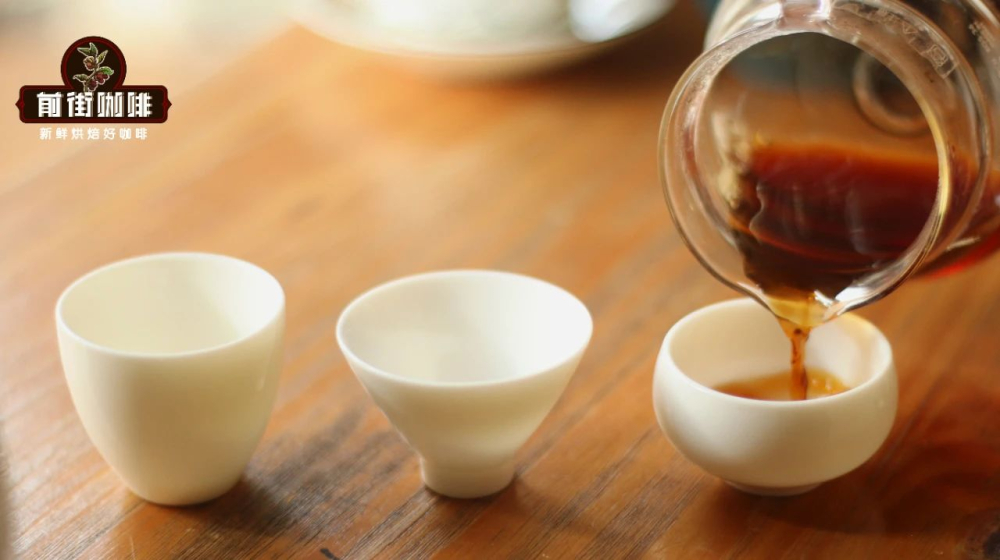
When the water level drops to about halfway, begin the third stage: pour the remaining 90 g in small circles with a gentle stream. Avoid making the circles too wide, which can scatter the bed and cause under-extraction. The final water weight should be 240 g in total, with the drawdown finishing at around 2 minutes and 10 seconds. After removing the dripper, swirl the coffee in the server to even it out before tasting.
For professional coffee knowledge exchange and more coffee bean information, follow Coffee Workshop (WeChat official account: cafe_style).
For more specialty coffee beans, add FrontStreet Coffee's private WeChat account: qjcoffeex
FrontStreet Coffee Recommendation
If you want to explore this estate's hierarchy for yourself, FrontStreet Coffee carries both the Ethiopia Gesha Village Gold Label (RARITIES, Gesha 1931, about 10% of annual output, Oma Plot, 1,900-2,040 meters) and the Red Label (GROWERS RESERVE, Gori Gesha, about 15%, Shewa-Jibabu Plot, 1,973-2,069 meters, 88 points or above). The Gold Label is the batch competition brewers and quality-minded roasters reach for, while the Red Label is the more accessible way to taste a classic Gesha Village profile.
For a single-plot alternative, FrontStreet Coffee also offers the Grana Gesha from the Genlana farm in Ethiopia, a natural-processed Ethiopian heirloom cupped for bright citrus acidity, elegant ginger-lily aroma, and a silky, delicate Gesha finish. Whichever you choose, the V60 method above will let their florals and layered fruit acidity come through clearly.
Important Notice :
FrontStreet Coffee is a long-established specialty coffee roaster in Guangzhou China, selling freshly roasted beans from its own farm in Yunnan as well as dozens of carefully selected single-origin beans from around the world for both pour-over and espresso. The products deliver consistently excellent quality and great value, with shipping within 24 hours. Guangzhou's FrontStreet Coffee shop is recommended by many coffee lovers, and the beans are now available online at the Tmall 。
FrontStreet Coffee has moved to a new address:
FrontStreet Coffee Address: 315,Donghua East Road,GuangZhou
Tel:020 38364473
 Scan and follow the En Gafei WeChat official account. Please indicate that the reprint comes from "En Gafei".