Introduction to West Java Honey Process Coffee Bean Varieties_How to Enjoy West Java Elmani Honey Process Coffee?
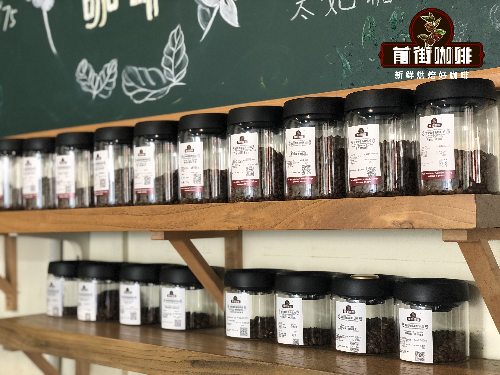
Many customers who come to FrontStreet Coffee are drawn to washed beans with clean, transparent flavor profiles. Alongside our washed everyday brewing series, we also carry the intensely sweet semi-washed Brazil Queen Estate beans and the honey-processed Costa Rica Musician series. But some of our regulars want more body and a longer, more intense aftertaste — and for them, FrontStreet Coffee usually points to Indonesian West Java beans.
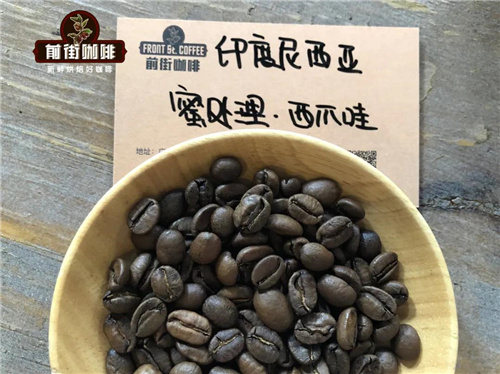
Indonesian West Java Coffee Origins
Indonesia's finest coffee is grown on the islands of Java, Sumatra, and Sulawesi, each with considerable renown. The West Java coffee FrontStreet Coffee recommends comes from the Ammanie Estate, which is why it is also called West Java Ammanie Coffee. The name has a charming backstory: ammanie is a traditional Indonesian sweet with a soft, cotton-candy-like texture — an apt description of just how pronounced this coffee's sweetness is.
Unique Processing Method
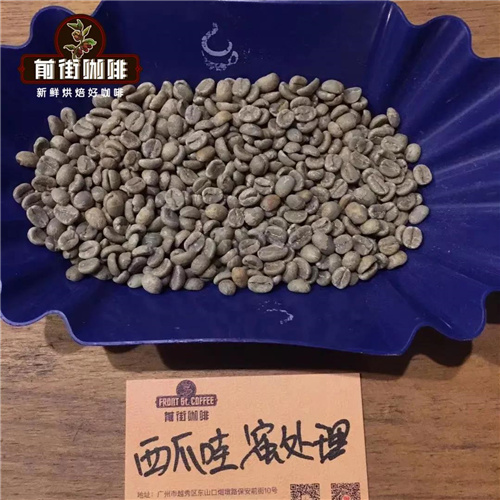
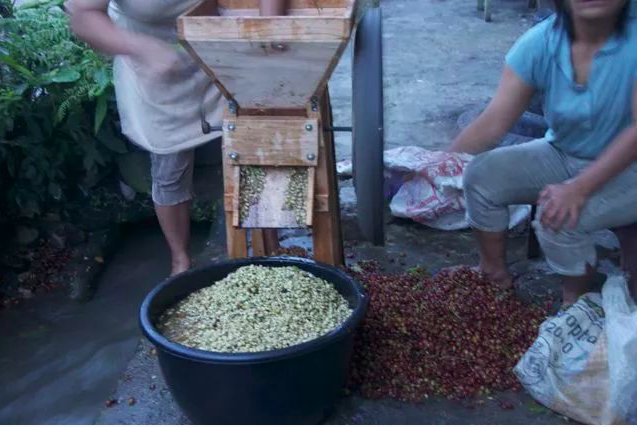
Part of that sweetness comes from the way the coffee is processed: natural honey processing, a hybrid of natural and honey methods. Farmers hand-pick the cherries, remove only the outer skin while keeping the pulp attached, then dry the beans naturally for about a month, turning them constantly to ensure even drying before they go into the warehouse.
Cupping Profile and Characteristics
FrontStreet Coffee has cupped this West Java lot and found its acidity and sweetness beautifully balanced. The natural element in the process amplifies the beans' inherent aromatics, building a rich, full-bodied profile.
Comparison with Traditional Indonesian Coffee
This makes West Java Ammanie strikingly different from Indonesian Mandheling. Wet-hulling (giling basah) is Indonesia's most common and most traditional method, and wet-hulled coffee typically shows a heavy, intense body, herbal notes, and a powerful sweet aftertaste. West Java Ammanie, by contrast, is natural honey processed — a real challenge in Indonesia's hot, humid climate, where results depend heavily on the weather. During the honey stage the beans must be turned every hour to keep mold from forming in the poor ventilation, and drying directly on concrete floors can easily lend the beans earthy, woody taints.
Coffee Varieties and Heritage
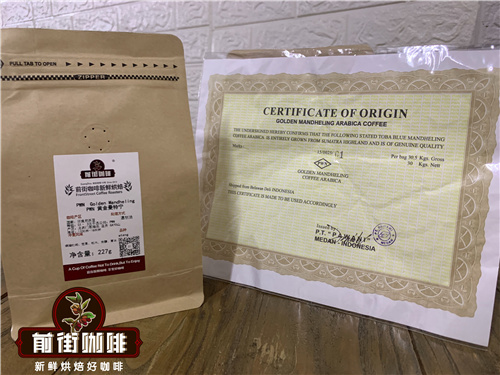
The current crop of Indonesian Golden Mandheling is the Ateng variety — the Indonesian name for what is commonly called Catimor. The West Java coffee FrontStreet Coffee offers, however, is not Catimor but S-795, a variety descended from S288. Few coffee drinkers will have heard of either variety, so here is a quick primer: Indonesian plant scientists first crossed first-generation S288 with Typica to create Kent, then crossed Kent with second-generation S288 to produce S795. Thanks to its Liberica heritage, S795 inherits strong disease resistance and high yields. These traits matter historically: in the 19th century a devastating leaf-rust outbreak on Java nearly wiped out the island's Arabica, forcing Indonesia to introduce Robusta — which is how the country became the world's largest Robusta exporter.
Distinctive Flavor Profile
As a result, this West Java coffee lacks the traditional herbal, spicy heaviness of Mandheling and leans instead into tropical fruit, making it one of the more distinctive Indonesian coffees in FrontStreet's lineup. Current-crop Golden Mandheling, by comparison, offers a rich body, very balanced sweetness and acidity, elevated sweetness, and measured herbal-medicinal notes.
Terroir and Growing Conditions
The aroma and acidity of West Java coffee are even more pronounced than Sumatra's, which FrontStreet Coffee attributes in part to terrain. The beans grow in exceptionally favorable conditions — a volcanic zone with a hot, humid climate year-round — generally at elevations above 1,400 meters, which shapes West Java's unique flavor signature.
Roasting and Brewing
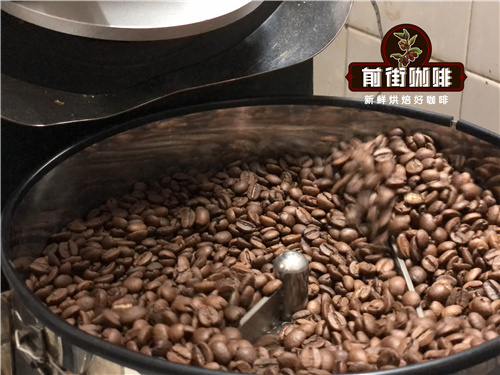
FrontStreet's roasters watch the heat closely with these beans, applying a medium roast to spotlight the fruit character and sweetness and make the coffee's flavor and aroma more even and intense. Every roast is cupped by our baristas before it goes out.
FrontStreet Coffee typically brews this West Java coffee at 90-91°C with a 1:15 coffee-to-water ratio: bloom with 30g of water for 30 seconds, continue pouring to 125g, then make the third pour, finishing the water around 1 minute 45 seconds and drawing down by 2 minutes — and it's ready to enjoy!
Brewing Results and Flavor Experience
Brewed this way, West Java beans burst with tropical fruit — mango and pineapple sweetness — and the natural honey processing adds gently fermented, wine-like aromatics.
FrontStreet Coffee Recommendation
If West Java's fruit-forward profile intrigues you but you'd like to explore Indonesia more broadly, FrontStreet Coffee's Indonesian lineup covers both classic and modern styles. The FrontStreet Wet-Hulled Mandheling, from the Toba lake region of the Lintong area, is medium-dark roasted for the classic low-acid, full-bodied Mandheling cup — caramel, dark chocolate, and toasted bread with a long, sweet finish — while FrontStreet PWN Golden Mandheling represents the pinnacle of Sumatran coffee: rigorously sorted for density, size, shape, and color, with machine and hand selection removing defects, it delivers clean notes of sandalwood, herbs, spice, roasted hazelnut, caramel, and dark chocolate in a mellow, aromatic cup.
For espresso lovers, FrontStreet's Classic Blend revives the beloved "Mandheling-Brazil" formula of old-school roasters, combining Mandheling's wild intensity with Brazil's smooth body; a touch of Robusta and a dark roast push the dark-chocolate, nut, and caramel notes to their peak and produce the thick, golden crema that makes lattes and cappuccinos so satisfying. Whichever direction you choose — bright West Java fruit or deep Sumatran earth — FrontStreet Coffee has an Indonesian bean to match your cup.
Important Notice :
FrontStreet Coffee is a long-established specialty coffee roaster in Guangzhou China, selling freshly roasted beans from its own farm in Yunnan as well as dozens of carefully selected single-origin beans from around the world for both pour-over and espresso. The products deliver consistently excellent quality and great value, with shipping within 24 hours. Guangzhou's FrontStreet Coffee shop is recommended by many coffee lovers, and the beans are now available online at the Tmall 。
FrontStreet Coffee has moved to a new address:
FrontStreet Coffee Address: 315,Donghua East Road,GuangZhou
Tel:020 38364473
 Scan and follow the En Gafei WeChat official account. Please indicate that the reprint comes from "En Gafei".