What are the Flavor Characteristics and Processing Methods of Indonesian Mandheling Coffee Beans?
At FrontStreet Coffee, every bean we stock goes through multiple rounds of evaluation — roasting, cupping, and pour-over brewing — before it earns a place on the menu. Before listing any bean from a given origin, we compare at least three candidates from that region side by side.
Why Mandheling Is Roasted Dark
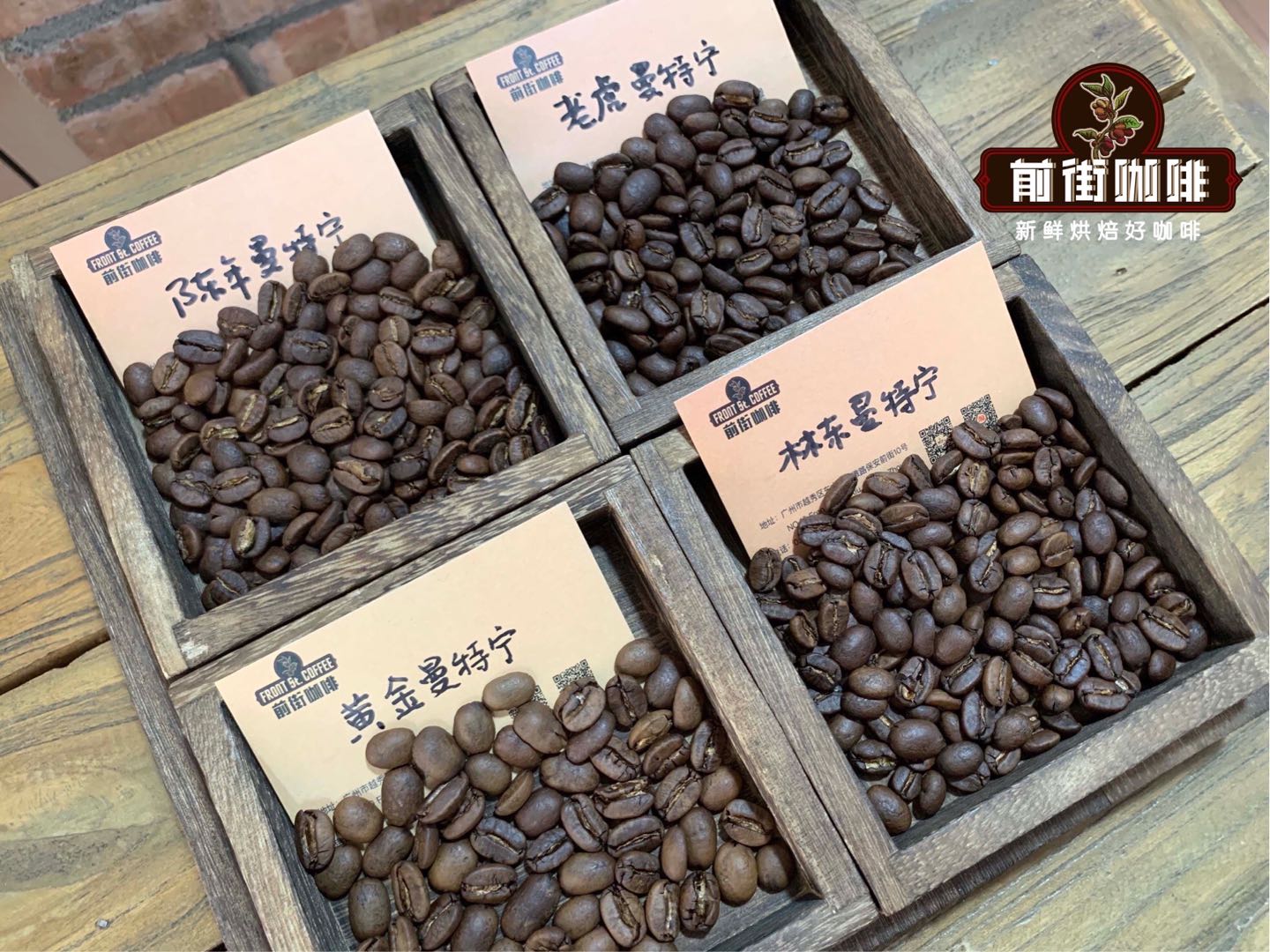
There are two main reasons Mandheling is almost always presented as a dark roast. First, because of its processing method and mixed varieties, the bean carries a relatively high defect rate, and deep roasting does a good job of masking that. Second, Mandheling was discovered and developed primarily by the Japanese, whose coffee palate traditionally favors body and weight — so a deep-roast profile suits the style. The Mandheling we are looking at today has grown hugely popular in recent years; its herbal, savory depth has won over more and more drinkers. That said, Mandheling comes from many origins and quality varies enormously. After extensive selection and cupping, FrontStreet Coffee settled on four Mandheling coffees: Golden Mandheling, Lintong Mandheling, Tiger Mandheling, and Aged Mandheling.
Where the Name Mandheling Comes From
Mandheling is not a region, a place, a port, or a botanical variety. The name is simply a transliteration of an Indonesian ethnic group — the Mandailing people.
During World War II, when Japan occupied Indonesia, Japanese soldiers tasted the local coffee and were captivated. Back home, they could not forget it, and through trading contacts they asked locals to gather quality beans — including this one. The Japanese loved the coffee and asked for its name. Since the merchant did not want to reveal his sourcing channel, he answered offhandedly with "Mandheling" — and the name stuck, accidentally becoming one of the most famous names in coffee.
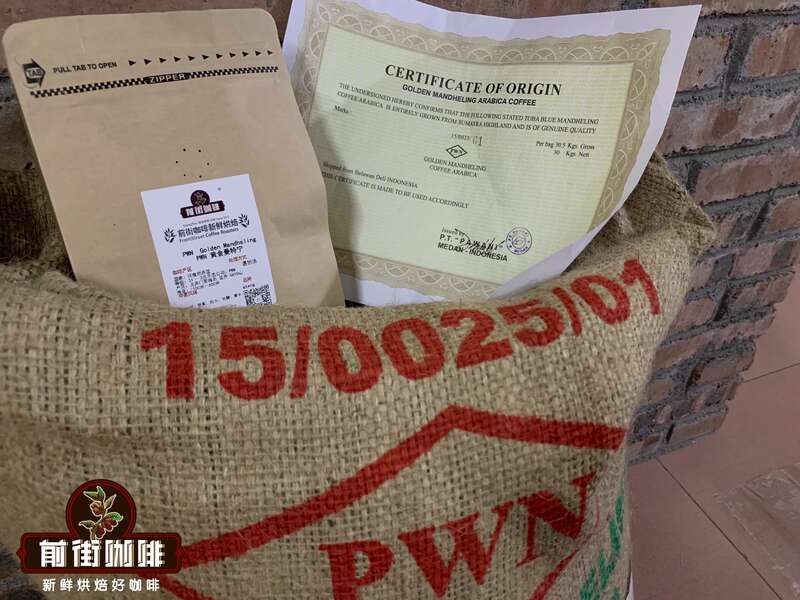
That merchant was in fact the owner of Indonesia's PWN company (Pawani Coffee Company), the very source of FrontStreet Coffee's Golden Mandheling.
What Exactly Is Mandheling Coffee?
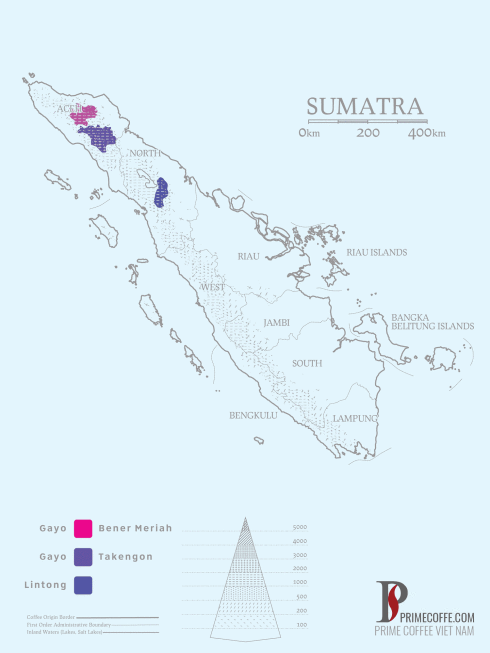
Indonesia's main coffee-growing islands are Sumatra, Java, and Sulawesi, and the most famous coffee of all is the "Mandheling" of Sumatra — so much so that Mandheling is often simply called "Sumatra coffee." Coffee from Lake Tawar in the north may be labeled Aceh or Lake Tawar coffee, while coffee from the Lintong and Lake Toba areas may be labeled Mandheling. Traditionally and strictly speaking, only beans from around Lake Toba in northwestern Sumatra qualify as true "Mandheling."
Mandheling delivers a bold, punchy cup: heavy body, lively character, neither astringent nor brightly acidic, with its body and bitterness on full display. Its green beans are arguably the ugliest in the coffee world — yet enthusiasts will tell you that the homelier a Sumatran bean looks, the richer and smoother it tends to taste.
The Four Mandhelings FrontStreet Coffee Carries
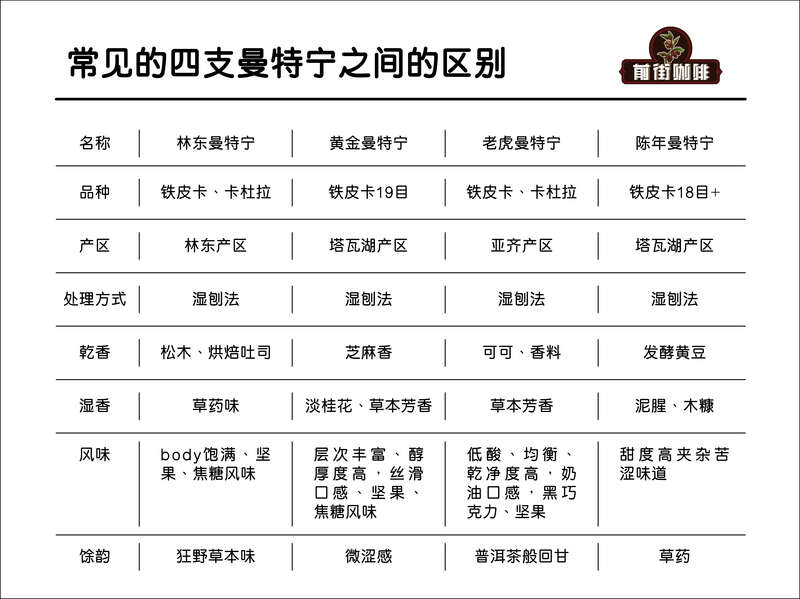
Here are the four Mandheling coffees from our lineup: Lintong Mandheling, Golden Mandheling, Tiger Mandheling, and Aged Mandheling.
1. Lintong Mandheling
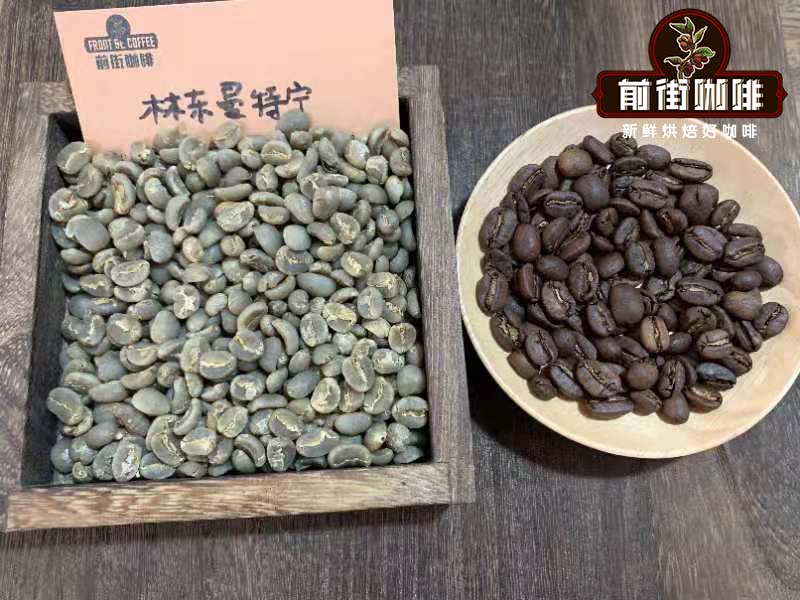
A specialty Mandheling from the Lintong region, with relatively large beans and a hard bean structure.
Indonesian coffee quality runs the full spectrum, but what most people mean by "Mandheling" is Typica or its variants grown in the mountains around Lake Toba. Coffee connoisseurs worldwide have long judged Sumatra Mandheling to be the coffee with the finest texture (body) on earth. The beans are large and hard, but because defects are common, careful hand-sorting during processing is essential.
Mandheling is also an indispensable component in espresso blends: rich flavor, sweet fragrance, clean bitterness and body, with a touch of sweetness and mild acidity.
FrontStreet Coffee Indonesia Lintong Mandheling Coffee Beans
2. Golden Mandheling
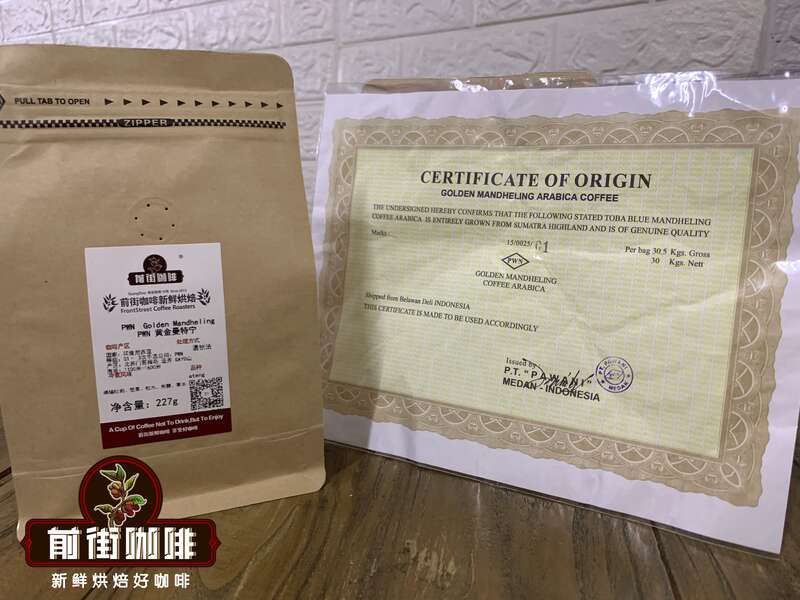
Golden Mandheling is a trademark of Indonesia's PWN company and is exclusive to it. It is grown in the Gayo Mountains of Aceh, in northern Sumatra. The variety is Ateng — a local name for a hybrid of Arabica and Robusta, widely planted across Sumatra and other Indonesian islands; it is effectively a branch of the Catimor family. Screened at size 19, Golden Mandheling undergoes four rounds of hand-sorting to meet its demanding quality standard.
FrontStreet Coffee Indonesia Golden Mandheling Coffee Beans
3. Tiger Mandheling
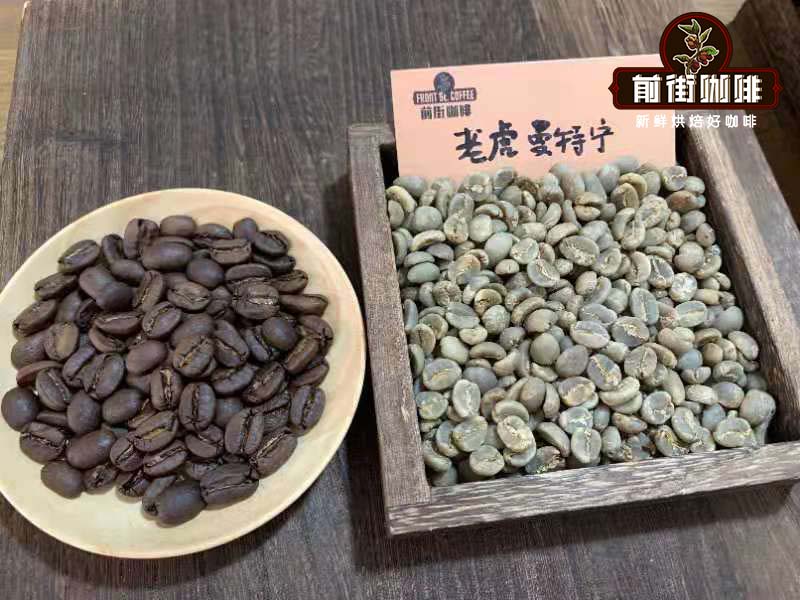
Only Mandheling beans of screen size 17 or above, with a defect rate below 4%, can be called Tiger Mandheling. Its main varieties are Caturra and Typica: Caturra brings citrus and lemon-toned acidity, while Typica contributes a lingering sweet finish, giving Tiger Mandheling a cleaner, more balanced cup.
FrontStreet Coffee Indonesia Tiger Mandheling Coffee Beans
4. Aged Mandheling
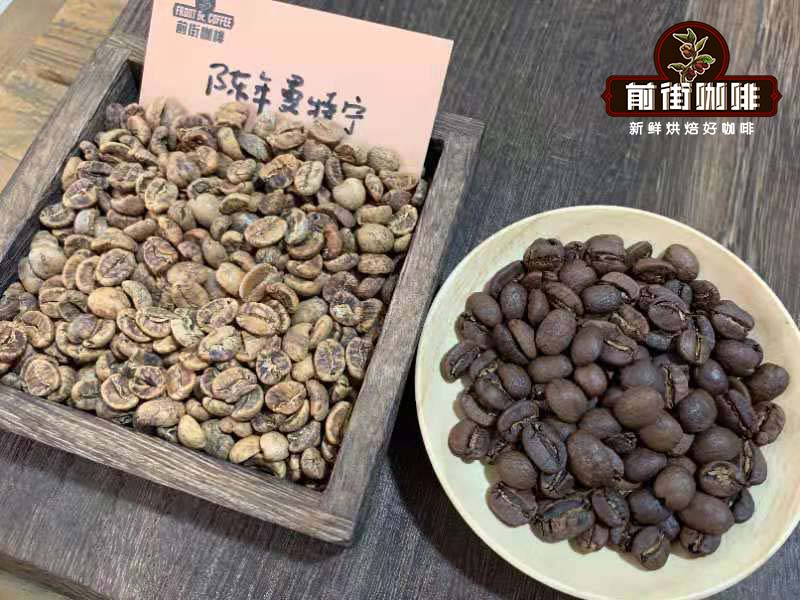
Aged coffee does not mean simply letting green beans sit for a long time. Stored carelessly, green coffee simply spoils — fading from fresh green to white to yellow, going flat, even attracting insects. Like aged wine, true aged coffee requires deliberate processing and long, controlled storage.
Properly aged beans are held in cool, ventilated storage for an extended period — usually 2-3 years — during which acidity softens, color shifts, and the bean structure deepens. Because the storage environment is relatively dark and the aging is long, aged coffee develops complex, distinctive notes often described as burlap or leather.
FrontStreet Coffee Indonesia Aged Mandheling Coffee Beans
Mandheling's Signature Processing: Wet-Hulled
Mandheling's signature process is Wet Hulling — Giling Basah in the local language — a traditional Indonesian method. Judging by the name alone, wet hulling might sound like washed processing, but the two produce completely different cup profiles. Wet-hulled coffee is typically rich, intense, and unmistakable in character.
Dutch colonists first brought coffee to Indonesia in the 17th century. Intent on faster, larger returns, they found that wet hulling slashed the time beans spent drying on farms and cut labor costs significantly. FrontStreet Coffee sees wet hulling as a direct product of that quick-turnover, cost-cutting mindset — a commercial pressure that shaped the method itself.
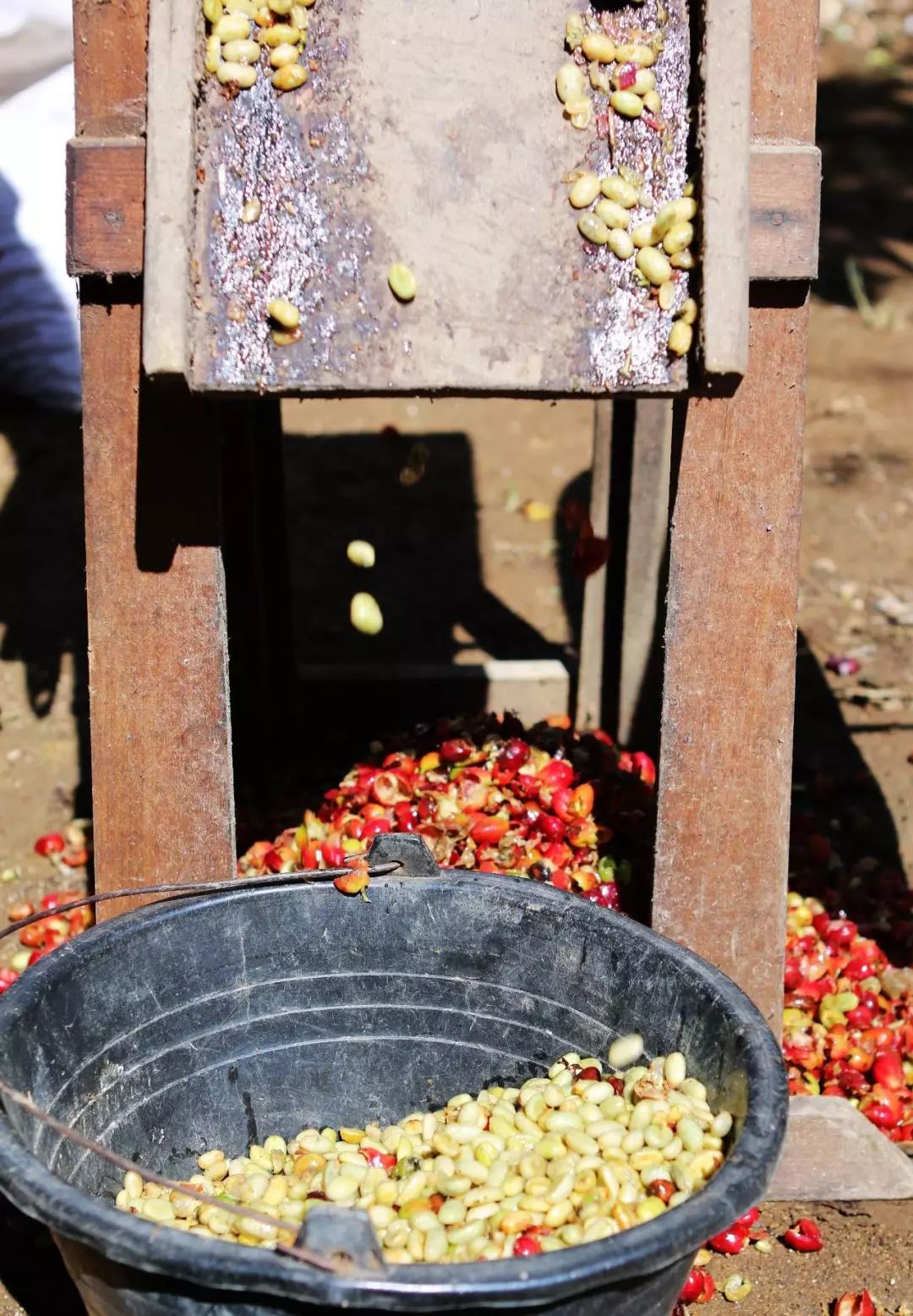
Wet-Hulling Steps
① Remove skin and pulp, keeping the parchment and mucilage
② Ferment in water tanks
③ Wash off the mucilage
④ Sun-dry in parchment for 2-3 days until moisture reaches 20-24%
⑤ Hull off the parchment while the beans are still soft
⑥ Dry the green beans until moisture reaches 12-13%
⑦ Prepare for export
Wet hulling is what gives Mandheling its unmistakable flavor, and FrontStreet Coffee believes the two are inseparable — historically at least. But the market keeps moving. Even though wet hulling defines Mandheling, other processes are now being tried. FrontStreet Coffee has recently introduced a naturally processed Mandheling with a completely different flavor profile: fruit-forward, noticeably sweeter, with soft fruit acidity.
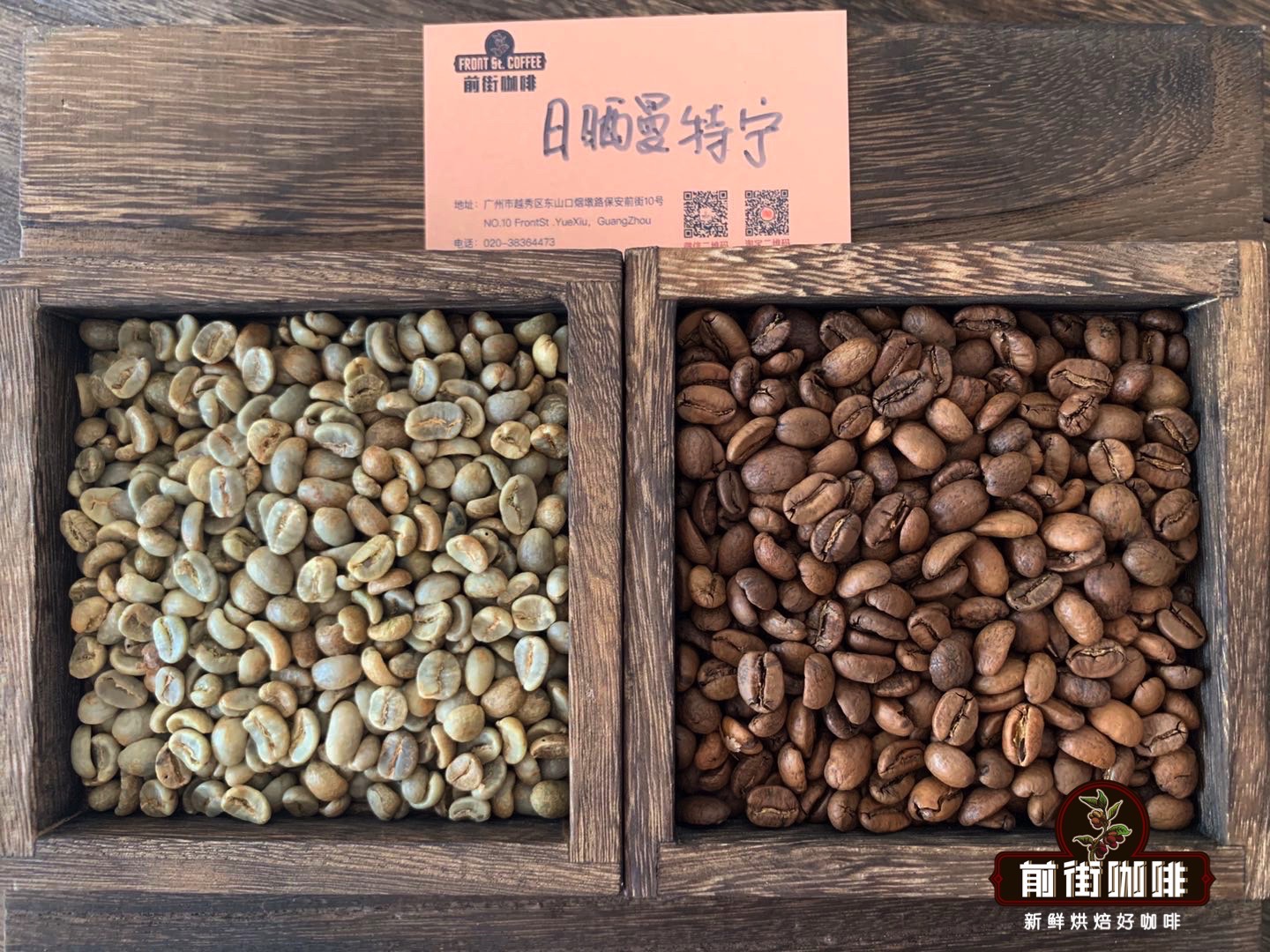
FrontStreet Coffee: Sumatra Wahana Estate Natural Mandheling
Coffee Region: Lake Toba
Altitude: 1000 to 1700 meters
Soil: Volcanic soil
Coffee Varieties: Bourbon, Typica
Processing Method: Natural
Harvest Year: 2020
Grade: G1
The Region
Wahana Estate was established in 2005 near LeaMungkur village in the Sidikalang region of northern Sumatra — an area that has been one of Indonesia's famous coffee-producing zones for generations. The estate sits at 1200-1500 meters, receives 2000-3000 mm of annual rainfall, and enjoys a relatively cool climate with day-night temperature swings above 10°C. Under these conditions, Wahana's ripe cherries consistently test above 13% sugar content.
Wahana is still a young estate that keeps developing year by year. It covers roughly 500 hectares, and the owner plans to keep expanding the planted area in the coming years. A large portion of the estate is protected forest reserve, home to many native plant and tree species along its valleys and rivers. Coffee seedlings are planted in pre-divided plots and carefully labeled so each variety can be identified later.
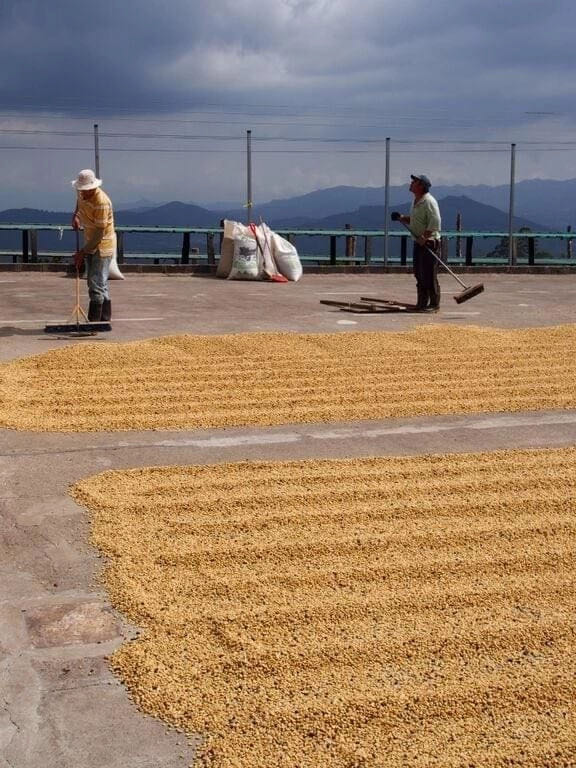
Local seedling varieties currently planted include Long Berry from Aceh, Toraja from Sulawesi, Rasuna from Sumatra, and S795 and Sari from Java. International varieties in the nursery include Villa Sarchi, Caturra, and Catuai from Costa Rica, and Typica from Colombia.
To produce high-quality North Sumatran coffee, Wahana plants shade trees and uses organic compost fertilizer, practicing sustainable agriculture. Different varieties are isolated by plot and harvested separately so each can express its full potential — and only fully red cherries are picked, then processed on their own.
Processing Method
This lot is not wet-hulled but naturally processed — a far trickier method in Indonesia's climate. Natural processing starts with hand-sorting to remove defective beans and any under- or over-ripe cherries. The whole cherries are then spread evenly on drying patios and turned several times a day.
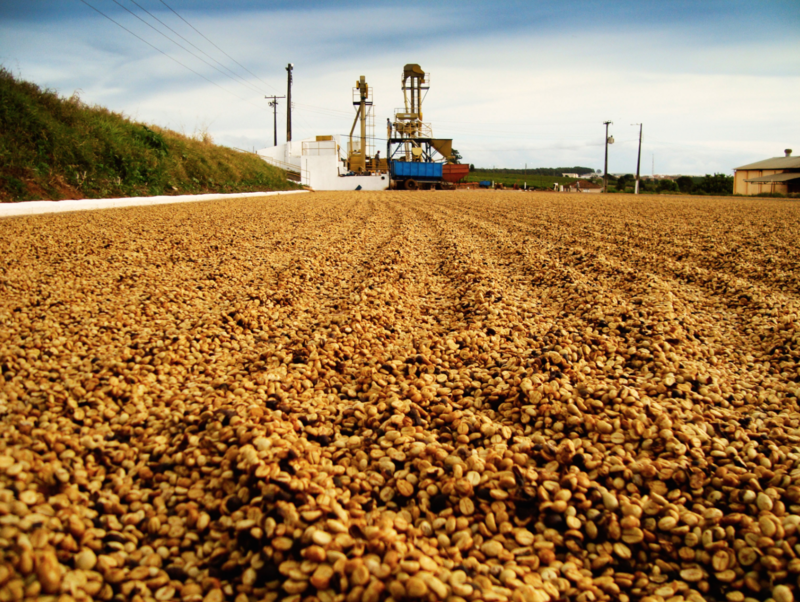
Drying usually takes about 2-3 weeks depending on the climate, and Indonesia's humid, rainy weather stretches it even longer. Once the moisture inside the beans drops to 11-13%, the drying is complete. By then the dried cherry shells have hardened and can simply be stripped off by a hulling machine.
Brewing Suggestions
Wahana Estate Natural Mandheling is roasted light. We recommend a V60 dripper, water at around 90°C, a 1:15 water-to-coffee ratio, a 15g dose, and a grind slightly finer than for Lintong Mandheling — roughly the texture of granulated sugar (20 mesh sieve, 80% pass rate) — to pull out more of the bean's character.

FrontStreet Coffee brews in stages: the bloom uses water equal to twice the coffee dose — 30g of water for a 30-second bloom. Then pour in small circles up to 125g and pause; once the water level drops far enough to expose the coffee bed, pour again up to 225g and stop. Total extraction time is 2 minutes.
Flavor description: a sweet-tart tropical-fruit entry with a clear fermented aroma, smooth mouthfeel, tropical fruit notes, moderate acidity, and pronounced sweetness.
Green Bean Comparison
Look closely at the green beans and you will notice quite a few "sheep's hoof" beans (split beans) among Mandheling — the result of hulling while the beans are still high in moisture and soft in structure.
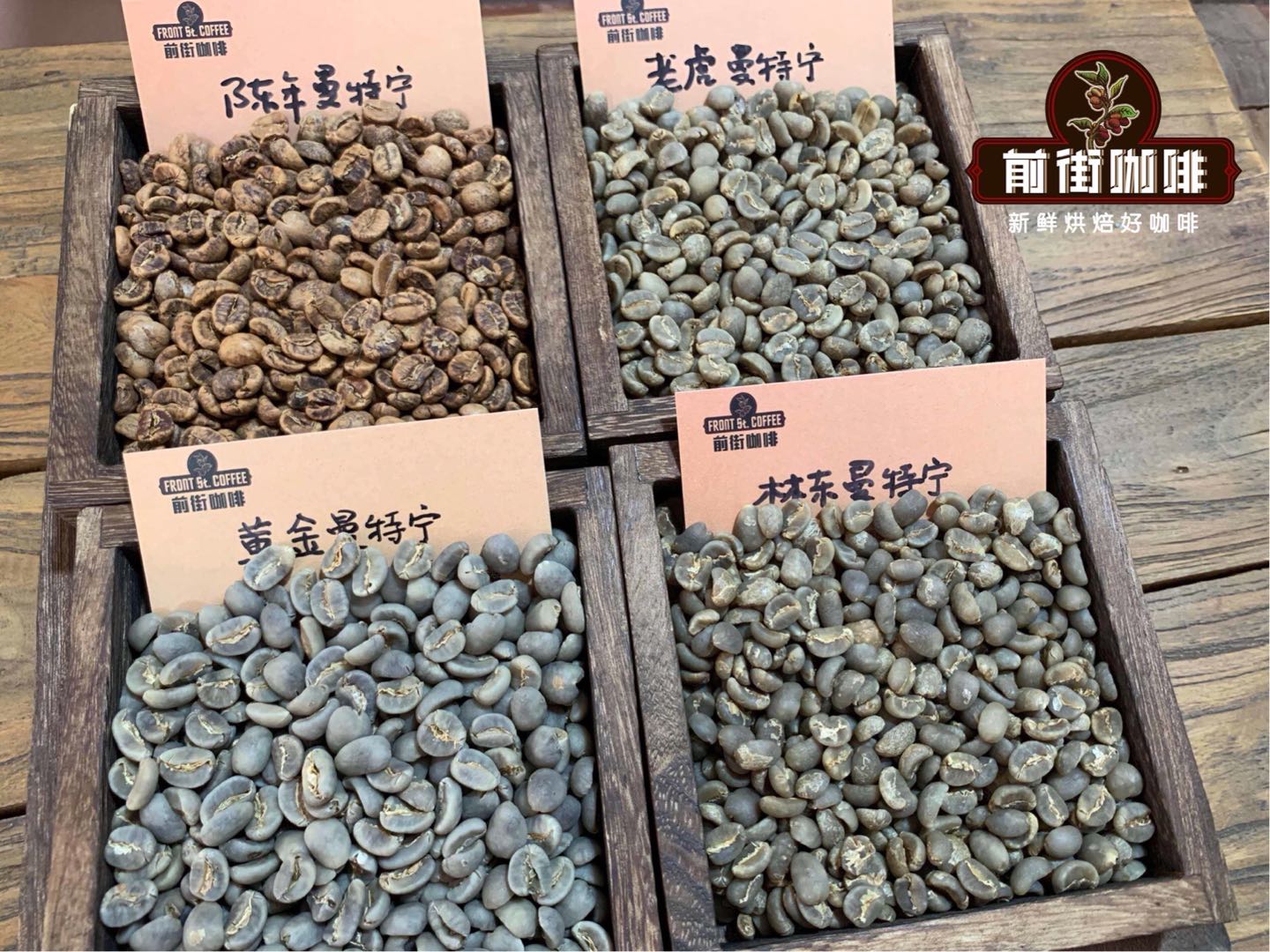
Golden Mandheling: Screened at 19+, the beans are noticeably larger than other Mandhelings, and their higher moisture gives the green beans a deeper green color.
Tiger Mandheling: Round beans, slightly yellow tinged with green, with good uniformity.
Lintong Mandheling: Gray-green beans of varying sizes — relatively uneven.
Aged Mandheling: The aging process gives the beans a distinctive color, orange shading into black, with a wrinkled surface and fairly uniform sizing.
Roasting Comparison
FrontStreet Coffee's roasting goal is always to express the flavor character of the coffee's origin. Any bean can technically be roasted many ways, but we believe the roast should first reveal what that origin is about — Yirgacheffe should taste like Yirgacheffe, with other possibilities built on top of that foundation. That is our single standard for every roast.
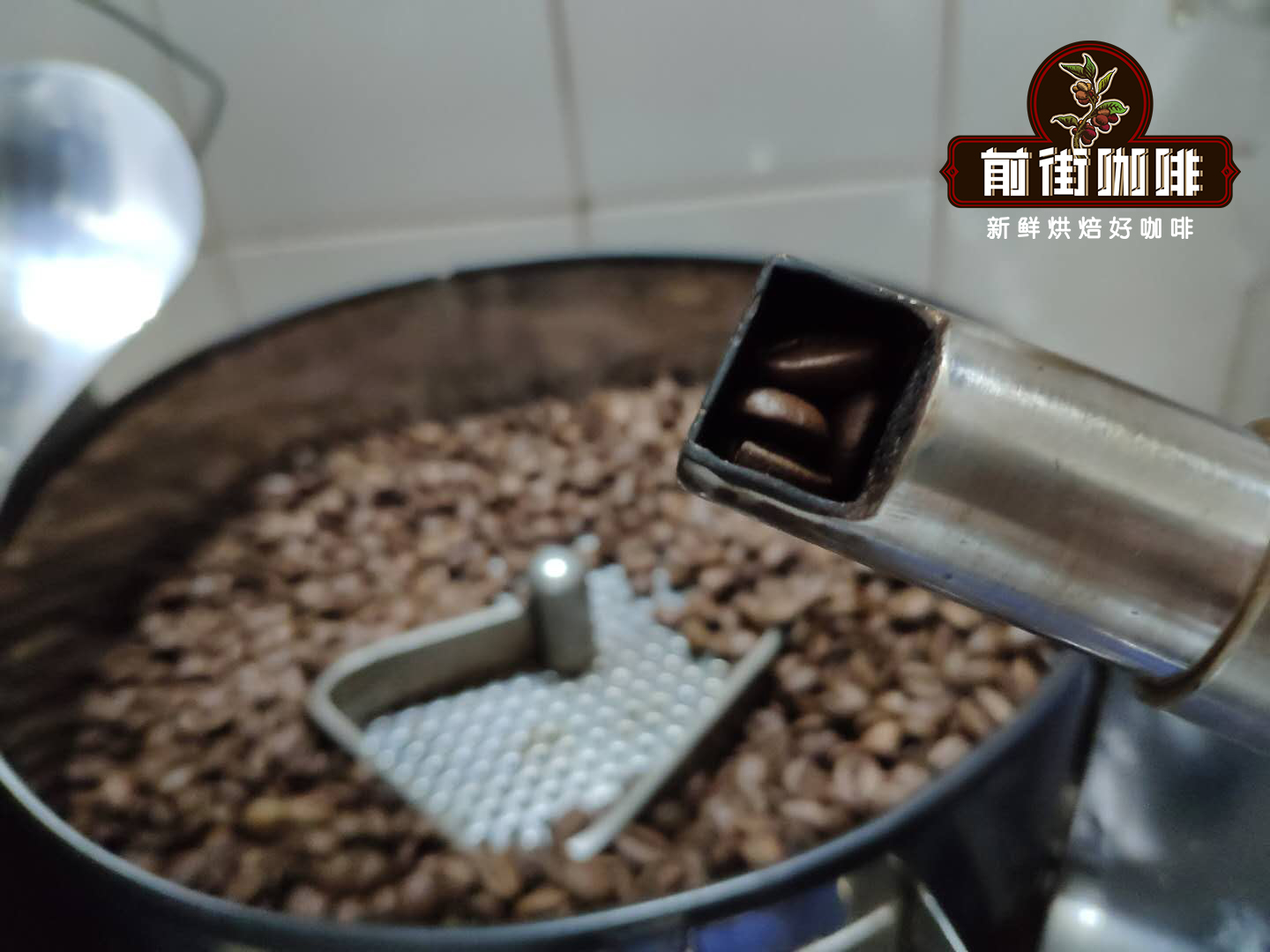
1. Lintong Mandheling
This bean is roasted to a medium-dark profile to strip away excess acidity and build body and balance. Lintong Mandheling grows at only medium altitude and has a very soft structure, so to drive off excess moisture and avoid the astringency of incomplete drying, we use an extended drying phase with a gradually declining heat curve.
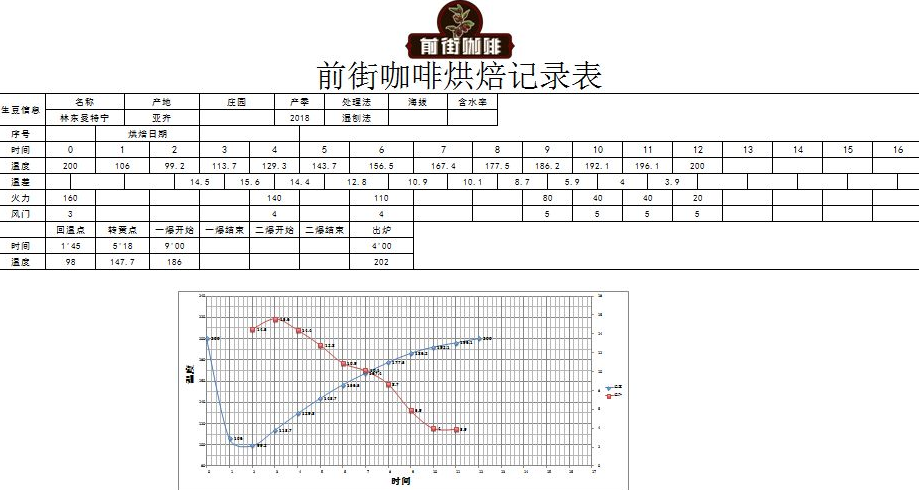
Charge at 200℃, yellowing at 5'18", first crack begins at 9 minutes at 186℃, 4 minutes of development after first crack, dropped at 202℃.
2. Golden Mandheling
FrontStreet Coffee considers Golden Mandheling a high-moisture green bean, with moisture well above that of naturally dried lots, so the drying phase needs special attention. With high-moisture beans, close the damper right after charging and let the beans steam for 30 seconds, then open the damper to 3 until the beans turn pale green or whitish; open to 4, then to 5 (fully open) after first crack.
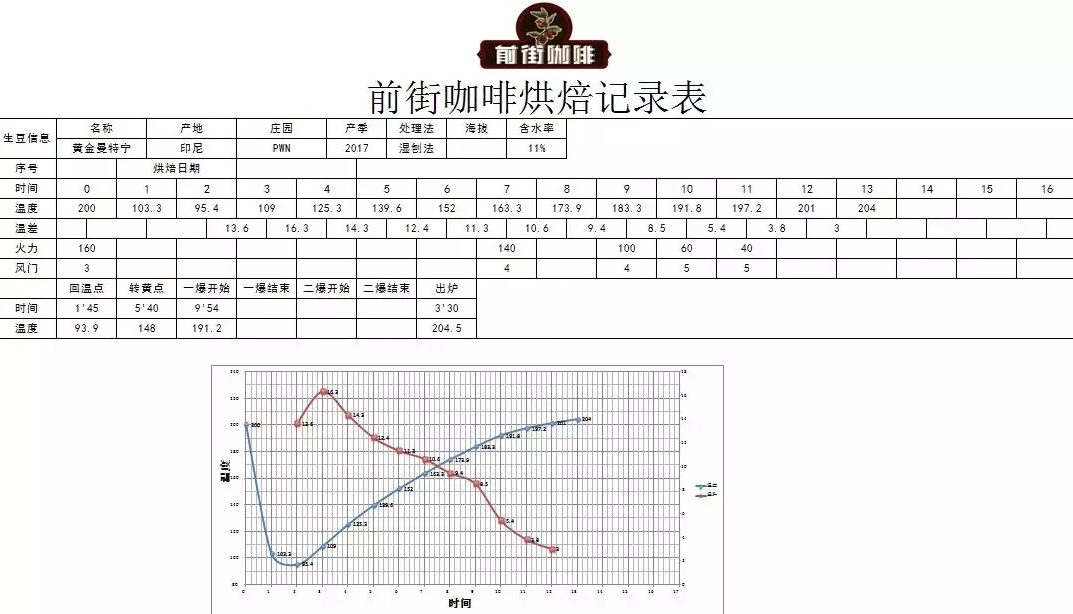
Charge at 200℃, yellowing at 5'40", first crack begins at 9'54" at 191.2℃, 3'30" of development after first crack, dropped at 204.5℃.
3. Tiger Mandheling
Tiger Mandheling beans are round, green tinged with yellow, well uniformed, and high in moisture. Our roast target here is also medium-dark, to tame excess acidity and build body and balance.
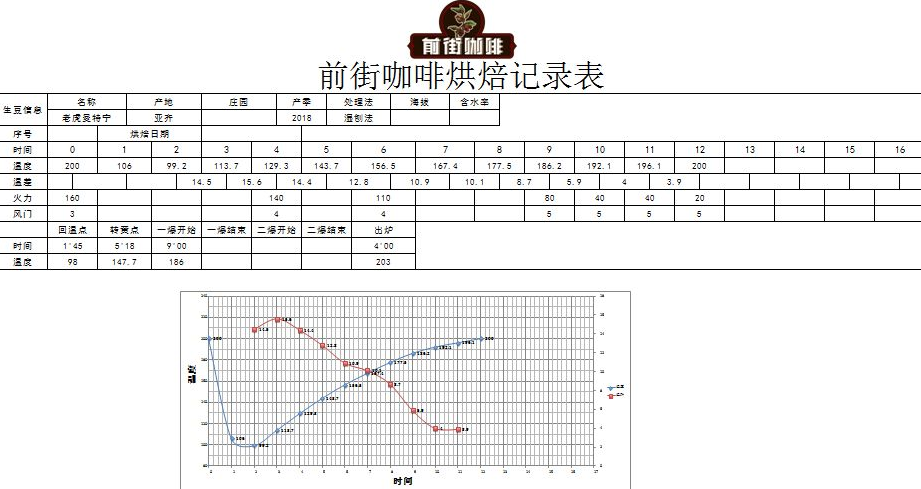
Since this bean grows at only medium altitude with a very soft structure, we again use an extended drying phase with a declining heat curve to avoid astringency. Heat is stepped down three times — at yellowing, after drying completes, and just before first crack — to prevent scorching the surface. We drop the batch 4 minutes after first crack ends, about 20 seconds before second crack would begin, extending the caramelization window to showcase the bean's cleanliness and sweetness.
Charge at 200℃, yellowing at 5'18", first crack begins at 9 minutes at 186.2℃, 4 minutes of development after first crack, dropped at 203℃.
4. Aged Mandheling
Mandheling green beans are dense, and aged beans carry less moisture, so heat adjustments at every stage demand extra care. With aged Mandheling, the danger is scorching the oils already present on the bean surface.
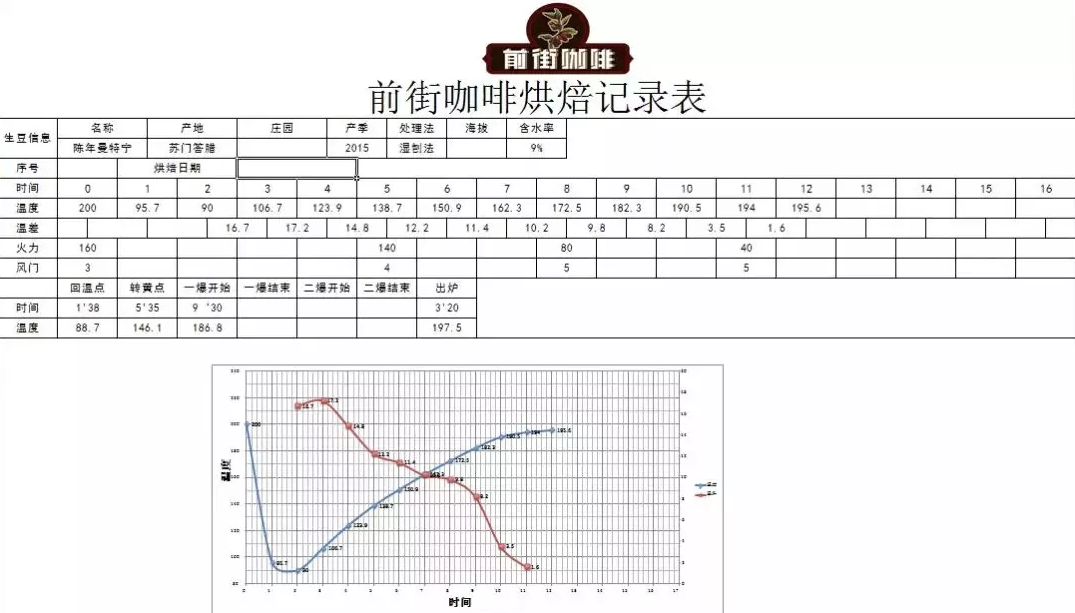
Charge at 200℃, yellowing at 5'35", first crack begins at 9'30" at 186.8℃, 3'20" of development after first crack, dropped at 197.5℃.
Cupping Comparison
Lintong Mandheling: herbal, chocolate, caramel; well balanced overall.
Golden Mandheling: nuts, spice, herbs, licorice, chocolate, caramel; clean, gentle flavor.
Tiger Mandheling: nuts, cream, dark chocolate, caramel, herbal-medicine notes; obvious sweetness, clean and clear.
Aged Mandheling: ripe pu-erh tea, caramel, herbs, chocolate; low acidity.
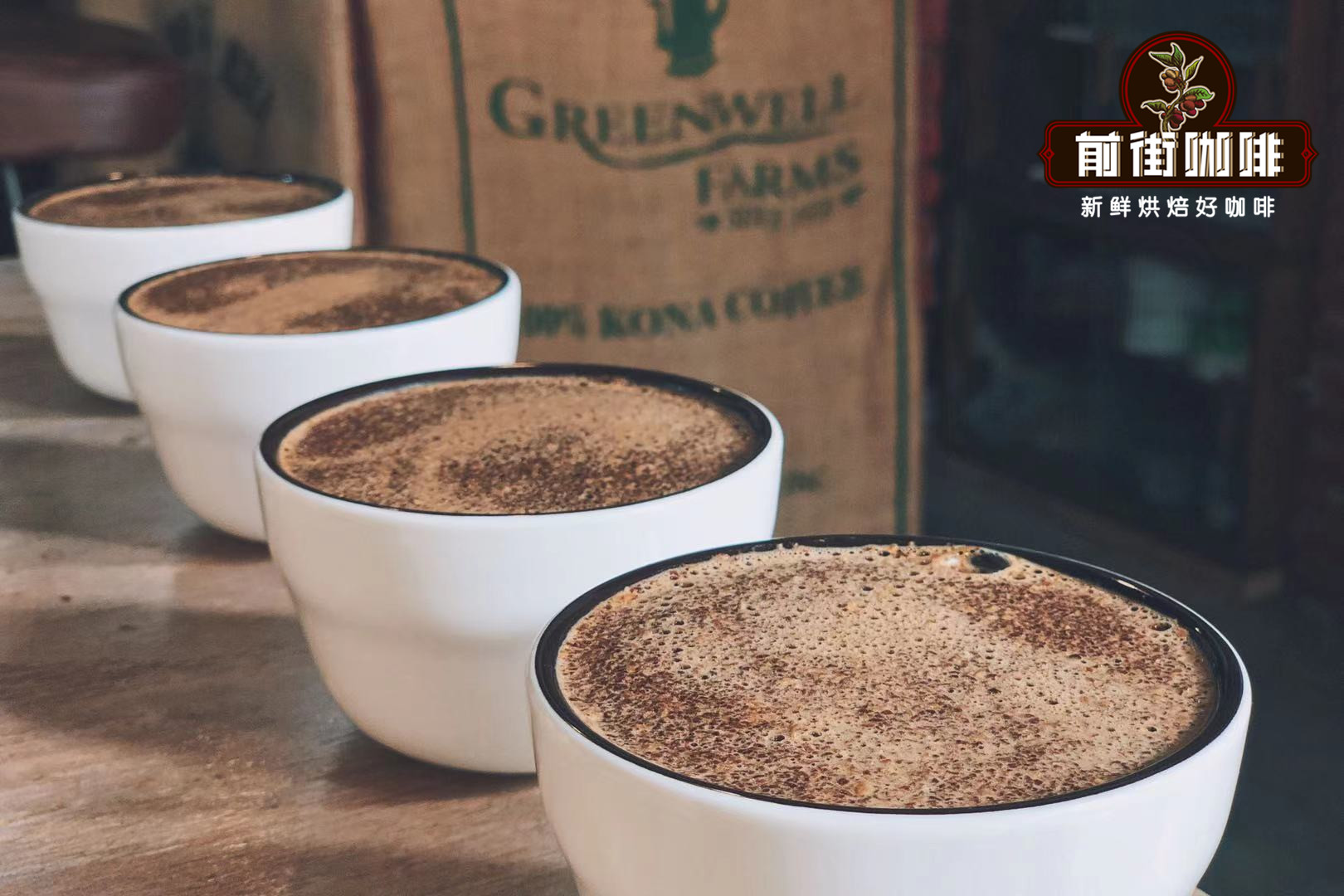
Brewing All Four Mandhelings on a KONO Dripper
FrontStreet Coffee brewed all four with the same pour-over parameters so their flavors could be compared directly.
For everyday Mandheling brewing, we recommend a KONO dripper: it produces a rounder, fuller mouthfeel and more direct flavor. The KONO's only exhaust area is the bottom quarter of its ribs. Once the water level rises past that rib section, the water column builds pressure under its own weight; the relatively small outlet then prolongs contact time between the grounds and the water, extracting soluble compounds more effectively. FrontStreet Coffee's brewing method reliably delivers the heavy body customers expect from Mandheling.
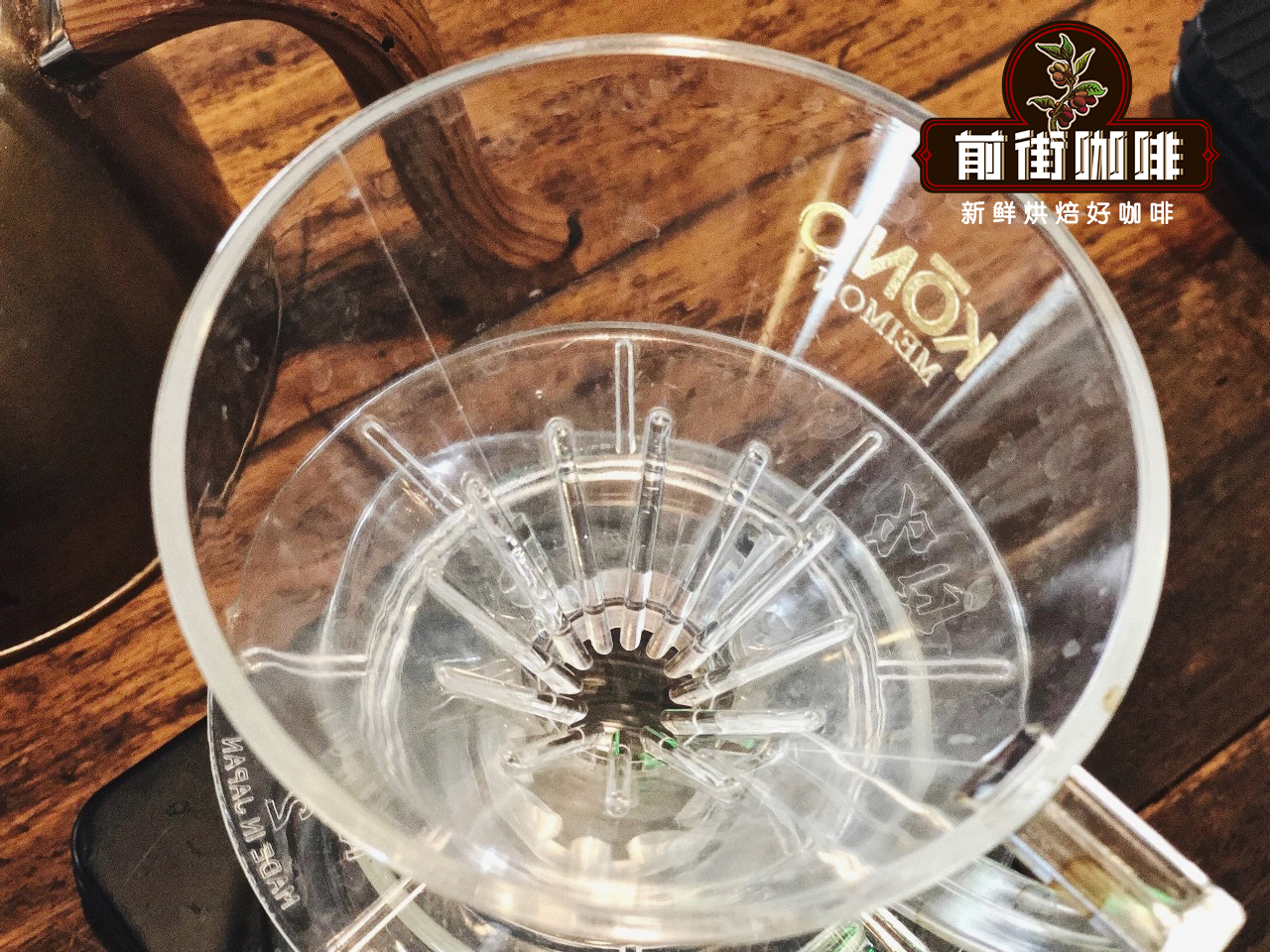
FrontStreet Coffee brews in stages: 30g of water for a 30-second bloom, then small-circle pours up to 125g and pause; once the bed is exposed, pour up to 225g and stop. When the bed is again nearly exposed, remove the dripper (timing starts from the bloom). Total extraction time: 2'00".
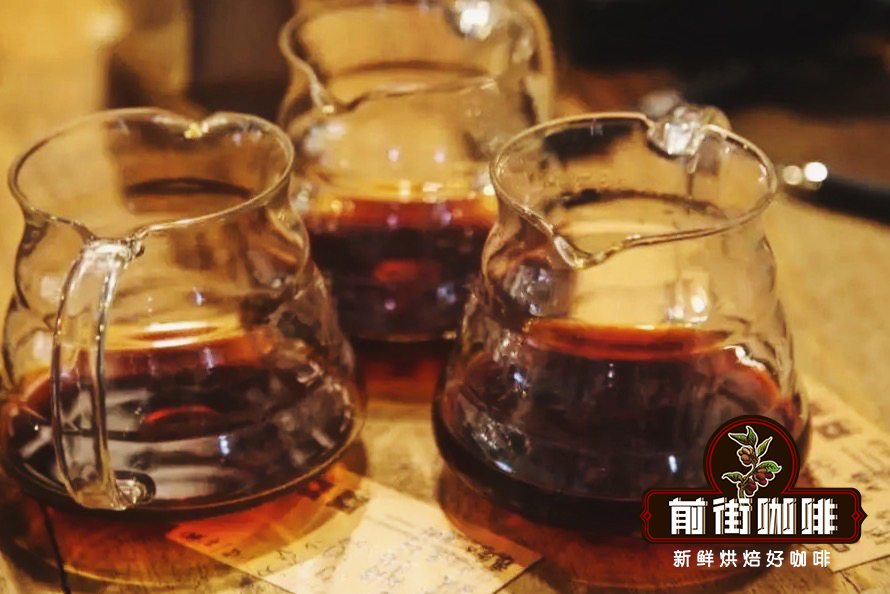
The Four Mandhelings, Brewed
Lintong Mandheling: herbal, chocolate, nuts, toasted bread
Golden Mandheling: spice, nuts, pine, chocolate, caramel
Aged Mandheling: ripe pu-erh tea, chocolate, caramel, herbs
Tiger Mandheling: nuts, cream, dark chocolate, brown sugar, caramel
For more specialty coffee beans, add FrontStreet Coffee on WeChat: kaixinguoguo0925
FrontStreet Coffee Recommendation
If you want to taste the classic Mandheling character, start with FrontStreet Coffee's PWN Golden Mandheling, sourced from Indonesia's PWN company. PWN buys premium Mandheling green beans and applies exceptionally strict standards — machine sorting followed by multiple rounds of hand-sorting to remove every flawed bean — so the output is genuinely specialty grade with a low defect rate. It was, after all, PWN's owner who gave Mandheling its name.
Golden Mandheling is famous largely in Japan and the United States, and only a limited amount of authentic PWN Golden Mandheling reaches the market each year — which is exactly why it is worth seeking out. FrontStreet Coffee's product page shows the PWN certificates and the stamped PWN bags, the clearest way to tell authentic PWN Golden Mandheling apart from lookalikes. After a medium-dark roast it carries a rich roasty aroma, and the brewed cup is clean, full-bodied, and sweet — an excellent choice for anyone who dislikes acidic coffee.
For pouring over, we suggest water at 87-88°C, 15g of coffee at a 1:15 ratio, a grind like coarse sand, and a three-stage pour: a 30ml bloom to wet the grounds and let them degas, then 100ml to lift the bed and bring out the golden crema, then a final gentle center pour of 95ml to boost sweetness. The result is a thick, velvety body with caramel sweetness and chocolate and nut flavors.
If you would rather push Mandheling through an espresso machine, go for FrontStreet Coffee's best-selling Classic Blend, which layers medium-dark Mandheling over a Brazilian base of cream and nuts. You get standout butter, roasted chestnut, and caramel notes, plus sandalwood, herbal, and spice undertones — with a touch of Robusta added for richer crema. It pulls beautiful lattes and handles a Dirty with ease. Prefer single origin? FrontStreet's Lintong Mandheling offers that wild, intense profile: clove and woody aromatics, low acidity, and a strong, lingering sweetness.
Important Notice :
FrontStreet Coffee is a long-established specialty coffee roaster in Guangzhou China, selling freshly roasted beans from its own farm in Yunnan as well as dozens of carefully selected single-origin beans from around the world for both pour-over and espresso. The products deliver consistently excellent quality and great value, with shipping within 24 hours. Guangzhou's FrontStreet Coffee shop is recommended by many coffee lovers, and the beans are now available online at the Tmall 。
FrontStreet Coffee has moved to a new address:
FrontStreet Coffee Address: 315,Donghua East Road,GuangZhou
Tel:020 38364473
 Scan and follow the En Gafei WeChat official account. Please indicate that the reprint comes from "En Gafei".