Starbucks Nicaragua Coffee Bean Story Nicaragua Maracaturra Coffee Bean Characteristics
Latest News from Nicaragua's Coffee Growing Regions!
According to reports from Nicaraguan government-authorized agencies, two hurricanes struck the Americas region starting in late November 2020. Nicaragua's total economic losses amount to roughly $742.7 million—about 6.2% of national GDP. Within those losses, approximately 3,407 hectares of coffee-growing land were destroyed, mainly in the major producing regions of Jinotega, Matagalpa, Boaco, Estelí, Madriz, and Nueva Segovia. Heavy rain, landslides, and flooding severely damaged coffee estates and infrastructure. Country-specific production-loss figures are still being compiled. Nicaragua's 2021 harvest season began in January, but since coffee picking has not been profitable in recent years, few workers are now willing to harvest coffee there. According to foreign media reports, Nicaragua's coffee production in recent years could fall by more than 70%.
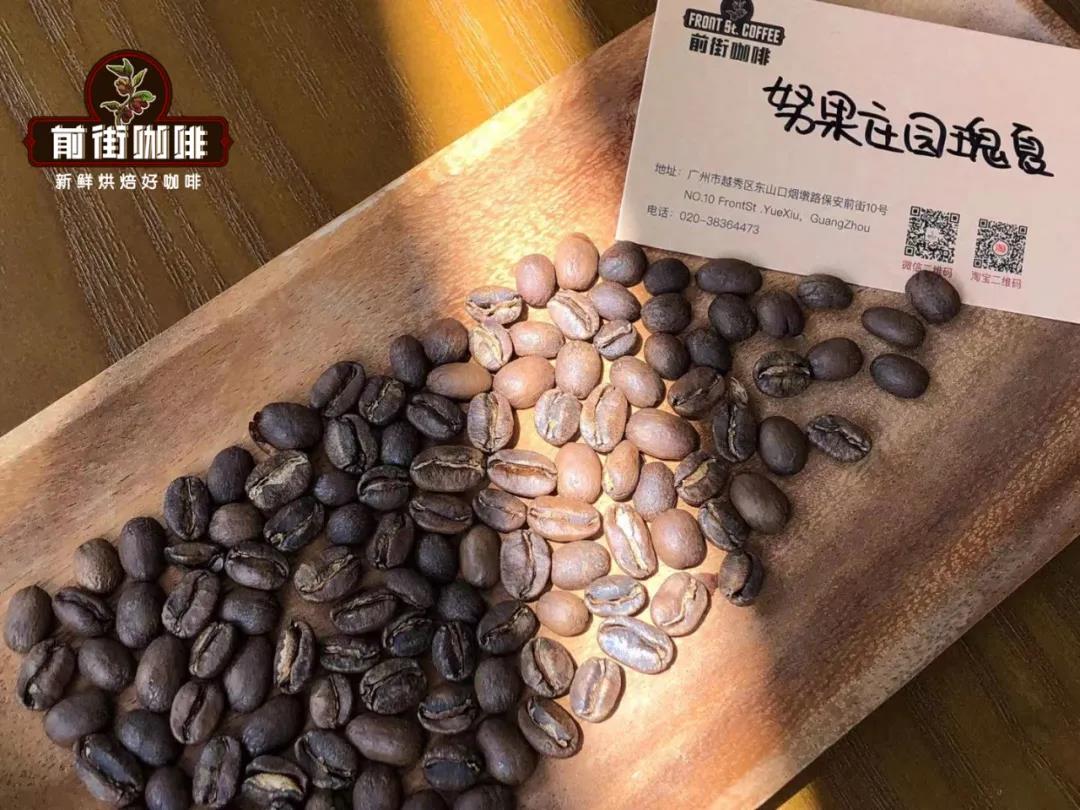
In earlier decades, civil war kept Nicaragua's coffee industry from ever developing properly, so Nicaraguan coffee has remained relatively obscure. In recent years, as conflict subsided and the economy began to recover, the industry instead fell victim to natural disasters. Nobody knows what the future holds for Nicaraguan coffee, but we hope conditions improve soon. FrontStreet Coffee recently acquired beans from Finca Un Regalo de Dios in Nicaragua—true to its name, "A Gift from God," the coffee seems divinely blessed, giving off a charming almond aroma that lingers in memory.
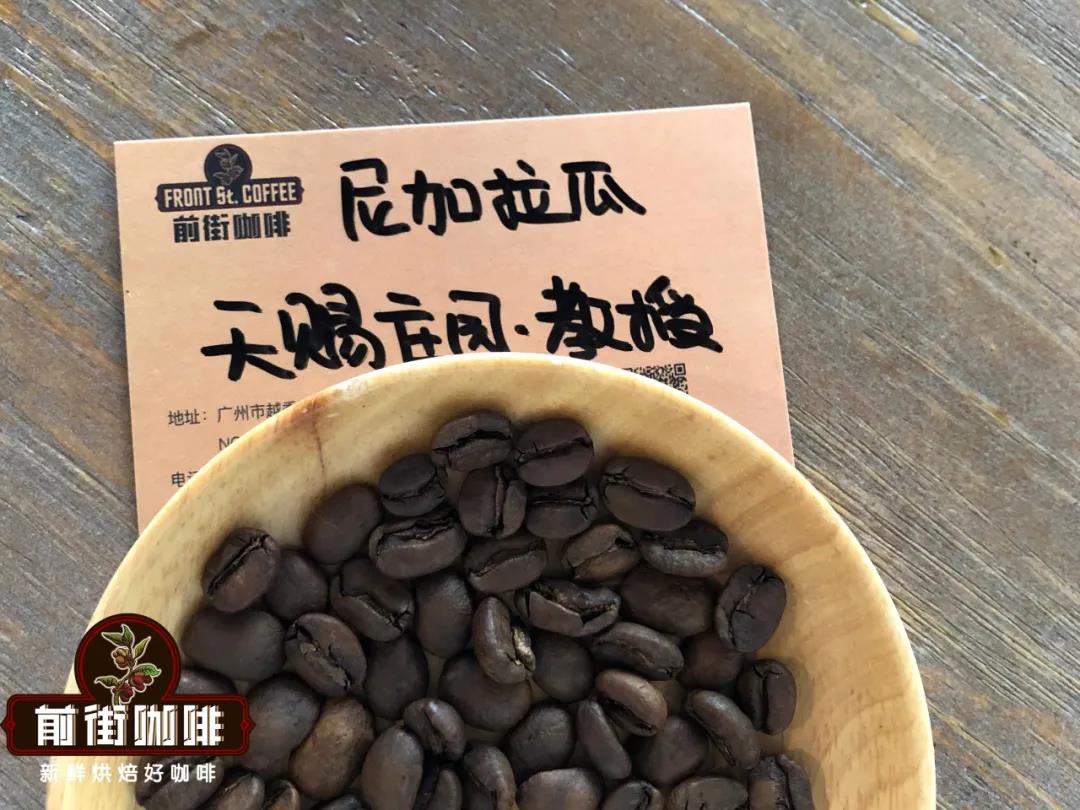
FrontStreet Coffee — Finca Un Regalo de Dios "Professor" Coffee Beans
Region: Nueva Segovia, Nicaragua
Estate: Finca Un Regalo de Dios
Altitude: 1,450-1,700 meters
Variety: Red Bourbon
Processing Method: Natural
Nicaragua's Coffee Growing Regions
Nicaragua enjoys uniquely favorable conditions: it sits in Central America with the Pacific Ocean to the west and the Caribbean Sea to the east. The north-central part of the country is highland terrain, while the east is coastal plain, all of it part of the Central American volcanic belt. The eastern plains are hot and rainy, with a tropical maritime climate. Fertile volcanic soil is widespread, and combined with shade-growing practices, it provides excellent conditions for coffee. There are three main producing regions—Nueva Segovia, Jinotega, and Matagalpa—with altitudes from 700 to 1,700 m. Nueva Segovia is a collective term for the coffee areas of the three northern provinces of Madriz, Estelí, and Nueva Segovia.
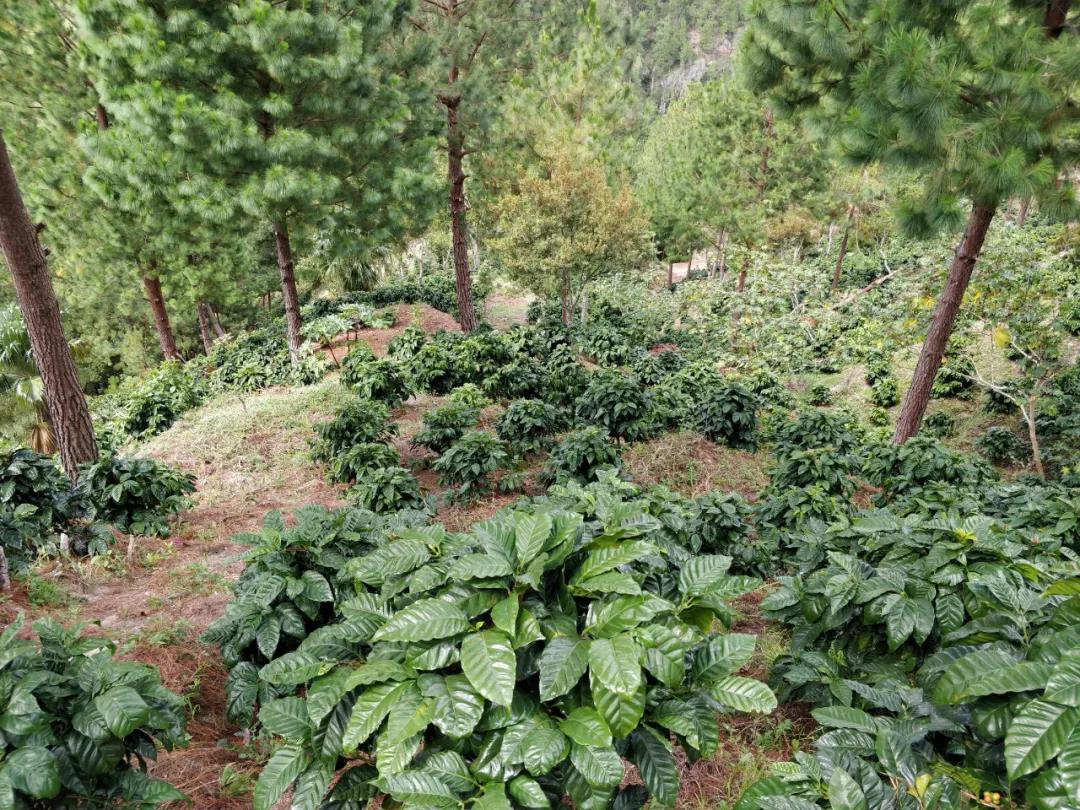
Finca Un Regalo de Dios
Finca Un Regalo de Dios—"A Gift from God"—lies in the municipality of Nueva Segovia in the country's far north, near the Dipilto-Jalapa mountain range on the Honduran border. Surrounded by mountains on three sides at 1,400-1,700 m, the estate spans 179 hectares, with 130 hectares under coffee. Interestingly, the estate categorizes its plants by altitude, though this has almost no direct bearing on quality. As his coffee gained international recognition, estate owner Luis Alberto Balladarez Moncada put ever greater emphasis on selective cherry picking.
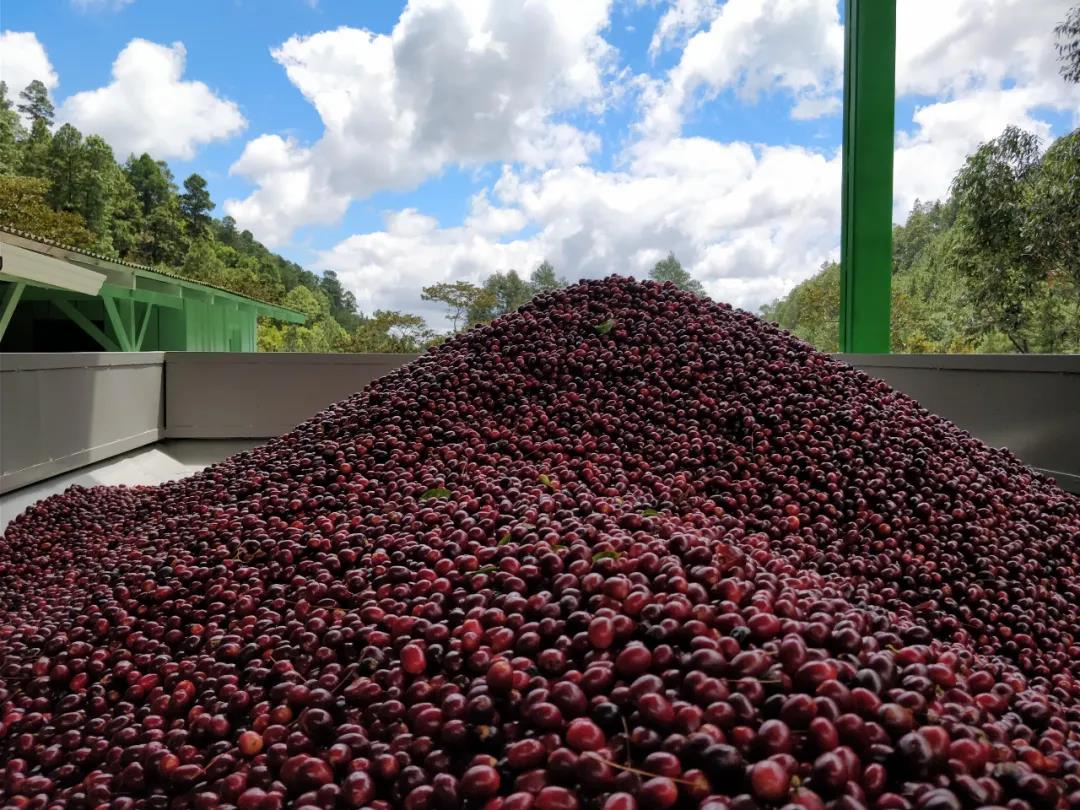
Coffee Varieties at Finca Un Regalo de Dios
The farm grows mostly the most common Central American varieties: Caturra, Catuai, and Bourbon. The beans FrontStreet Coffee acquired are Red Bourbon—what we generally mean by "Bourbon," a natural mutation of Typica. Fully ripe cherries turn wine-red, and the beans are relatively round. Bourbons grown at high altitude typically show excellent aromatics and bright acidity, with flavors reminiscent of red wine.
Natural Processing at Finca Un Regalo de Dios
These beans are naturally processed. Owner Luis has deep experience in specialty coffee cultivation and processing, and his constant experimentation with natural methods has made him a renowned contributor to Nicaraguan specialty coffee. His care and processing of every batch is first-rate, meticulous at each stage: it starts with selecting only the best cherries and culling defective, underripe, and overripe fruit. The cherries are then spread directly on high raised beds to dry. Naturals like these typically dry for 25-30 days, and the process is complete only when moisture reaches around 11%. Coffee handled this way shows higher sweetness and rich layers of complexity.
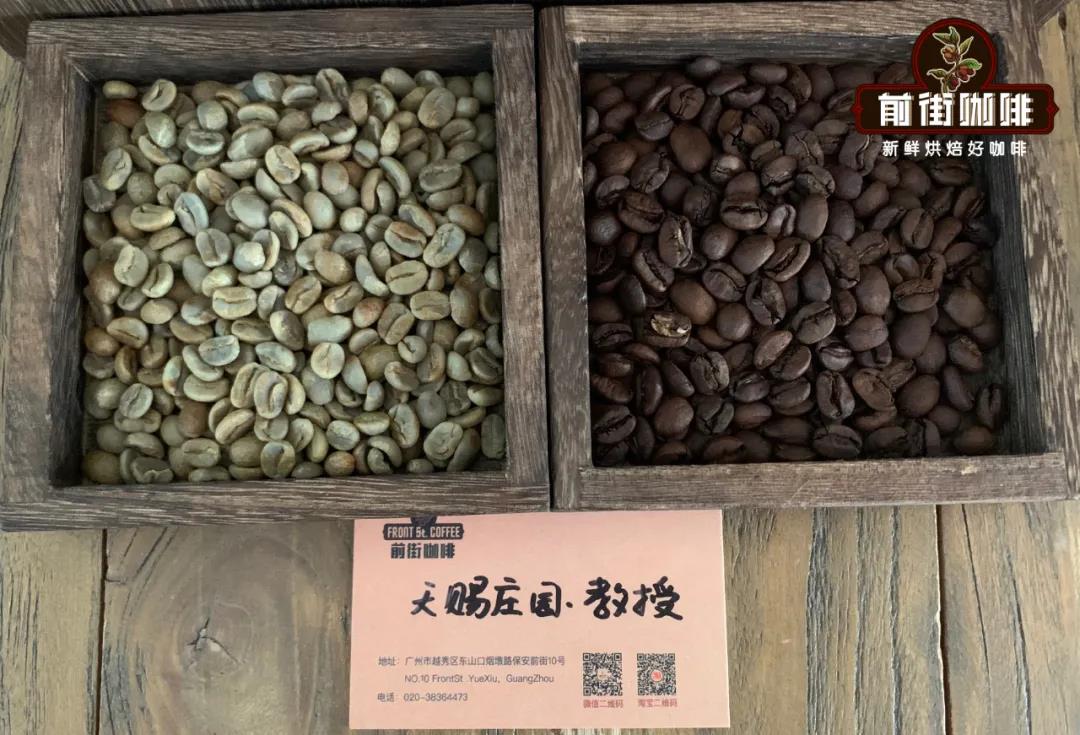
FrontStreet Coffee Roasting Insights
Beans from Finca Un Regalo de Dios's 2020 harvest carried relatively high moisture, so FrontStreet Coffee's roasters stretched the drying phase to ensure even heating between the bean surface and core. Nicaraguan beans are plump, but their aromatic potential tends to be muted. Our roaster recommends a medium-light roast, cutting the heat thirty seconds before the drop and coasting with reduced airflow to develop the almond aroma typical of this origin.
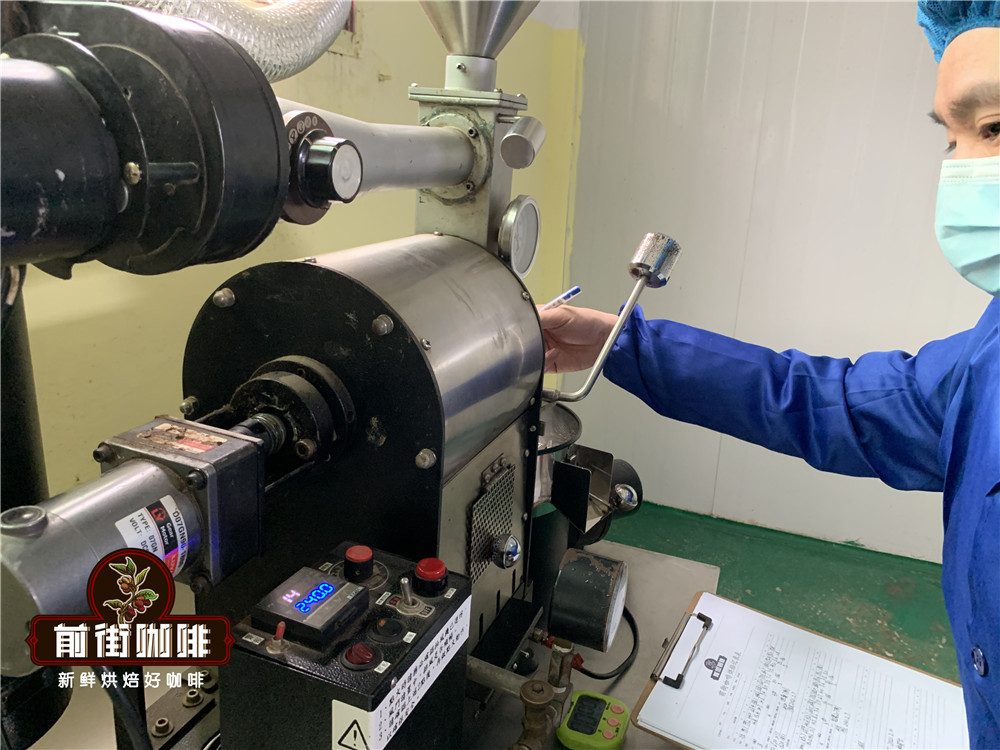
Roast profile: charge at 175°C, heat at 140, air damper at 3; turning point at 1'36", when drum temperature reads 130°C—open the damper to 4, heat unchanged. At 150°C the bean surface yellows, the grassy aroma vanishes completely, and the beans enter the drying stage. At 8'30", ugly wrinkles and black spots appear on the bean surface and the toast aroma clearly shifts toward coffee aroma—the prelude to first crack. Listen carefully from here. At 9'25" first crack begins; open the damper to 5. Develop for 2'00" after first crack and drop at 196°C.
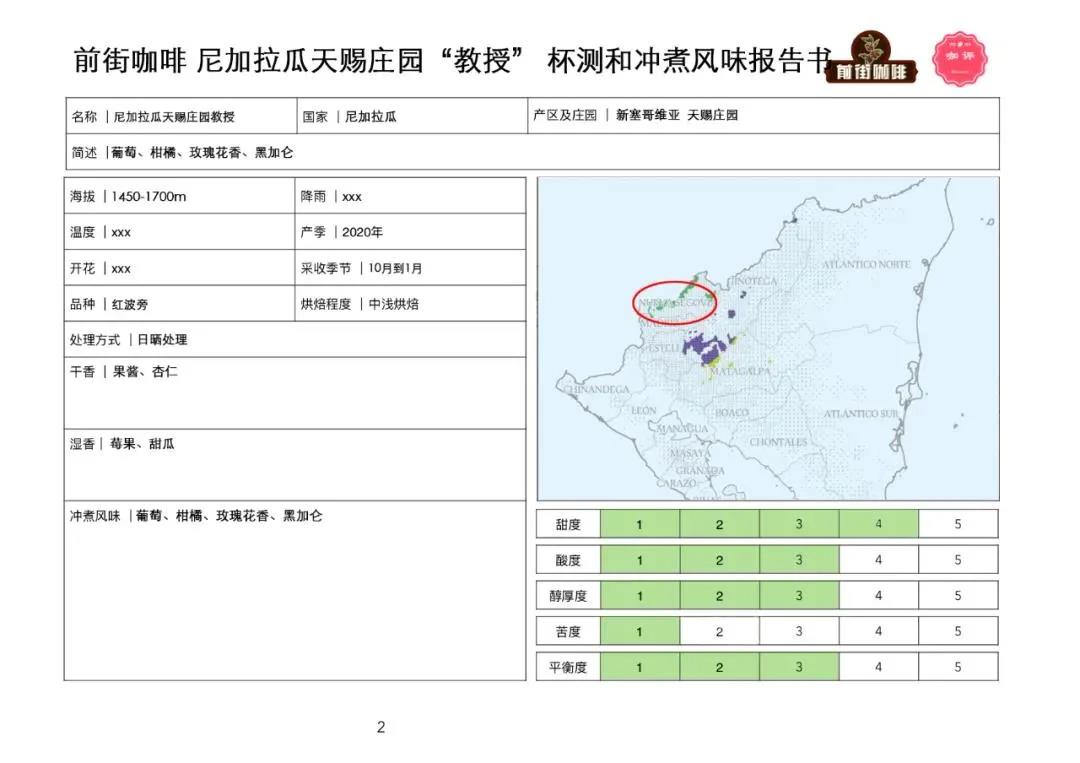
FrontStreet Coffee Cupping Report
FrontStreet Coffee Brewing Recommendations
Dripper: V60 #01
Water Temperature: 90-91°C
Coffee Dose: 15 g
Coffee-to-Water Ratio: 1:15
Grind Size: Medium-fine (80% pass-through on the Chinese standard #20 sieve)
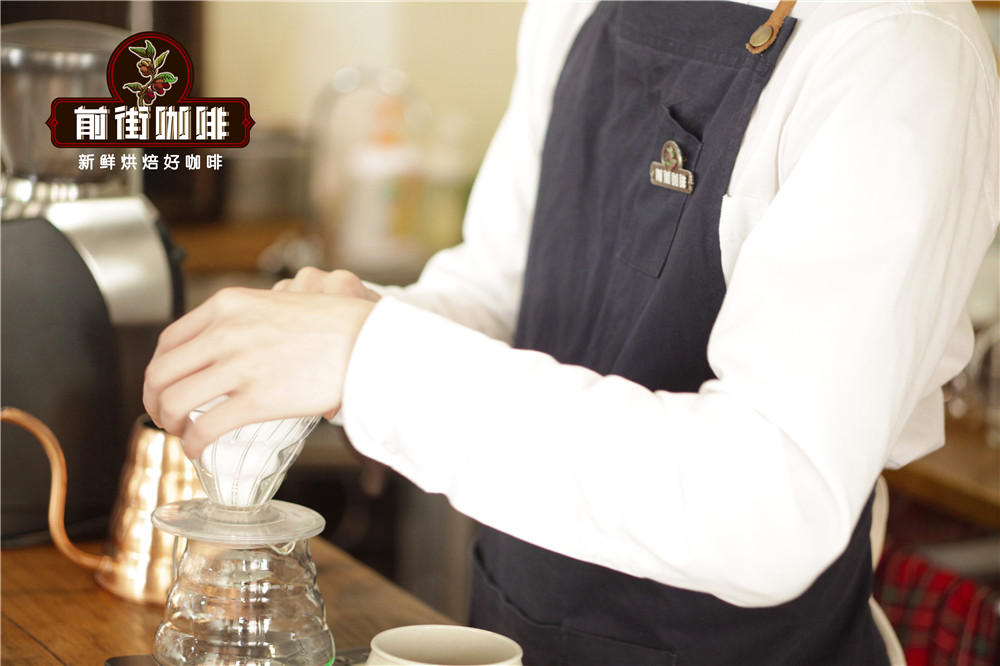
Brewing Method: Three-stage extraction. Start with 30 g of water for a 30-second bloom. When the water level drops to just expose the coffee bed, continue pouring in circles with a small flow until you reach 125 g, then pause. When the level again drops to just expose the bed, pour on until you reach 225 g and stop. Remove the dripper when the level drops to just expose the bed (timing starts from the beginning of the bloom). Total extraction time is 1'50".
Coffee Flavor Profile: Freshly ground, it shows aromas of jam and almonds. The wet aroma brings sweet-tart berries and fresh melon. On the palate, rose florals emerge with citrus-like acidity and a grape-juice sensation. The aftertaste carries blackcurrant, with rich layering and noticeable sweetness.
FrontStreet Coffee Recommendation
A coffee with a story this moving makes a wonderful gift—and if you're shopping for a serious coffee lover, few presents land better than FrontStreet Coffee's Jamaica Blue Mountain No.1. It is the industry's benchmark for fame, cup quality, and grade: genuine Blue Mountain with certificates, wooden-barrel green bean packaging, and quality certification issued by the Jamaica Coffee Board, so there's no risk of fakes. The cup is perfectly balanced across sour, sweet, bitter, and fragrant notes—nothing dominates—with rich nutty aromas throughout.
Brew it in a French press and it unfolds into roasted hazelnut, chocolate, cream, caramel, and cookie flavors, with a lasting, harmonious finish—an effortless crowd-pleaser for family and important friends alike.
Important Notice :
FrontStreet Coffee is a long-established specialty coffee roaster in Guangzhou China, selling freshly roasted beans from its own farm in Yunnan as well as dozens of carefully selected single-origin beans from around the world for both pour-over and espresso. The products deliver consistently excellent quality and great value, with shipping within 24 hours. Guangzhou's FrontStreet Coffee shop is recommended by many coffee lovers, and the beans are now available online at the Tmall 。
FrontStreet Coffee has moved to a new address:
FrontStreet Coffee Address: 315,Donghua East Road,GuangZhou
Tel:020 38364473
 Scan and follow the En Gafei WeChat official account. Please indicate that the reprint comes from "En Gafei".