Introduction to Panama Geisha Coffee from Finca Nuguo Estate - Brewing Suggestions for Pressure Anaerobic Process Coffee Beans
Panama Nuguo Estate Pressure Anaerobic Fermentation Process Geisha Coffee Beans
Region: Panama, Volcan
Estate: Finca Nuguo
Altitude: 1700m-1900m
Variety: Geisha
Processing Method: Pressure Anaerobic Fermentation Process
Harvest Season: 2021
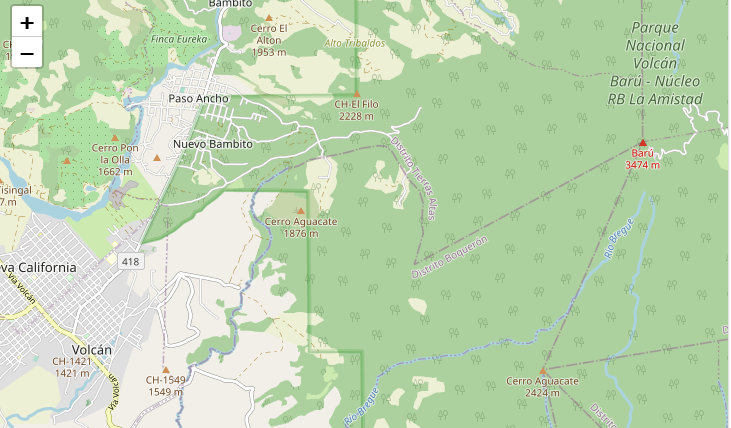
Coffee Growing Region
When people discuss Panama's coffee traditions, most are familiar with the specialty growing regions around Boquete, but in recent years coffee from the Volcan region has gradually emerged on the specialty market, with quite a few estates entering and even winning the Best of Panama competition. The Volcan region receives less average annual rainfall than Boquete and sits on the west side of Baru Volcano. These geographical conditions give Volcan beans more intense dried-fruit flavours, sweetness, and aroma than those from Boquete.
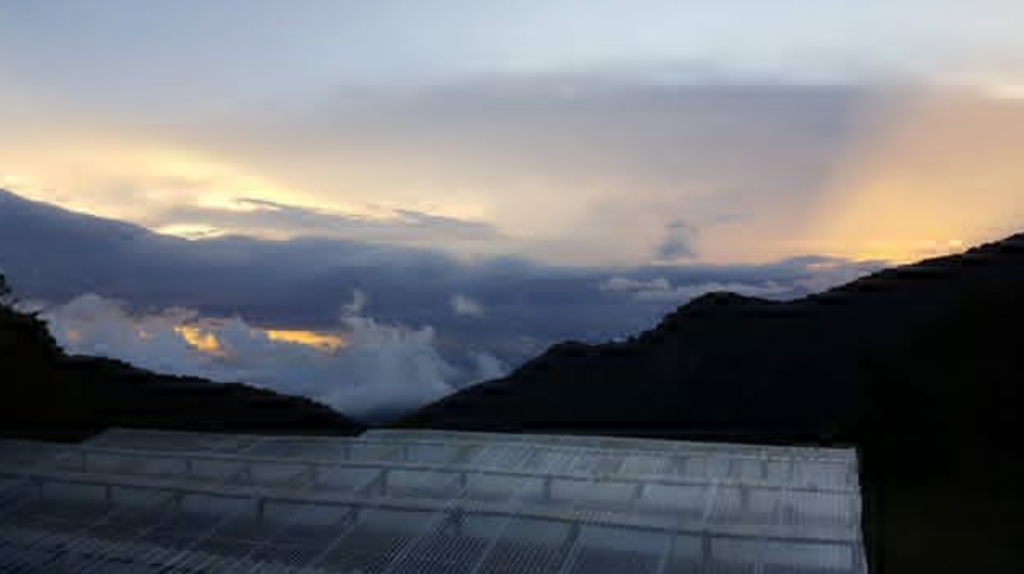
Finca Nuguo
Finca Nuguo is located in Alto Jurutungo (meaning "remote and inaccessible place") in Panama's Volcan region, adjacent to La Amistad National Park. Because of the excellent natural environment, the estate hosts a rich variety of birds, so the Gallardo family named the estate "Nuguo" — Nuguo means "bird" in Spanish.
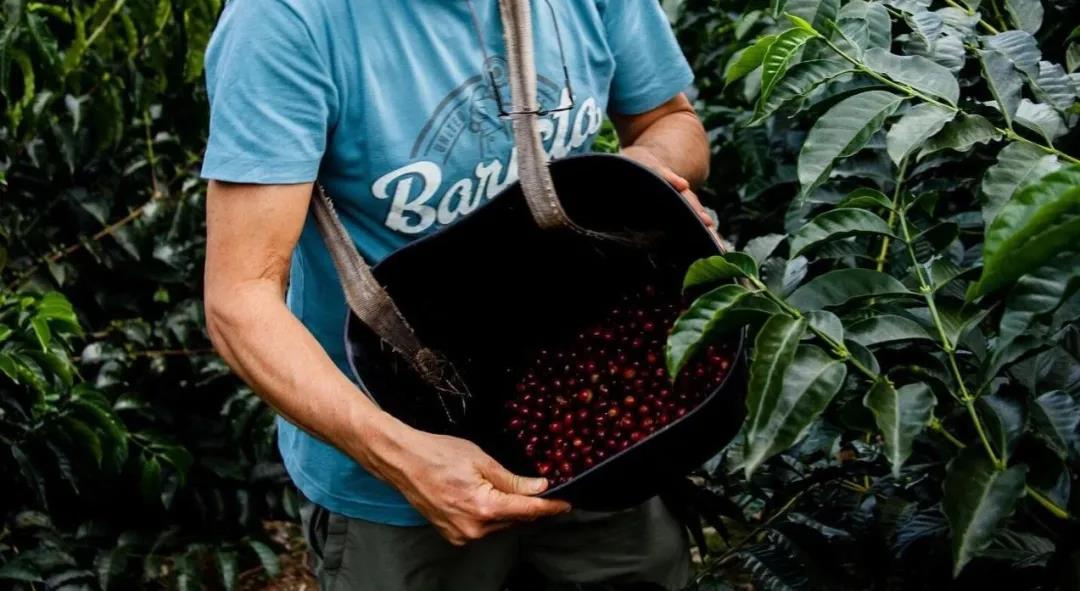
As one of the Gallardo family's most treasured micro-Geisha estates, Finca Nuguo produces limited quantities each year, yet the coffee's flavour is anything but "limited." The estate's average altitude ranges from 1700-1900 meters, bringing diverse microclimates, abundant rainfall, and significant temperature variation. The nutrient-rich volcanic soil and good shade from the original forest let Geisha coffee accumulate essence and rich flavour here.
Geisha Coffee Variety
Geisha coffee first rose to prominence at the 2004 Best of Panama (BOP) green bean competition, when Hacienda La Esmeralda won first place with an "unfamiliar coffee bean" — that bean was Geisha coffee. With its fragrant white floral aroma, delicate, elegant citrus acidity, and sweet honey notes, Geisha made every specialty coffee-producing country want to cultivate the variety.
According to years of research by coffee botanists, Panama's Geisha was discovered in the Geisha forest of Ethiopia, then sent to the Kenyan Coffee Research Laboratory, and later travelled through Tanzania and Costa Rica before being introduced to Panama in 1970. Hacienda La Esmeralda initially used it as a windbreak along its borders. Later the estate owner discovered that coffee from these border trees achieved excellent cupping scores, so they began separating and breeding the variety. It finally became world-famous in 2004, and to this day Geisha coffee's flavour and price remain exceptionally beautiful.
Pressure Anaerobic Fermentation Process
The pressure anaerobic fermentation process is something Finca Nuguo began experimenting with in 2018. Because the method is so difficult, it took two years of continuous improvement and adjustment before they finally launched pressure anaerobic fermented Geisha beans in 2020.
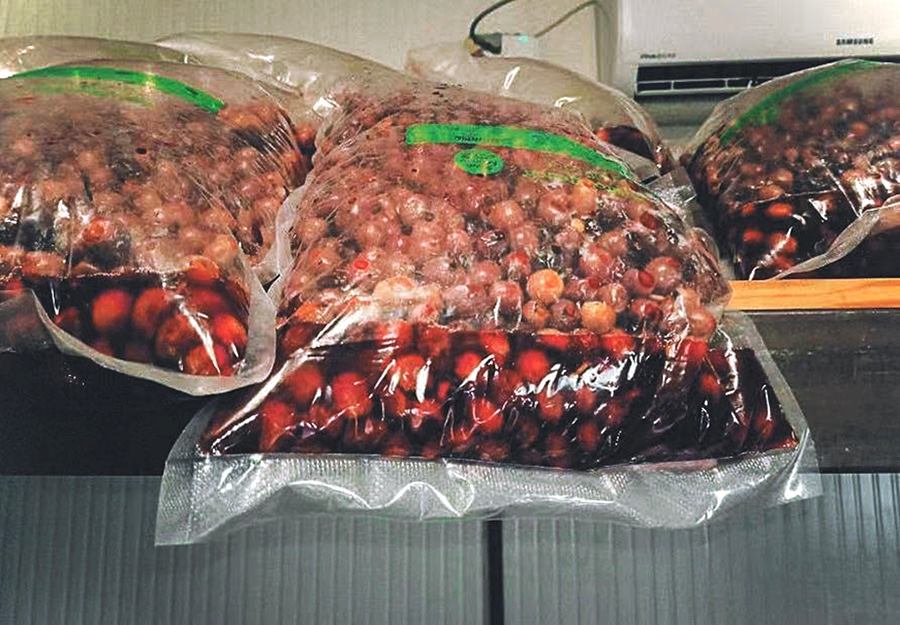
After harvesting, the estate owner carefully selects the fruit and places the mature cherries in vacuum-sealed bags for 4-9 days. During this time the cherries undergo anaerobic fermentation, and the carbon dioxide produced causes the vacuum bags to expand.
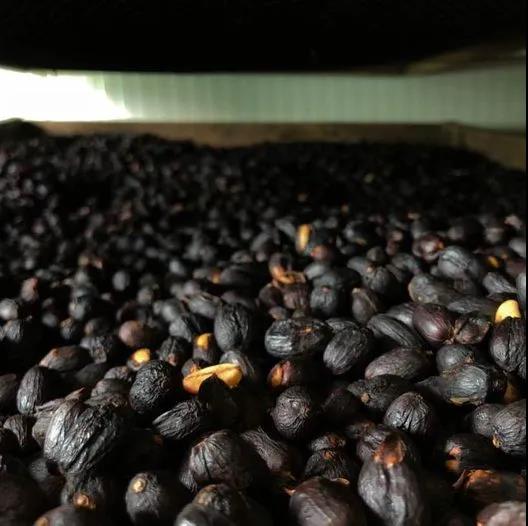
After the fermentation stage, some of the cherries go for constant-temperature drying (45% humidity, 24°C temperature) over 4-8 weeks. Another portion remains on the estate for natural drying (estate average temperature 16°C), with drying times of up to 21 days. Finally the dried beans undergo a resting treatment, with hulling taking place only 1-2 weeks before export.
FrontStreet Coffee's Roasting Recommendations
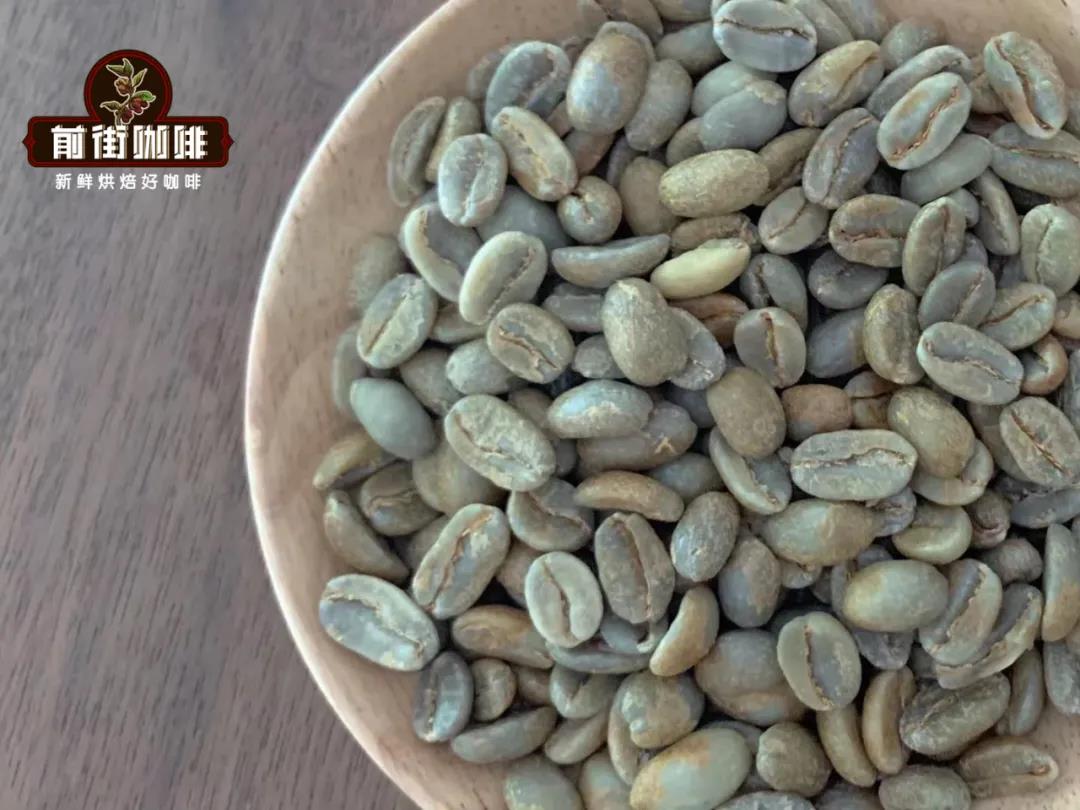
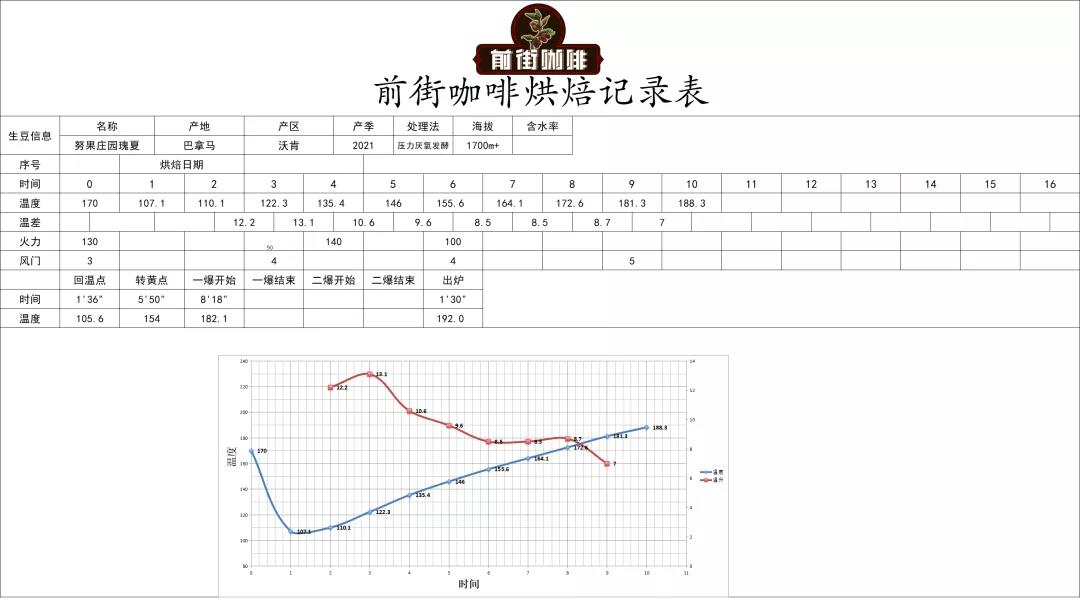
When FrontStreet Coffee received the green beans, it detected sweet-and-sour floral and fruit aromas with a faint grassy scent. To express this bean's sweetness, acidity, and floral-fruit aromas, FrontStreet Coffee decided on a medium-light roast, removing the beans at the peak of first crack. Since new-harvest green beans have high moisture content, it is necessary to extend the dehydration time between the return-temperature point and the yellowing point, letting the surface and core of this Geisha bean heat evenly.
Cupping Flavor Description
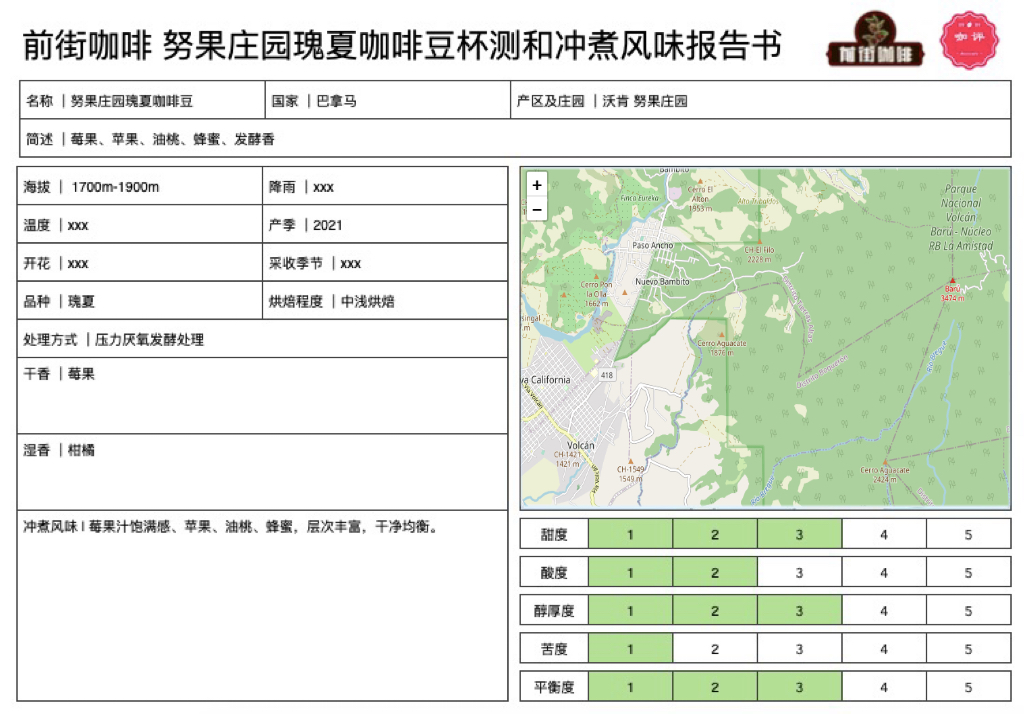
FrontStreet Coffee Brewing Recommendations
Dripper: V60#01
Water Temperature: 91°C
Dose: 15g
Ratio: 1:15
Grind Size: Medium-fine grind (78% pass-through rate on Chinese standard #20 sieve)
Three-Stage Pouring Technique: First pour 30g of water for a 30-second bloom. Then, using a small stream, pour in a circle to 125g and pause. When the water level drops and is about to expose the coffee bed, continue pouring to 225g and stop. When the water level drops and is about to expose the coffee bed again, remove the dripper. (Timing starts from the beginning of the bloom.) Total extraction time is 2'10".
FrontStreet Coffee Recommendation
A pressure-anaerobic Geisha like Nuguo is a concentrated, experimental expression of the variety, and if you enjoy that intensity, FrontStreet Coffee's Geisha line offers other angles on the same profile. Geisha is prized for its florals and refined acidity, so a good complement is FrontStreet's Ethiopia Geisha Village, whose grading system is just as strict as Panama's. Geisha Village plants three Geisha varieties — Gori Gesha, Geisha 1931, and Illubabor Forest — and grades them into Gold Label RARITIES, Red Label GROWERS RESERVE, Green Label SINGLE-TERROIR, and Chaka lots.
The Gold Label is the Geisha 1931 variety, about 10% of the village's total production and its top coffee outside the auctions, often chosen by competition baristas; naturally processed, it delivers a complex, layered cup that is memorable from dry aroma through to the finish. The Red Label is the Gori Gesha variety, roughly 15% of production and scored 88 or above on the SCA 100-point scale, and as a single-terroir series every lot is fully traceable, with the farm block, variety, and processing date on record.
For a lighter, more traditional take, FrontStreet's Panama Boquete Geisha is the entry-level option, with the classic orange-blossom honey note, oolong-tea body, and delicate fruit acidity. And if you would like a fruit-forward cup that is easy to drink every day, FrontStreet's Strawberry Candy blend uses naturally complementary Arabica beans to recreate a vivid strawberry-gummy sweetness — a good choice for anyone who loves fruit tones and dislikes bitterness, and versatile enough for pour-over, moka pot, espresso machine, or cold brew.
Important Notice :
FrontStreet Coffee is a long-established specialty coffee roaster in Guangzhou China, selling freshly roasted beans from its own farm in Yunnan as well as dozens of carefully selected single-origin beans from around the world for both pour-over and espresso. The products deliver consistently excellent quality and great value, with shipping within 24 hours. Guangzhou's FrontStreet Coffee shop is recommended by many coffee lovers, and the beans are now available online at the Tmall 。
FrontStreet Coffee has moved to a new address:
FrontStreet Coffee Address: 315,Donghua East Road,GuangZhou
Tel:020 38364473
 Scan and follow the En Gafei WeChat official account. Please indicate that the reprint comes from "En Gafei".