What Does 3-Time Hand Sorting of Sumatra Mandheling G1 Coffee Beans Mean? How to Drink Sumatra Coffee?
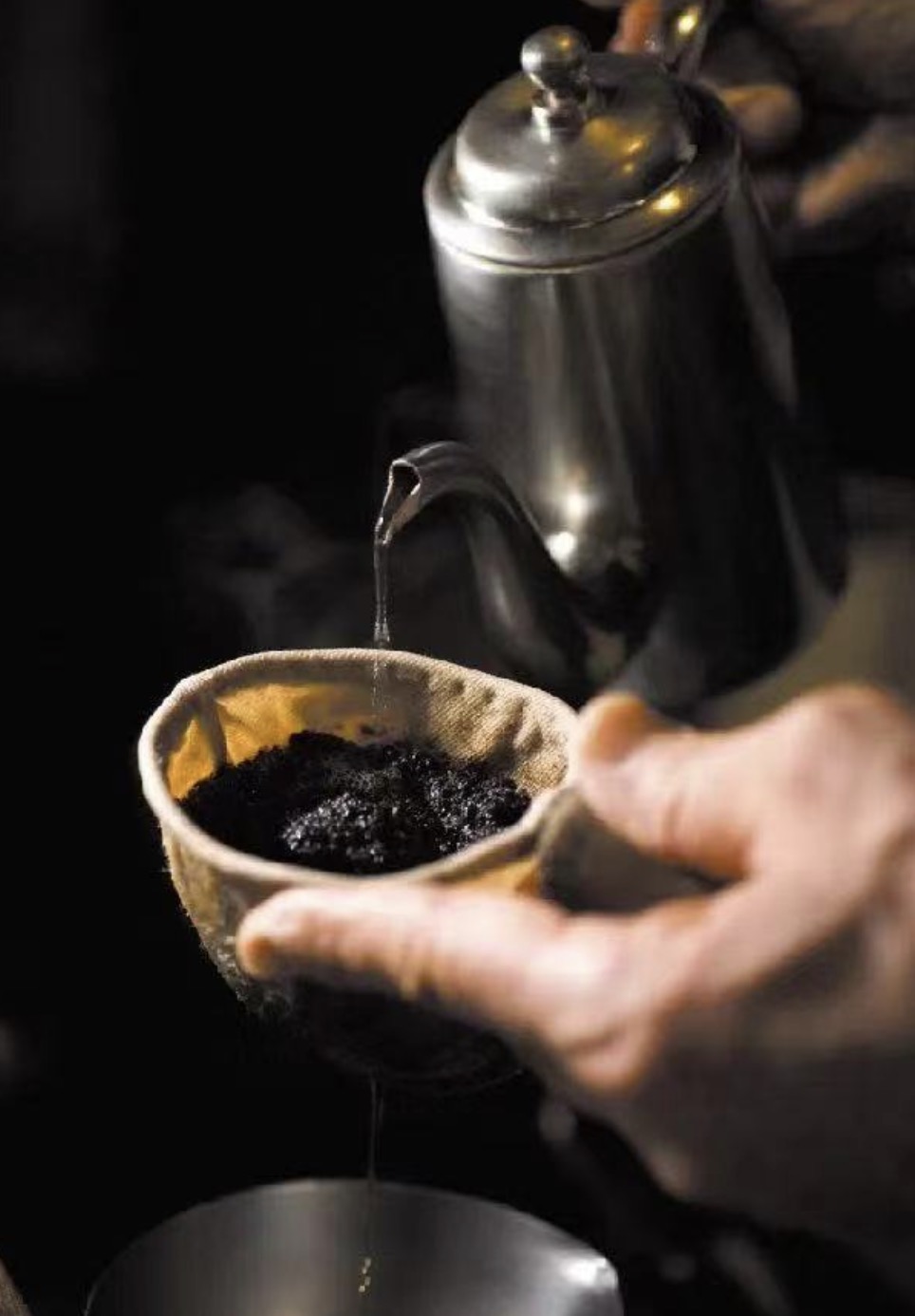
Influenced by the dark-roasted beans served in chain coffee shops, most people assume coffee is simply bitter, and it is easy to taste a burnt bitterness that leaves many with a bad impression of dark roasts. Mandheling coffee beans might respond: we are so wronged! Although most Mandheling is roasted dark, it is nowhere near as terrible as people imagine.
A delicious Mandheling depends on high-quality green beans as well as on the roaster's skill. A properly deep-roasted Mandheling reveals rich flavors of cedar, licorice and dark chocolate, with a mellow, solid mouthfeel carrying a subtle woody aroma.

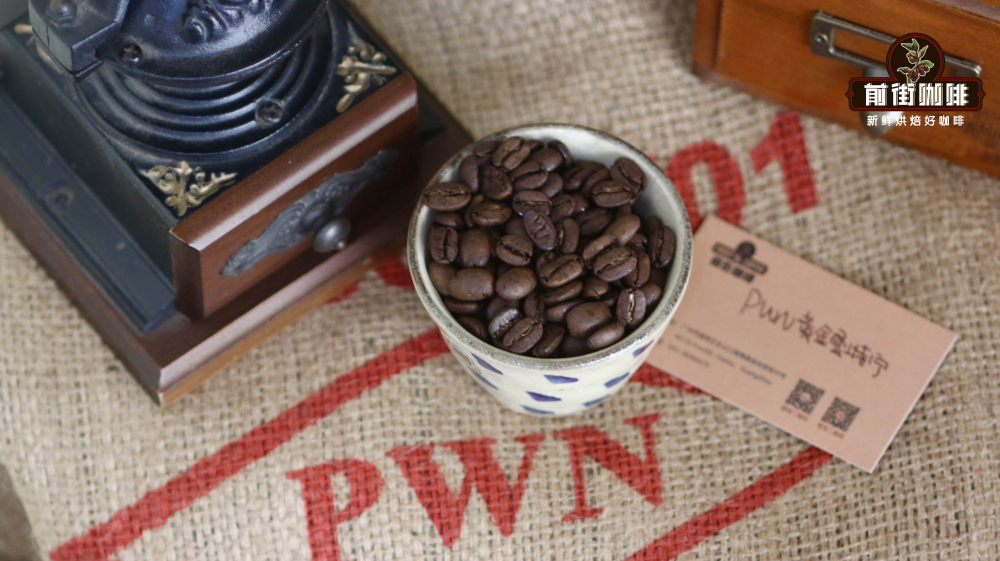
Although its flavor profile differs from the "fruit bomb" coffees most consumers favor today, Mandheling remains a classic among coffees. Many still love its rich mouthfeel because it consistently delivers a stable, composed performance. Among FrontStreet Coffee's best-selling beans, the Golden Mandheling from Indonesia's PWN company has always been widely loved.
The Story of Mandheling Coffee
Legend has it that during World War II, a Japanese soldier drank an unforgettable cup of coffee at a house on Indonesia's Sumatra island. When he asked what the coffee was called, the language barrier led the homeowner to think he was asking about his ethnicity, so he answered "Mandheling."
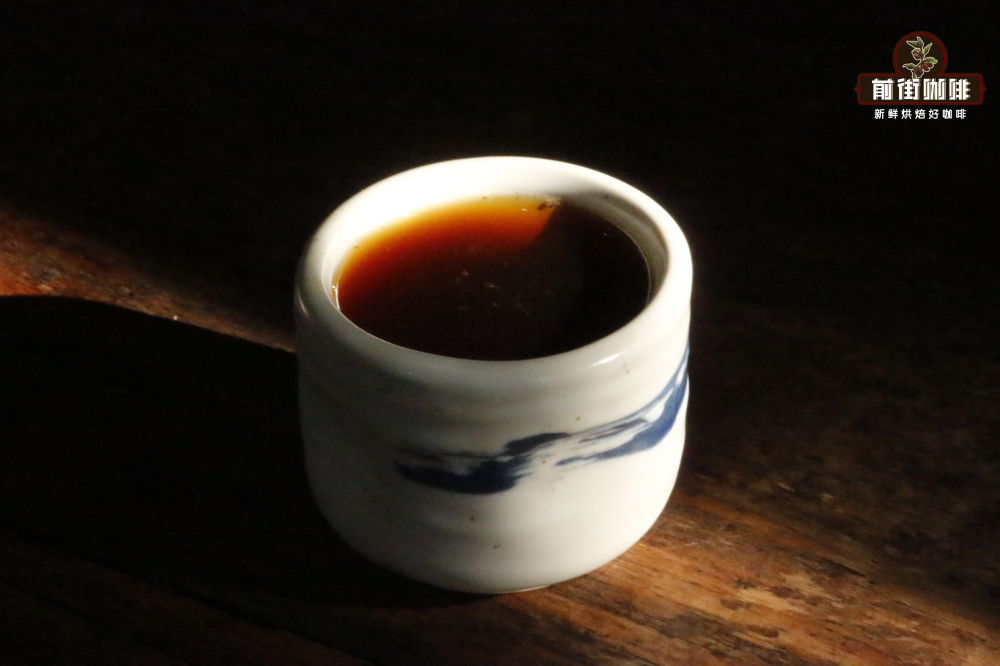
After the war, the soldier could not forget that coffee and found a way to import Arabica beans from Sumatra to Japan, where they were warmly welcomed by the Japanese market. To make it easier for Japanese consumers to remember this coffee, "Mandheling" became the name for the Arabica beans grown on Sumatra, and Mandheling was an instant success.
Mandheling Coffee Growing Regions
Sumatra lies in western Indonesia and has generally low elevation overall; Arabica is grown in mountainous areas at 600-1200m. Today, premium-grade Mandheling comes mainly from the Lintong region and the Gayo Mountain region.

Sumatra has abundant water and a warm year-round climate, but with one drawback: the weather is predominantly rainy with frequent typhoons, making reliable sun-drying impossible. And because the local economy is not prosperous, the more expensive washed method is out of reach. This gave rise to the region's distinctive wet-hulled processing method.
Characteristics of Wet-Hulled Processing
Traditional washed processing takes 1-3 weeks, whereas wet-hulled processing is much faster, completing the whole process in just a few days. First the skin and pulp of the cherry are removed, followed by a brief fermentation and partial drying. While the beans are still semi-dry, the parchment layer is hulled off, and drying continues until the moisture content reaches 12%, at which point the beans can be bagged and graded.

Although this seemingly quick, time-saving process sounds simple, if it is not strictly controlled the beans easily become damp and moldy in Indonesia's hot, humid environment. Beyond Sumatra, Indonesia's Sulawesi and Papua New Guinea also use this method widely. Indonesia has a tropical rainforest climate with humidity as high as 70-90%, making long sun-drying impossible, and washed processing is quite costly. Farmers had little choice but to develop this semi-washed approach. Although each step is greatly shortened, the hulled green beans absorb moisture from the hot, humid air, giving Mandheling its additional woody, herbal and spicy, earthy aromas.

Flavor Characteristics of Mandheling Coffee Beans
As the story suggests, Mandheling refers specifically to the Arabica coffee grown on Indonesia's Sumatra island. Two main varieties are cultivated there: Ateng and TimTim.
Those names may sound unfamiliar. TimTim is Timor, an Arabica variety with Robusta heritage, while Ateng is Catimor, a hybrid of Caturra and Timor.
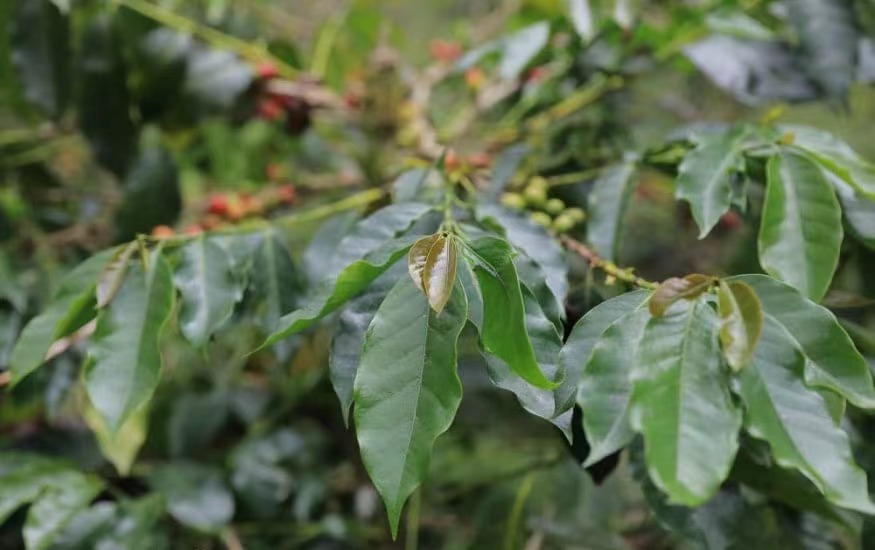
The defining trait of these varieties is their strong disease and pest resistance. In Indonesia's warm, humid environment, pests and pathogens thrive as much as plants do, so coffee trees need better resistance than those grown in other high-altitude areas.
Through hybridization with Robusta, the plants acquired some of Robusta's hardiness, while the remaining Arabica genetics lay the foundation for good coffee flavor.
Because both varieties carry Robusta genes, and because the low growing elevation cannot create the strong day-night temperature swings that develop more refined flavors, and combined with wet-hulled processing, Mandheling beans - whether TimTim or Ateng - show unique herbal, woody and spicy flavors.

Do Different Mandheling Coffee Beans Really Have No Differences?
Of course they do. Ateng is further hybridized with Caturra genes on the basis of TimTim, so its flavor is cleaner and sweeter. Beyond variety, harvesting, drying of the green beans, and quality selection all create additional differences between lots.
FrontStreet Coffee currently sells Mandheling from the Lintong region as well as Golden Mandheling from the PWN company.
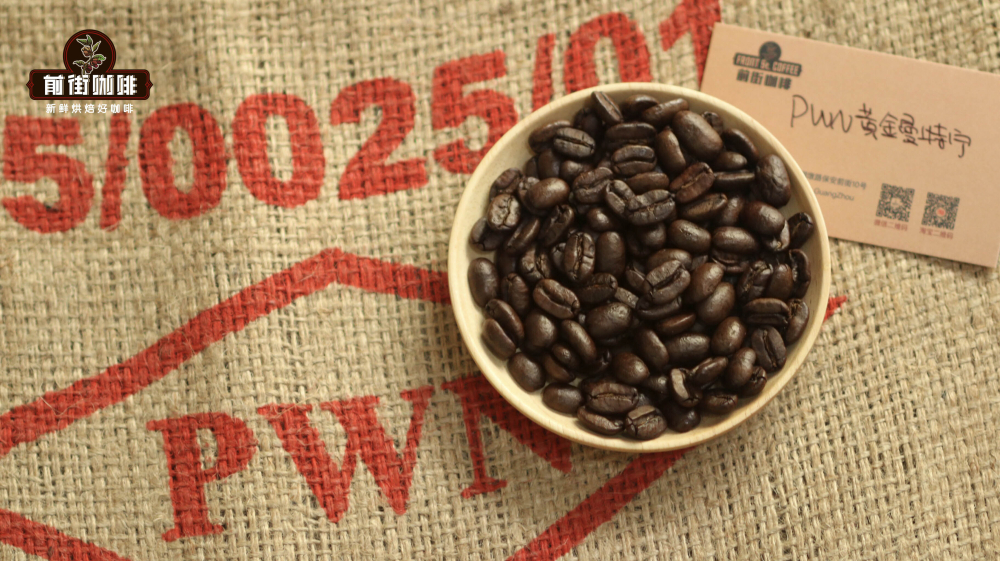
The difference between the two is that PWN Golden Mandheling undergoes at least three purely manual selections after harvesting and drying, ensuring the beans meet screen size 18 or above, with fewer than 3 defective beans per 300g green-bean sample - the highest G1 grade. PWN beans are a darker green, neat and flat in shape.
Although the screening for Lintong Mandheling is not as rigorous and meticulous as PWN's, its flavor is fully representative of Indonesia's Sumatra region.
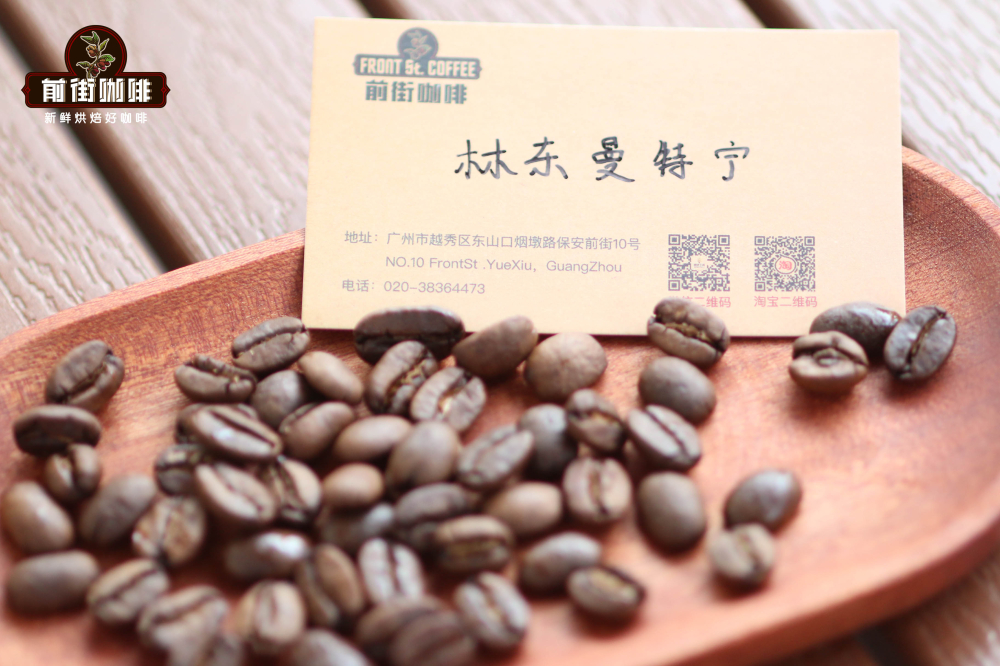
FrontStreet Coffee therefore positions Lintong Mandheling as an entry specialty bean and a daily-drinking coffee, sold in 100g small packages at high value for money, so that everyone can experience Indonesia's regional flavors at the lowest cost.
How to Roast Mandheling Coffee Beans?
To let Mandheling display its rich character while still clearly expressing its unique herbal flavors, FrontStreet Coffee roasts Mandheling just before the second crack, placing it at a medium-dark roast level.
The deeper the roast, the more carbon dioxide builds up inside the beans. After roasting, that CO2 continues to escape, and the beans' own oils migrate to the surface along with it. So 3-4 days after roasting, darker-roasted beans will look oily on the surface - a completely normal phenomenon.
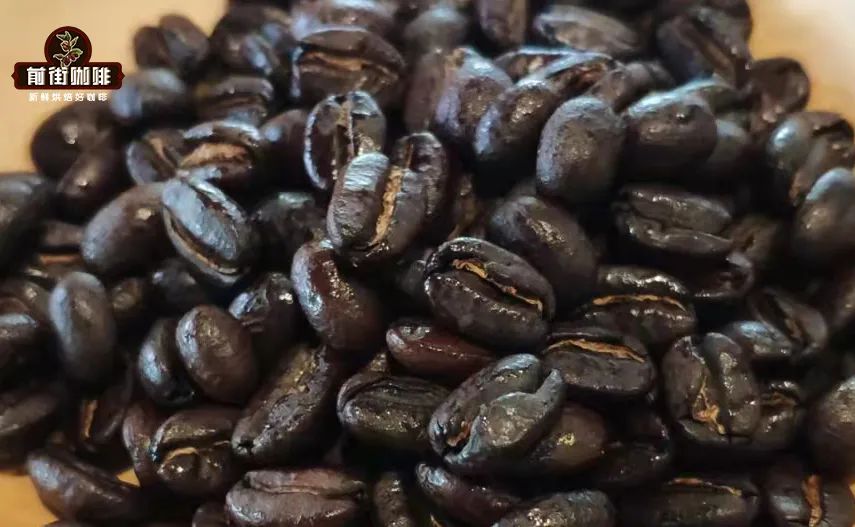
To ensure every customer drinks freshly roasted coffee, FrontStreet Coffee guarantees that beans are shipped within 5 days of roasting.
How to Brew Mandheling Coffee?
For brewing Mandheling, FrontStreet Coffee recommends a medium-coarse grind (coarse sugar texture, 70% pass rate on the China #20 standard sieve), 88°C water, a 1:15 coffee-to-water ratio, and a KONO dripper.

The special feature of the KONO dripper is that its rib channels extend all the way down to the liquid outlet. Because the ribs sit at the bottom and are short, with high adherence to the filter paper, the flow rate is slower than a V60's, which raises the extraction rate and enhances the coffee's richness.
Specific technique: first pour 30g of water for a 30-second bloom; in the second stage pour in small circles up to 125g, wait until the water level in the coffee bed drops to half, then continue pouring in small circles up to 225g. After full drawdown, total extraction time is about 2 minutes 10 seconds.

FrontStreet Coffee - Lintong Mandheling flavor profile: rich herbal aroma on entry, dark chocolate, caramel, sweet finish.
FrontStreet Coffee - PWN Golden Mandheling flavor profile: layered, rich and clean overall, with intense nut and caramel aromas, chocolate notes, a persistent finish and high balance.
FrontStreet Coffee Recommendation
If this article has you curious about Mandheling, the highest expression to try is FrontStreet Coffee's PWN Golden Mandheling. PWN buys premium Sumatran green beans and, on top of a base of screen-18-and-above beans, requires fewer than 3 defects per 300g sample to meet the top G1 grade, with three rounds of manual hand-sorting that remove defects entirely and boost the cup's cleanliness and sweetness. After medium-dark roasting it shows rich roasted aromas, and the brewed cup is clean, full-bodied and low in acidity - ideal for anyone who dislikes sour coffee. For pour-over, use 87-88°C water, 15g of coffee at a 1:15 ratio, a coarse-sugar grind, and a three-pour segmented method: a 30ml bloom to degas, 100ml to lift the bed and draw out the golden crema, then a gentle center pour of 95ml to heighten sweetness - yielding a thick body with caramel sweetness and chocolate and nut flavors.
For a more classic, rustic take, FrontStreet Coffee's Lintong Mandheling - from the traditional region around Lake Toba - delivers clove, woody and spice aromas with mint-like notes and a strong, lasting sweetness at a friendly everyday price. And if you want this character in espresso-based drinks, the FrontStreet classic blend pairs Brazil's creamy nut flavors with medium-dark Mandheling - butter, roasted chestnut and caramel - plus a touch of Robusta for richer crema, making it equally at home in lattes and Dirty drinks.
Important Notice :
FrontStreet Coffee is a long-established specialty coffee roaster in Guangzhou China, selling freshly roasted beans from its own farm in Yunnan as well as dozens of carefully selected single-origin beans from around the world for both pour-over and espresso. The products deliver consistently excellent quality and great value, with shipping within 24 hours. Guangzhou's FrontStreet Coffee shop is recommended by many coffee lovers, and the beans are now available online at the Tmall 。
FrontStreet Coffee has moved to a new address:
FrontStreet Coffee Address: 315,Donghua East Road,GuangZhou
Tel:020 38364473
 Scan and follow the En Gafei WeChat official account. Please indicate that the reprint comes from "En Gafei".