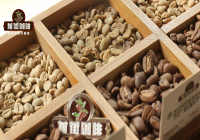
How to Pour-Over Washed Sidamo Coffee? Introduction to Ethiopia's Sidamo Sirsha Cooperative
The Birthplace of Coffee
The Federal Democratic Republic of Ethiopia, commonly known as Ethiopia, lies in northeastern Africa and was formerly known as the People's Democratic Republic of Ethiopia. Historically it was called "Abyssinia." Unlike most African countries, Ethiopia kept its ancient monarchy until Italy invaded during the Second Italo-Ethiopian War (1936–1941), having never been swallowed by the wave of colonialism. In 1974 a military coup overthrew Emperor Haile Selassie I, who had ruled since the 1930s; Ethiopia then abolished its monarchy and became a socialist country until 1991, when it ended and abandoned the socialist system. The headquarters of the African Union sits in the capital, Addis Ababa. Ethiopia is the birthplace of coffee, and legend holds that Arabica coffee was discovered there by monks. To this day Ethiopia still harbors some 6,000 to 7,000 unknown coffee varieties, making it one of the world's finest coffee-producing regions for enthusiasts.
The Diverse Flavors of Sidamo
Sidamo coffee offers incredibly diverse flavors. Different soil types, microclimates, and countless native varieties create distinct differences and characteristics in the coffee from each town. From 2010 to 2012 it earned exceptional ratings of 92 to 94 points from the authoritative American coffee review site Coffee Review, a testament to the extraordinary value of green beans from this region.
Unique Terroir and Growing Conditions
The region has diverse topography — towering mountains, highlands, plateaus, valleys, and plains. Its geology is made up of nutrient-rich, well-drained volcanic soil reaching nearly two meters deep, with surface soil appearing dark brown or brown. The region's greatest advantage is that soil fertility is maintained through the natural cycling of organic matter, using fallen leaves and debris from surrounding trees and plant residues as natural fertilizer.
Shakiso Cooperative
Produced by the Shakiso Cooperative near Dilla town. The cooperative was established in 1976 and is currently a member of the Sidama Coffee Farmer Cooperative Union (SCFCU). The Shakiso Cooperative has roughly 1,200 farmers and operates its own wet processing facility.
Brewing Recommendations
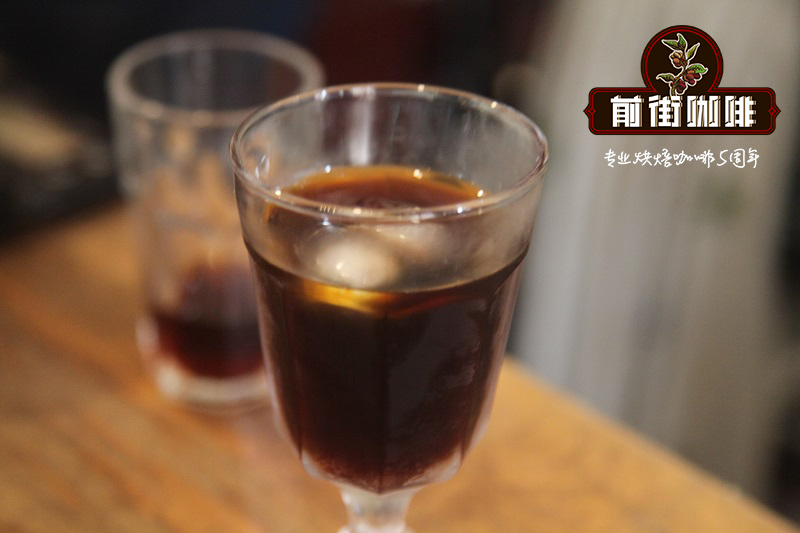
FrontStreet Coffee recommends these pour-over parameters for washed Sidamo: use a V60 dripper, grind at setting 3.5 on a Fuji grinder, and brew with water at 90–92°C for approximately 2 minutes and 10 seconds. The result is strong fruity notes, rich and intense fruit flavors of cantaloupe, strawberry, peach, and ripe berries, a silky smooth texture, a clean and balanced mouthfeel, and a lingering, vibrant, complex sweet finish.
FrontStreet Coffee is a Guangzhou roastery with a small storefront but a diverse range of beans, where you can find both famous and lesser-known varieties, and it also serves customers through its online shop.
FrontStreet Coffee Recommendation
Ethiopia is a world-renowned specialty coffee origin and the birthplace of coffee, home to countless heirloom varieties and a treasured destination for drinkers who want to follow its flavors faithfully. To taste the classic Ethiopian profile, start with the entry-level FrontStreet Washed Yirgacheffe, which delivers a clear jasmine aroma and bright citrus acidity. Yirgacheffe is a small town in southern Ethiopia, mild the year round, wrapped in mist, cool and humid, where thousands of coffee trees flourish and give rise to the region's distinctive interweaving of florals and fruit acidity — light and elegant, with a tea-like body, as refreshing and clean as lemon tea.
Most Ethiopian coffee follows a garden-plot model, with each smallholder sending the harvested cherries to a village-based processing station and selling under the production team's name, which is why cooperatives of every size appear — FrontStreet's Gedeb, Worka, and Konga among them. The Gedeb cooperative, in the Worka district at the southeastern end of Yirgacheffe, was originally part of the Worka cooperative under the Yirgacheffe Coffee Farmers' Cooperative Union. As demand grew for traceability, independent single-origin lots were uncovered one by one by coffee hunters around the world, and in 2012 Gedeb, with roughly 300 member farmers, was established as its own cooperative. Because the pulp is stripped before drying, FrontStreet's Gedeb shows its inherent aromatics more clearly, with citrus and lemon tones and an elegant white florality — a bright, delicate cup overall.
For natural-process lovers, FrontStreet's Sun-Dried Red Cherry is a dependable choice: it skips the washing step, discards damaged or moldy cherries, and dries in the sun for two weeks so the sugars and essence of the fruit seep fully into the beans. Once moisture falls to 12%, the hardened pulp, mucilage, and parchment are scraped away, and the beans are screened for density and color, with defects removed and any missed flaws hand-picked out by workers — every bean a specialty-grade one, guaranteeing a clean, refined cup with a rich, alluring fruit aroma. Its flavor notes are peach, cocoa, honey, and lemon. FrontStreet's Sun-Dried Huakui, from the Hambella district of Guji in Sidamo, is grown on a 200-hectare farm using traditional natural processing: the ripe cherries are spread on raised beds for 21 days and turned constantly for even drying, with defective or moldy beans hand-sorted every three to five days. Because the fruit and skin remain on throughout drying, a medium-light roast yields a light fermented-wine aroma, florals, citrus, and mango, with a much richer, more complex body, honeyed sweetness, and cocoa notes touched with spice, plus a thick body and a lasting finish.
Important Notice :
FrontStreet Coffee is a long-established specialty coffee roaster in Guangzhou China, selling freshly roasted beans from its own farm in Yunnan as well as dozens of carefully selected single-origin beans from around the world for both pour-over and espresso. The products deliver consistently excellent quality and great value, with shipping within 24 hours. Guangzhou's FrontStreet Coffee shop is recommended by many coffee lovers, and the beans are now available online at the Tmall 。
FrontStreet Coffee has moved to a new address:
FrontStreet Coffee Address: 315,Donghua East Road,GuangZhou
Tel:020 38364473
 Scan and follow the En Gafei WeChat official account. Please indicate that the reprint comes from "En Gafei".