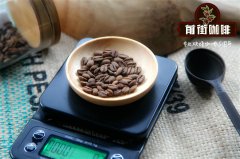
Brazil | High-altitude Estate Natural Red Bourbon | Santiago Farm
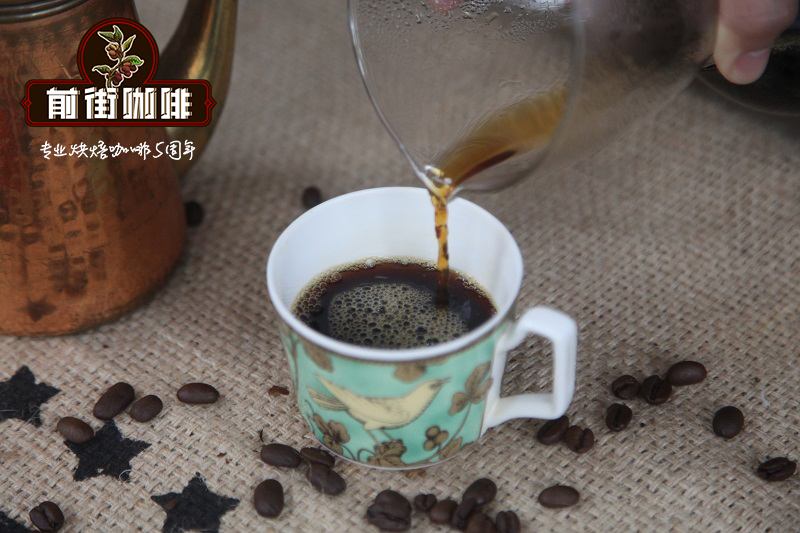
FrontStreet Coffee's Brazilian Single-Origin Coffee - Highland Estate Natural Red Bourbon, Santiago Farm
Brazil Santiago Red Bourbon
Brazilian Highland Estate Natural, Red Bourbon - Santiago Farm
Brazilian mountain coffee is grown in the southern part of Minas Gerais state, on the western side of the Mantiqueira Mountains. The Mantiqueira range is one of Brazil's mountain ranges, located in southeastern Brazil and spanning São Paulo state, Minas Gerais state, and Rio de Janeiro state, with a total length of about 320 kilometers and a highest point at 2,798 meters.
Variety: ARABICA (Arabica) RED BOURBON
Region: Serra de Mantiqueira, Mantiqueira Mountains
Area: São Gonçalo do Sapucai, Sapucai-São Gonçalo
Farm: Santiago
Grade: NY2/FC Natural beans
Altitude: 1000-1200 meters
Processing: Natural sun drying
Roast Level: Medium roast recommended
Flavor: Smooth, slightly sweet, balanced, nutty
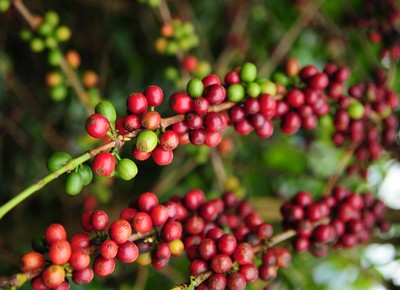
Geographical Conditions
Brazilian coffee is generally grown in relatively flat areas. To adapt to local conditions, Brazilian estate operators developed improved Arabica trees decades ago that do not require high altitudes and shade. These can be planted on plains or grasslands, directly exposed to bright sunlight, unlike traditional higher-altitude shade cultivation.
Most Brazilian coffee plantations sit only a few hundred meters high, or are even planted on flat ground. This sun-exposed cultivation lets the cherries grow faster, with less complete flavor development. The density of the beans - their hardness - is not as good as that of highland beans. Acidity is significantly lower and the flavor is monotonous. Coastal Rio coffee even has an iodine and salty taste, thought to be the result of certain microbial activity. Even when the same soil is used, though, this flavor is not necessarily produced every year. Most coffee lovers do not appreciate it; only a few Middle Eastern countries, with their habit of sugar-sweetened boiled coffee, are particularly suited to this Rio flavor.
Processing Method
Because of its vast territory and huge production, Brazil has long used natural processing as its main method. The washed method cannot support coffee production on such a scale, which gave the industry the ingrained idea that Brazilian coffee is crudely made (though this does not mean all Brazilian coffee is cheap; the quality produced by famous estates is quite good). After 1990, Brazil promoted the pulped natural method (also called semi-washed), which involves removing defects and floaters in water tanks, using machines to peel off the skin, pulp, and part of the mucilage, then washing, and finally drying in the sun or in drying rooms. Compared with the washed method, pulped natural saves water and labor, significantly improving the quality of Brazilian coffee and reversing the bad reputation of its crude natural processing over the years.
Pour-Over Reference Parameters
Grind 15g of coffee beans to a medium grind (Fuji Royal #4), use a V60 dripper, and brew at 88-89°C. First pour 30g of water and bloom for 30 seconds, then pour to 105g and stop. Wait until the water level in the coffee bed drops to half, then continue pouring slowly until reaching 225g. Avoid the tail end. Water-to-coffee ratio 1:15, extraction time 2:00.
FrontStreet Coffee Recommendation
If you enjoy the smooth, nutty, low-acid style of a Brazilian natural like this Santiago Farm lot, FrontStreet Coffee's Brazilian single origins are the obvious next stop. The FrontStreet Brazil Cerrado Red Bourbon, a classic half-washed daily bean from the renowned Cerrado region, is roasted medium to bring out creamy peanut, toasted bread, caramel, and hazelnut aromas with a rounded, barely sour cup and a light hint of bitterness - equally at home in a pour-over, a moka pot, an espresso SOE, a siphon, or a French press.
For a sweeter, more elegant expression, try the FrontStreet Brazil Queen Estate, a rare Yellow Bourbon grown in Mogiana on fertile red volcanic soil. Whether hand-poured, brewed in a moka pot, or pulled on a home espresso machine, it delivers the clean sugarcane sweetness that no other region quite matches, alongside fruit and chocolate notes and a thick, smooth body.
Important Notice :
FrontStreet Coffee is a long-established specialty coffee roaster in Guangzhou China, selling freshly roasted beans from its own farm in Yunnan as well as dozens of carefully selected single-origin beans from around the world for both pour-over and espresso. The products deliver consistently excellent quality and great value, with shipping within 24 hours. Guangzhou's FrontStreet Coffee shop is recommended by many coffee lovers, and the beans are now available online at the Tmall 。
FrontStreet Coffee has moved to a new address:
FrontStreet Coffee Address: 315,Donghua East Road,GuangZhou
Tel:020 38364473
 Scan and follow the En Gafei WeChat official account. Please indicate that the reprint comes from "En Gafei".