Brazil Single Origin Coffee|South Minas Region|Alta Vista Estate|Yellow Bourbon Pulped Natural
Professional coffee knowledge exchange. For more coffee bean information, follow FrontStreet Coffee.
FrontStreet Coffee Brazil Single Origin - Fazenda Alta Vista Yellow Bourbon Pulped Natural (PN Processing)
Coffee Details
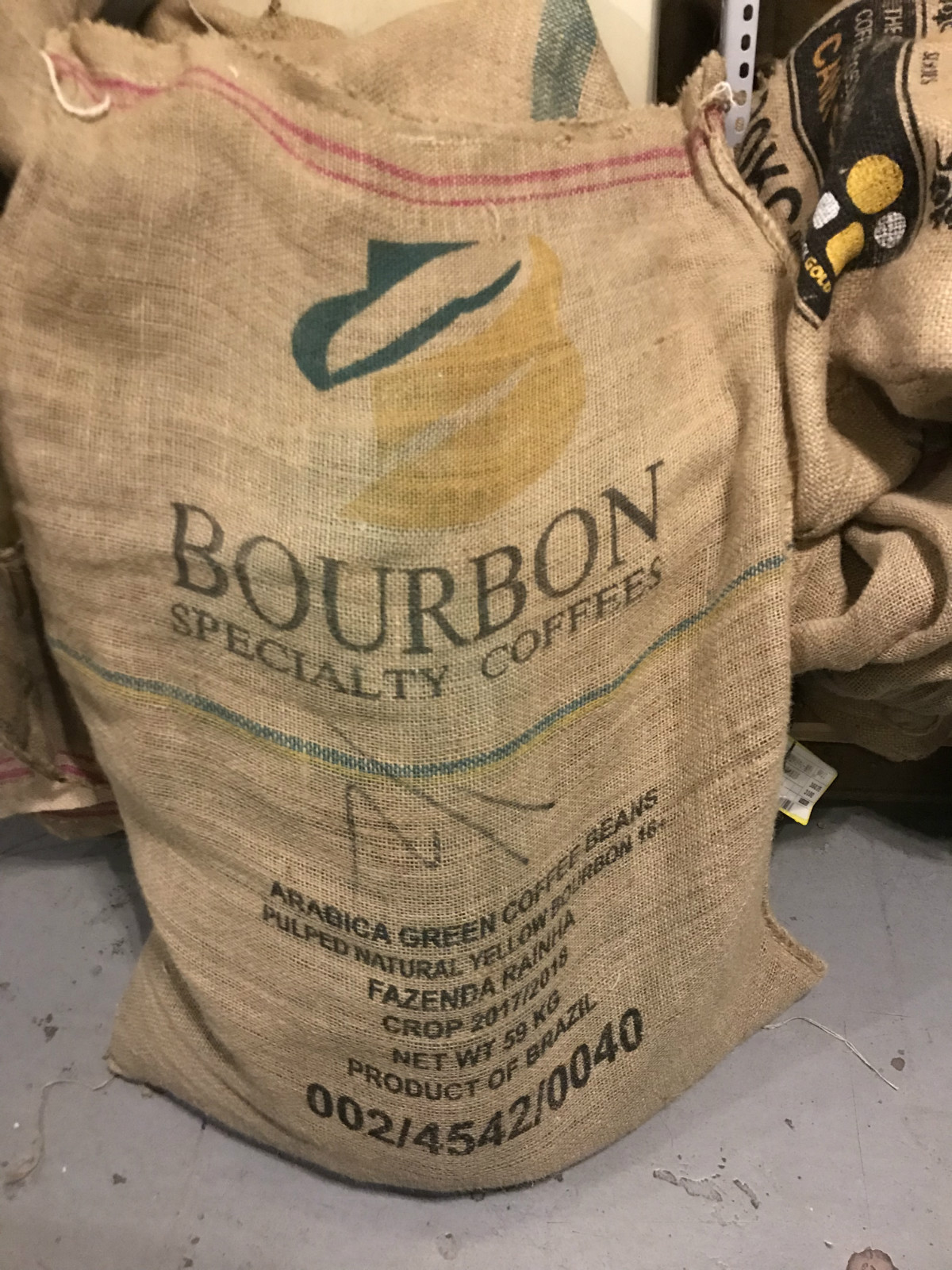
Product Name: Brazil Carmo de Minas Fazenda Alta Vista Yellow Bourbon Pulped Natural (PN Processing)
Origin: Carmo de Minas, Sul de Minas
Estate: Fazenda Alta Vista
Variety: Yellow Bourbon
Grade: N/A
Altitude: Average 1,100-1,300 meters
Processing Method: Pulped Natural
Annual Temperature: 18°C
Annual Rainfall: 1,850mm
Harvest Period: N/A
Flavor Notes: Orange chocolate, apple, brown sugar and hazelnut syrup, with smooth sweet acidity and a rich, full-bodied texture.
Awards: 7th place, 2007 Brazil Cup of Excellence (COE)
Introduction
Since coffee trees arrived from French Guiana in 1720, coffee production has gradually evolved into a science. Before 1990, the Brazilian government kept strict control over the industry, alternating heavy intervention with price protection. The state guaranteed farmers minimum prices, which eventually led to massive overproduction—before World War II, surplus inventory reached 78 million bags, much of which later had to be destroyed by burning or dumped in water.
Since market liberalization in 1990, the old "Brazilian Coffee Institute" (IBC) was replaced by the National Economic Federation, a non-investment administrative body pursuing a hands-off policy that lets producers negotiate directly with exporters. Exporters' activities are supervised under government legislation, with legitimate exporters registered by the relevant departments.
Brazilian coffee comes in countless varieties. Like most Arabica coffees, the vast majority of Brazilian coffee is not washed but sun-dried, and beans are classified by state of origin and shipping port.
Brazil has 21 states, 17 of which grow coffee. Yet five states account for 98% of national production: Paraná, São Paulo, Minas Gerais, Espírito Santo, and Bahia. Southern Paraná alone produces an astonishing 50% of the total.
Brazilian coffee is known for low acidity, rich oils, full body, and its suitability for medium roasting and espresso blends. Brazil is figuratively the "giant" and "monarch" of the coffee world—the largest producer on earth, with roughly 3.97 billion coffee trees, and small farmers now grow 75% of the country's coffee. The region is jokingly called the "CoE Top 10 battleground": Brazil has two or even three times as many people working in coffee as Colombia, the world's third-largest producer.
Brazilian coffee is generally grown on relatively flat land. To suit local conditions, Brazilian estate owners decades ago cultivated improved Arabica trees that need neither high altitude nor shade—plantable on plains and grasslands, in direct sun, unlike traditional high-altitude shade cultivation.
Carmo de Minas, in southern Sul de Minas, is a region of beautiful scenery with unique endowments: mineral-rich soil with volcanic rock components, outstanding water from diverse natural sparkling mineral springs (there is even a sparkling mineral water park), and variable microclimates. These make it one of Brazil's key specialty coffee areas—and the small region with the most awards in Brazil's annual Cup of Excellence.
Carmo de Minas also hosts the annual "Best of Carmo de Minas" independent competition—Brazil's own "CoE Top 10 playoff," since nearly all participants are COE-winning estates, with plenty of Top 10 finishers and even champions among them. That says everything about the region's standing.
Fazenda Alta Vista belongs to the Robson Vilela family. He purchased 84 hectares in 2001 and began planting coffee in 2004; the first harvest came in 2007. At 84 hectares it counts as a small estate locally. Carmo de Minas enjoys ideal natural conditions—altitude, a misty climate, fertile soil—with annual rainfall of 1,850mm and an average annual temperature of 18°C.
This lot of Carmo de Minas Fazenda Alta Vista Pulped Natural offers orange chocolate, apple, brown sugar and hazelnut syrup, with smooth sweet acidity and a rich, full body.
About FrontStreet Coffee
FrontStreet Coffee is a roastery in Guangzhou with a small shop but a diverse bean lineup, where you can find famous and lesser-known beans alike. Online shop services at https://shop104210103.taobao.com.
FrontStreet Coffee Recommendation
If this Brazilian tempts you, two more from our Brazil lineup:
FrontStreet Coffee Brazil Cerrado Red Bourbon (Pulped Natural) — The classic Brazilian profile: medium roast brings creamy peanut, toasted bread, caramel, and hazelnut with a rounded, low-acid cup. Works as pour-over, moka pot, espresso SOE, siphon, or French press.
FrontStreet Coffee Brazil Queen Estate Yellow Bourbon — From Mogiana's fertile red volcanic soil, this rare Yellow Bourbon mutation offers a cleaner fruit character and a sugarcane sweetness you won't find elsewhere. As a high-sweetness choice it also shines through a moka pot or home espresso machine, with fine crema and a rich, sweet body—especially good in Americanos and lattes.
Important Notice :
FrontStreet Coffee is a long-established specialty coffee roaster in Guangzhou China, selling freshly roasted beans from its own farm in Yunnan as well as dozens of carefully selected single-origin beans from around the world for both pour-over and espresso. The products deliver consistently excellent quality and great value, with shipping within 24 hours. Guangzhou's FrontStreet Coffee shop is recommended by many coffee lovers, and the beans are now available online at the Tmall 。
FrontStreet Coffee has moved to a new address:
FrontStreet Coffee Address: 315,Donghua East Road,GuangZhou
Tel:020 38364473
 Scan and follow the En Gafei WeChat official account. Please indicate that the reprint comes from "En Gafei".