What are the formulation approaches for pour-over blends? How to create pour-over blend beans? What is pour-over blend coffee?
What are the Formulation Ideas for Pour-Over Blends? How Are Pour-Over Blend Beans Combined? What Does Pour-Over Blend Coffee Mean?
Pour-over blend coffee is a measure of a roaster's technical skill. As coffee thinking keeps evolving, the direction of roasting technology - and the misconceptions around it - have drawn plenty of attention and discussion. Blending for pour-over is a science that depends heavily on understanding the physical character of coffee: how different coffees combine is not simple math, and it demands consideration of bean size, density, water activity, variety, and processing method. A pour-over blend is the optimal combination of acidity, bitterness, and aroma - coffee beans brought together by mixing. For example: Guatemalan beans with strong acidity, Mexican beans with both acidity and sweetness, and Brazilian beans with soft bitterness, mixed in equal proportions and then balanced with an appropriate amount of high-acidity Kilimanjaro, produces beans with a balanced flavor and moderate concentration.
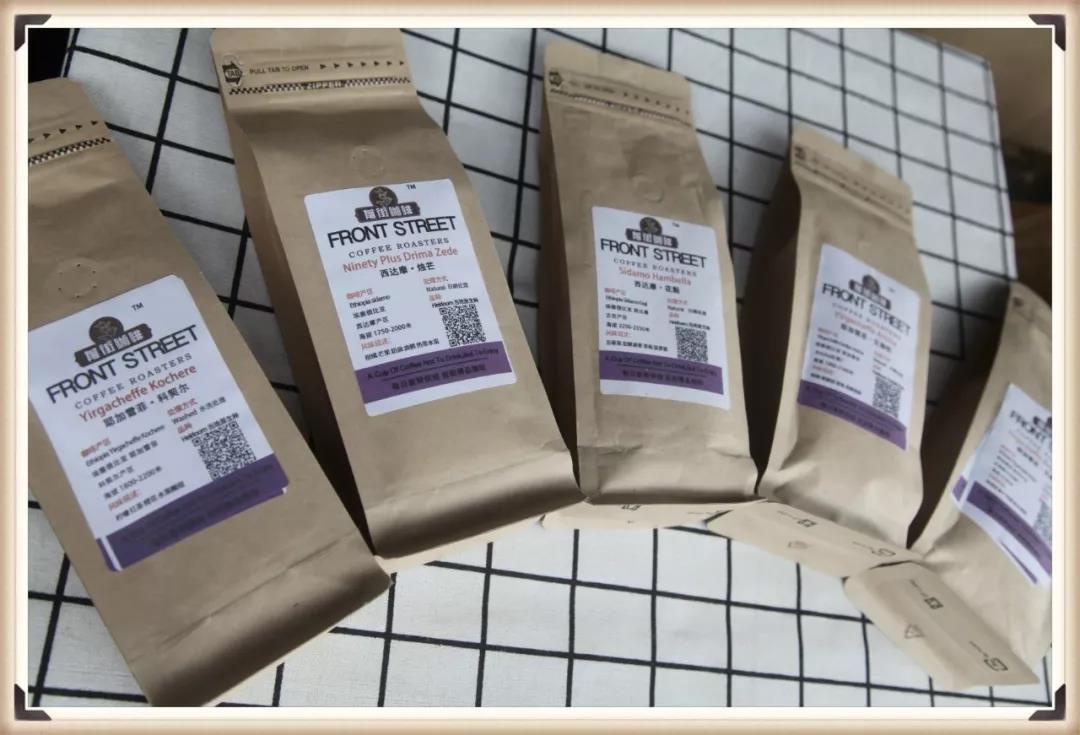
Blend proportions are usually closely guarded commercial secrets, but before mixing different coffees there are a few key points to understand first:
Determine the base bean: First you must decide which regional coffee will be the base, and use it as the center from which to select the other beans that harmonize the overall flavor.
Mix beans with opposite personalities: Each coffee has its own distinctive flavor, so try combining beans with completely opposite characters to add a special aroma.
Mix beans with similar personalities: Harmonize beans of similar character, then fine-tune the flavors to add different overall aromas and textures.
Introduction to Representative Coffee Bean Mixing Ratios:
Bitterness-Dominated Pour-Over Blend Coffee
Formula: Sumatra Mandheling G1 (40%), Colombia SUP (30%), Brazil NO.2•19 (20%), Kilimanjaro AA (10%).
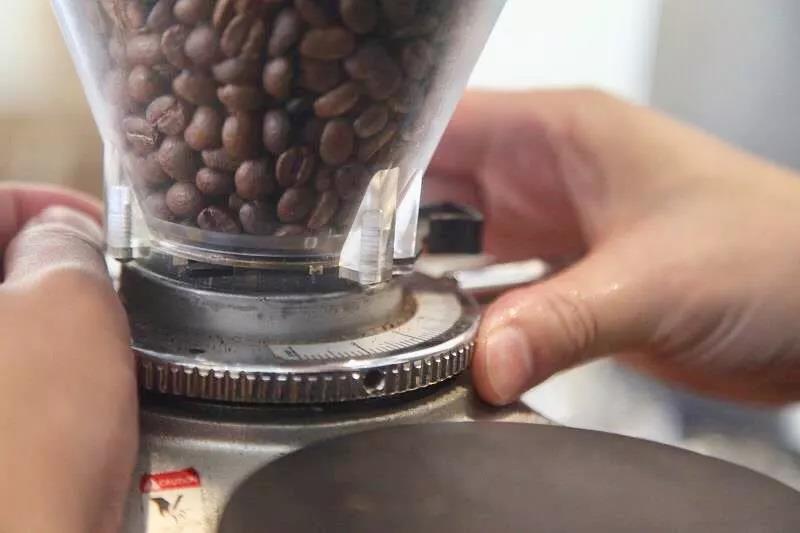
To create beans with strong flavor, you need coffees with a rich taste. These include Indonesian Sumatra Mandheling with strong bitterness and acidity, Colombian beans with strong bitterness and acidity, Brazilian beans with moderate bitterness and acidity, and Kilimanjaro beans dominated by acidity. Blended this way, the coffee carries a heavier bitterness that enthusiasts love.
Acidity-Dominated Pour-Over Blend Coffee
Formula: Kilimanjaro AA (40%), Mocha•Highland Harar (20%), Brazil NO.2•19 (20%), Hawaii Kona NO.1 (20%).
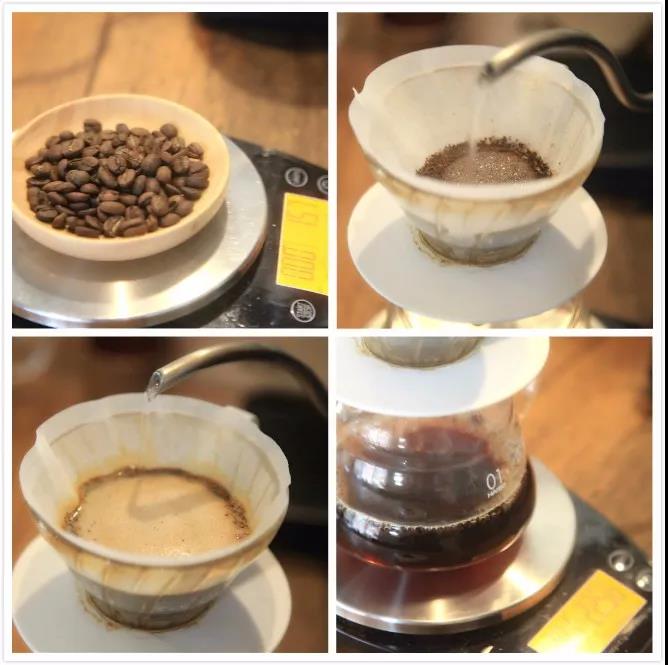
To create beans with strong acidity, Kilimanjaro should be the main component. Build on that with gentle-flavored Mocha•Highland Harar from Ethiopia, Brazilian beans, and Hawaii Kona with moderate acidity. That yields a pour-over blend with prominent acidity.
Aroma-Dominated Pour-Over Blend Coffee
Formula: Guatemala SHB (40%), Kilimanjaro AA (30%), Mocha•Highland Harar (30%).
Aroma-dominated blends bring beans of many different characters together for a richer aroma. Using aromatic, full-bodied Guatemala SHB as the main component, paired with Kilimanjaro for acidity and Mocha•Highland Harar for natural fruit aroma, you get a blend with a rich fragrance.
American-Style Pour-Over Blend Coffee
Formula: Brazil NO.2•19 (50%), Mexico AL (30%), Jamaica Washed Beans (20%).
For drinkers who don't like overly extreme flavors, who aren't drawn to single origins, and who simply pursue what suits them, American-style pours should be the first choice. It uses medium-roasted beans, with Brazilian beans - balanced in acidity and bitterness - as the main component, paired with sweet, delicious Mexican beans and Jamaica washed beans for aroma and bitterness, creating a uniquely flavored American-style blend.
Rich and Heavy Pour-Over Blend Coffee
Formula: Colombia SUP (50%), Brazil NO.2•19 (30%), Java Robusta WIBI (20%).
To highlight a rich flavor, start with Colombian beans for their rich taste and moderate acidity. Build on that with Brazilian beans for balanced flavor, and a pour-over blend with rich aroma and prominent bitterness. If you want a little sweetness, pair in some beans with soft bitterness.
Below are several practical examples (10 is the maximum degree, based on dark roasting):
1. Formula: Guatemala SHB 30 + Mexico AL 30 + Brazil NO.2.19 30 + Kilimanjaro AA 10
Result: Aroma degree 5, Bitterness degree 5, Sweetness degree 5, Acidity degree 5
2. Formula: Sumatra Mandheling G1 40 + Colombia SUP 30 + Brazil NO.2.19 20 + Kilimanjaro AA 10
Result: Aroma degree 5, Bitterness degree 10, Sweetness degree 5, Acidity degree 3
3. Formula: Mocha 20 + Hawaii Kona no.1 20 + Brazil NO.2.19 20 + Kilimanjaro AA 40
Result: Aroma degree 9, Bitterness degree 10, Sweetness degree 7, Acidity degree 10
4. Formula: Guatemala SHB 40 + Mocha 30 + Kilimanjaro AA 30
Result: Aroma degree 10, Bitterness degree 5, Sweetness degree 6, Acidity degree 7
5. Formula: Brazil NO.2.19 50 + Mexico AL 30 + Jamaica Blue Mountain Coffee 20
Result: Aroma degree 5, Bitterness degree 3, Sweetness degree 5, Acidity degree 6
6. Formula: Brazil NO.2.19 30 + Colombia SUP 50 + Java Robusta Coffee WIB1 20
Result: Aroma degree 3, Bitterness degree 8, Sweetness degree 8, Acidity degree 6
[FrontStreet Coffee's Blending Philosophy]
When we began development, we first had to decide what flavor profile the autumn theme should express: the texture shouldn't be too heavy, it needed the flavor of fruit harvested in autumn, and it had to be sweet. We agreed to choose one main bean, supported by 1-2 other beans to harmonize the flavor; use too many beans and the main theme is lost, and too many flavors become hard to balance.
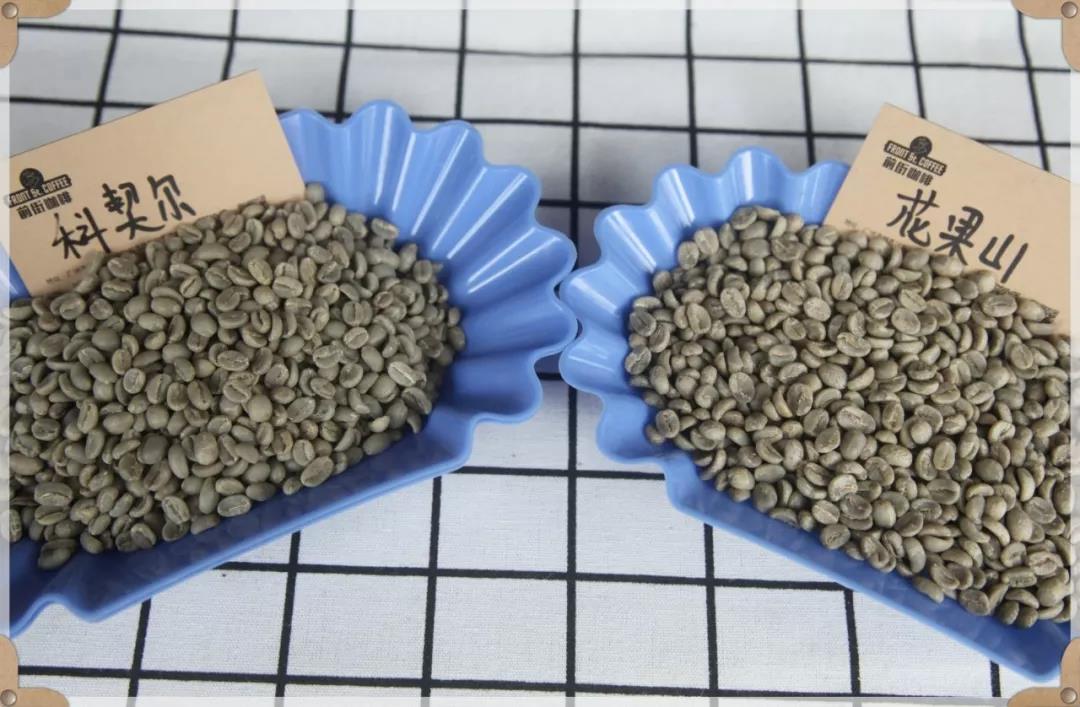
After cupping and discussion, we decided to add a flavor-enhancing bean - [Gesha Village Gesha] Natural - with the ratio used this time being Huaguoshan: Kochere: Gesha - 6:3:1.
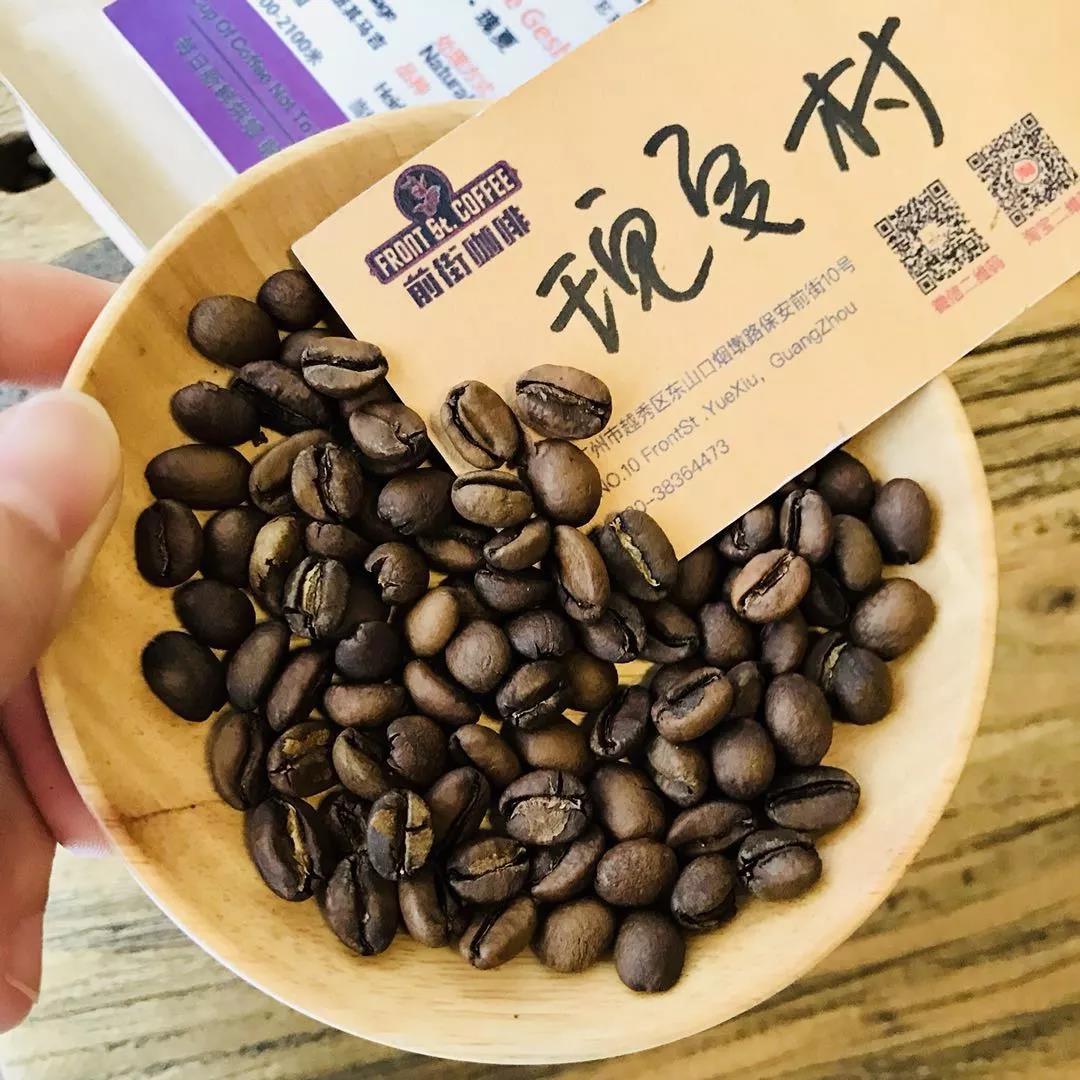
Reducing the proportion of Kochere makes the acidity of the whole bean smoother than before. 10% Gesha Village adds more fruit flavor while also lifting the floral aroma and the tea-like notes in the aftertaste.
On the roasting side, to preserve more floral and fruit aromas, the discharge temperature is set slightly lower; the time from dehydration to first crack is shortened a little to retain more reactive substances, and the development time after first crack is extended to develop the flavors.
FrontStreet Coffee Recommendation
A good blend starts with a reliable base, and for that we reach for FrontStreet Brazil Cerrado Red Bourbon. This classic Brazilian single origin is a pulped natural Red Bourbon from the Cerrado region, medium-roasted to bring out cream peanut, toasted bread, caramel and hazelnut over a round, low-acid body with a gentle bitterness. It works as a pour-over on its own, and it is equally at home in a moka pot, a siphon, a French press, or as espresso. If you want a fruitier, sweeter base, FrontStreet Brazil Queen Estate Yellow Bourbon adds a clean sugarcane sweetness with fruit and chocolate in the background.
Important Notice :
FrontStreet Coffee is a long-established specialty coffee roaster in Guangzhou China, selling freshly roasted beans from its own farm in Yunnan as well as dozens of carefully selected single-origin beans from around the world for both pour-over and espresso. The products deliver consistently excellent quality and great value, with shipping within 24 hours. Guangzhou's FrontStreet Coffee shop is recommended by many coffee lovers, and the beans are now available online at the Tmall 。
FrontStreet Coffee has moved to a new address:
FrontStreet Coffee Address: 315,Donghua East Road,GuangZhou
Tel:020 38364473
 Scan and follow the En Gafei WeChat official account. Please indicate that the reprint comes from "En Gafei".