What are the flavor characteristics and quality grade of Catimor coffee beans? Is Catimor a Yunnan small-seed coffee variety?
As Yunnan coffee has grown more famous in recent years, more and more visitors to FrontStreet Coffee ask whether there's any Yunnan small-bean coffee on the shelf. As China's best-known specialty coffee origin, Yunnan naturally holds its own spot on the FrontStreet Coffee menu board.
Understanding Yunnan Coffee Varieties
Customers notice the variety names on Yunnan bean bags and come in with questions: What is Catimor? Is Yunnan small-bean coffee Typica or Catimor? Is Catimor even an Arabica?

FrontStreet Coffee has covered this ground in many variety articles: the Coffea genus of the Rubiaceae family rests on three original species—Arabica, Robusta, and Liberica—each branching into countless varieties. Among Arabica's branches, Typica is the most ancient, and because its beans run relatively small, it earned the nickname "small-bean coffee."
The Historical Context of Yunnan Coffee
If Typica is small-bean coffee, why do Yunnan small-bean bags say Catimor? That comes down to planting history. Records show coffee first arrived in Yunnan in 1904, but large-scale cultivation began in the 1950s, when—to help repay Soviet debts—the foreign trade apparatus bought up Yunnan coffee for export. Yunnan small-bean coffee even took first-class honors at the International Coffee Tasting Conference held in London in 1958.
The turning point came in the 1980s, when reform and opening-up brought international brands into China. Coffee giants like Nestlé and Starbucks set up operations in Yunnan's growing regions and aggressively promoted the Catimor variety.
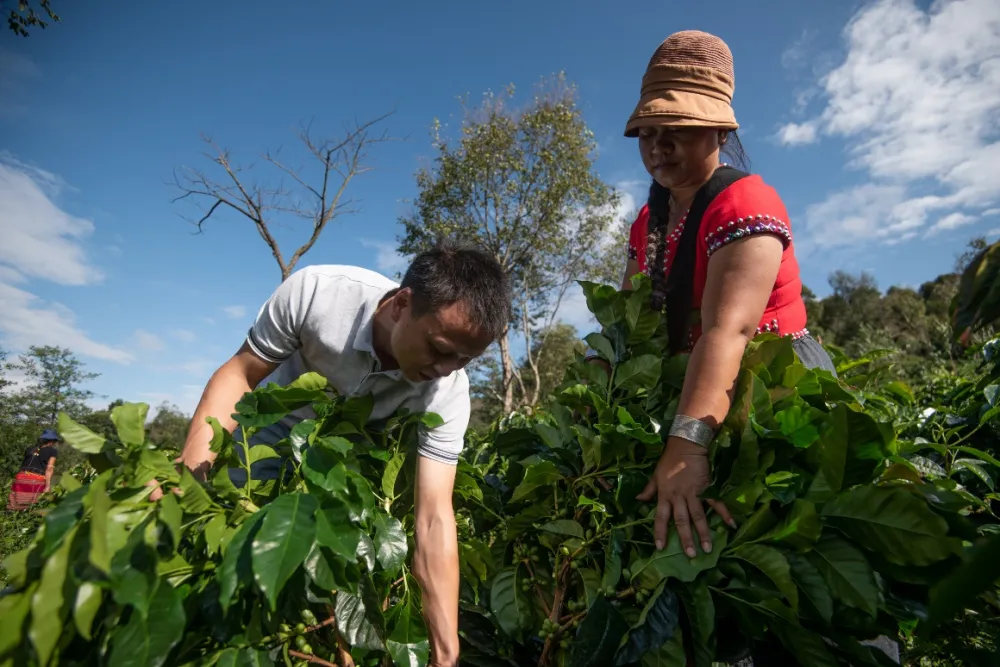
Compared with Typica, Catimor is simply easier to farm: it resists the coffee leaf rust that swept through Central and South America, and it yields three times as much. Growers of that era knew little about flavor and treated coffee purely as an economic crop—so they cut down the elegant Typica trees and replanted with Catimor.
The Catimor Variety
Catimor was born when Portuguese breeders carried the Brazilian Bourbon mutation Caturra to East Timor and crossed it with the Timor variety, which carries Robusta heritage—creating a variety with exceptional disease resistance and productivity.
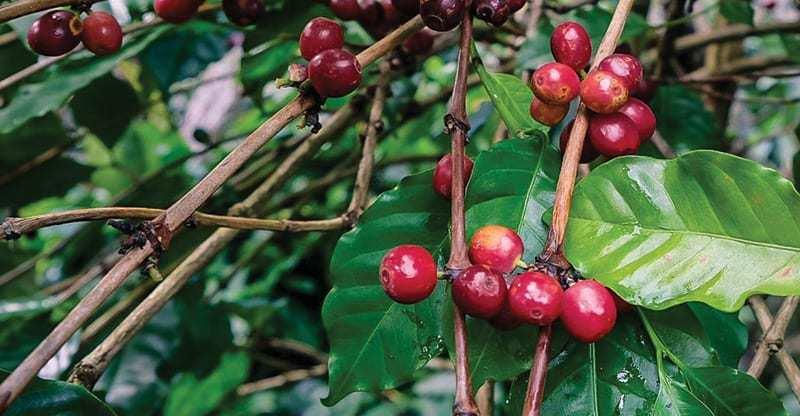
The variety is compact and dwarf-growing, branches freely, and sets fruit on short nodes. It grows vigorously with almost unbreakable vitality, and its headline features are outstanding rust resistance and high yield—qualities Yunnan farmers love, and today more than 90% of Yunnan's coffee trees are Catimor. Between the 1970s and 1990s, as leaf rust battered coffee countries worldwide, international organizations promoted Catimor planting everywhere. So the "Yunnan small-bean coffee" sold today is, in fact, Catimor.
The Future of Yunnan Coffee
In FrontStreet Coffee's view, gradual variety replacement is the unavoidable path if Yunnan wants to lift overall quality. Catimor's rust resistance fades after 20-30 years, so the question is already at Yunnan's doorstep. New varieties are appearing—Geisha among them. To explore how cultivation and variety interact, FrontStreet Coffee started its own coffee-growing chapter in Lincang, Yunnan, in 2013, cultivating the ancient small-bean variety Typica along with small quantities of Bourbon. Typica needs high altitude to show its rich, nuanced flavors—fruity acidity, delicate texture—but the plant yields little, resists poorly, and falls easy prey to leaf rust, coffee berry disease, and nematodes, demanding far more hands-on management.

Flavor Profile and Regional Differences
Because of its partial Robusta heritage, Catimor inherits Robusta's hardiness—and some of its flavor liabilities. As Specialty Coffee Studies puts it, it can carry a "devilish aftertaste," insufficient aroma, prominent bitterness, a tendency toward astringency, and unpleasant stimulating flavors.
Veterans of Yunnan small-bean coffee will happily declare a favorite micro-region. Yunnan's growing regions include Baoshan, Pu'er, Dehong, Lincang, and Xishuangbanna, and everyone ranks them differently—some swear by Baoshan, others by Pu'er, still others by Lincang.
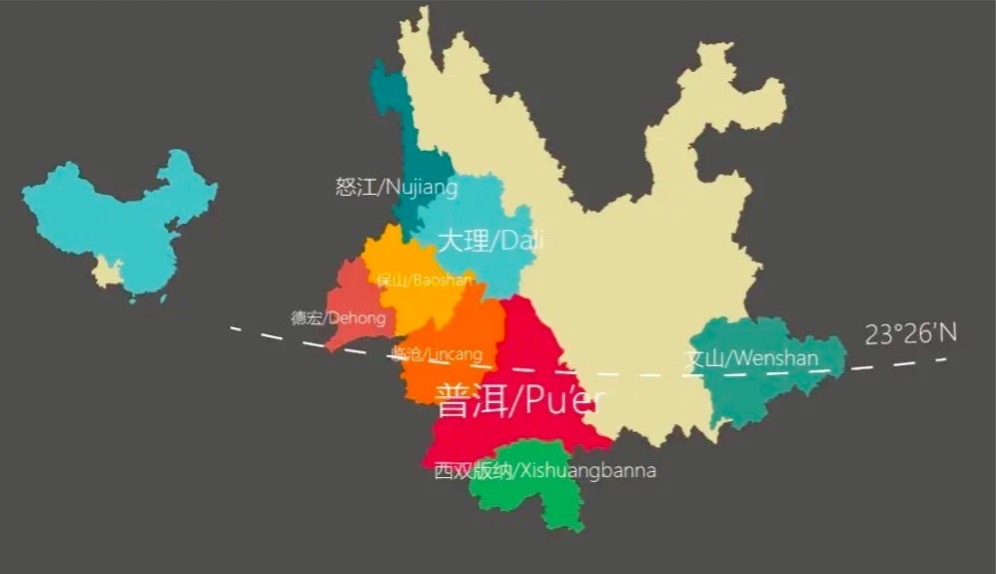
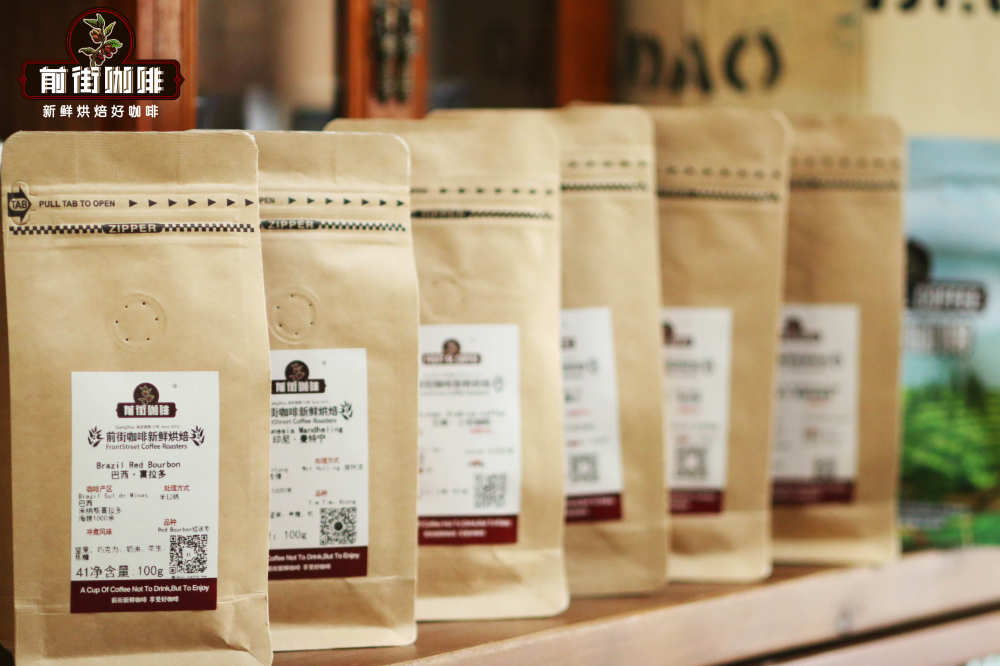
On FrontStreet Coffee's menu, Yunnan represents Chinese coffee in its own right. A washed Catimor from Baoshan anchors the daily bean series as the baseline expression of Chinese terroir. Because washing strips away skin, pulp, and pectin before sun-drying, the Yunnan washed Catimor in the daily bean series tastes clean and bright, stating Yunnan's character plainly: soft acidity, nutty notes, and a tea-like finish.
Brewing Guide for Yunnan Coffee
Plenty of customers fall for Yunnan small-bean coffee at FrontStreet Coffee's counter, only to struggle recreating it at home. Here's how FrontStreet Coffee brews it in the shop.
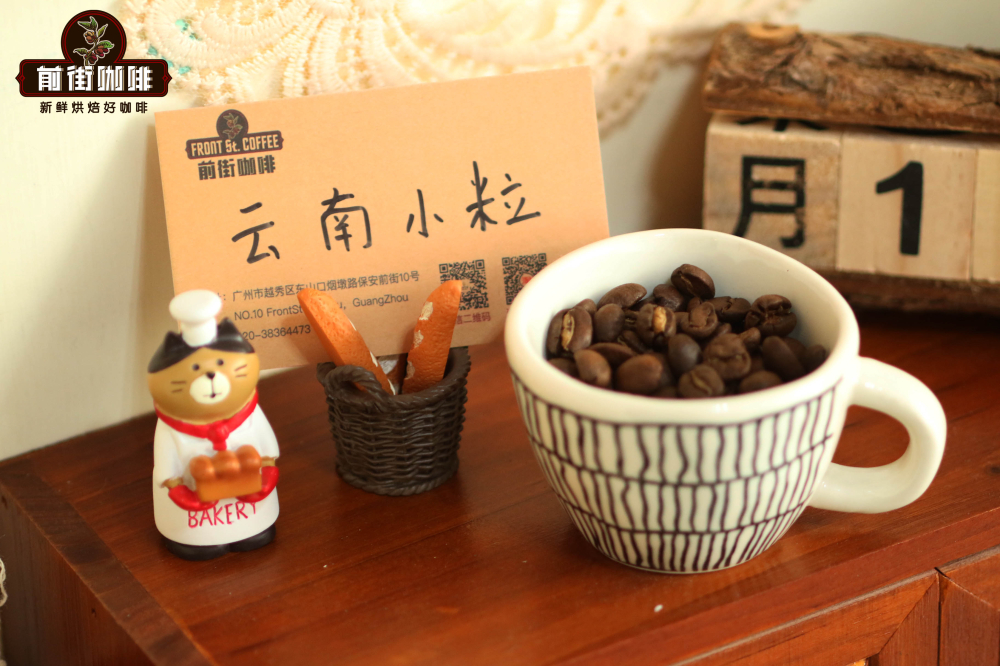
Dripper: Hario V60
Water temperature: 87°C
Coffee amount: 15 grams
Coffee-to-water ratio: 1:15
Grind size: 75% pass-through rate on the Chinese standard #20 sieve
In an era obsessed with freshness, everyone wants to brew the beans the day they're roasted. But FrontStreet Coffee hears the same complaint repeatedly: too-fresh beans brew rough, with a noticeable dry sensation after swallowing. Coffee needs a 4-7 day resting period to vent excess gas and let flavors round out. FrontStreet Coffee ships beans within 5 days of roasting, so they arrive just past the resting window with flavors at their fullest.
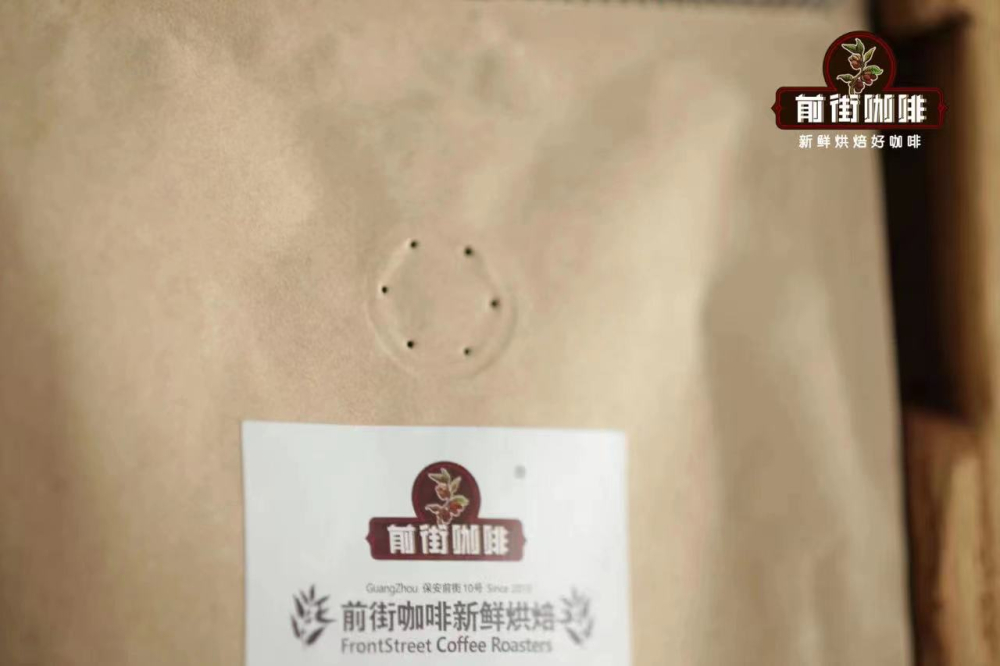
Even so, FrontStreet Coffee still recommends a 30-second bloom to help the remaining carbon dioxide escape.
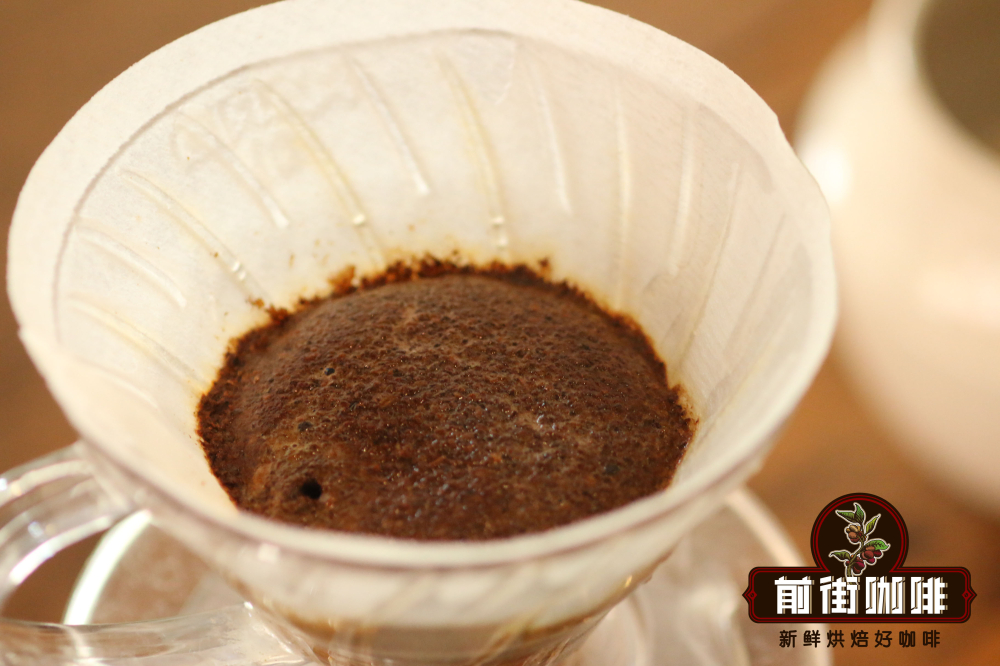
The shop's default is a three-pour technique. Compared with a single pour, it builds richer layers and a rounder, fuller texture; compared with champion methods like 4:6, it's simpler to execute—ideal for pour-over beginners.

Pour 30 grams of hot water for a 30-second bloom, then pour in a fine stream from the center, spiraling slowly out to 125 grams. Once the level in the dripper drops to just above the coffee bed, spiral on to 225 grams. Total extraction time is about 2 minutes.
For more coffee bean information, follow FrontStreet Coffee (WeChat official account: cafe_style)
For professional coffee knowledge exchange, add WeChat ID: kaixinguoguo0925
FrontStreet Coffee Recommendation
For a first taste of Yunnan, start with FrontStreet Coffee's Yunnan small-bean coffee from Baoshan. "Small-bean" is simply another name for Arabica—the species with the smallest fruits of the three original coffee species—and coffee reached Yunnan in 1904, when the French missionary Tian Deneng carried Typica seeds from Vietnam and planted the first tree in Zhugula Village, Binchuan County. Roasted medium and washed, FrontStreet Coffee's Baoshan lot shows soft nut and chocolate sweetness with a light plum acidity at a friendly price—Baoshan's frost-free climate and the dry-hot valley of the Lujiangba area, with its wide day-night temperature swings, are the source of that distinctive returning sweetness.
Ready to go deeper? FrontStreet Coffee's 2013 Yunnan natural Typica marks the step up. Planted at FrontStreet Coffee's own estate in Lincang in 2013 to chase the origin's original "taste of place," these Typica trees yield only fully ripe red cherries, dried in the traditional natural style. Roasted medium for balance, the cup brings dark berry and citrus tones, caramel sweetness, chocolate, a whisper of dried apricot—and, in the natural version, a faint fermented wine note with a black-tea finish.
If you'd rather drink Yunnan as espresso, the barista-favorite FrontStreet Coffee Black Cocoa blend pairs Yunnan small-bean with Brazil Cerrado: Brazil supplies mixed-nut aroma and balance, Yunnan brings chocolate and citrus, and the blend pulls an Americano with balanced sweet-sour-bitter and nutty, brown-sugar warmth—while lattes get a smooth almond-and-cream texture. It's an ideal first espresso blend for beginners.
Important Notice :
FrontStreet Coffee is a long-established specialty coffee roaster in Guangzhou China, selling freshly roasted beans from its own farm in Yunnan as well as dozens of carefully selected single-origin beans from around the world for both pour-over and espresso. The products deliver consistently excellent quality and great value, with shipping within 24 hours. Guangzhou's FrontStreet Coffee shop is recommended by many coffee lovers, and the beans are now available online at the Tmall 。
FrontStreet Coffee has moved to a new address:
FrontStreet Coffee Address: 315,Donghua East Road,GuangZhou
Tel:020 38364473
 Scan and follow the En Gafei WeChat official account. Please indicate that the reprint comes from "En Gafei".