Which Indonesian Coffee Brand is the Best? What Are the Unique Processing Methods of Sulawesi Coffee?
Which Indonesian Coffee Brand is Good? What are the Characteristics of Sulawesi Coffee Processing Methods?
The Tana Toraja highlands of southern Sulawesi, Indonesia, sit at 1,700 meters on volcanic terrain with ample sunshine, big day-night temperature swings, and steady temperatures of 24-25°C. The fertile, weakly acidic volcanic soils of these tropical highlands grow excellent Arabica. Toraja beans closely resemble Sumatra's Mandheling - full and plump - and are processed using Indonesia's traditional natural and semi-washed methods. The finest Toraja beans come from the Kalosi estate, with an annual production of only 3,000 barrels, each carrying its own code. Every wooden barrel is hand-carved and painted, making each one a unique work of art of extraordinary value.
Indonesia is the world's largest archipelagic nation and began cultivating Arabica coffee as early as the 18th century under Dutch colonial rule. The main production areas lie on Sumatra, Java, and Sulawesi. Its Mandheling - deep, low-acid, and rich - has been called "the world's most important coffee." Indonesia ranks as the world's fourth-largest producer, with an annual output of 7 million bags. Coffee is harvested twice a year, in May-June and September-October, with Sumatra and Aceh provinces producing the most. Farms are small, typically 1-3 hectares. Indonesian Mandheling generally uses the semi-washed method: farmers remove the skin and pulp from ripe cherries but keep the thin mucilage membrane on the beans. Soaking and fermentation float off the unfirm beans, while the firm, sinking beans are sun-dried on raised beds or the ground, then finished in drying machines to a uniform moisture standard. The most distinctive part: beans still wrapped in parchment and mucilage are dried to an 18% moisture content, and the membrane is polished and cleaned off just before shipment. Locals call this the Indonesian semi-washed method. Large processors control every step precisely for consistent flavor and quality; smallholders process in their home courtyards, producing more variable flavors that depend on individual technique.
Sulawesi, Indonesia's third-largest island, produces about 70,000-80,000 bags a year - only 9% of the national total. Coffee grows in rainforest at 750-1,500 meters, with the best lots planted around the Toraja highlands in the southwest. Toraja sits at 1,500 meters near the equator, under afternoon rain clouds and mist, on fertile volcanic soil - near-perfect conditions for coffee. Most Indonesian coffee is traded and exported by local coffee companies. The small-scale merchant Bina Lestari in Toraja sources directly, buying Arabica grade G1: long-grained beans of a beautiful emerald green, different from the yellowish-brown of Golden Mandheling and Sumatra Mandheling. Defects and poorly fermented white beans are few, making it an estate-quality coffee free of muddy earthiness.
Local smallholder fields in Toraja sit above 1,400 meters, with The Barn's lots grown even higher. The S-795 variety is a quality Typica hybrid, more disease-resistant than typical Typica. This Toarco Jaya lot offers a smooth, easy-drinking mouthfeel with pronounced sweetness: dried plum and licorice, nutmeg and winter spice. It suits espresso and milk drinks, and shines as pour-over too.
Sulawesi Toraja coffee bags are marked with the merchant name Bina Lestari.
The variety is Arabica, grade G1 (the highest grade, followed by G2 and G3).
Light Roast - End of First Crack (City)
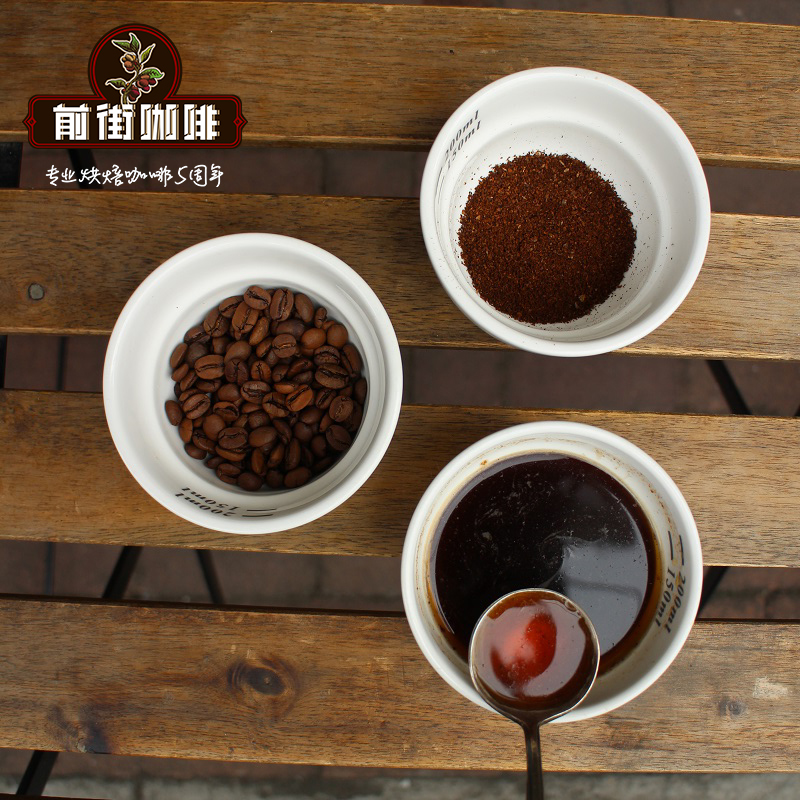
After grinding, there's a clear grass-jelly aroma. Brewed, it releases a special fragrance of ginseng and licorice with no muddy or grassy off-notes. The mouthfeel is clean and light with moderate complexity; rather than bright citrus acidity, the cup moves quickly from acid into honeyed sweetness, finishing with the aroma and tea-like sensation of high-mountain oolong.
Dark Roast - Beginning of Second Crack (Full City)
After grinding, a buttery popcorn aroma. Brewed, it delivers sweet dark chocolate, with a complex, pure, smooth mouthfeel and rich texture. The aftertaste carries longan honey and brown sugar sweetness.
Medium to Dark Roast
Taken to medium-dark or dark, Sulawesi Toraja shows a thick maltose mouthfeel with the low herbal notes characteristic of Indonesian Mandheling - a completely different flavor from the light roast, and a strong alternative to Golden Mandheling.
Flavor Profile
Sulawesi Toraja preserves Indonesia's ancient traditions, with small farms producing washed, natural, and semi-washed lots - making it the most distinctive of all Indonesian coffees. Though not as thick as Sumatra Mandheling, it offers more smoothness with less earthy, mushroom-like character. The acidity is livelier, leaving refreshing fruit notes: dried plum, licorice, nutmeg, and a silky mouthfeel.
FrontStreet Coffee Recommends Brewing:
Dripper: KONO dripper
Water Temperature: 88°C
Grind Size: Fuji grinder, setting 4
Brewing Method: Water-to-coffee ratio 1:14 with 17g of grounds. First pour 25g of water and bloom for 30 seconds. Second pour to 238g total. Extraction time approximately 2:30.
Analysis: The KONO dripper has few ribs at the bottom and the filter paper fits tightly against the wall, restricting airflow. That gives water and grounds a longer contact and steeping time, ensuring sufficient extraction even at a coarse grind - so the grounds are fully extracted and the cup turns richer and more concentrated.
FrontStreet Coffee Recommendation
If Sulawesi's smooth, sweet style appeals to you, don't miss FrontStreet Coffee's PWN Golden Mandheling - Sumatra's flagship: beans screened at 18 and above, fewer than 3 defects per 300 g meeting the G1 standard, and three rounds of hand sorting after machine selection. Wet-hulled in the Sumatran tradition and roasted medium-dark, it delivers herbal and dark chocolate aromas, caramel sweetness, and that thick, low-acid body Indonesian coffee is famous for. The FrontStreet Lintong Mandheling offers the same wild character in a more everyday cup.
Important Notice :
FrontStreet Coffee is a long-established specialty coffee roaster in Guangzhou China, selling freshly roasted beans from its own farm in Yunnan as well as dozens of carefully selected single-origin beans from around the world for both pour-over and espresso. The products deliver consistently excellent quality and great value, with shipping within 24 hours. Guangzhou's FrontStreet Coffee shop is recommended by many coffee lovers, and the beans are now available online at the Tmall 。
FrontStreet Coffee has moved to a new address:
FrontStreet Coffee Address: 315,Donghua East Road,GuangZhou
Tel:020 38364473
 Scan and follow the En Gafei WeChat official account. Please indicate that the reprint comes from "En Gafei".