Yemeni Coffee Flavor: How to Enjoy Yemeni Specialty Coffee Beans and the Characteristics of Yemeni Mocha Coffee
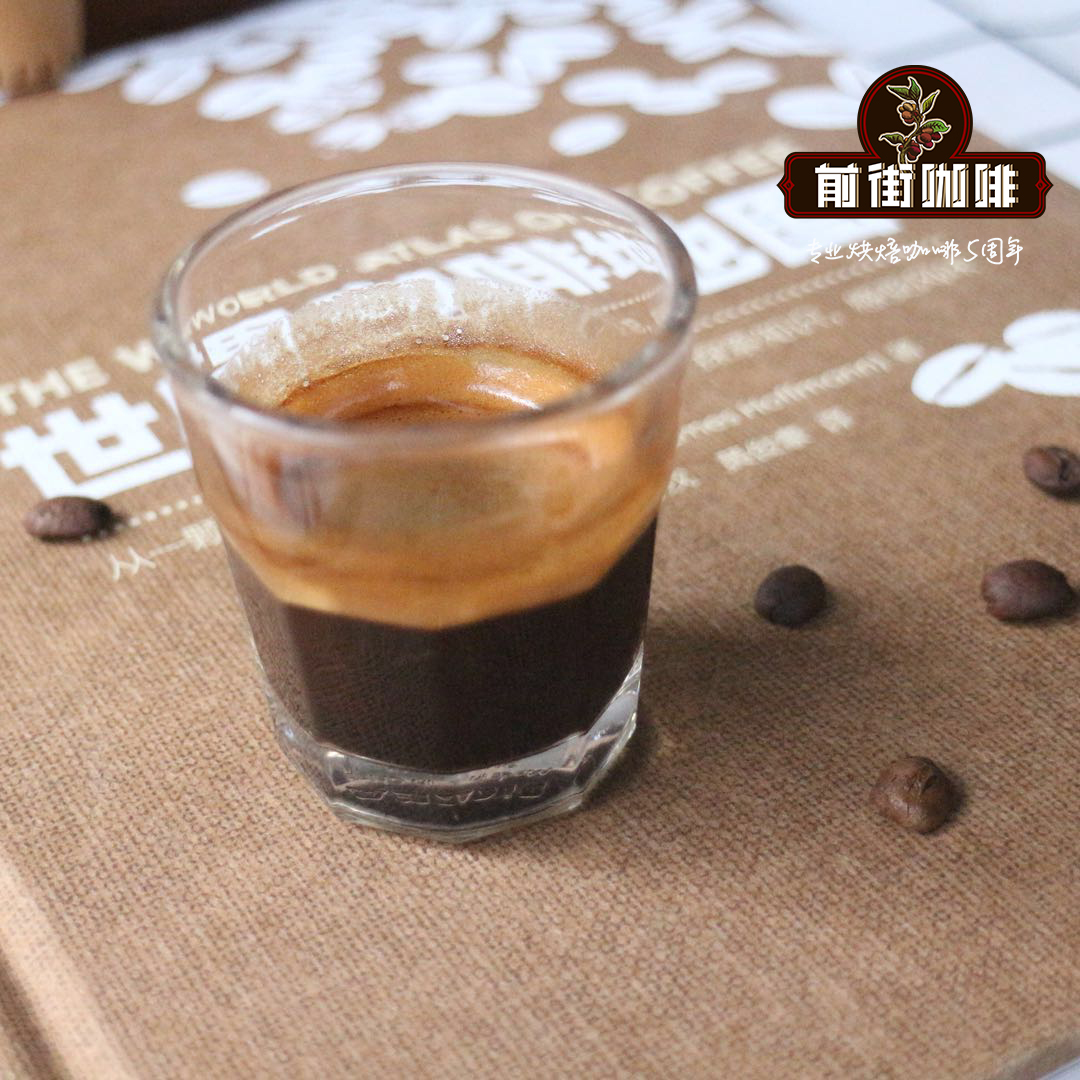
The Enigmatic Charm of Yemen Coffee
When Yemen coffee comes up, one immediately pictures its magical naturally sun-dried beans and their rich, full-bodied texture. The aftertaste unfolds in layers of fantastic wild aromas reminiscent of fermented tea—every bit as mysterious and unpredictable as the country itself, and endlessly fascinating.
Geographical Origins and the Mocha Legacy
Yemen sits in Asia, facing Ethiopia across the Red Sea to the east, and is the world's finest producer of naturally sun-dried coffee. Coffee from Yemen is known as Mocha. In fact, Mocha was originally a coffee export port: early on, natural beans from nearby East Africa shipped to the world through the port of Mocha, so naturally dried beans from this whole region—including Yemen and Ethiopia—came to be called Mocha beans.
Traditional Natural Processing Method
Yemen's natural sun-drying begins with hand-harvesting only fully mature cherries, which are laid straight onto dedicated drying grounds or compacted earthen courtyards. During drying—much like sun-drying rice—workers turn the beans with wooden rakes to ensure even desiccation. After roughly twenty days, once the coffee is completely dry, the dried pulp and skin are milled away to release the beans. The result is rich, complex, wild, mellow, and strongly fermentation-forward with low acidity. Add the unpredictability of rainfall during the drying season, and Yemen coffee is truly one of the most singular coffees on earth.
Unique Growing Conditions
Yemen coffee grows on steep terrain with little rainfall, thin soil, and less-than-plenty sunlight—conditions uniquely challenging and, on paper, unfavorable for coffee. Yet these harsh circumstances have nurtured an irreplaceable classic. The main producing regions are Sanani, Mattari, and Ismaili.
Traditional Processing Techniques
After harvest, the fruit is typically spread on courtyards or rooftops to dry; some cherries are even left to dry directly on the tree before picking, a method called floating. Once dry, the fruit must be ground to remove the husks. Yemen still preserves the ancient stone-mill method of dehusking, with the grinders turned by camels or donkeys.
Renowned Growing Regions
Yemen has many coffee regions, of which Mattari, from Bani Matar province, is the most famous and produces the highest-quality coffee among Yemen's exports.
For centuries the port of Mocha carried the burden of coffee export. Its name appears in many spellings—Mocha, Mokka, Moca, Moka, Al-Mocha, Al-Makha, and more. The port was later abandoned as sediment built up, and coffee now leaves through the eastern port of Aden and the northern port of Hodeida.
The Yemen Moka Legacy
Although it lies on the Arabian Peninsula of Asia, facing Africa across the Red Sea, Yemen's coffee is often grouped with African beans. Most people hear "Yemen" and think immediately of Mocha. Mocha was a Yemeni port through which nearly all of the region's coffee was once shipped, so the name became a byword for coffee and survives to this day—even though the port itself silted up long ago. By convention, beans from other countries (such as natural-processed Ethiopian coffee) are still labeled "Mocha." The word takes many forms—Moka, Mocha, Mocca—though Mokha comes closest to the original Arabic.
Yemen's famous regions include San'ani, Mattari, Hirazi, Rimy, and Dhamari, all producing high-quality natural beans. Because they are naturally processed, the beans vary in size and occasionally even pick up stray grain kernels. They also carry the distinctive wild character of natural processing. Overall, Yemen coffee is unique—wild, complex, and stimulating—especially its charming wine-like acidity and deep dark chocolate tones, which many adore even as others find these beans somewhat bitter. Either way, there is nothing else quite like it.
FrontStreet Coffee's Yemen Mocha Mattari
FrontStreet Coffee also offers this singular coffee as Yemen Mocha Mattari. Brewed with 89°C water, the first sip brings rich dark chocolate, followed by rounded grape acidity gradually emerging—layers of complexity that genuinely surprise.
FrontStreet Coffee Recommendation
If Yemen's wild, natural-process character appeals to you, FrontStreet Coffee's natural-processed Ethiopian beans are a natural companion. Ethiopia is coffee's birthplace, home to countless heirloom varieties, and its naturals share Yemen's hallmark fermentation sweetness. The Hua Kui, from the Hambella region of Guji in Sidamo, is grown on a 200-hectare farm and dried as whole cherries for 21 days on raised beds—turned constantly for even drying, with defective and moldy cherries hand-sorted out every three to five days, then hulled and given a final hand selection. Roasted medium-light, it shows a light fermented wine aroma, florals, citrus, and mango, with a far richer and more complex body, honeyed sweetness, a cocoa tone with a whisper of spice, thick texture, and a long finish.
For something even closer to Yemen's dried-fruit depth, the Yirgacheffe Red Cherry natural is a fine choice: defective cherries are removed first, the rest sun-dried for two full weeks until moisture drops to 12% and the sugars of the pulp have soaked into the bean, then hulled and passed through density and color grading plus hand sorting. The result is impeccably clean beans with dense, captivating fruit—peach, cocoa, honey, and lemon—making it an easy bridge between Yemeni Mocha and modern Ethiopian naturals.
Important Notice :
FrontStreet Coffee is a long-established specialty coffee roaster in Guangzhou China, selling freshly roasted beans from its own farm in Yunnan as well as dozens of carefully selected single-origin beans from around the world for both pour-over and espresso. The products deliver consistently excellent quality and great value, with shipping within 24 hours. Guangzhou's FrontStreet Coffee shop is recommended by many coffee lovers, and the beans are now available online at the Tmall 。
FrontStreet Coffee has moved to a new address:
FrontStreet Coffee Address: 315,Donghua East Road,GuangZhou
Tel:020 38364473
 Scan and follow the En Gafei WeChat official account. Please indicate that the reprint comes from "En Gafei".