Italian Coffee Culture Differences: How to Drink Espresso and Italian Coffee Traditions
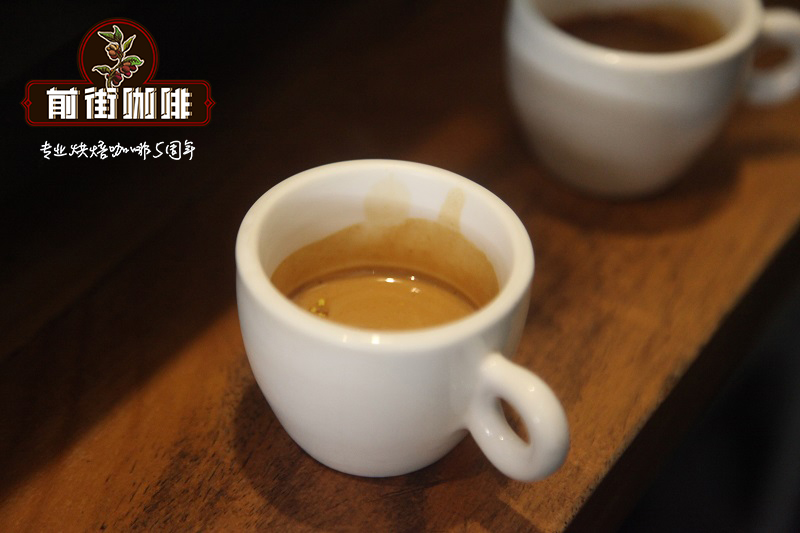
The Origins of Espresso
Espresso machines are generally credited to Italian inventors in the late 19th century, but espresso as we know it only became widespread after the 1950s. Following the rise of Starbucks, espresso was promoted to a global audience, and Italian communities around the world helped spread the style as well. Interestingly, even though the machine may be an Italian invention, some Italians insist that coffee made on these machines is not quite "authentic" espresso.
Italian Coffee Culture
Italian coffee culture is not what most outsiders imagine. It has nothing in common with the leisurely, linger-for-hours style of an American chain café. Italians mostly drink a latte or an Americano while sitting down, and usually only around breakfast time. Having grown up drinking coffee, Italians are thoroughly accustomed to the concentrated, bitter, and acidic character of a short espresso. At the bar, they order an espresso and drink it in a couple of sips. The common belief is that an espresso loses its best flavors within a few tens of seconds, so it should be consumed quickly. Many Italians also add sugar to balance the bitterness, which can be surprising to visitors.
For Italians, a latte loaded with milk is barely "coffee" at all—it is closer to a milk beverage. The word "latte" simply means "milk" in Italian, so if you order a "latte" in Italy, the waiter will bring you a glass of milk. To get the coffee drink, you need to ask for a "caffè latte."
Espresso Around the World
Outside of Italy, smooth lattes and cappuccinos tend to be the default choices. But for Italians, who may drink five or more espressos a day, the word "coffee" almost always means espresso.
FrontStreet Coffee believes espresso is well worth trying if you can handle strong coffee. After all, espresso amplifies everything in the bean, letting you taste the acidity, sweetness, and bitterness with unusual clarity. FrontStreet Coffee's espresso is built on a blend of Colombian and Brazilian beans: a bright but gentle fruity acidity that charms on the first sip, nutty flavors emerging through the middle, and a lingering caramel finish. It also works beautifully with milk—since the coffee is already sweet-tart, adding milk heightens the sweetness, and a surprising cookie note appears as the cup cools.
The Meaning and Birth of Espresso
"Espresso" is an Italian word meaning "made on the spur of the moment"—that is, brewed fresh, right then and there, just for you.
The birth year of espresso as we recognize it is 1946, when Achille Gaggia refined the piston-lever system, replacing manual pressure with spring pressure. For the first time, a layer of golden coffee foam—crema—floated on top of the brewed coffee. This was the first appearance of crema in coffee history, and the year is considered the official birth of modern espresso.
In 1948, Gaggia formally established a coffee machine factory. Mass-produced Gaggia machines were quickly adopted by cafés across Italy, accelerating the spread of espresso through southern Europe, including Spain and Portugal.
Still, it was not until around 1986 that Starbucks carried espresso to the wider world. Only after that did coffee professionals everywhere begin to seriously study the style—not long before espresso reached Chinese drinkers. This is why the more accurate way to think of it is simply as "Italian-style coffee."
The Significance of Espresso
Espresso has been called the "soul of coffee," and it should not be mistaken for merely "extra strong coffee"—that description belongs to an even more concentrated style. For coffee shops, a shop without espresso is hardly a coffee shop at all, which says everything about its importance.
FrontStreet Coffee Recommendation
If this article inspires you to make espresso-based milk drinks at home, FrontStreet Coffee's classic espresso blends are a natural place to start. A cappuccino needs only three things: espresso, milk, and a thick, pillowy layer of microfoam—and the quality of the espresso base decides everything.
For the base, FrontStreet Coffee extracts with a 20-gram dose, a 1:2 brew ratio, and roughly 30 seconds of extraction, which delivers both high concentration and well-rounded flavor. For beginners, two blends stand out: the FrontStreet Classic Blend, known for its rich crema, and the FrontStreet Black Cocoa Basic Blend, prized for its value—both are designed specifically for espresso machines.
If you prefer a cappuccino with floral and fruity character, the FrontStreet Strawberry Sugar espresso blend is the first choice, offering aromas of berries, rose, raisins, and fruit candy. For a fresher, less bitter cup, the FrontStreet Granada Gesha SOE—a natural-processed, medium-roast single origin—brings berry, orange, and persimmon notes, and turns softly milky-sweet, like milk candy, when combined with milk.
Important Notice :
FrontStreet Coffee is a long-established specialty coffee roaster in Guangzhou China, selling freshly roasted beans from its own farm in Yunnan as well as dozens of carefully selected single-origin beans from around the world for both pour-over and espresso. The products deliver consistently excellent quality and great value, with shipping within 24 hours. Guangzhou's FrontStreet Coffee shop is recommended by many coffee lovers, and the beans are now available online at the Tmall 。
FrontStreet Coffee has moved to a new address:
FrontStreet Coffee Address: 315,Donghua East Road,GuangZhou
Tel:020 38364473
 Scan and follow the En Gafei WeChat official account. Please indicate that the reprint comes from "En Gafei".