Italian Coffee Culture | Characteristics of Italian Coffee | How to Drink Espresso?
Professional Coffee Knowledge Exchange
More coffee bean information and brewing guides - follow us for regular updates.
Espresso: The Devilish Charm of Italian Coffee
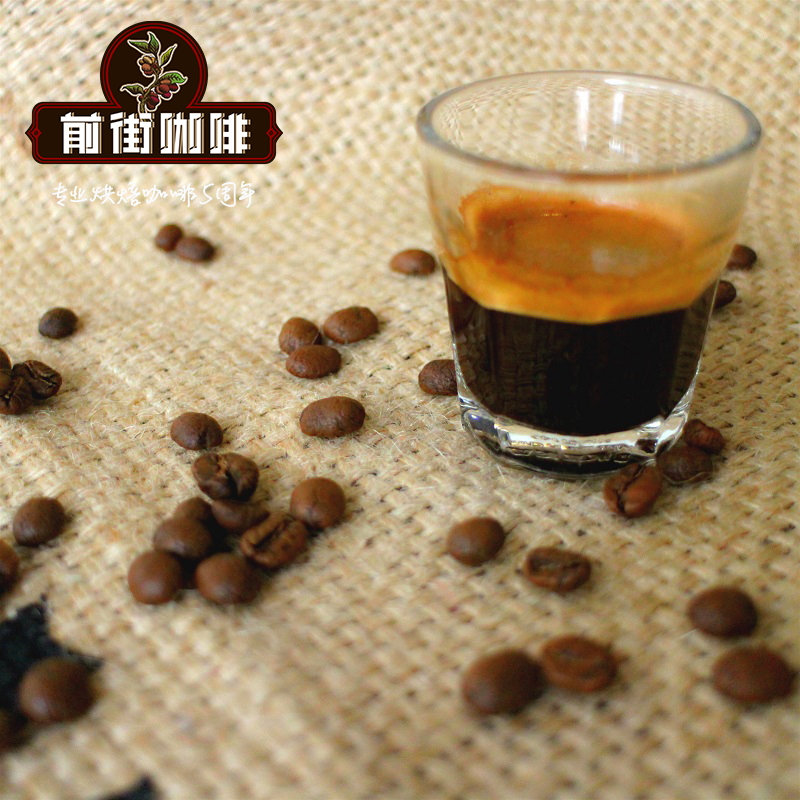
Espresso has become widely known among coffee enthusiasts in China in recent years. This pure black coffee - strong and aromatic, with a layer of golden foam floating on top - is as thick and hot as a devil escaped from hell. Every sip immerses you in an indescribable charm that is hard to forget. The character of Italian coffee is reflected in its English name: speed. It is made quickly, in under ten seconds, and drunk quickly too - two or three sips and it is gone. Generally, an Italian's first act upon waking is to brew a cup of coffee. Regardless of gender, they drink almost from morning until night. The streets are filled with coffee shops called BARs, where coffee sells for about four hundred lira (over ten yuan) and people drink it standing up, in one go.
Italians drink an average of twenty cups of coffee a day. The beans used for Italian coffee are the darkest roasted in the world, designed to match the instant extraction of Italian espresso machines. Since a cup contains only 50cc and requires just 6-8 grams of beans, this seemingly ferocious coffee is actually not harsh on the stomach and may even aid digestion! Italian coffee also has a milk-added version called Cappuccino: steam from the espresso machine, at over 130 degrees Celsius, whips milk into foam that is then floated on the thick black coffee. The sweet fresh milk, pure and white; the charming espresso devil - with its embellishment, it instantly transforms into a wonderful angel!
What Types of Coffee Exist in Italy?
Classic Basic Varieties
Espresso: The most commonly consumed coffee in Italy, where people often simply call it "Caffè." A cup of espresso costs between 0.85-1 euros.
Caffè Lungo: A semi-concentrated Italian coffee with slightly more water than a standard espresso. The opposite is called "corto."
Caffè Corretto: A boozy espresso with a few drops of liquor added (usually to personal taste - commonly Liquore d'Anice, Grappa, Baileys, Amaretto Disaronno, or Cognac).
Caffè Macchiato: An espresso with a few drops of milk on top ("macchiato" means "marked" - the coffee is marked by milk).
Cappuccino: 1/3 espresso + 1/3 hot milk + 1/3 milk foam makes a cappuccino.
Caffè Americano: Be aware - you cannot order this in Italian bars without receiving disapproving looks.
Caffè del nonno: A coffee ice mousse from Naples. Made with whipped fresh cream + coffee + rum, it is an iced coffee with a texture between ice cream and mousse, hugely popular in summer.
Caffè Marocchino: A coffee from Northern Italy, prepared in the opposite order of a cappuccino: sprinkle an even layer of cocoa powder in a glass cup, pour in milk foam, and finally add the espresso.
How to Order Coffee in a Bar?
Italians most commonly order espresso in small cups, usually finished within half a minute, so many bars provide no seating at all - customers drink standing. Order and pay at the cash register, then go to the counter and tell the server what you want. It is made fresh to order, you drink it standing, and you leave. If you are feeling polite, say "Grazie" or "Arrivederci" on your way out.
What to Pay Attention to When Drinking Coffee in Italy?
Italy has a tipping culture. Even when drinking coffee standing at a bar, tips are usually handed to the server with the order or left on the counter. The amount depends on your means and mood - no one should ever force you to tip.
Except at breakfast and before bedtime, you are unlikely to see Italians ordering a cappuccino with its large amount of milk. Ordering one after dinner in a restaurant would be considered very strange indeed.
As for espresso itself, FrontStreet Coffee believes it is an excellent choice if you can handle strong flavors. After all, espresso amplifies everything in the coffee, letting you taste its acidity, sweetness, and bitterness with total clarity. Our espresso blend pairs [Colombia] with [Brazil]: bright but gentle fruit acidity that is quite charming, nutty flavors emerging in the middle, and persistent caramel sweetness in the finish. If you prefer milk coffee, this formula works beautifully too - its sweet-and-tart character is amplified by milk, and the cookie flavor it develops as it cools is a genuine surprise.
FrontStreet Coffee is a roastery with a small shop but a diverse range of bean varieties, where you can find both famous and lesser-known origins, along with online ordering services.
FrontStreet Coffee Recommendation
If this classic Italian style inspires you to make cappuccinos at home, FrontStreet Coffee's espresso blend line is the place to start. For a traditional cup, extract 20g of coffee at a 1:2 ratio in 30 seconds for an espresso with enough concentration and full extraction. The FrontStreet Classic Blend - a true crema bomb - and the value-focused Dark Cocoa Base Blend are both ideal for milk drinks.
Fancy a floral-and-fruity cappuccino? The Strawberry Sugar espresso blend brings aromas of berries, rose, raisins, and fruit candy, while the Granada Geisha SOE - natural processed, medium roasted - offers berry, orange, and persimmon notes that turn milky-sweet like milk candy when paired with milk.
Important Notice :
FrontStreet Coffee is a long-established specialty coffee roaster in Guangzhou China, selling freshly roasted beans from its own farm in Yunnan as well as dozens of carefully selected single-origin beans from around the world for both pour-over and espresso. The products deliver consistently excellent quality and great value, with shipping within 24 hours. Guangzhou's FrontStreet Coffee shop is recommended by many coffee lovers, and the beans are now available online at the Tmall 。
FrontStreet Coffee has moved to a new address:
FrontStreet Coffee Address: 315,Donghua East Road,GuangZhou
Tel:020 38364473
 Scan and follow the En Gafei WeChat official account. Please indicate that the reprint comes from "En Gafei".