How to Make Italian Espresso, Italian Coffee Culture, How to Drink Italian Coffee?
What Defines High-Quality Coffee?
A truly high-quality cup, from seed to sip, passes through green-bean selection, roasting, and then careful extraction. How we drink coffee also reflects different ideas about quality of life — French romance, American convenience, or Italian refinement and freedom. The pursuit of coffee quality is the pursuit of a better life. So what kind of coffee truly deserves to be called high-quality?
About Espresso
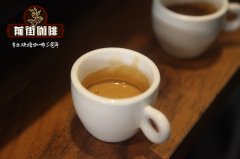
Espresso is an Italian coffee. Other Italian coffees include the latte and the cappuccino, and drinks like the latte are basically espresso as a base with milk and other ingredients blended in. Most of the time, espresso is translated as "Italian concentrated coffee," the word "concentrated" coming mainly from its small serving size and its visually thick appearance.
To talk about Italian coffee, we first have to talk about Italy's coffee culture. When Italians go to a café, their first choice is espresso. If someone loudly orders a cappuccino, nine times out of ten they are a foreigner. For Italians, a cappuccino is practically a beverage. In Italy, sitting down to drink coffee costs extra — something you find almost nowhere but Italian cafés. Italians don't mind, though, since drinking an espresso doesn't require sitting down anyway. They tilt their heads back and drink it in one gulp. If they feel like chatting, they find someone for a few words; if not, they simply turn and leave.
As for espresso, FrontStreet Coffee believes that if you can accept intense coffee flavors, it is an excellent choice. After all, espresso amplifies everything in the coffee, and in an espresso you can taste the acidity, sweetness, and bitterness more clearly. FrontStreet Coffee builds a blend from Colombia and Brazil, with a bright yet gentle fruit acidity that is quite charming, nutty flavors emerging through the middle, and a persistent caramel aftertaste in the finish. If you like milk coffee, this formula works beautifully too: this coffee tends toward acidity and sweetness, so adding milk enhances its sweetness, and the cookie flavor that appears as it cools is a genuine surprise.
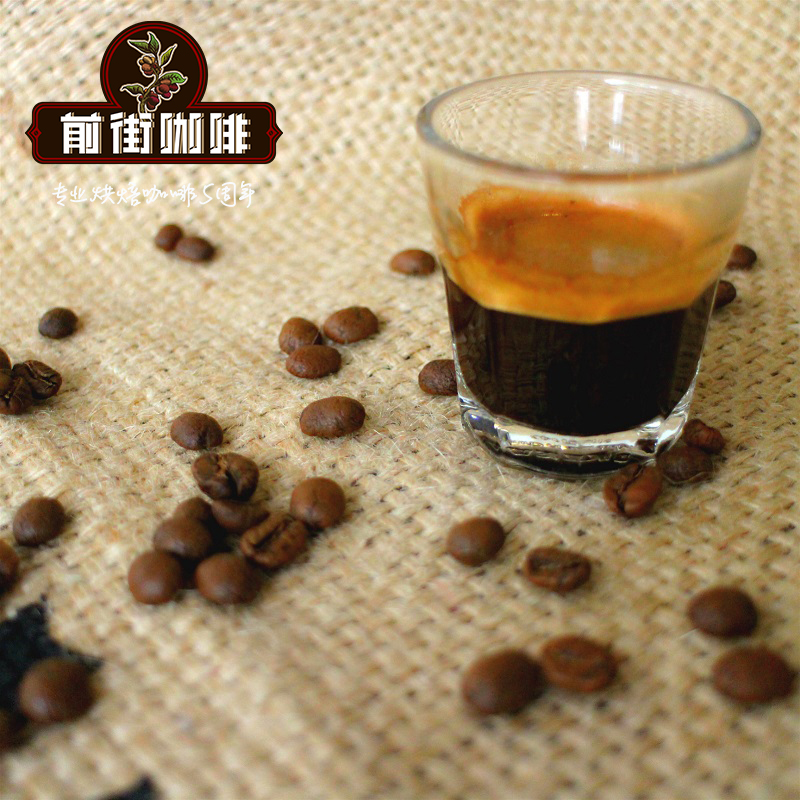
The spirit of espresso is like its meaning in Italian — fast, and exclusive. A cup of espresso represents the Italian pursuit of a relaxed, free, yet high-quality lifestyle. A high-quality Italian espresso must have rich crema to guarantee its deliciousness, and some even describe crema as the soul of espresso.
Espresso is an Italian word with the meanings of "on the spur of the moment" and "for you" — brewed immediately, just for you.
Espresso was born in 1946, when Gaggia further improved the piston pressure system — using spring pressure instead of manual pressing, letting the brewed coffee float with a layer of golden coffee oil: crema. That was the first appearance of crema in coffee history, and that year became the official birth year of espresso.
In 1948, Gaggia officially established a coffee machine factory. Mass-produced Gaggia machines were sought after by major Italian cafés, accelerating espresso's popularity across southern European countries such as Italy, Spain, and Portugal.
It wasn't until around 1986, however, that espresso was promoted worldwide by Starbucks. After that, coffee professionals in various countries began to recognize and understand this type of coffee — only about ten years before Chinese drinkers came into contact with espresso. For this reason, a more popular and reasonable name for it is simply "Italian coffee."
Espresso carries the beautiful reputation of "the soul of coffee." It should not be translated as "extra strong coffee," because beyond it there is an even stronger coffee that deserves that name. For cafés, "a café that doesn't sell espresso is not a café," which shows just how important espresso really is.
FrontStreet Coffee Recommendation
For an espresso at home, the FrontStreet Classic Blend is a solid place to start — a blend built for rich, golden crema. With its chocolate, nut, and caramel notes and a deep roast, even a beginner can pull a full-bodied shot or a moka-pot brew with a classic Italian character.
If you prefer a balanced, milk-friendly blend, the FrontStreet Hei Keke combines Yunnan small-grain coffee with Brazil Cerrado: the Brazilian portion supplies mixed-nut aroma and a balanced body, while the Yunnan small-grain plays the chocolate and citrus role. Poured as an Americano it is balanced across sweet, sour, and bitter; as a latte it turns smooth and creamy, with almond notes.
And for a playful, modern espresso, the FrontStreet Strawberry Candy espresso blend brings berry, rose, raisin, and fruit-candy aromas to the cup — a bright, distinctive choice for milk drinks.
Important Notice :
FrontStreet Coffee is a long-established specialty coffee roaster in Guangzhou China, selling freshly roasted beans from its own farm in Yunnan as well as dozens of carefully selected single-origin beans from around the world for both pour-over and espresso. The products deliver consistently excellent quality and great value, with shipping within 24 hours. Guangzhou's FrontStreet Coffee shop is recommended by many coffee lovers, and the beans are now available online at the Tmall 。
FrontStreet Coffee has moved to a new address:
FrontStreet Coffee Address: 315,Donghua East Road,GuangZhou
Tel:020 38364473
 Scan and follow the En Gafei WeChat official account. Please indicate that the reprint comes from "En Gafei".