The World's Most Expensive Coffee Without Exception | How Much is a Cup of FrontStreet Coffee's [Hawaii Kona Coffee Beans]
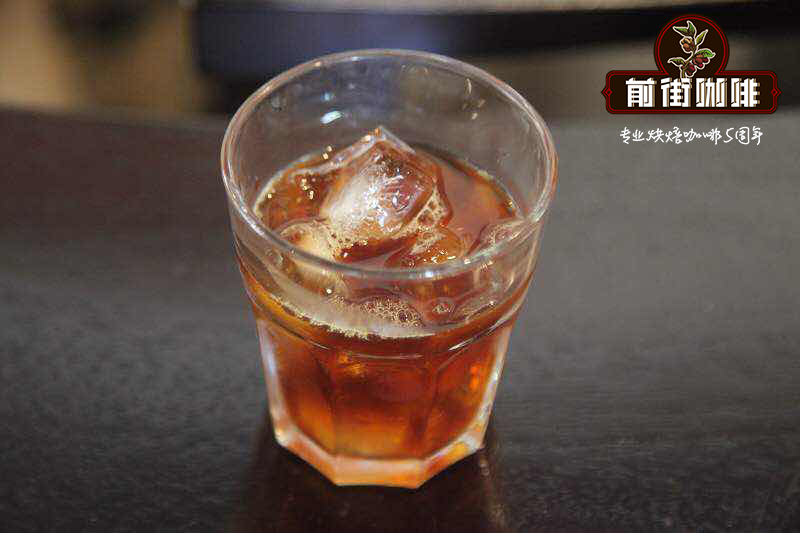
The World's Most Expensive Coffee | How Much Is a Cup of FrontStreet Coffee's Hawaii Kona, and How Do You Brew It?
FrontStreet Coffee's Kona: 60 RMB per cup.
Kona coffee beans are cultivated in the Kona District of Hawaii's Big Island. Grown on Hawaiian volcanic soil, Kona is the only coffee variety produced in the United States, with a relatively strong taste, notable acidity, and a rich aroma. These beans can only be grown on volcanic slopes and belong to a rare variety. Hawaii, that beautiful tropical island in the Pacific, is known for its scenery — and for Kona coffee. Kona takes its name from its main production area, on the slopes of the North and South Kona districts and the Mauna Loa volcano on the main island. It is one of the most expensive coffees in the world, and only coffee produced in the Kona district may be called "Kona coffee." To carry the Kona trademark, beans must be grown and strictly certified in the region along Hawaii's southwest coast, a strip 20 miles long and 2 miles wide at elevations of 150-750 meters, covering the Hualalai and Mauna Loa volcanic slopes. As production has declined, the price has climbed toward that of Blue Mountain coffee. Kona's narrow coastal zone produces some of the world's best-tasting coffee, and its output ranks among the highest anywhere. On less than 2,600 acres of coffee land, Kona still produces 2 million pounds of coffee beans a year.
Kona coffee is not native to the Big Island. The earliest record traces back to 1813, when the Spanish planted the first coffee tree, though real prosperity began in the 19th century. Its lineage descends from Arabica, one of the world's three major coffee varieties. Unlike the intensity of Italian coffee and without the coarse taste of Central and South American coffee, Kona balances acidity and sweetness very gently, with fruit aromas detectable in the aftertaste. Those who don't care for it find Kona too light, but this "fresh and natural" quality is something only Kona embodies in the coffee world. Its quality is quite stable, making it a must-buy when visiting Hawaii, equally suited to personal use or as a gift. With no mountain ridges blocking the island, white clouds surge with the wind, forming a sunshade that opens and closes with nature's own rhythm. In the coffee world, Kona is like a daughter of a noble family, receiving nature's gentlest care.
Real Kona coffee is indeed a worldly treasure, not easy to find. According to the evaluation standards of the Hawaii Department of Agriculture, beans are classified into four grades based on size, weight, and quality ratio: Extra Fancy, Fancy, Prime, and Gr.No.1 (100% KONA). Every bag must come with complete certification documents from the Agricultural Committee, with grade markings printed on the burlap. Because production is minimal and costs are high, and demand for specialty coffee keeps growing, the market price of Kona approaches that of Jamaican Blue Mountain, and high-quality Kona beans are increasingly hard to buy.
Growing Environment
Kona coffee is nurtured by Hawaii's special climate. The Kona region sits at around 600 meters, but because of its maritime climate, its conditions resemble those of Central American regions at 1,200 meters. The mountains are rainy and much cooler than the plains. Although Hawaii is often affected by tornadoes, the climate is genuinely well suited to coffee. Hawaii also has abundant rainfall and sunshine, with no worry about frost damage. In the morning, gentle sunlight passes through moisture-filled air; by afternoon the mountains turn more humid and foggy, with surging white clouds acting as natural sunshades for the trees; by evening it turns clear and cool. These favorable conditions give Kona coffee an average yield of 2,240 kilograms per hectare. Combined with fertile land and meticulous farm management, this creates a climate ideal for coffee and makes Kona a premium product on the market.
Bean Characteristics
Kona beans from Hawaii are among the most perfect coffee beans in the world. The fruit is exceptionally plump and carries cinnamon spice notes, with balanced, moderate acidity. They also have a bright luster. The beans are uniform and neat in shape, rich and aromatic when consumed — not bitter, not astringent, without burnt taste, with strong acidity and sweetness and a rich, smooth, mellow mouthfeel. Real Kona coffee is a worldly treasure, not easily found, and ranks among the highest-quality coffee. Because the fruit grows on volcanoes, Hawaii's unique volcanic climate creates Kona's distinctive aroma, and with highly refined agricultural technique, every bean is like a pampered lady — marked, plump, with baby-like delicate skin.
Aroma Characteristics
Kona coffee has a sweet, rich aroma, and its clear texture stands out even more. It tastes fresh, refreshing, fragrant, and quite smooth, with excellent body and acidity and an intense aroma. The aftertaste lingers long in the mouth. Rarest of all, Kona carries a mixed aroma of fruit, wine, and spice. A premium product long familiar to Japanese drinkers, Kona's hallmark is its fresh, sweet aroma reminiscent of grass or trees, along with citrus-like acidity and richness, combining many qualities in one. Completely without any cloudy texture — particularly excellent and outstanding.
FrontStreet Coffee's Recommended Brewing Method
Dripper: Hario V60
Water Temperature: 90°C
Brewing Method: Water-to-coffee ratio 1:15, using 15 g of grounds. First pour 25 g of water and let it bloom for 25 seconds. Second pour to 120 g of water and stop; wait until the water level in the coffee bed drops to half, then pour slowly until the total reaches 225 g. Extraction time is about 2:00.
Analysis: The three-stage pour clearly defines the front, middle, and back end of the cup. Because the V60 has many ribs and drains quickly, pausing the pour extends the extraction time.
FrontStreet Coffee Recommendation
Kona's fame rests on balance, but its true home turf is the certified grading system, where only a handful of beans qualify for the top tiers. The same holds for Jamaica Blue Mountain, which is defined by its official certification. FrontStreet's Jamaica Blue Mountain No.1 comes from the historic Clifton Estate, which has been growing and processing coffee since around the mid-18th century (roughly 1750). Its fields sit at an average of 4,300 feet (1,310.64 meters), where enough altitude, gentle afternoon cloud cover across the hillsides, ample sunshine, and mineral-rich soil give the trees excellent growing conditions and lengthen the ripening of the cherries.
FrontStreet's Blue Mountain is medium-dark roasted to highlight a rich body and the traditional "bitterness gives way to sweetness" character. We suggest a Kono dripper, a 15 g dose per cup, and resting the beans for 4-7 days from the roast date. Grind slightly coarser than for a light roast — about the texture of granulated sugar — and brew at 87-88°C, with a 1:15 ratio. The cup is very clean, complex, and gentle, with chocolate sweetness and a strong body: the sweet, tart, and bitter notes balance perfectly, with almost no bitterness, only a measured, perfect acidity and a long fruit aftertaste.
Important Notice :
FrontStreet Coffee is a long-established specialty coffee roaster in Guangzhou China, selling freshly roasted beans from its own farm in Yunnan as well as dozens of carefully selected single-origin beans from around the world for both pour-over and espresso. The products deliver consistently excellent quality and great value, with shipping within 24 hours. Guangzhou's FrontStreet Coffee shop is recommended by many coffee lovers, and the beans are now available online at the Tmall 。
FrontStreet Coffee has moved to a new address:
FrontStreet Coffee Address: 315,Donghua East Road,GuangZhou
Tel:020 38364473
 Scan and follow the En Gafei WeChat official account. Please indicate that the reprint comes from "En Gafei".