How to Choose Fresh Roasted Coffee Beans_Fresh Roasted Coffee Bean Brand Recommendations_What Does Fresh Roasted Coffee Beans Mean
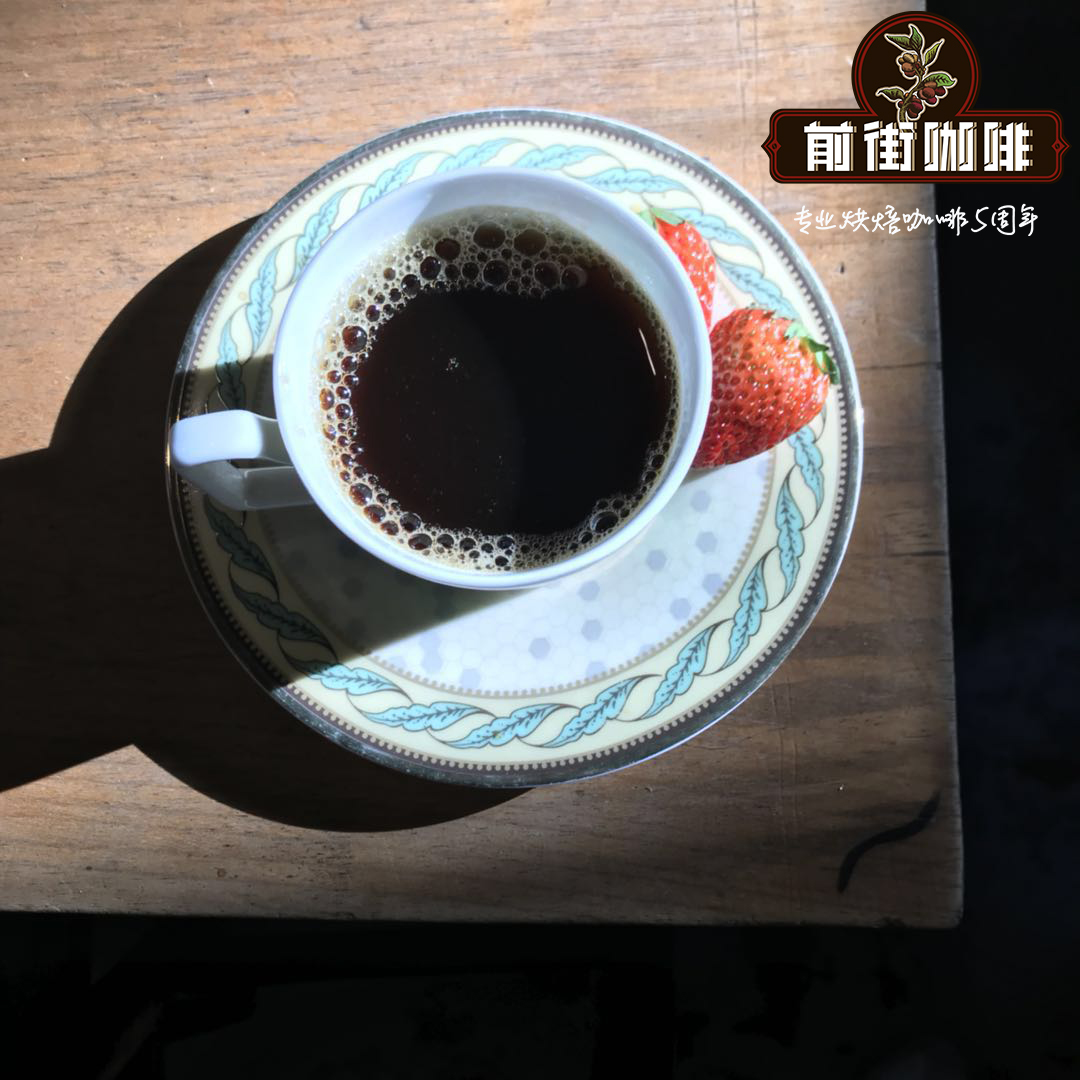
The Case for Pour-Over
Pour-over is wonderfully undemanding about the beans you feed it. Whatever country or region the coffee comes from, a good pour-over lets you taste that coffee's own flavor, aroma, and structure without interference.
There is one important condition, though: coffee has a shelf life. Once beans are ground, the surface area exposed to air jumps, oxidation speeds up, and aromatic compounds disappear. Unless you are traveling and cannot bring your pour-over gear, grind fresh and brew right away — that is the only way to taste everything the coffee has to give.
What "Fresh" Really Means
When you buy coffee, are you still checking only the expiration date on the bag? There is a more useful fact to know: the optimal drinking window is not the same as the expiration date. What matters is the roast date.
The roast date tells you how fresh the beans are. Freshly roasted beans are usually a good choice within 2-3 days of roasting. That said, the moment right after roasting is not when the coffee tastes best. Beyond roast smoke and the beans' own aroma, coffee continues releasing carbon dioxide — degassing — for about 48 hours after roasting. Brew immediately off the roaster and the cup is actually disappointing.
A practical habit is to buy roughly two weeks' worth of beans at a time. For beans kept at room temperature, use them within two weeks, when flavor and aroma are at their peak.
Choosing a Coffee That Suits You
Floral or Rich
With so many coffees from around the world, it is easy to get lost on the coffee map. The simplest guide is your own taste. If you lean toward floral notes, look to Ethiopian, Guatemalan, or Panamanian coffee — the Geisha beans from Emerald Manor on the slopes of Baru Volcano in southwestern Panama, for instance, offer jasmine, rose, and bergamot aromas, and drinking them chilled makes the acidity and layers even easier to appreciate.
If you prefer rich, weighty cups, island coffees are the natural fit. Their climates, often wrapped in mist, tend to produce beans with depth and aroma. Hawaiian Kona and Jamaican Blue Mountain pair moderate acidity with subtle wine-like and nutty notes, and they have long been connoisseur favorites. For a heavier body still, try Indonesian Mandheling or Peruvian coffee. Indonesian Mandheling is the only coffee in the world still processed with the traditional wet-hulling method, and the well-known Golden Mandheling on the market is an excellent result of Japanese buyers imposing strict control over every step.
Roast Level
Roast level matters just as much as origin. The lighter the roast, the closer you stay to the bean's original fruit character, so fruit acidity is heavier and fruit aroma more pronounced. The darker the roast, the more bitterness and richness come forward, with medium roast sitting between the two. Every bean, however, has its own best roast level. If a coffee carries lemon notes, a dark roast may bury them entirely — so it pays to ask the shop questions before you buy.
Recommended Freshly Roasted Coffee
FrontStreet Coffee's single-origin, freshly roasted beans — Yirgacheffe Coffee, Kenya AA Coffee, Panama Butterfly Coffee and others — are fully guaranteed in both brand and quality and work with a wide range of brewing equipment. Just as importantly, the value is hard to beat: a half-pound (227g) package costs only about 80-90 yuan. At 15g of ground coffee per pour-over cup, one package makes 15 cups, bringing a single-origin cup down to about 6 yuan — remarkable value next to the dozens of yuan a cafe charges for one cup.
FrontStreet Coffee Recommendation
Because pour-over rewards a careful grind and a controlled pour, the dripper matters. Hario, the company behind the V60, was founded in Tokyo in 1921 as a maker of heat-resistant glassware for research institutions — the same glass sharing carafes often paired with pour-over today. In 2004 Hario redesigned the early V60 into the shape we now recognize, naming it for its distinctive 60-degree cone and V form, and released it to market a year later. The cone and 60-degree angle force water toward the center before it drips through, extending contact between water and grounds so aroma and flavor extract more fully, while the single large outlet lets the brewer's pouring skill drive the flow rate — and the resulting flavor.
For beans that shine in a V60, FrontStreet Coffee's range covers the classic and the modern. FrontStreet Jamaica Blue Mountain No.1 and FrontStreet PWN Golden Mandheling were the defining specialty coffees of the era when deeper roasts and fuller bodies ruled. As lighter, more aromatic styles took over, coffees like FrontStreet Yirgacheffe Gedingding with its classic Yirgacheffe profile, the tropical fruit of FrontStreet Huakui, the Geisha character of FrontStreet Strawberry Candy, and the raisin-toned FrontStreet Mozart all became natural V60 candidates. If you love a bright, savory fruit character, FrontStreet Kenya Cherry Tomato is a Kenyan washed single origin from the Thika region, grown at 1550-1750 m from the classic SL28 and SL34 varieties and given Kenya's signature 72-hour double washed fermentation — light roasted to preserve its lively, layered fruit.
As for the dripper itself, V60s now come in resin, ceramic, glass, copper, and stainless steel. Material changes appearance, weight, and heat retention, which subtly shifts extraction, but the geometry stays the same. FrontStreet Coffee favors the resin Hario V60 for two reasons: resin blocks heat loss effectively, and in standardized industrial production it holds the tightest tolerances with the least variance.
Important Notice :
FrontStreet Coffee is a long-established specialty coffee roaster in Guangzhou China, selling freshly roasted beans from its own farm in Yunnan as well as dozens of carefully selected single-origin beans from around the world for both pour-over and espresso. The products deliver consistently excellent quality and great value, with shipping within 24 hours. Guangzhou's FrontStreet Coffee shop is recommended by many coffee lovers, and the beans are now available online at the Tmall 。
FrontStreet Coffee has moved to a new address:
FrontStreet Coffee Address: 315,Donghua East Road,GuangZhou
Tel:020 38364473
 Scan and follow the En Gafei WeChat official account. Please indicate that the reprint comes from "En Gafei".